How Sealcoating Can Improve Road Safety
Road safety is a critical concern for all of us. It's not just about obeying traffic rules or driving responsibly.
The condition of the road plays a significant role too.
One method that has proven effective in maintaining road quality and safety is sealcoating.
Sealcoating is a preventative maintenance process that extends the life of
asphalt surfaces. It provides a smooth, even surface that enhances vehicle control and prevents accidents.
In this article, we will delve into how sealcoating contributes to road safety and why it's an essential part of
road maintenance.
The Basics of Sealcoating
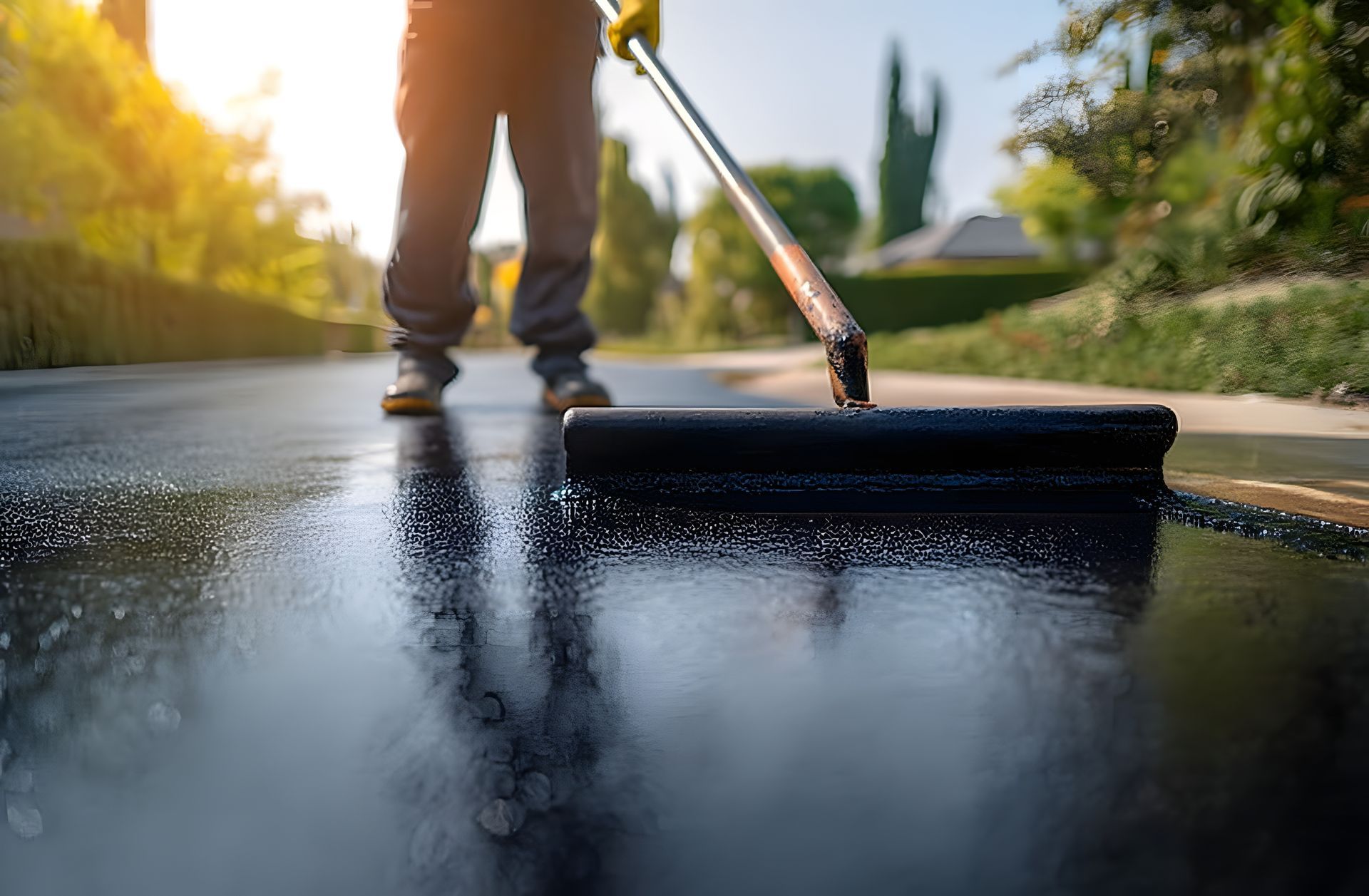
Sealcoating is a process that involves applying a protective layer to asphalt pavements. It's a form of preventative maintenance designed to protect and extend the life of these surfaces.
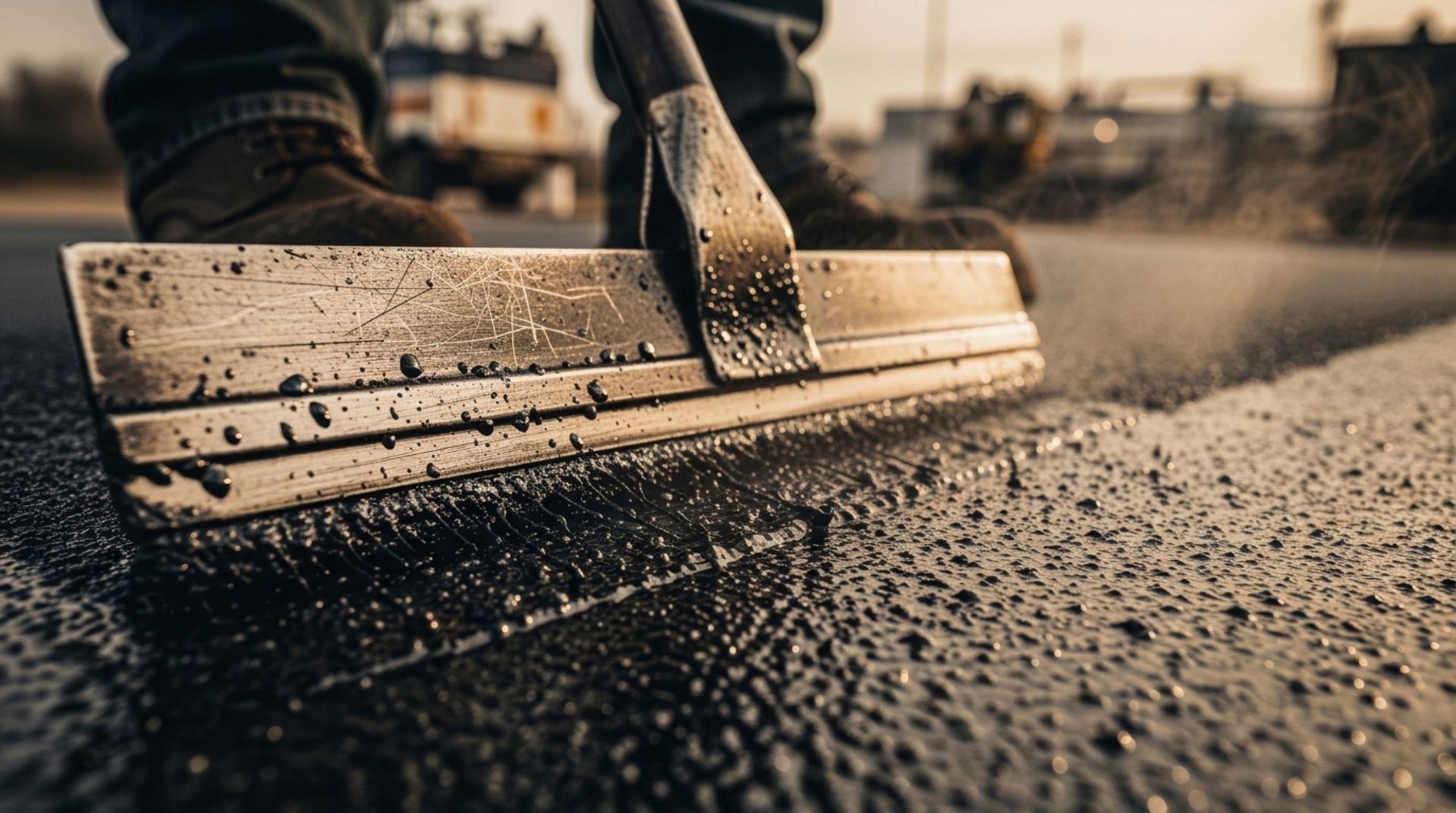
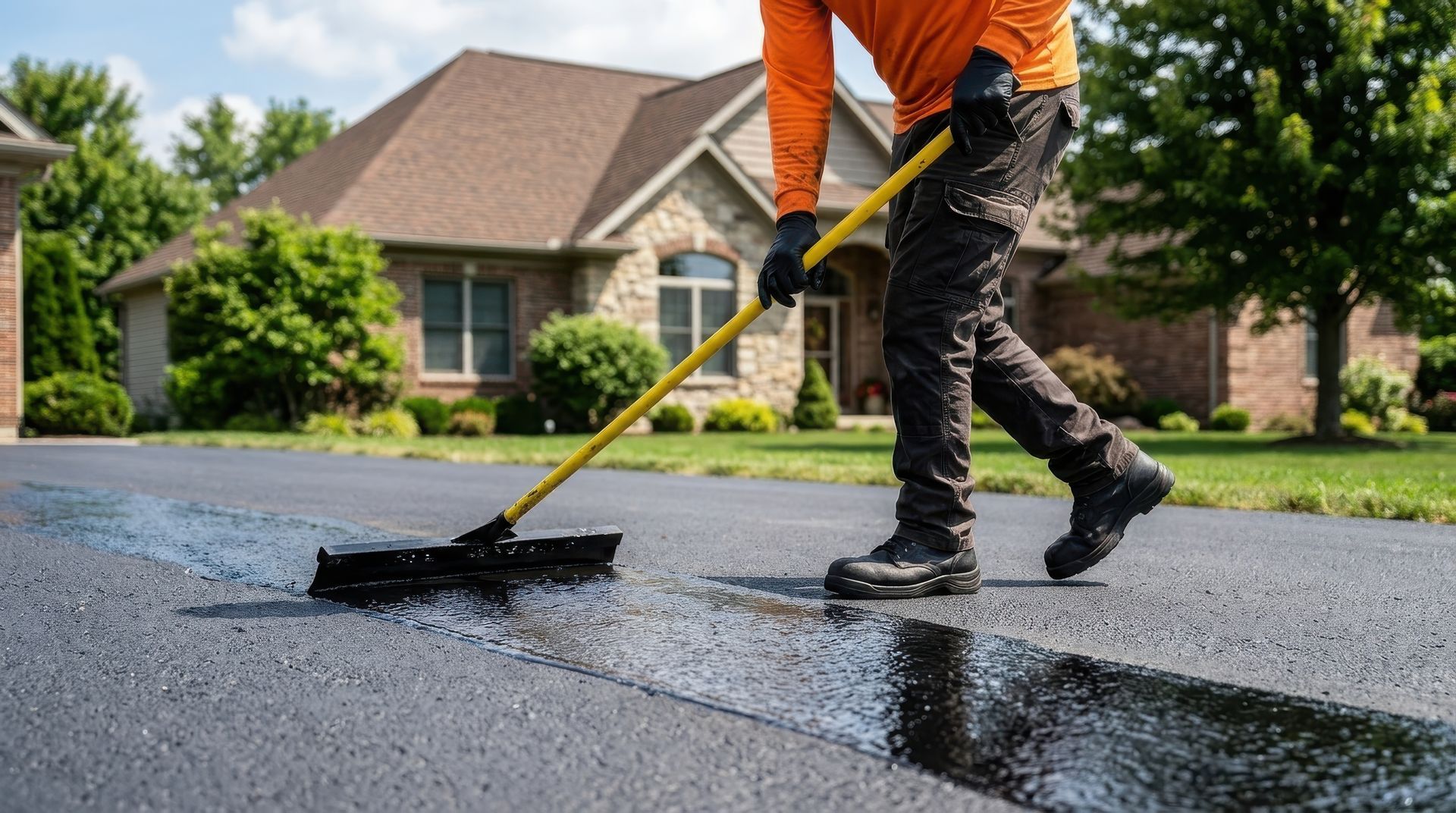
The process includes cleaning the surface, repairing any cracks, and then applying the sealcoat material. This creates a smooth, even surface that enhances
vehicle control and helps prevent accidents.
Why Sealcoating is Essential for Road Maintenance
Regular sealcoating can double the life of a road surface. It protects the asphalt from various damaging elements such as water, oils, salts, and chemicals.
Sealcoating fills surface voids, reducing the chance of tire slippage. This improves road safety in both dry and wet conditions. It also offers protection against UV damage, preventing the asphalt from becoming brittle and cracking under sunlight.
Moreover, sealcoating is a cost-effective way to maintain road infrastructure. It's a proactive measure that can prevent the need for more costly, reactive road repairs.
The Science Behind Sealcoating Materials
Sealcoating materials are typically water-based emulsions. They are safe for the surrounding ecosystem and provide long-lasting protection and safety benefits.
The effectiveness of these materials can be enhanced with additives. These can be tailored to specific road conditions, with different formulations for high-traffic areas or specific climates. Some key components include:
- Asphalt: Provides the base for the sealcoat.
- Water: Allows for easy application and curing.
- Fillers: Improve durability and skid resistance.
- Additives: Enhance performance in specific conditions.
- Aggregates: Improve surface traction and durability.
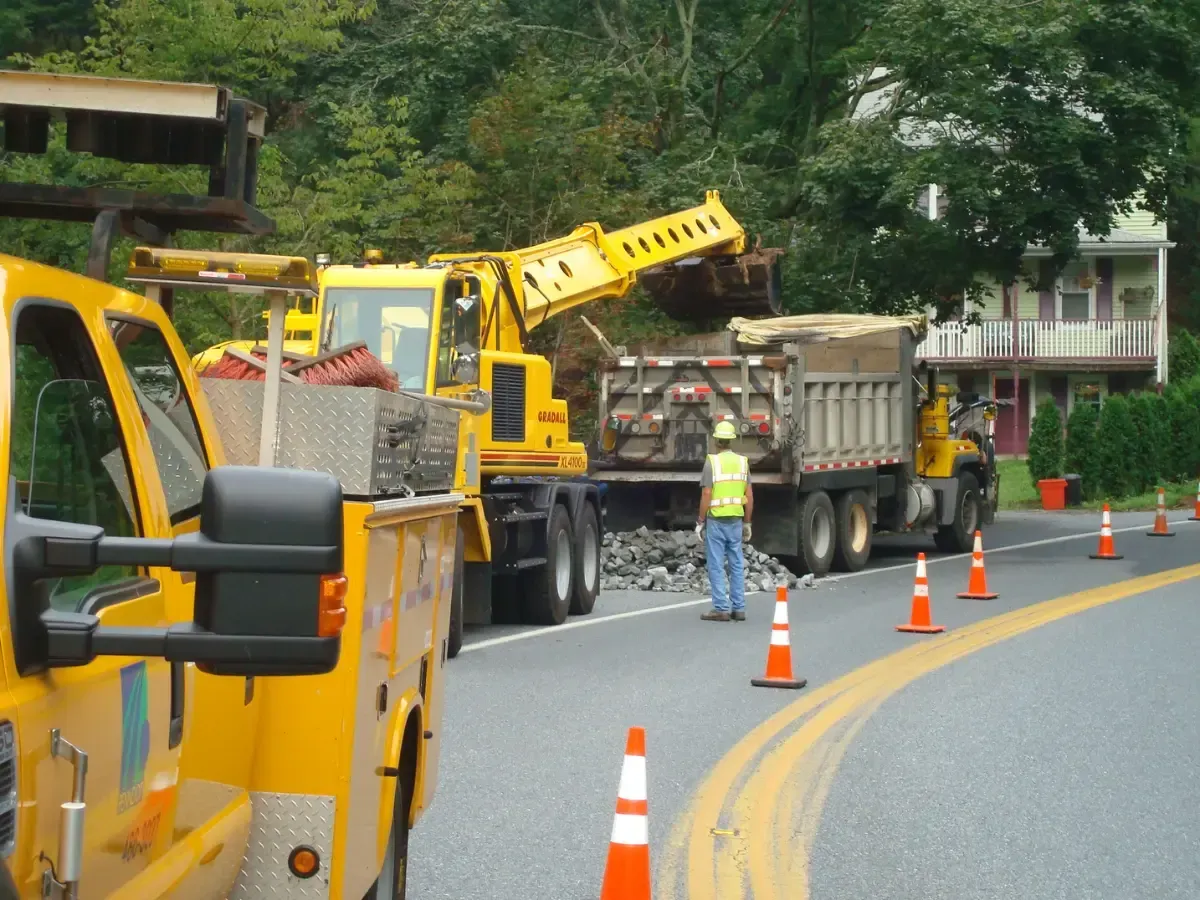
Extending Pavement Life with Sealcoating
Sealcoating is a key strategy in extending the life of asphalt pavements. It acts as a barrier against elements that can degrade the road, such as water, oils, and UV rays.
By preventing these elements from penetrating the asphalt,
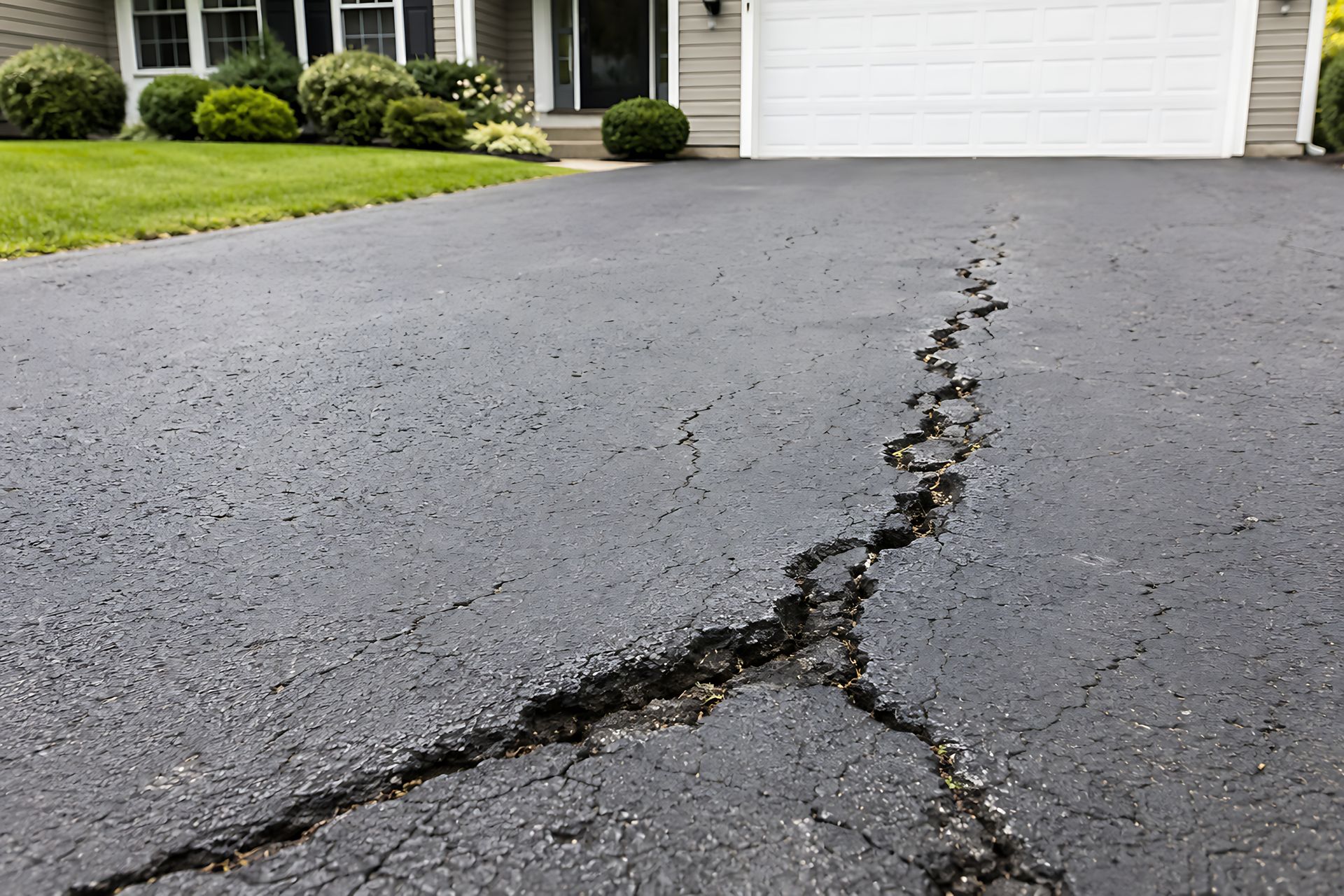
asphalt sealcoating can prevent small cracks from becoming larger, more hazardous issues. This contributes to the longevity of roads, making it a responsible choice for budget-conscious municipalities.
How Sealcoating Preserves Pavement
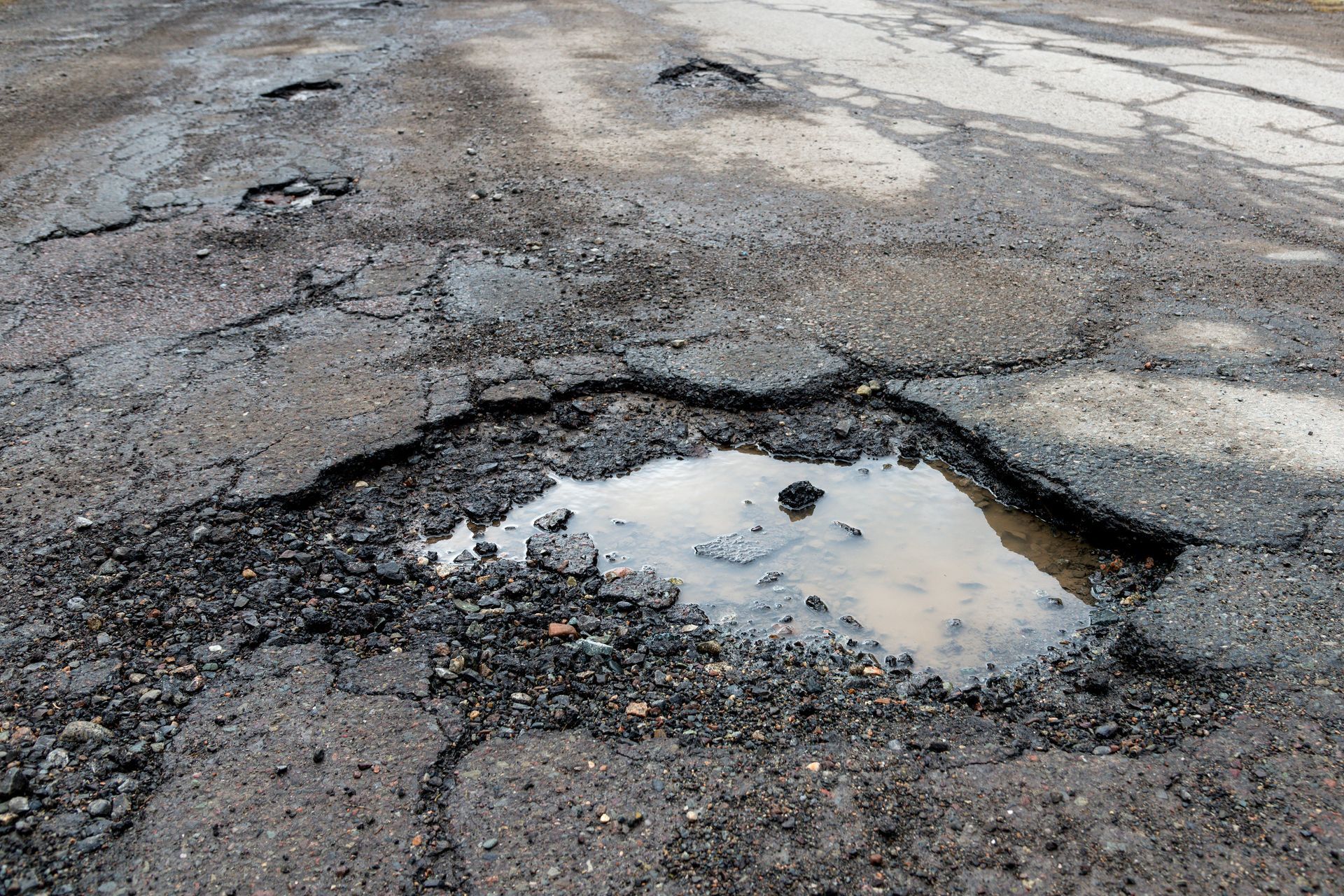
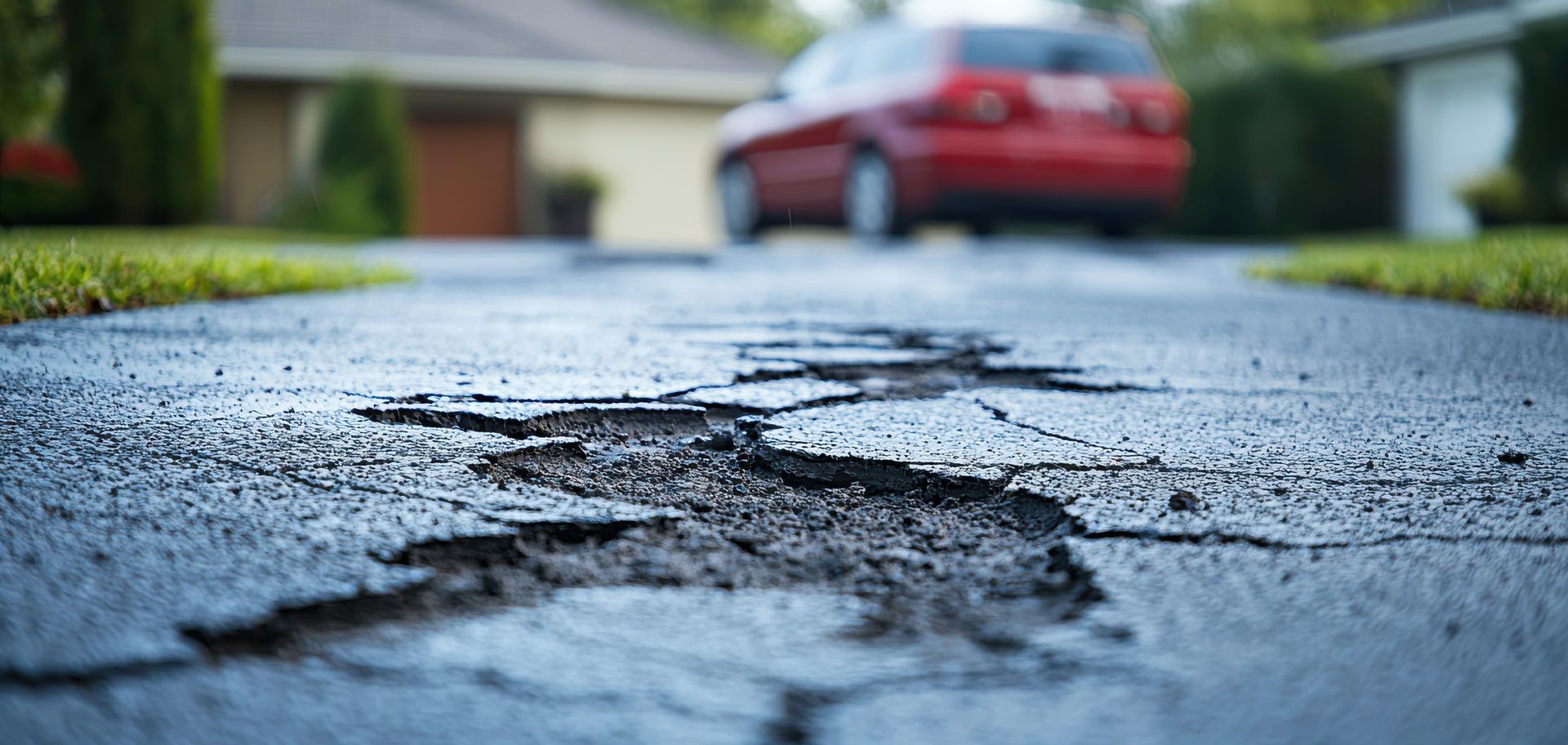
Sealcoating preserves pavement by filling surface voids and creating a protective layer. This layer prevents water penetration, which can cause potholes and cracks.
Moreover, sealcoating includes
UV protection. This prevents the asphalt from becoming brittle and cracking under sunlight. The result is a smooth, durable surface that can withstand daily traffic stresses and environmental conditions.
Enhancing Road Traction and Safety
Sealcoating plays a crucial role in enhancing road traction. The process involves the addition of fine aggregates to the sealcoat, which improves vehicle grip. This enhanced traction can reduce the chance of tire slippage, contributing to safer driving conditions.
Moreover, the smooth surface after sealcoating can reduce vehicle fuel consumption. This is achieved by lowering rolling resistance, further emphasizing the role of sealcoating in promoting road safety and efficiency.
The Role of Sealcoating in Preventing Road Damage
Sealcoating is a proactive measure that helps prevent road damage. By filling surface voids and creating a protective layer, it prevents the formation of potholes and cracks.
The process also acts as a barrier against oils, salts, and chemicals. These elements can degrade the road surface, leading to damage over time. Therefore, regular sealcoating is an essential part of a comprehensive
road maintenance program.
Improving Road Visibility and Safe Driving Conditions
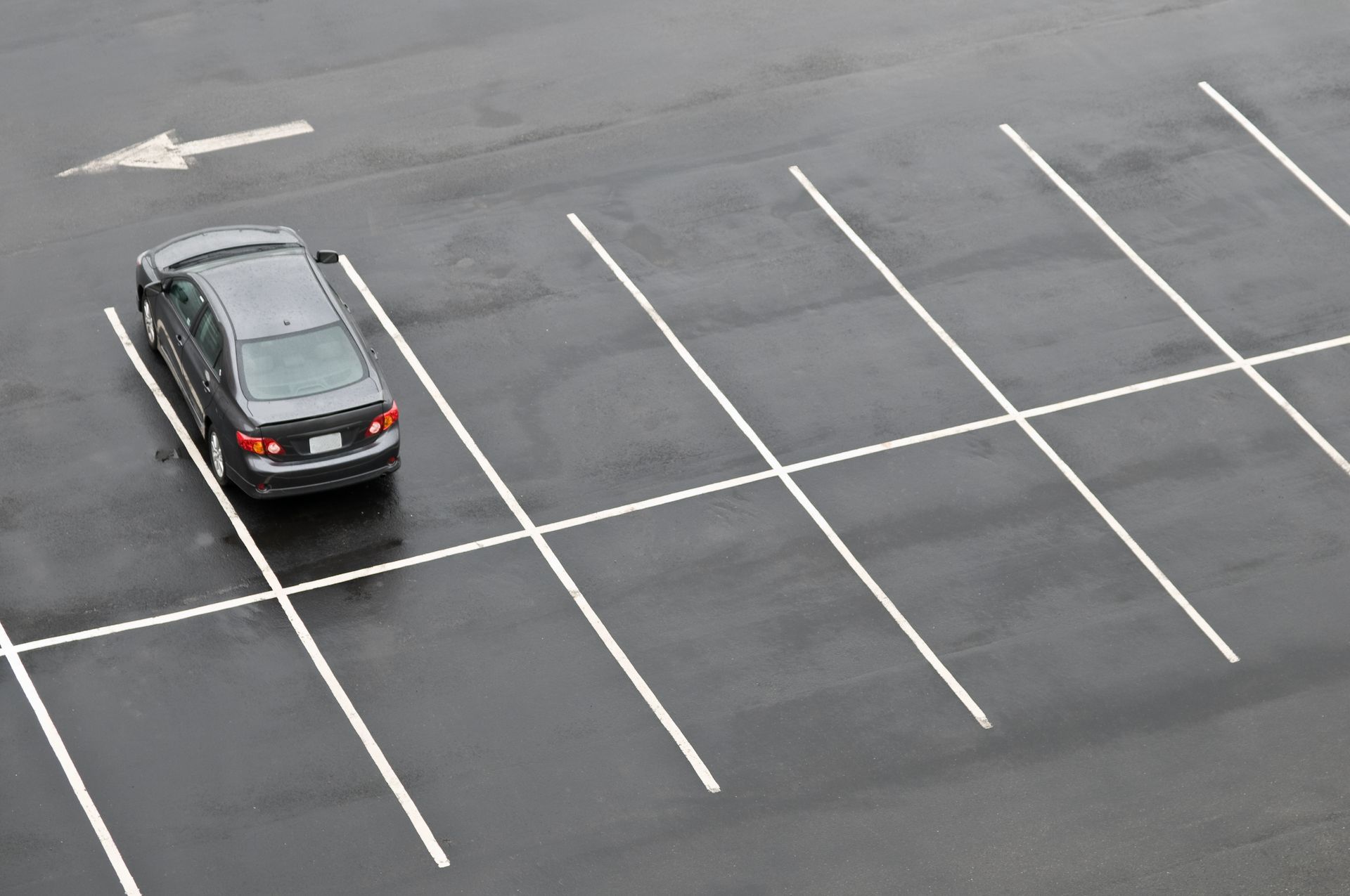
Sealcoating significantly improves road visibility. It provides a dark, uniform surface that contrasts with road markings, making them more visible to drivers. This enhanced visibility can contribute to safer driving conditions, particularly in low-light situations.
Additionally, the dark color of a sealcoated road can help melt snow and ice faster. This is due to increased solar heat absorption, which can be particularly beneficial in colder climates. Thus, sealcoating not only improves road visibility but also helps maintain safe driving conditions in various weather conditions.
Sealcoating Benefits for Road Safety
Sealcoating offers numerous benefits for road safety. One of the key benefits is its role in reducing road accidents. This is achieved through improved skid resistance provided by seal-coated surfaces, which can significantly reduce the risk of accidents.
Moreover, sealcoating contributes to the overall functionality of roads. By preserving the structural integrity of roads, it ensures they serve their intended purpose effectively. This, in turn, promotes safe and efficient transportation, highlighting the importance of sealcoating for road safety.
Reducing Road Accidents Through Sealcoating
Sealcoating plays a crucial role in reducing road accidents. By filling surface voids and providing a smooth, even surface, it reduces the chance of tire slippage. This enhanced traction can significantly decrease the risk of accidents, particularly in wet conditions.
Moreover, sealcoating can prevent small cracks from becoming larger, more hazardous issues. This proactive measure can prevent the need for reactive, more costly road repairs. Thus, sealcoating is not just a
road maintenance strategy, but a key factor in accident prevention.
Case Studies: Road Safety Improvements from Sealcoating
Numerous studies and industry reports support the effectiveness of sealcoating in preventing accidents. For instance, a study in a high-traffic area showed a significant reduction in accidents after sealcoating was applied. This was attributed to the improved skid resistance and visibility provided by the sealcoated surface.
In another case, a municipality reported fewer accidents and lower road maintenance costs after implementing a regular sealcoating program. These case studies highlight the tangible safety improvements that can be achieved through sealcoating, reinforcing its importance for road safety.
Conclusion: Sealcoating by NextGen Great Sealcoating
At NextGen Great Sealcoating, we understand the vital importance of road safety. Our commitment goes beyond just extending the life of pavement; we prioritize enhancing road traction, visibility, and overall driving conditions.
By choosing NextGen Great Sealcoating for your
pavement preservation needs, you are investing in proactive, cost-effective maintenance that prevents road damage and reduces the risk of accidents. Our sealcoating services are a testament to our dedication to safety and quality infrastructure.
To experience the NextGen difference and ensure safer roads in your community,
contact us today for expert sealcoating solutions. Let's work together towards accident prevention and enhanced road safety.