BLOG
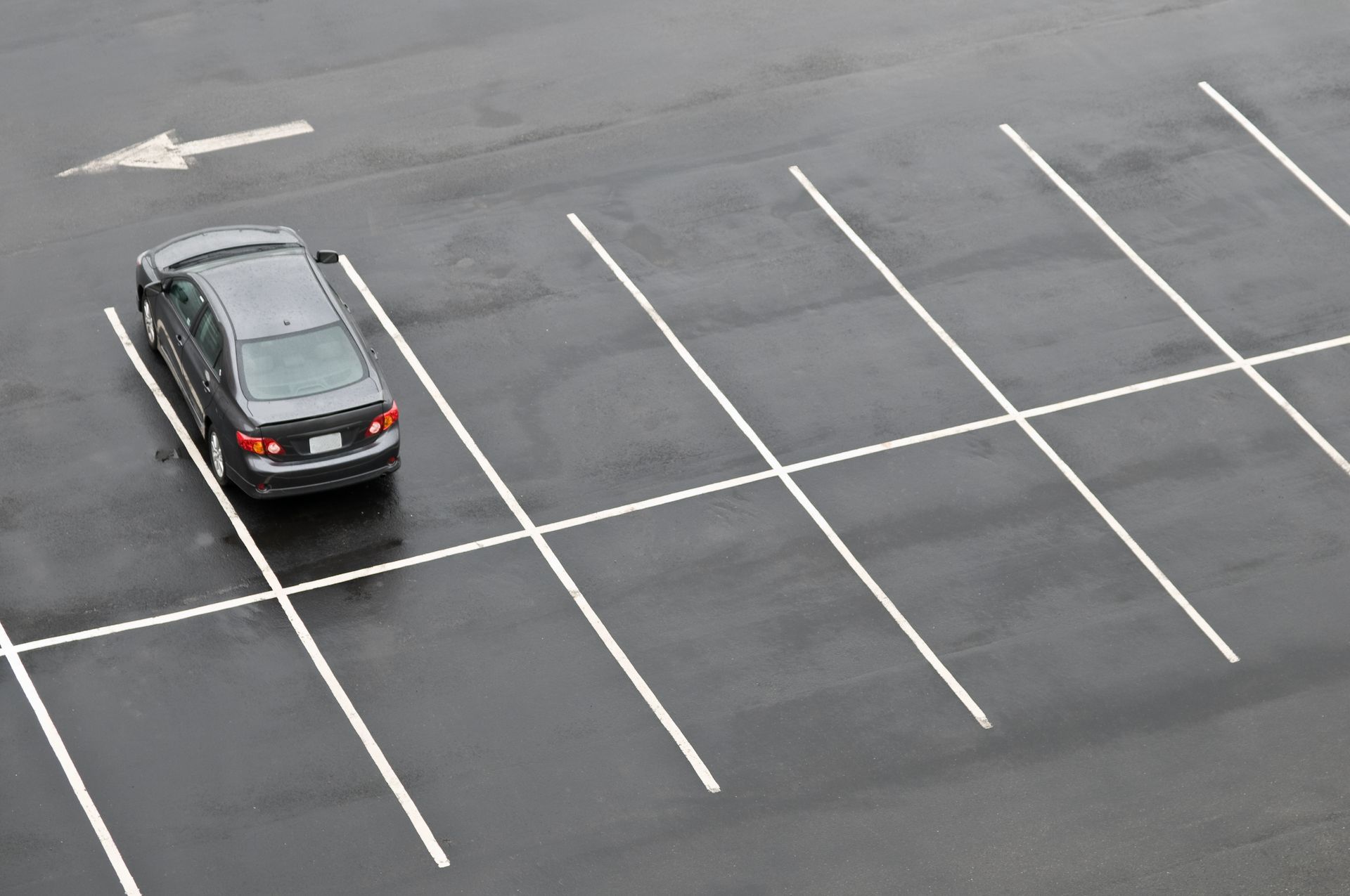
Prepare your commercial parking lot for fall and winter with this asphalt maintenance checklist for cracks, drainage, sealcoating, and striping.

How often should you sealcoat an asphalt driveway? Learn the recommended schedule, what affects timing, and signs your driveway is ready.
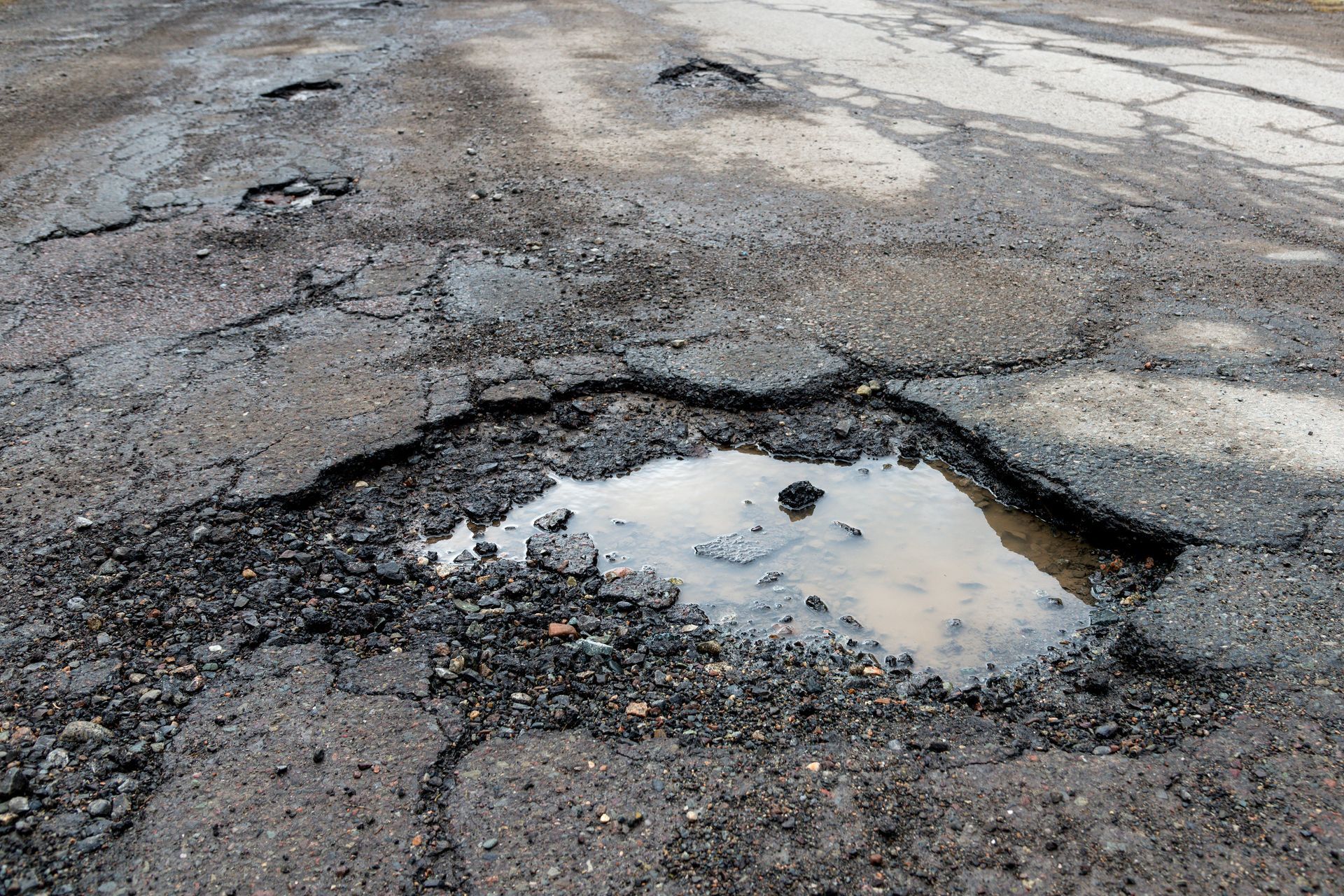
Learn how water enters asphalt cracks, why winter can make damage worse, and how crack treatment helps protect your driveway.
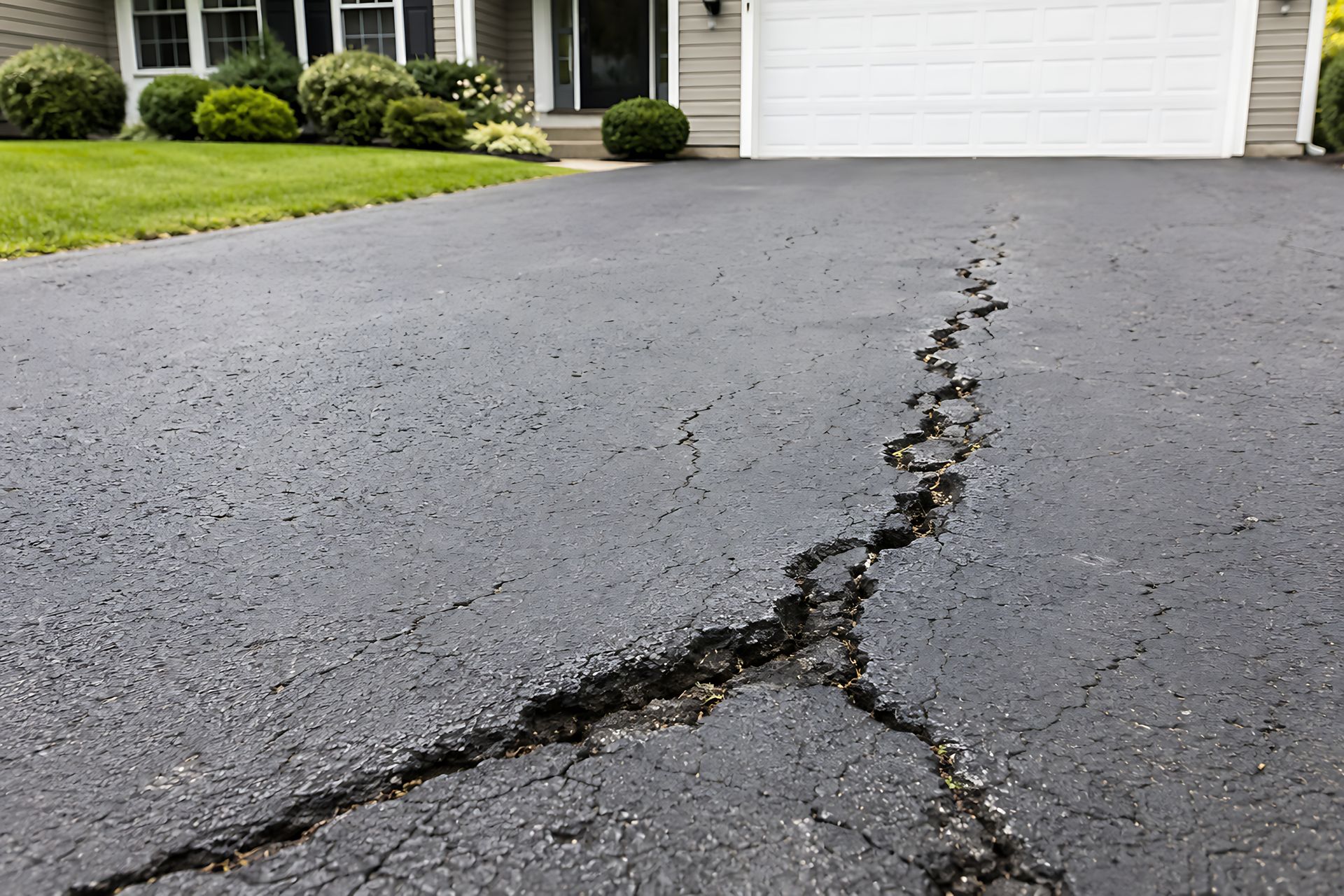
Should you sealcoat your driveway before winter? Learn how fall sealcoating can help protect asphalt from water, freezing weather, and wear.
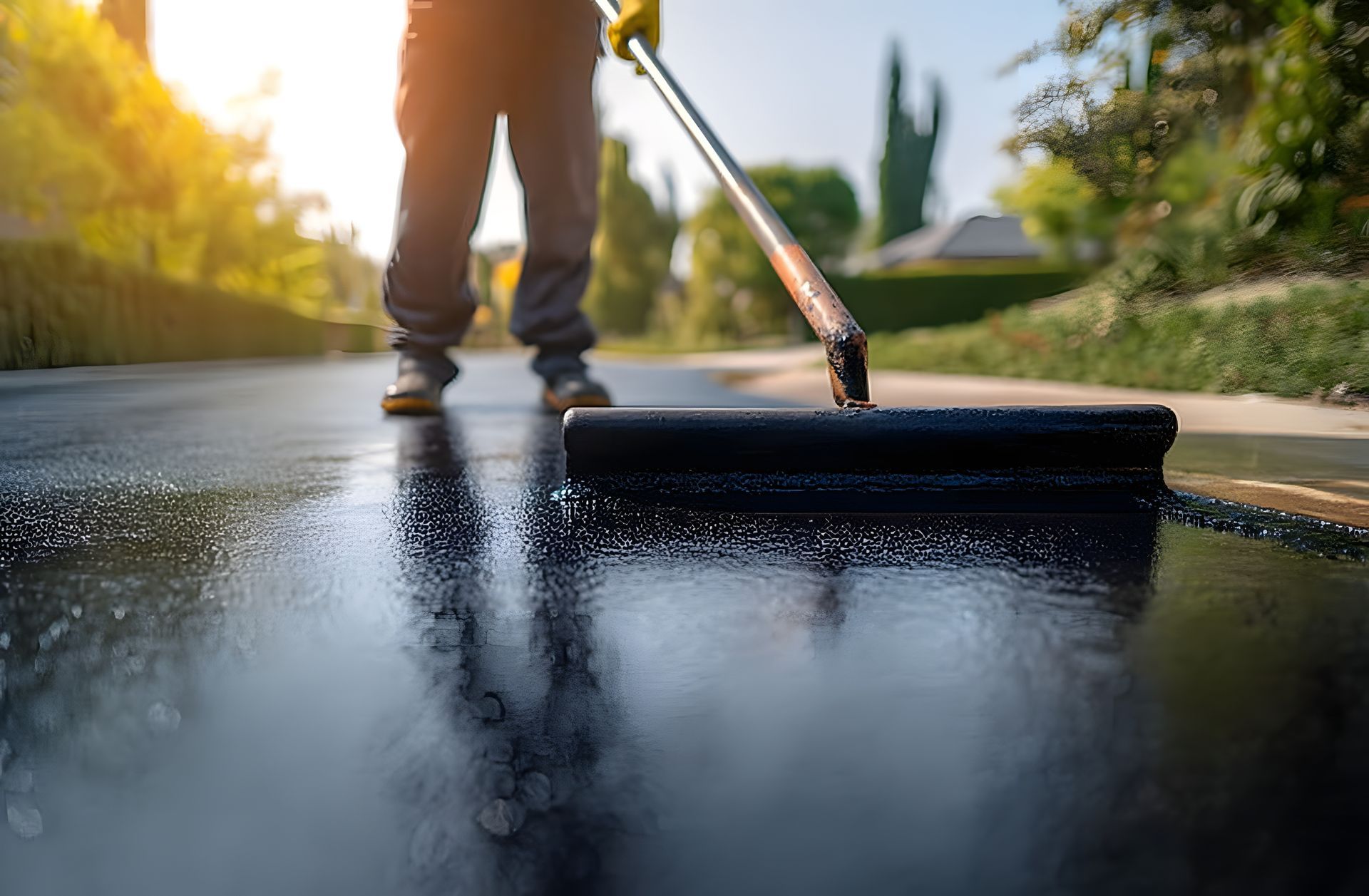
Learn what to expect from professional driveway sealcoating, including preparation, crack treatment, application, drying time, and aftercare.
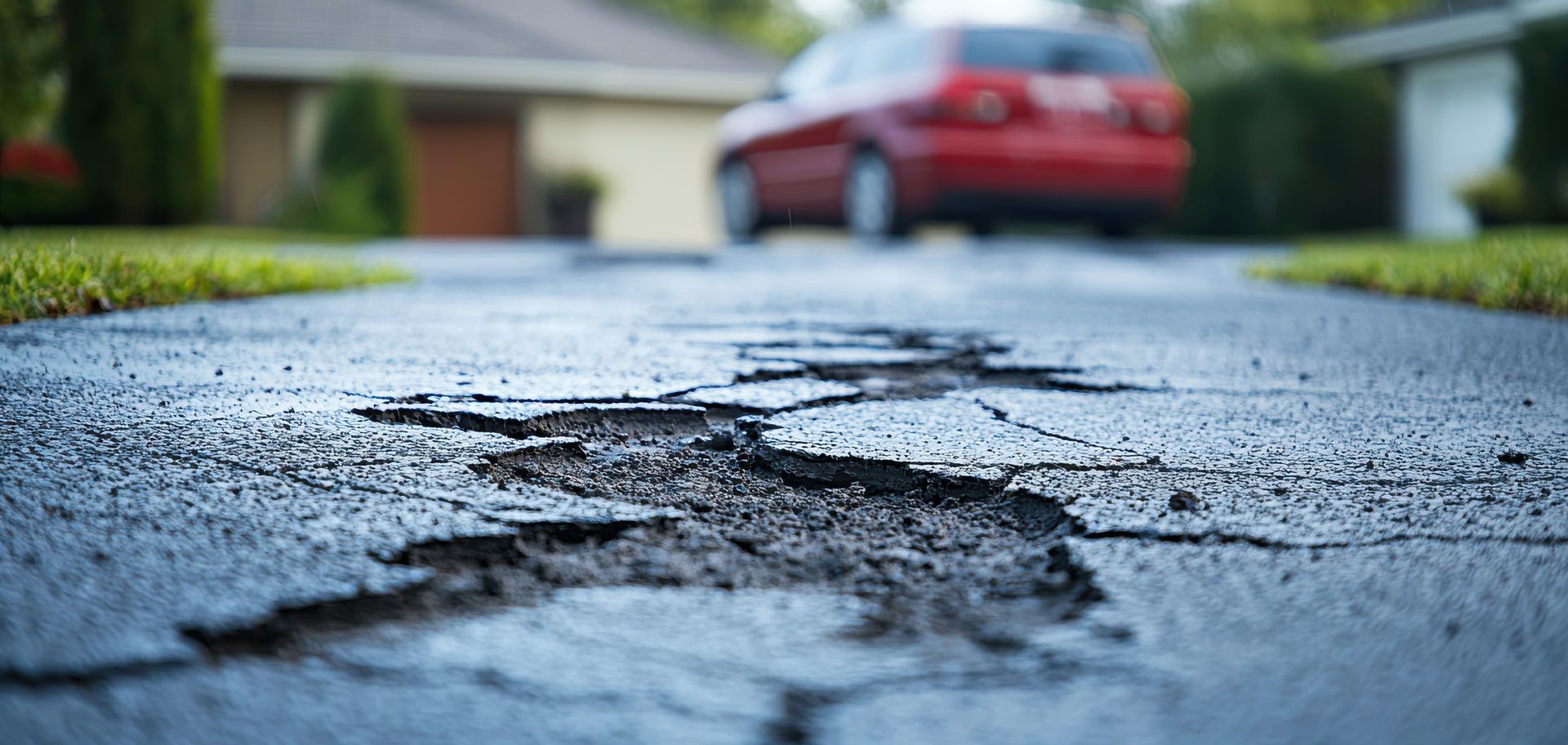
Is your asphalt too damaged for sealcoating? Learn 7 warning signs that may indicate your driveway needs repairs or repaving instead.
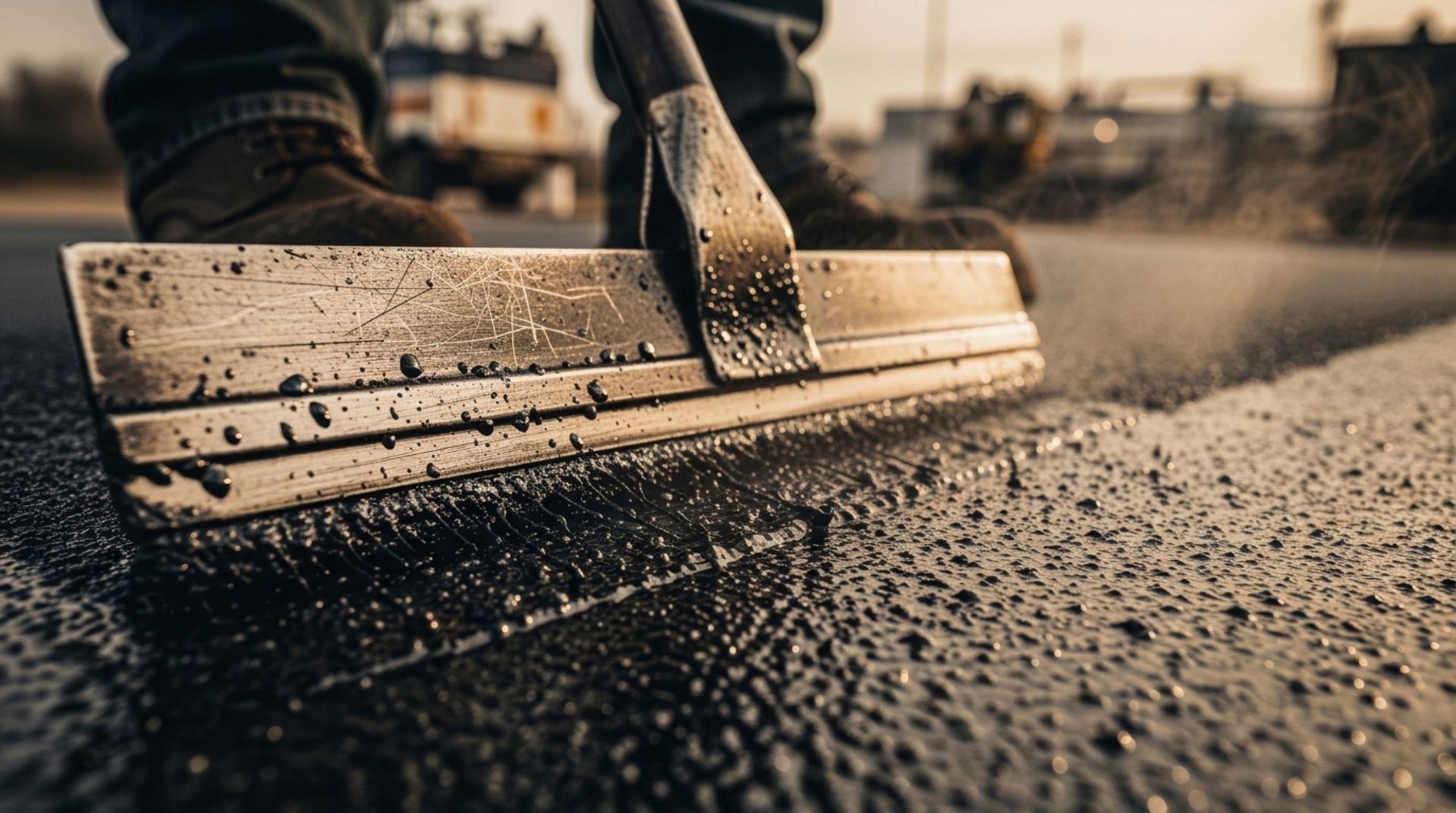
Is late summer a good time to sealcoat your driveway? Learn how weather, pavement condition, and curing time affect when to schedule service.
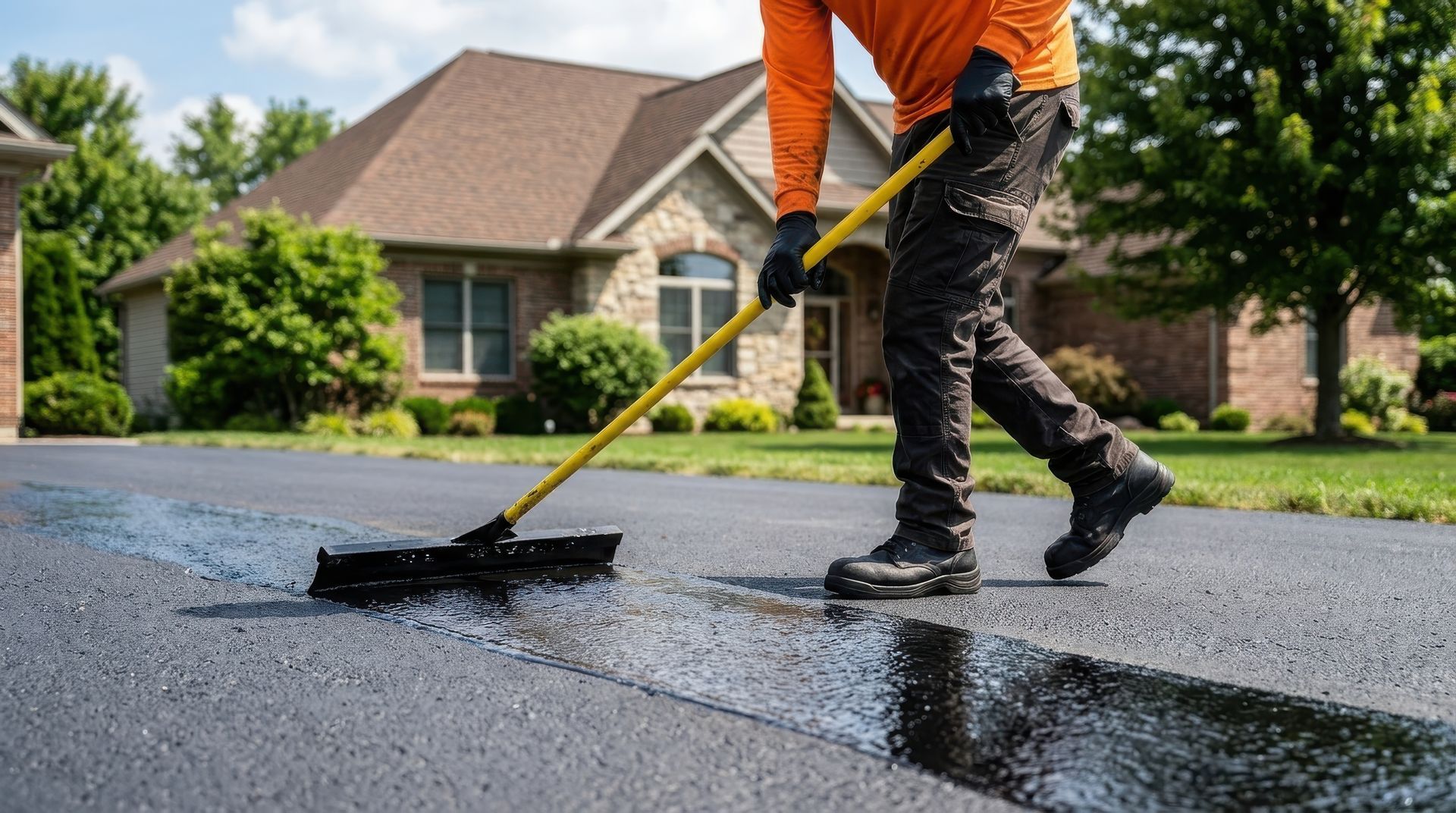
Learn what happens when asphalt goes unsealed and how sealcoating can help protect your driveway from weather, water, UV rays, and wear.

Learn why every commercial property should have a parking lot maintenance plan to extend pavement life and reduce long-term repair costs.
Learn seven common signs your commercial parking lot may need maintenance and discover how preventative pavement care helps protect your investment.