How High Temperatures Can Damage Asphalt
Asphalt, a common material for roads and driveways, is not immune to the effects of high temperatures. During the summer heat, asphalt can soften and become less durable, leading to various forms of damage.
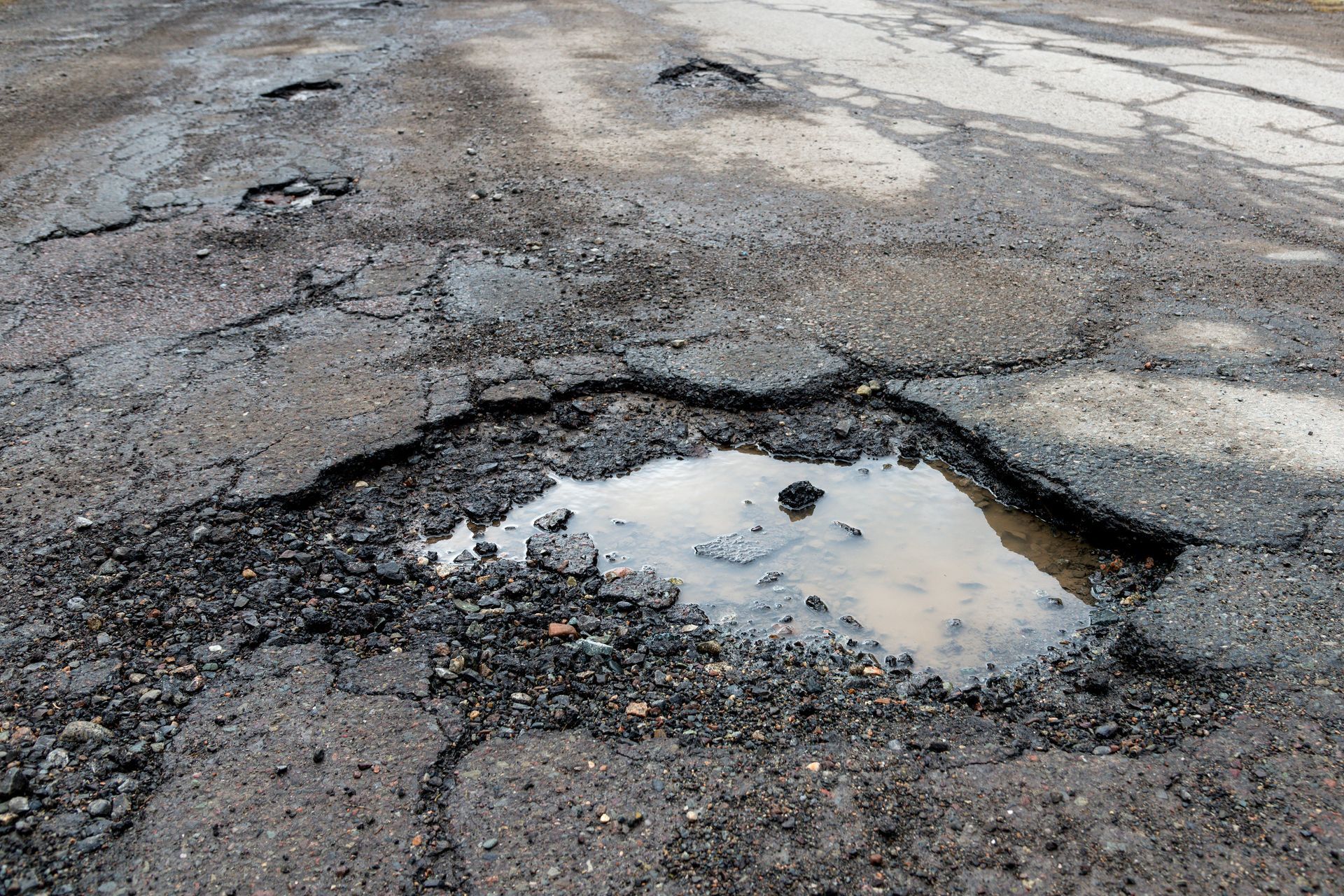
This damage can manifest as heat-induced cracks, rutting, and warping. These effects are not only unsightly but can also compromise the integrity of the pavement, posing safety risks and necessitating costly repairs.
Understanding the science behind
asphalt deterioration due to heat is crucial for city planners, civil engineers, road maintenance crews, and homeowners. It informs effective strategies for asphalt maintenance and preservation of pavement integrity.
In this article, we dive into how
high temperatures impact asphalt, the importance of regular maintenance, and ways to mitigate the effects of hot weather on roads and driveways.
The Science Behind Asphalt Softening
Asphalt is a mixture of aggregates bound together by a bituminous binder. When exposed to high temperatures, this binder can soften, reducing the overall strength of the asphalt. This phenomenon, known as asphalt softening, makes the pavement more susceptible to deformation under heavy traffic.
Moreover, the evaporation of essential oils from the asphalt surface can increase its brittleness. This loss of flexibility, coupled with the softening of the binder, can lead to accelerated asphalt deterioration during hot weather.
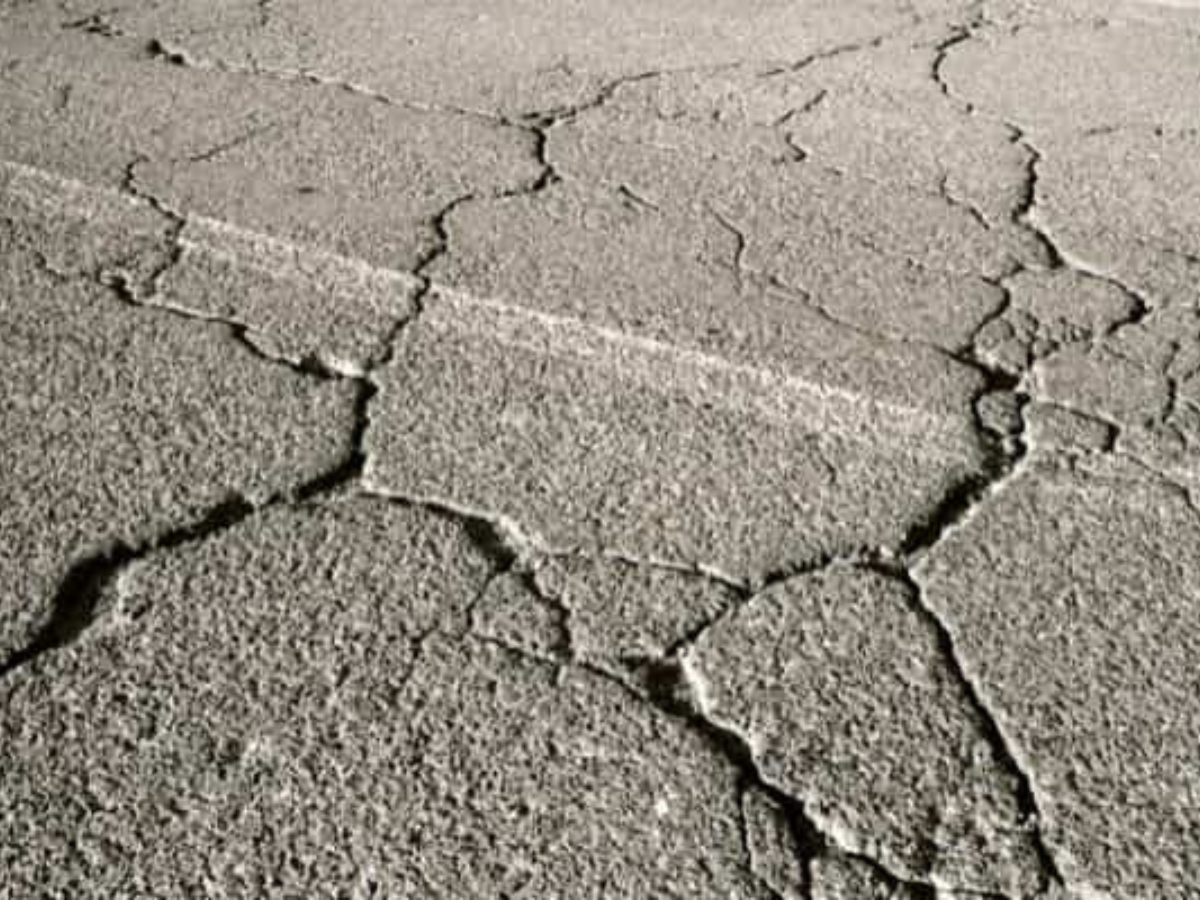
Photo By: Paveman Pro
Heat-Induced Cracks and Asphalt Deterioration
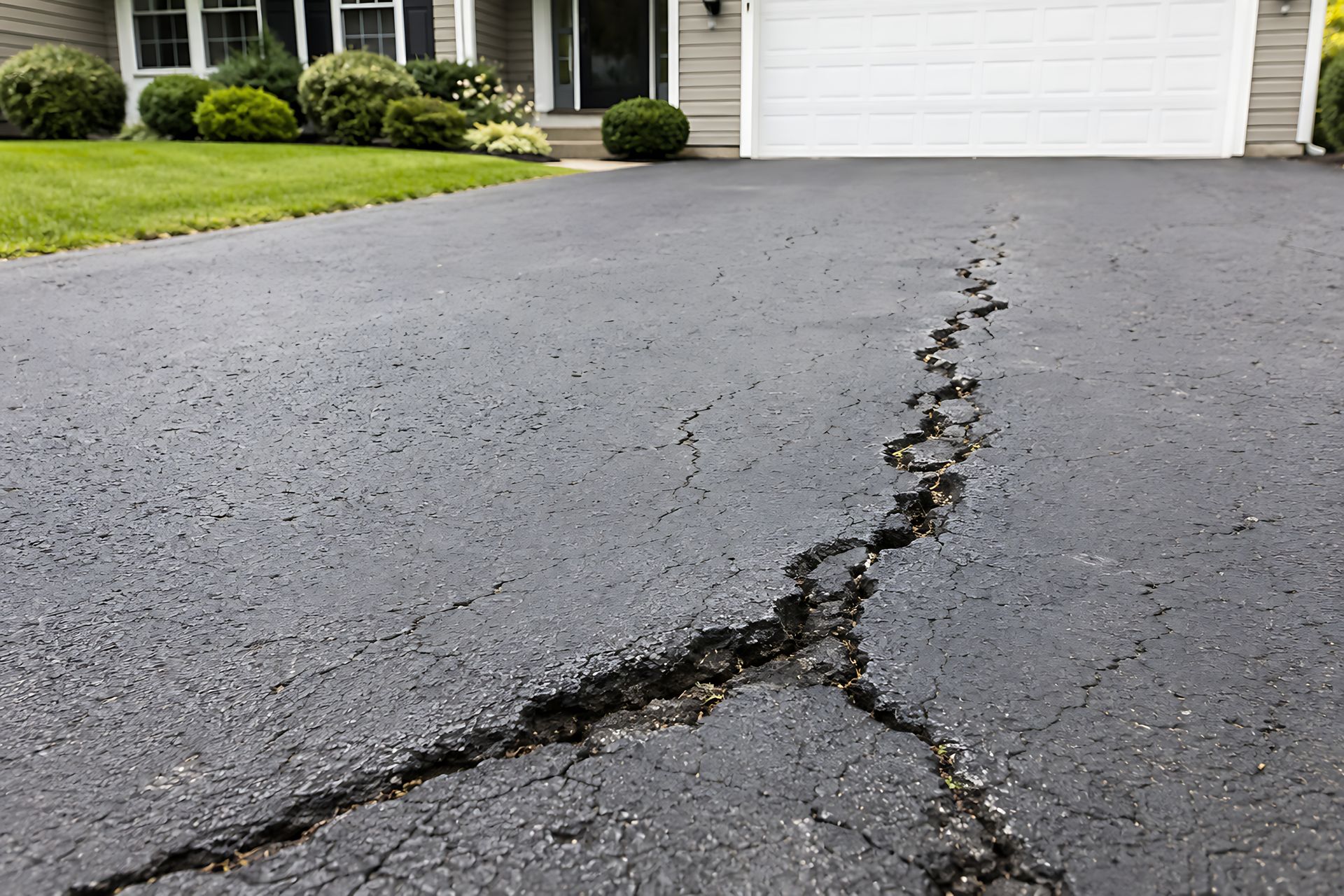
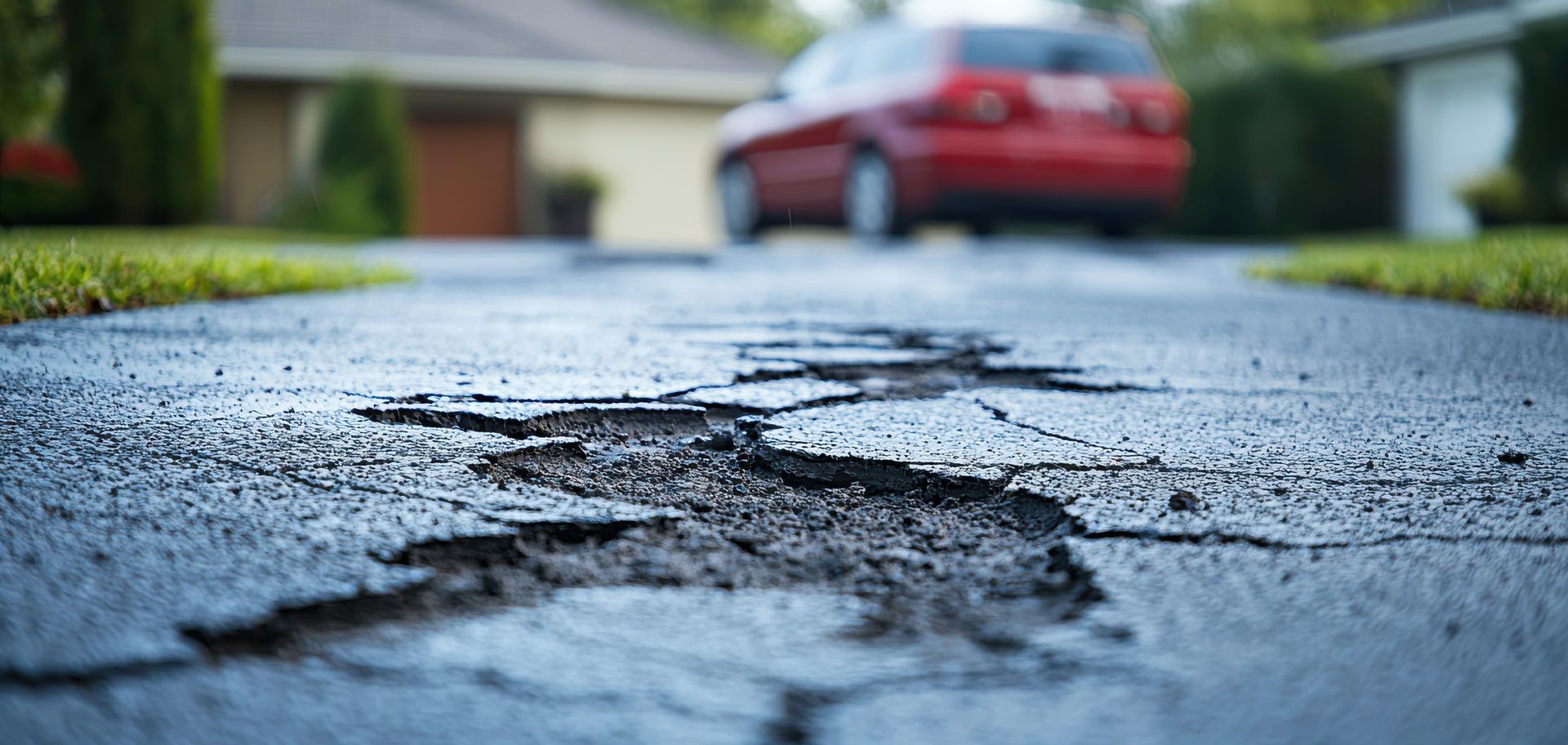
High temperatures can cause asphalt to expand and contract. This thermal movement often results in heat-induced cracks, especially if the asphalt is already weakened due to softening. These cracks can allow water to penetrate the pavement, leading to further damage.
Moreover, prolonged exposure to
high temperatures can accelerate asphalt deterioration. The surface may show signs of rutting and warping, which are typical summer heat effects on asphalt. This deterioration compromises the pavement's integrity and requires immediate attention.
Climate Impact on Roads During Summer Heat
The climate has a significant impact on roads, with hotter summers posing a greater risk. The urban heat island effect, where urban areas are significantly warmer than their rural surroundings, can exacerbate temperature-related asphalt damage.
Furthermore,
climate change is expected to increase the frequency and intensity of extreme heat events. This will put additional stress on the pavement, affecting its integrity and lifespan.
Maintaining Pavement Integrity Through Asphalt Maintenance
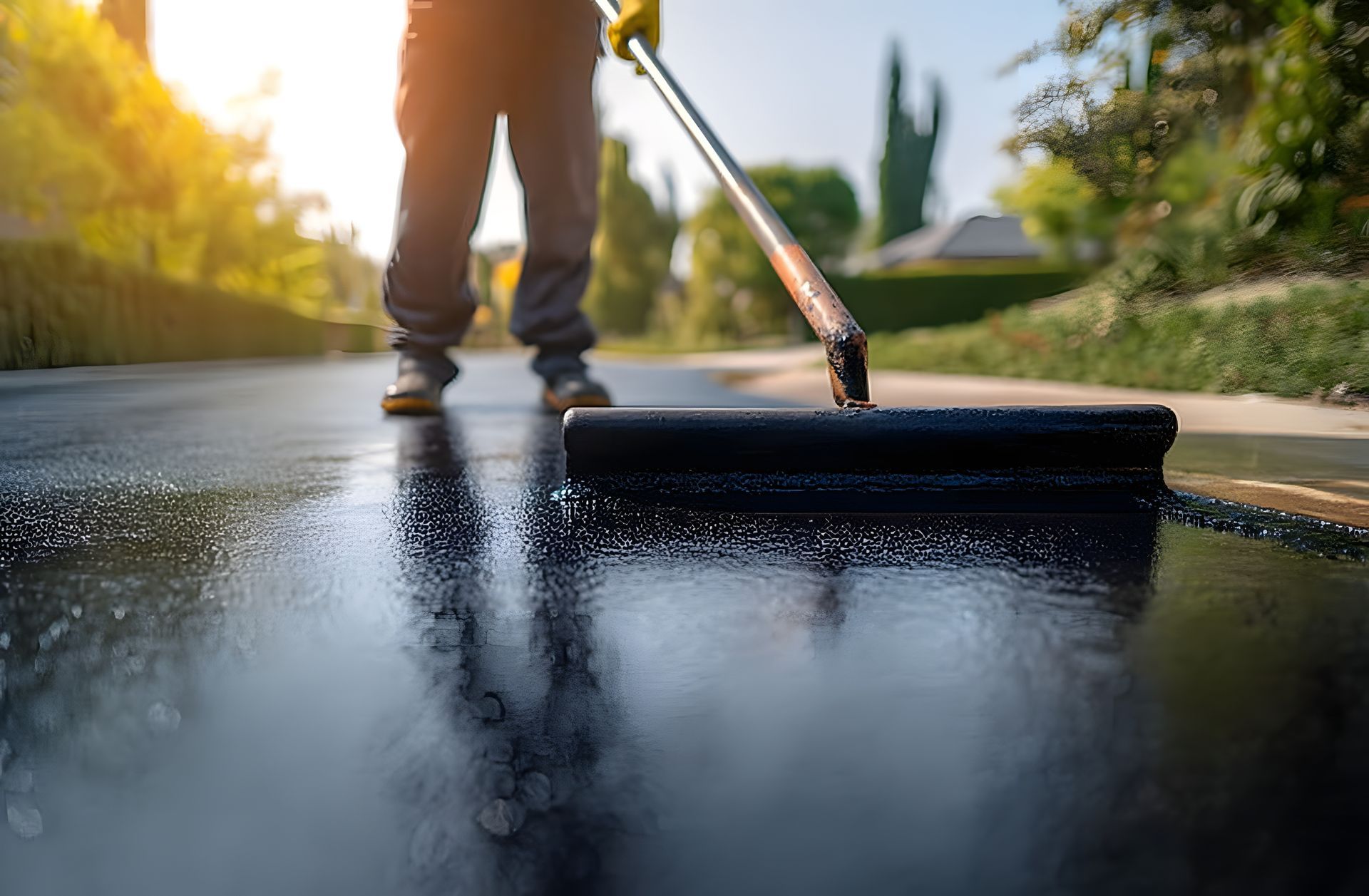
Asphalt maintenance is crucial to extend the lifespan of pavement. Preventative measures such as seal coating and timely repairs of small cracks can help preserve the integrity of the pavement.
Properly maintained asphalt can better withstand the effects of hot weather. Regular inspections can identify early signs of heat-induced damage, allowing for prompt intervention.
The cost of repairing
heat-damaged asphalt can be significantly higher than regular maintenance. Therefore, proactive maintenance is not only beneficial for the pavement's longevity but also cost-effective in the long run.
Mitigating the Effects of High Temperatures on Asphalt
There are several strategies to mitigate the effects of high temperatures on asphalt. The use of high-quality asphalt mixtures with temperature-resistant properties is recommended. Reflective coatings and lighter-colored surfaces can also help to reduce some of the heat effects.
Engineering solutions such as geotextiles and thicker layers may improve resistance to high temperatures. Additionally, traffic management during peak heat hours can reduce the stress on hot asphalt, further preserving its integrity.
Conclusion
At NextGen Great Sealcoating, we provide exceptional sealcoating services for residential and commercial properties. Our commitment to quality ensures that your asphalt surfaces are protected from the damaging effects of high temperatures. Whether it's a driveway, parking lot, or road, our tailored solutions maintain the integrity of your surfaces.
With advanced techniques and high-quality materials, our experienced team delivers superior results that exceed expectations. Choose NextGen Great Sealcoating for reliable and durable sealcoating solutions that enhance the longevity and aesthetics of your
asphalt surfaces.
Experience the difference with NextGen Great Sealcoating. Contact us today to safeguard your asphalt against the impact of hot weather and preserve its integrity for years to come.