Commercial Parking Lot Preservation: Maximizing Real Estate Asset ROI with Strategic Maintenance
When commercial property owners, asset managers, and real estate investors evaluate their most valuable holdings, they naturally focus on architectural structures, high-end tenant improvements, net operating income (NOI), and occupancy rates. Yet one of the largest, most critical, and highly visible capital assets on any commercial parcel is frequently relegated to an afterthought: the exterior asphalt parking deck.
A pristine, structurally sound parking surface does far more than simply provide a designated grid for customer and tenant vehicles. It anchors your property's overall curb appeal, mitigates severe premises liability risks, drives client satisfaction, and directly preserves the baseline valuation of the real estate. Unfortunately, many stakeholders delay essential upkeep until extensive structural failures become impossible to ignore. By that point, the required remediation has usually evolved into invasive, budget-crushing capital expenses. Transitioning to a proactive program for commercial parking lot maintenance allows owners to optimize their long-term return on investment, maximize pavement longevity, and avoid premature total system replacement.
Your Parking Lot Is a Capital Asset, Not a Line-Item Expense
A common mistake within commercial property management is viewing pavement care through the lens of short-term, reactive operating expenses. Pavement structures must be managed precisely like roofing systems, HVAC chillers, and building envelopes. Without a systematic, preventative framework, your asphalt is in a perpetual state of environmental decay.
The moment fresh hot-mix asphalt is laid and compacted, it begins battling destructive forces. Solar UV radiation aggressively bakes out the volatile bitumen oils that give the surface its flexible, structural elasticity. Simultaneously, constant heavy vehicle traffic, weight-bearing commercial delivery loads, pooling stormwater, and corrosive petroleum fluid leaks work in tandem to accelerate molecular binder breakdown. Implementing routine, strategic asphalt maintenance shields your asset from this inevitable decay, locking in vital binder oils and ensuring the pavement structural matrix remains strong over decades of continuous service.
First Impressions Dictate Tenant Retention and Brand Authority
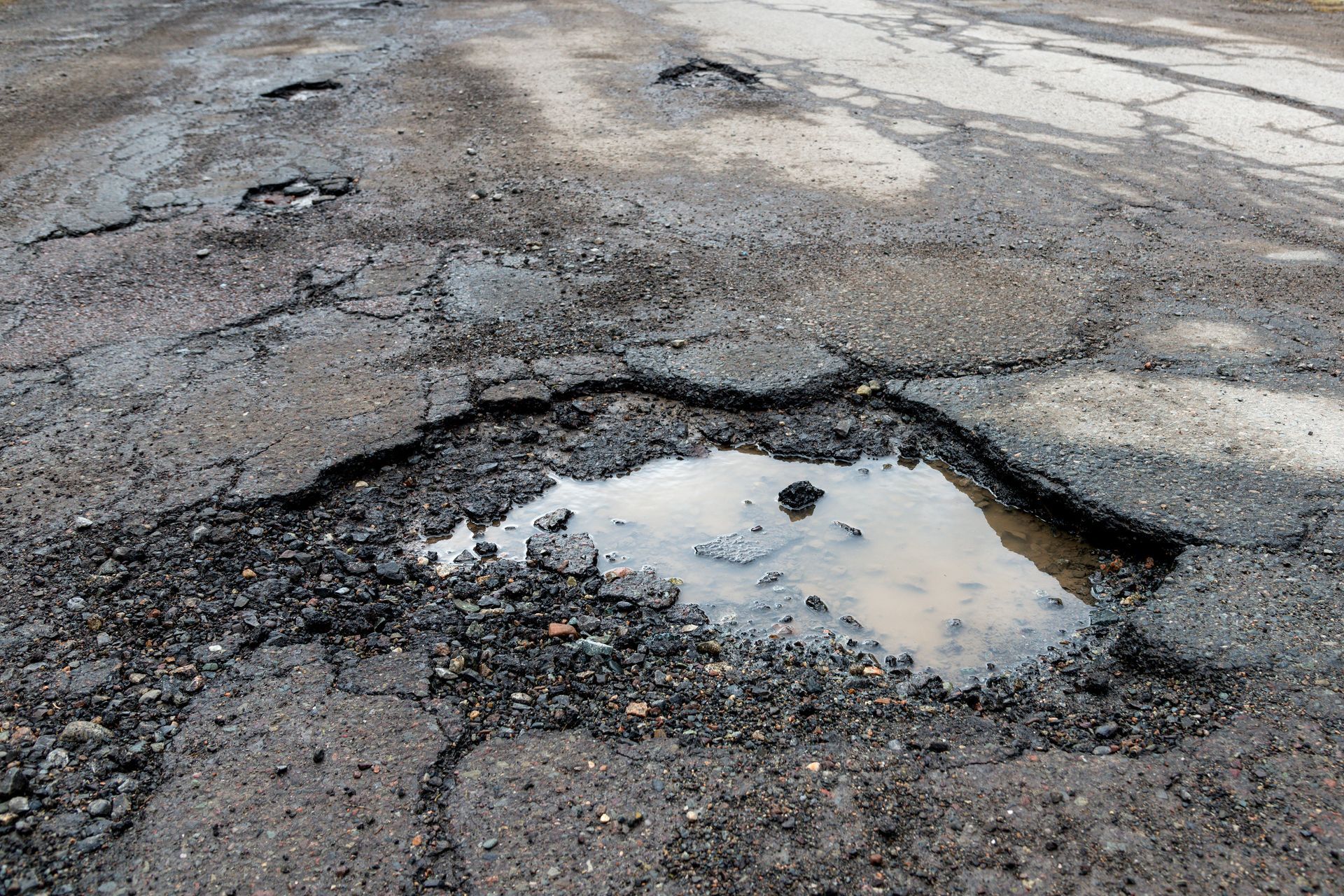
For customers, executive tenants, visiting investors, and prospective business clients, your parking lot acts as the definitive handshake of your enterprise. It is the very first touchpoint they experience when arriving at your location. Deeply faded line markings, crumbling transition joints, and jagged potholes send an immediate, subconscious message before a visitor ever steps through your front lobby doors.
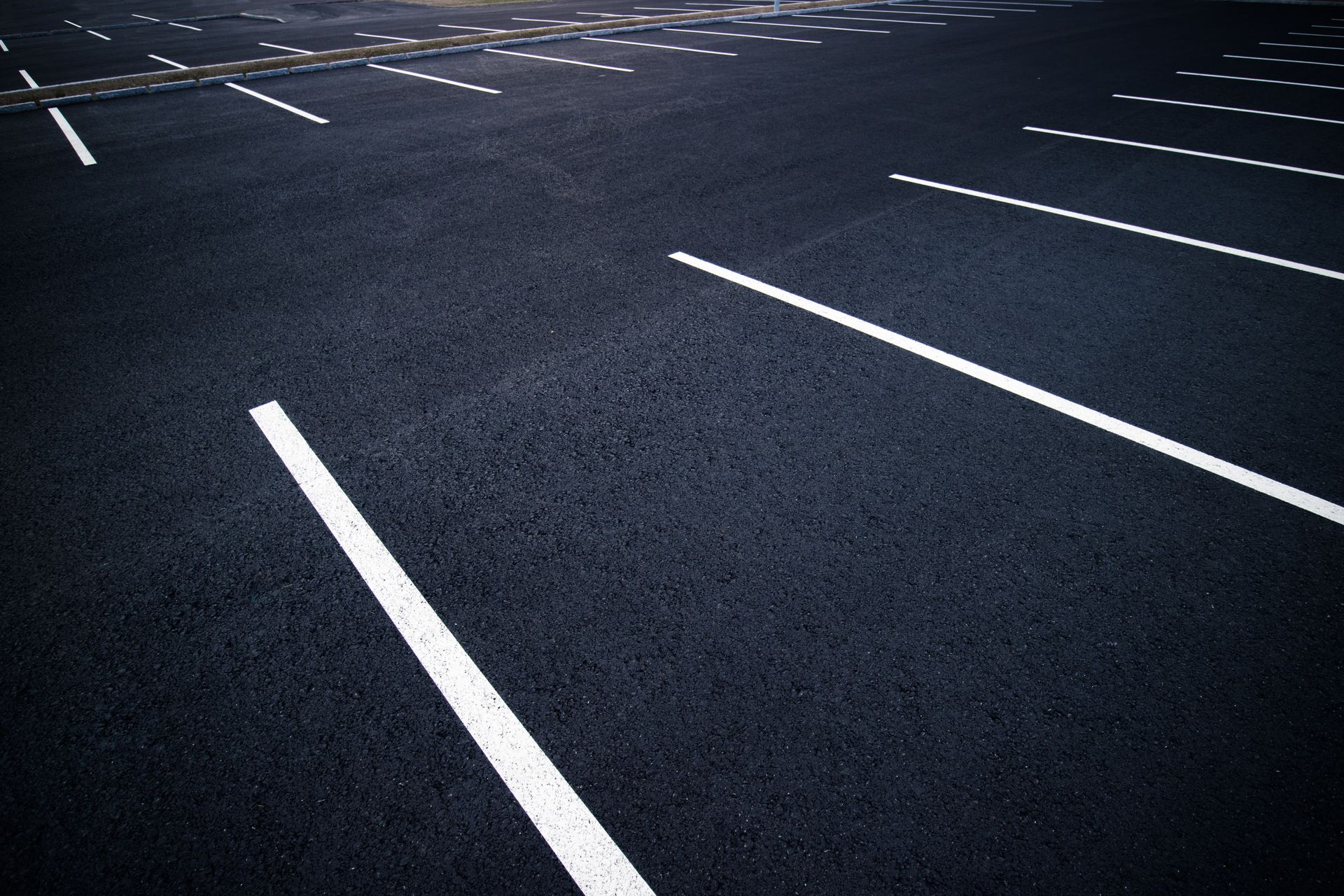
A neglected, deteriorating lot signals a lack of professional oversight, which can negatively impact tenant retention rates and lower your commercial leasing power. Conversely, a smooth, deep-black parking deck featuring razor-sharp traffic markings communicates absolute professionalism, a commitment to public safety, and pride of ownership. This enhanced aesthetic presentation is an invaluable tool for retail centers, corporate offices, and medical facilities looking to capture premier market leasing rates.
The Financial Realities of Deferred Maintenance vs. High ROI Care
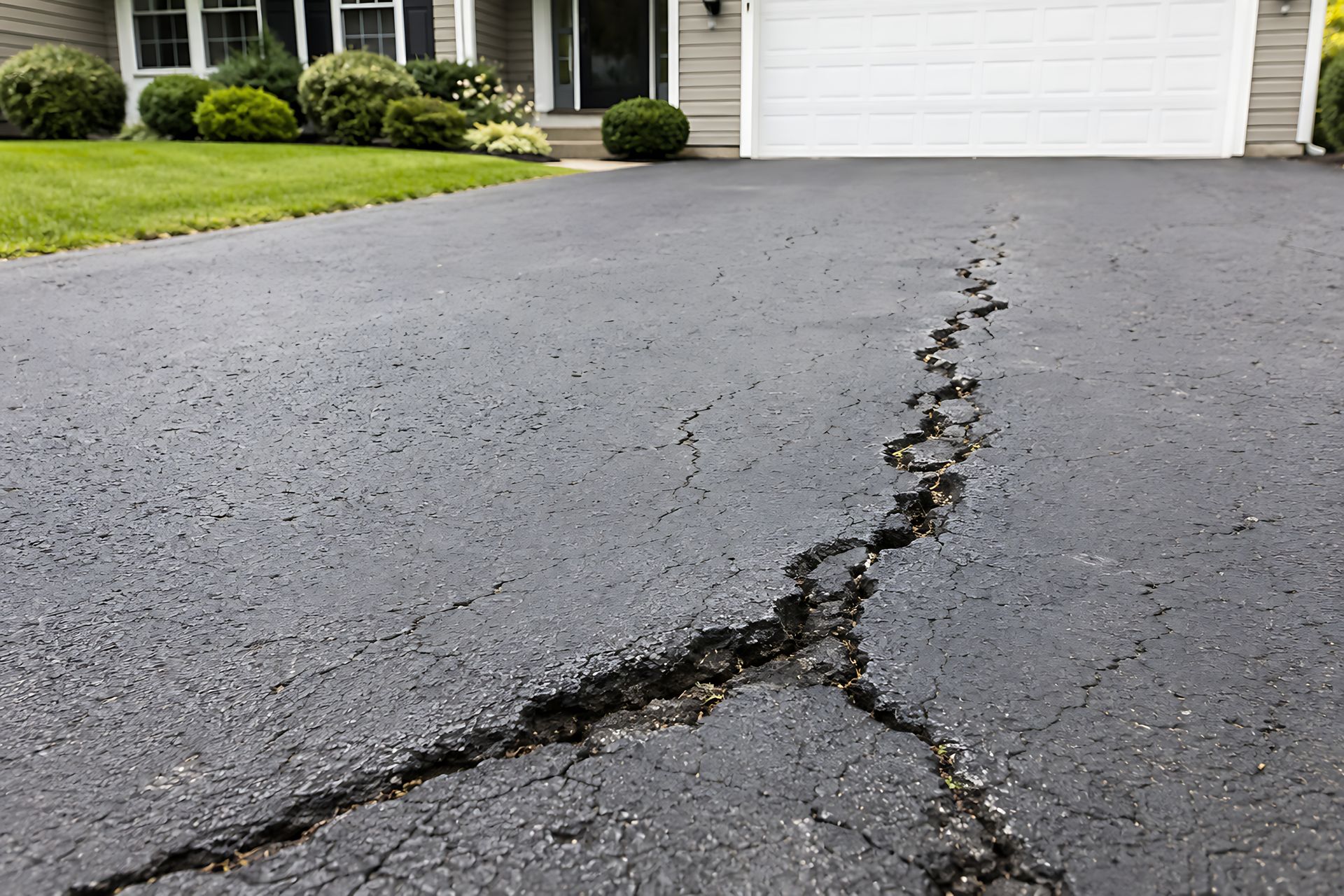
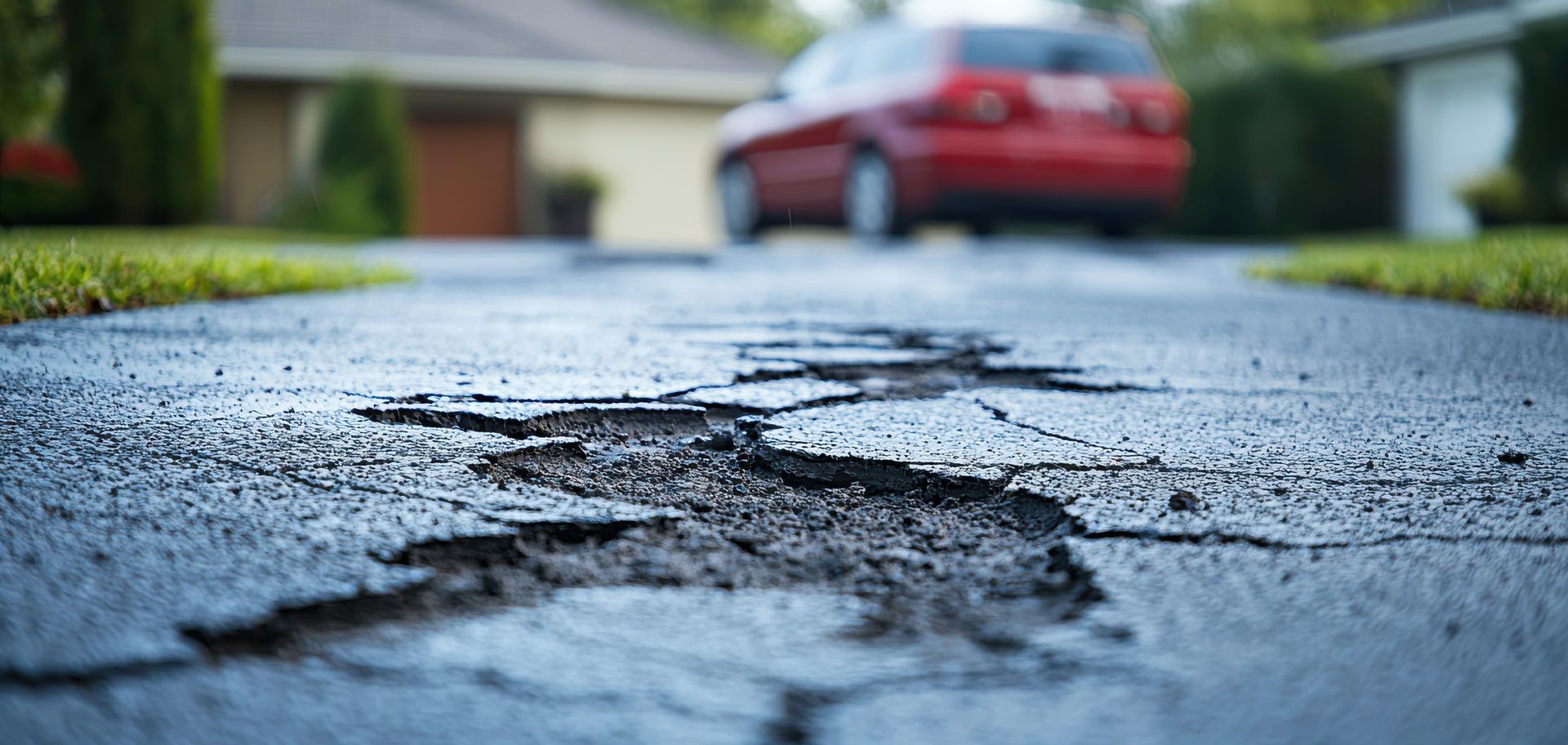
The financial trajectory of commercial asphalt is highly predictable. Pavement degradation is never linear; it compounds exponentially the longer the surface remains unprotected. What begins as a collection of minor hairline fractures in the top wearing course can rapidly transform into wide, unmanageable gaps.
When property managers opt for deferred maintenance, they are actively choosing the most expensive path to asset management. Unsealed cracks permit stormwater to seep directly past the surface layer into the compacted aggregate sub-base. Once that sub-base becomes saturated, it loses its structural load-bearing capacity, causing the asphalt above to sag, buckle, and fracture under traffic weight. This structural failure leads to costly deep-cut patching, full-depth reclamation, or total pavement replacement. Utilizing preventative parking lot maintenance services costs a fraction of the price of structural paving, yielding an exceptional return on investment by doubling the operational lifecycle of the existing surface.
The Core Defensive Strategy: Commercial Sealcoating and Crack Sealing
The cornerstone of any high-ROI pavement preservation blueprint relies on two highly effective, non-invasive maintenance procedures:
Commercial Sealcoating Application
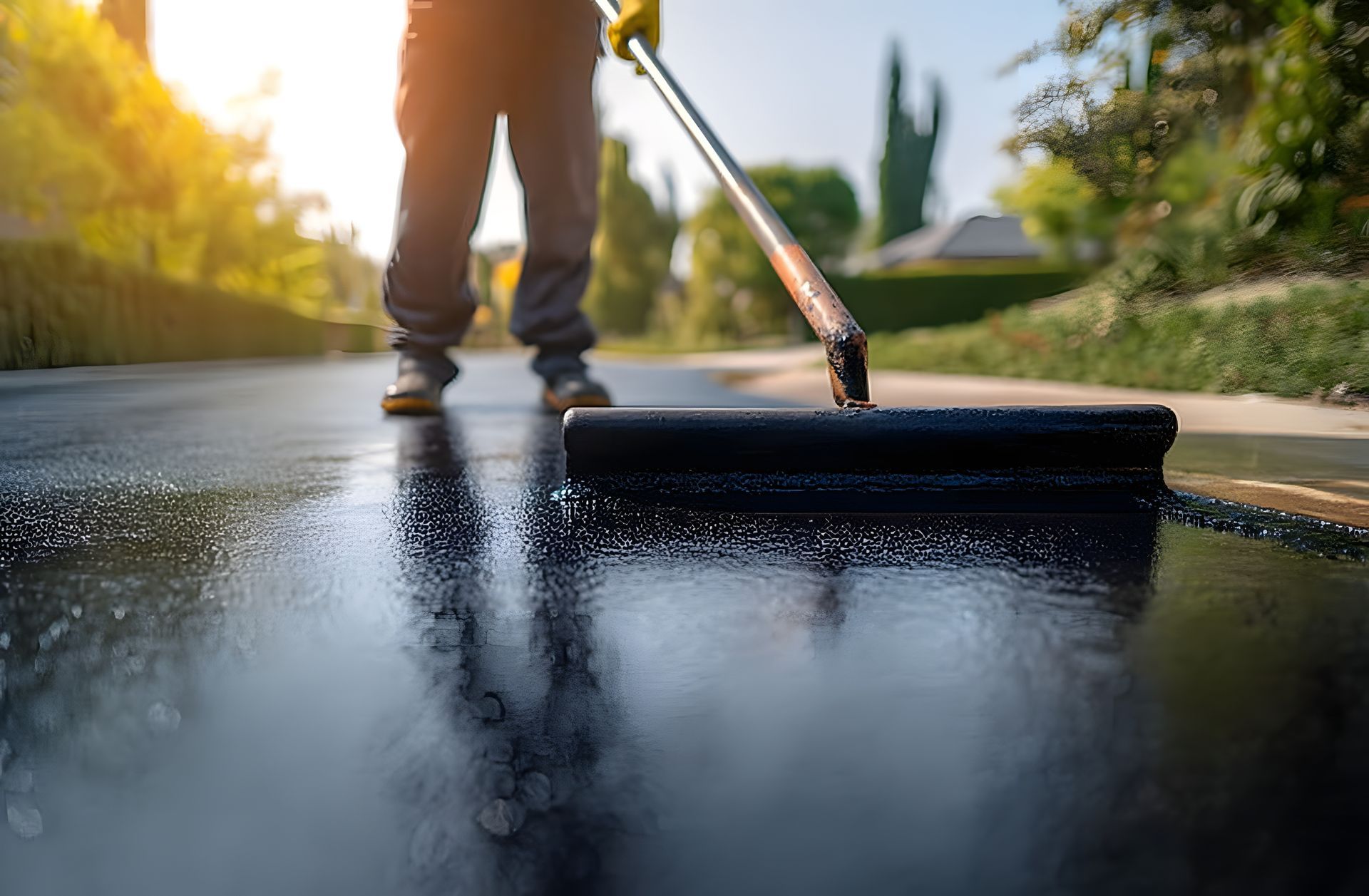
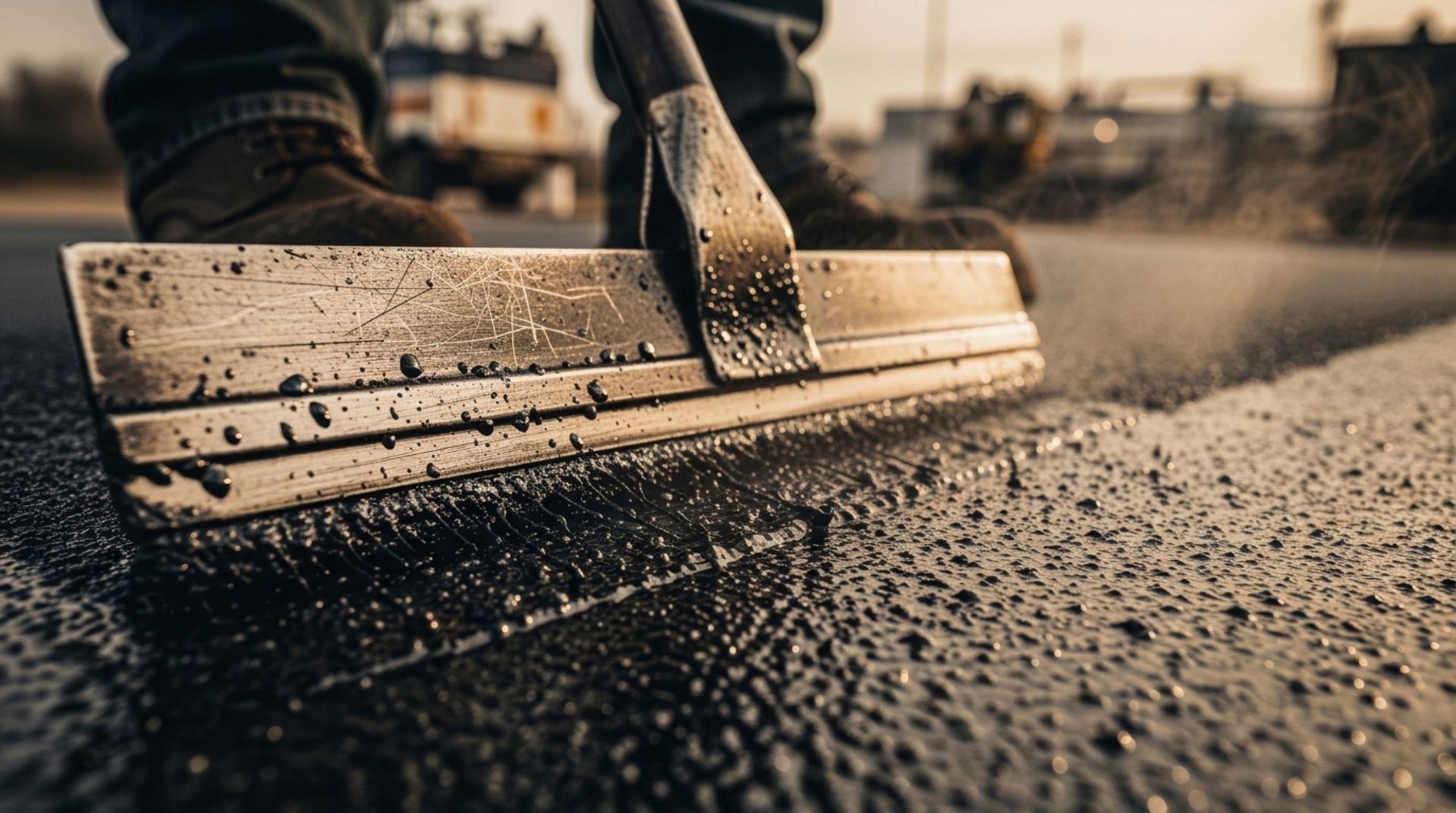
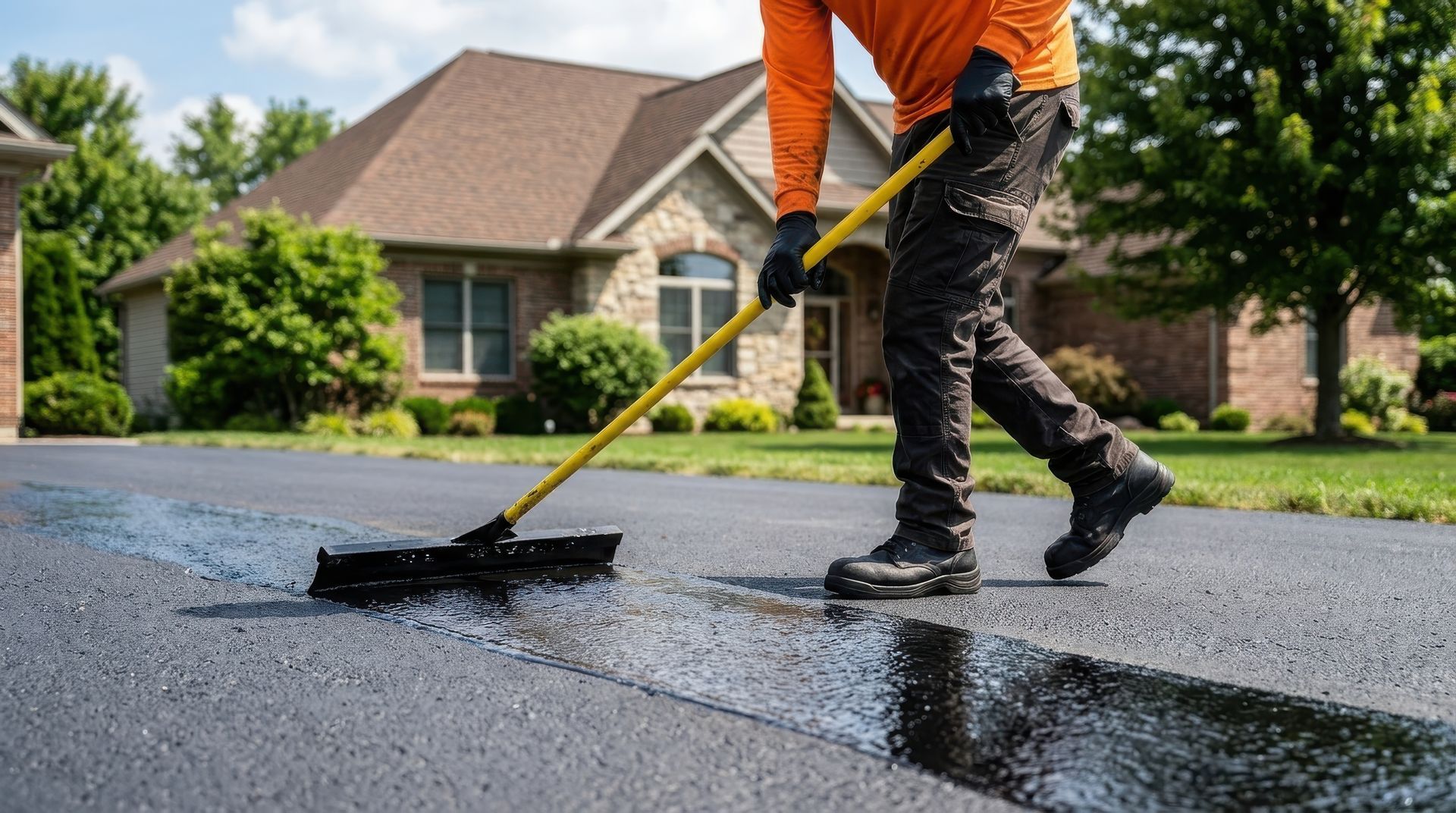
Applying high-performance commercial sealcoating functions as an impermeable, protective top coat across your entire asset. This specialized emulsion delivers complete UV defense, seals microscopic surface pores against fluid absorption, and isolates the aggregate matrix from corrosive chemical spills like motor oil and gasoline. Beyond this structural shield, a fresh coat restores a rich, charcoal-black finish that immediately modernizes your property's exterior presentation.
Precision Industrial Crack Sealing
Asphalt naturally expands and contracts alongside shifting seasonal temperatures, which inevitably leads to stress fracturing. Routine crack sealing involves routing out these newly formed openings and hot-injecting a highly flexible, rubberized polymer sealant directly into the gap. This rubberized bond stretches dynamically during freezing weather, preventing stormwater from penetrating your base layers and stopping the development of deep potholes before the next freeze cycle hits.
Parking Lot Striping for Total Safety and Regulatory Compliance
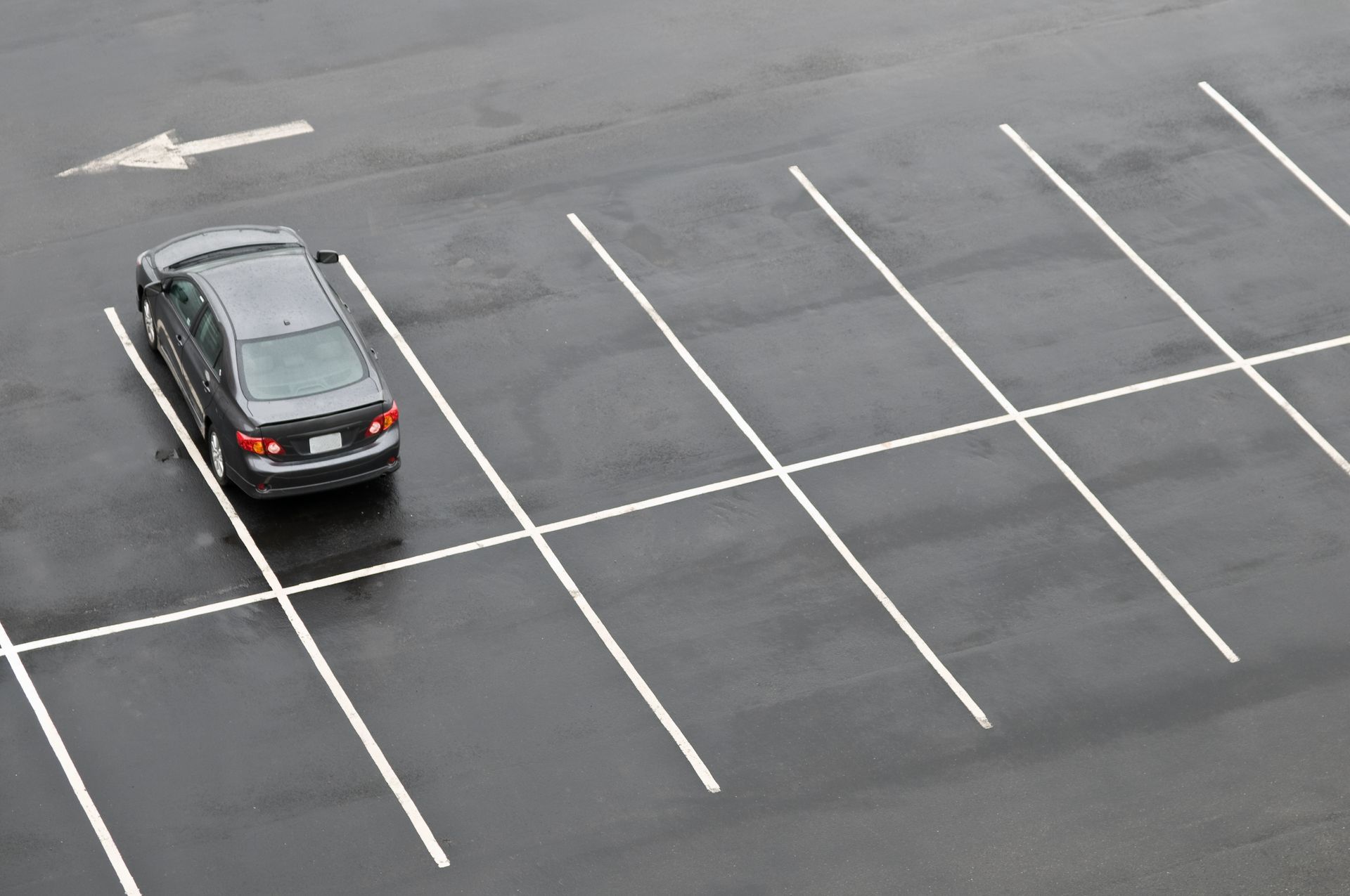
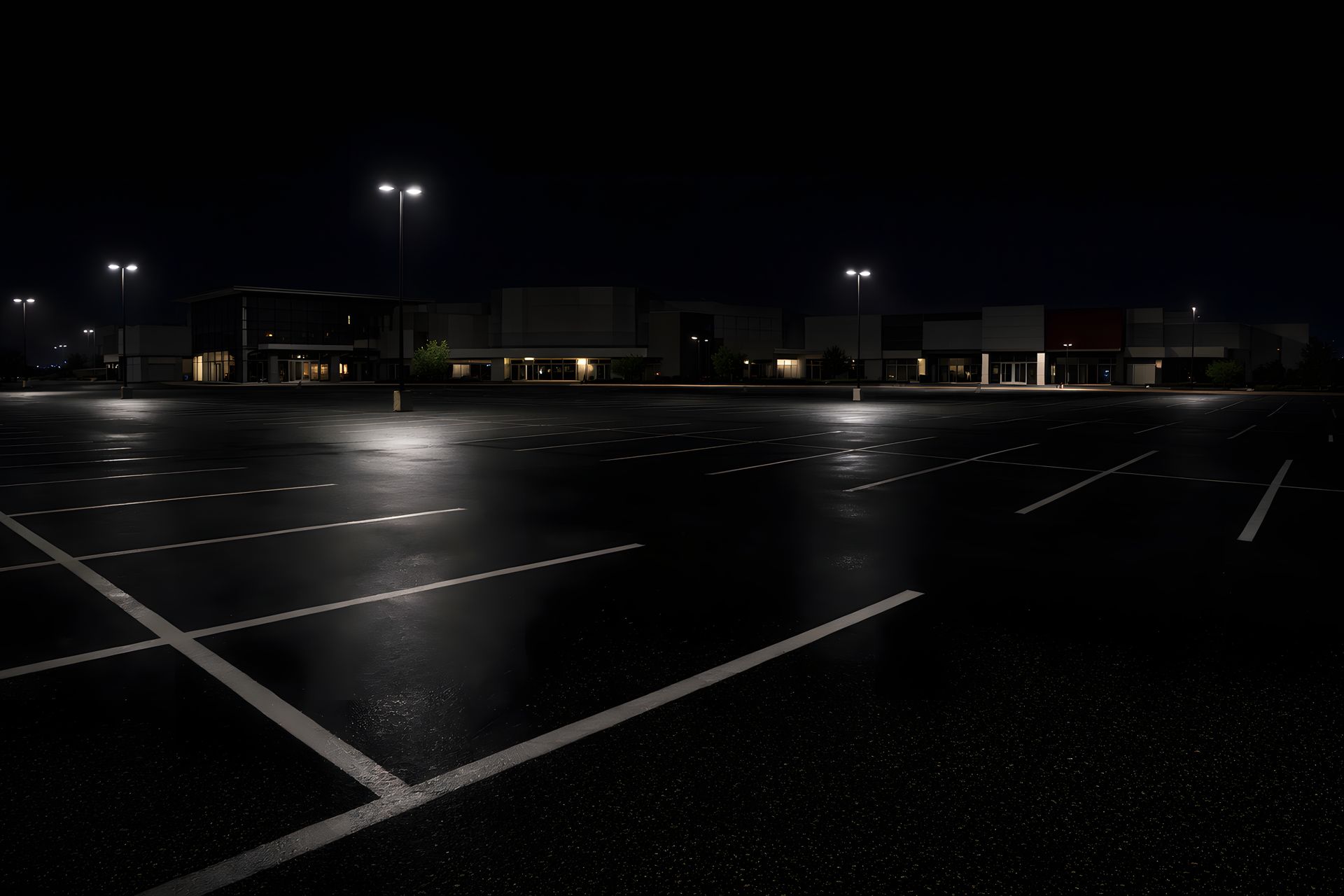
Comprehensive asset preservation extends past structural pavement protection. Maintaining clear, bright lane configurations through professional parking lot striping is an essential operational requirement for any commercial property open to the general public. Over time, heavy daily tracking and weather exposure naturally dull your stall lines, directional arrows, and safety markings.
Frequent, professional restriping ensures seamless traffic flow, maximizes your total parking stall efficiency, and drastically minimizes the risk of low-speed vehicular collisions or pedestrian accidents on your premises. Furthermore, pristine layout design ensures full compliance with local building codes, fire lane accessibility mandates, and federal Americans with Disabilities Act (ADA) guidelines. Proactively managing your line markings protects your business from expensive regulatory fines and shields your enterprise from devastating personal injury litigations.
Secure Your Commercial Asset with NextGen Great Sealcoating
The most profitable time to protect an asphalt asset is long before visible structural failure takes place. Waiting until your parking stalls are covered in loose aggregate and deep fractures means you are paying for emergency repairs rather than affordable preservation. Partnering with a fully insured, commercially equipped team allows you to manage your real estate assets strategically, protect your tenants, and keep your long-term capital improvement budgets predictable.
At NextGen Great Sealcoating, we specialize in maximizing property performance through engineered commercial pavement care. Our experienced crews utilize commercial-grade materials, advanced mechanical crack-routing systems, and high-precision striping layouts to deliver a beautiful, long-lasting finish that can handle heavy traffic. Protect your real estate investments and upgrade your curb appeal. Visit our website today to request a commercial sealcoating estimate to secure a comprehensive pavement audit and let our team protect your asset for the long haul.
Why is preventative commercial parking lot maintenance considered a high-ROI strategy?
Preventative care is highly profitable because it stops water infiltration and UV oxidation before they can compromise your sub-base foundation. Spending a fraction of your budget on regular surface treatments allows you to avoid full pavement replacement, significantly lowering your total cost of ownership.
How does commercial sealcoating extend the real-world lifespan of asphalt?
A professional sealcoat acts as a defensive barrier that shields the pavement from harmful solar radiation, water penetration, and chemical breakdown caused by automotive fluids. This keeps the asphalt flexible and stops it from becoming brittle and cracking under vehicle weight.
What are the primary operational risks of ignoring minor parking lot cracks?
When surface cracks are left unsealed, they allow rain and melting snow to pool in the underlying stone base. This moisture softens the foundation support, which directly leads to alligator cracking, deep depressions, and costly potholes when heavy vehicles pass over the weakened zones.
How frequently should a high-traffic commercial lot update its parking lot striping?
For busy retail centers, corporate parks, and industrial facilities, restriping should be performed every twelve to twenty-four months. Keeping line markings bright ensures clear traffic flow, maximizes parking stall capacity, and guarantees continuous compliance with regional codes and ADA mandates.
Can a parking lot preservation plan help improve my commercial property valuation?
Yes, absolutely. A well-maintained, deep-black parking surface heavily updates the first impressions of prospective buyers and tenants, reduces immediate capital expenditure liabilities, and supports higher tenant lease rates, which boosts your overall property valuation.