Squeegee vs. Spray: Why Manual Squeegee Application Provides a Deeper, Better Bond
Not all sealcoating applications are created equal.
To most homeowners, fresh sealcoating simply looks like a dark black finish spread across asphalt. But behind the appearance, the application method itself can significantly affect durability, coverage, longevity, and overall pavement protection.
One of the biggest debates in the sealcoating industry comes down to two application methods:
- spray application
- manual squeegee application
While both methods have their place, many professionals believe squeegee sealcoating creates a stronger and more consistent bond with the asphalt surface, especially for residential driveways and heavily weathered pavement.
And in 2026, as homeowners become more focused on long-term value and durability, understanding the difference matters more than ever.
What Is Spray Sealcoating?
Spray sealcoating uses pressurized equipment to apply liquid sealer evenly across the asphalt surface.
The method is popular because it:
- covers large areas quickly
- creates a smooth finish
- reduces labor time
- works efficiently on commercial properties
Spray systems are often used for:
- large parking lots
- commercial surfaces
- wide pavement areas
However, speed is not always the same as deeper surface protection.
What Is Squeegee Sealcoating?
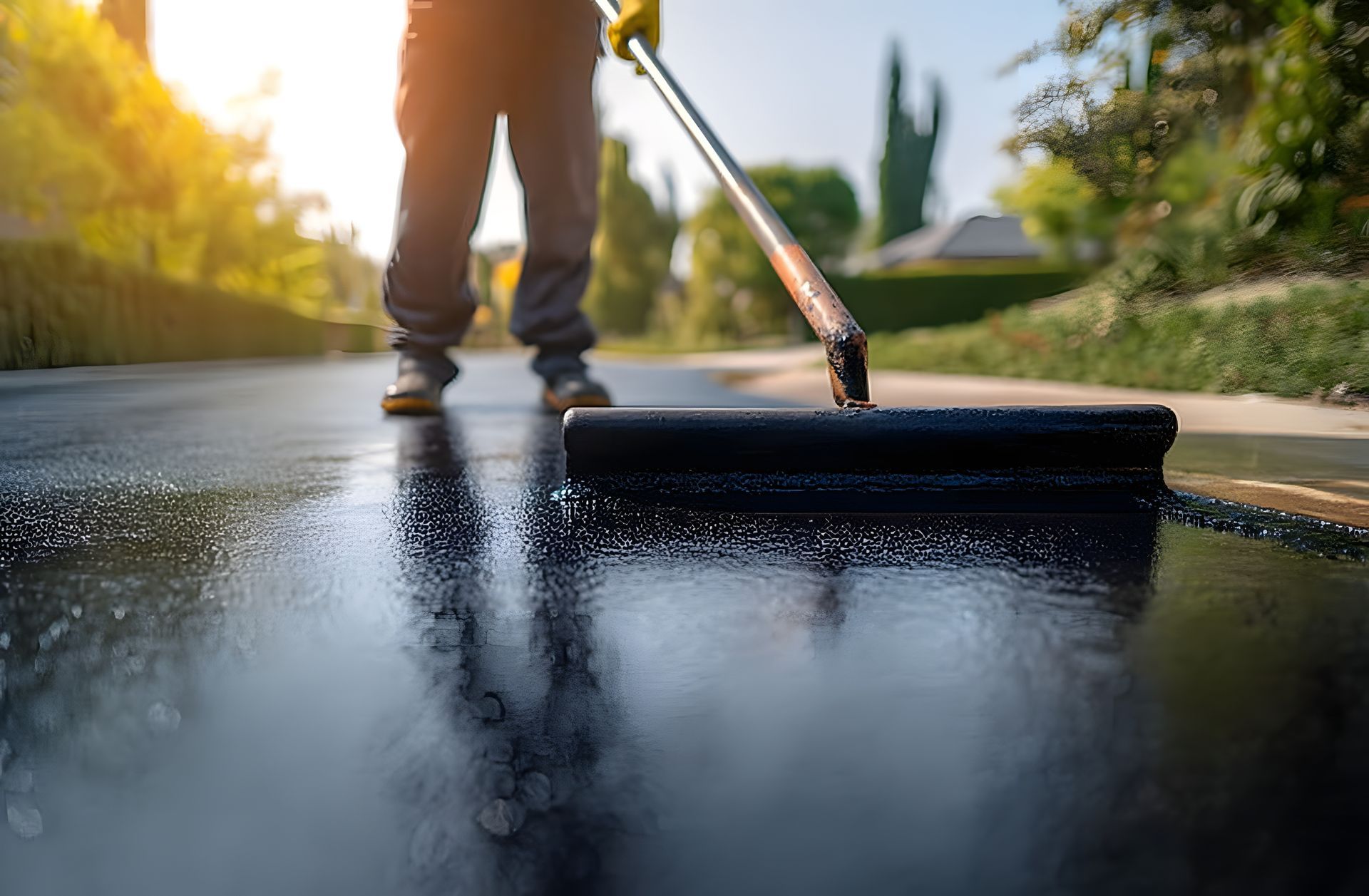
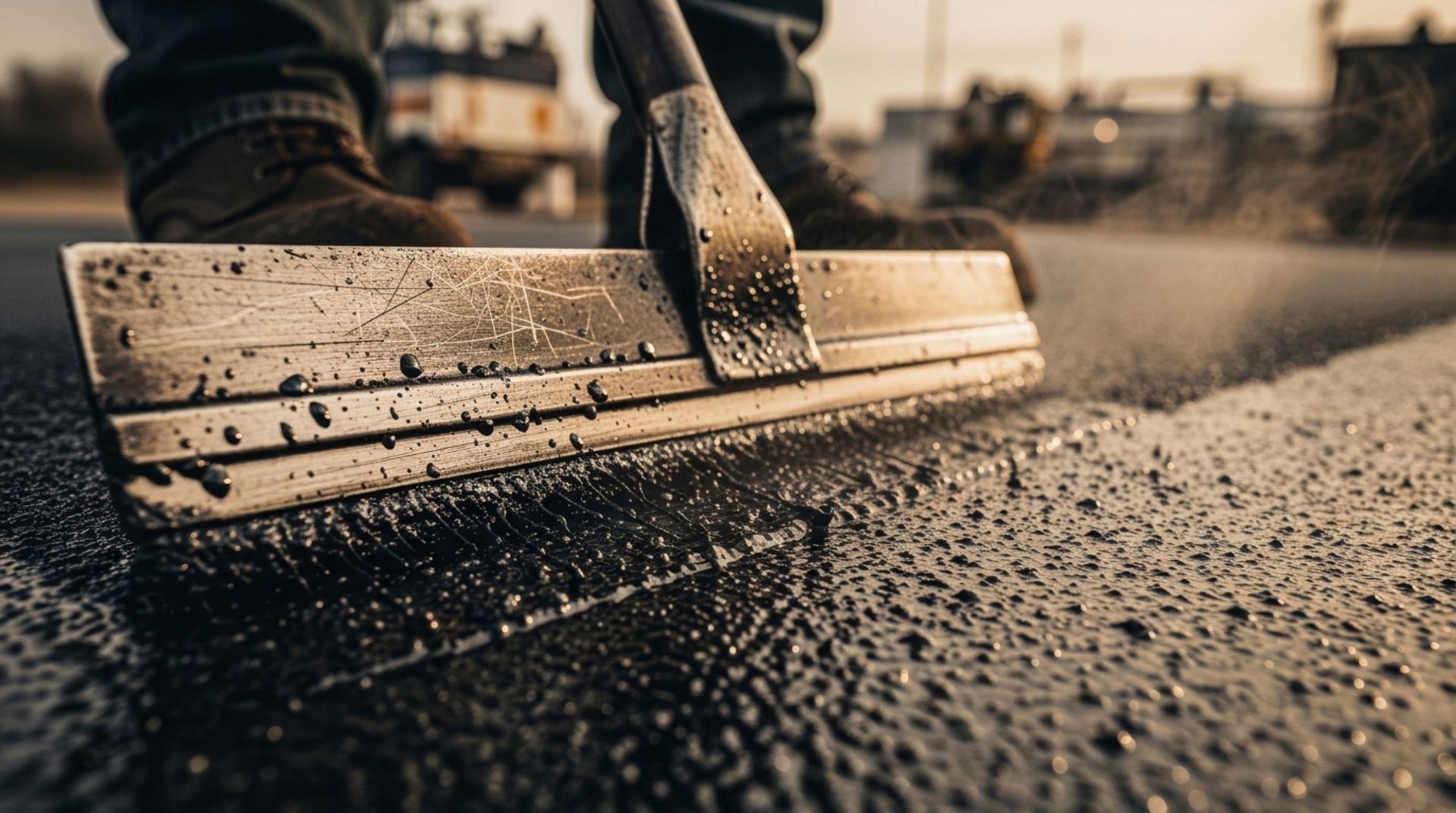
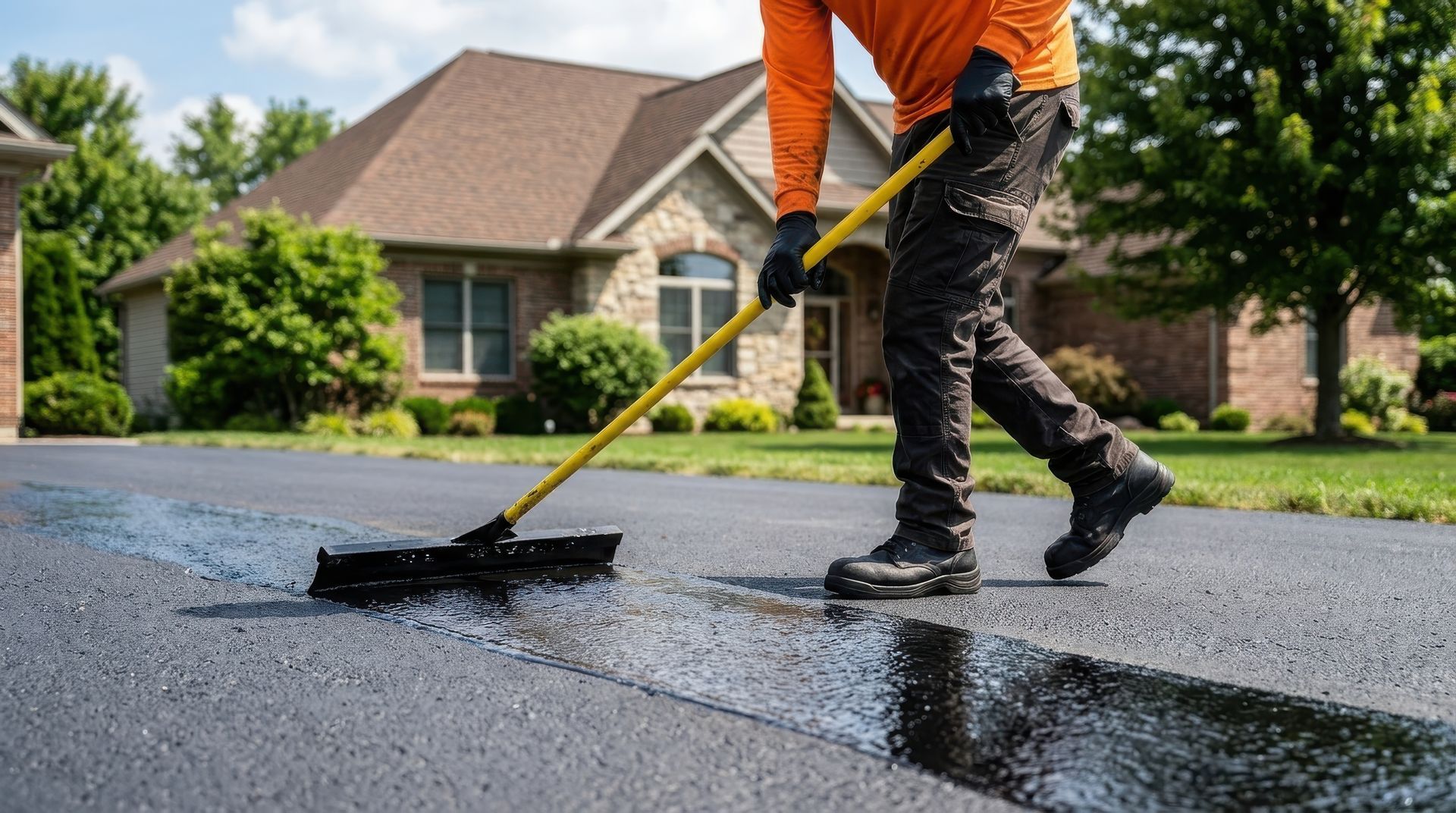
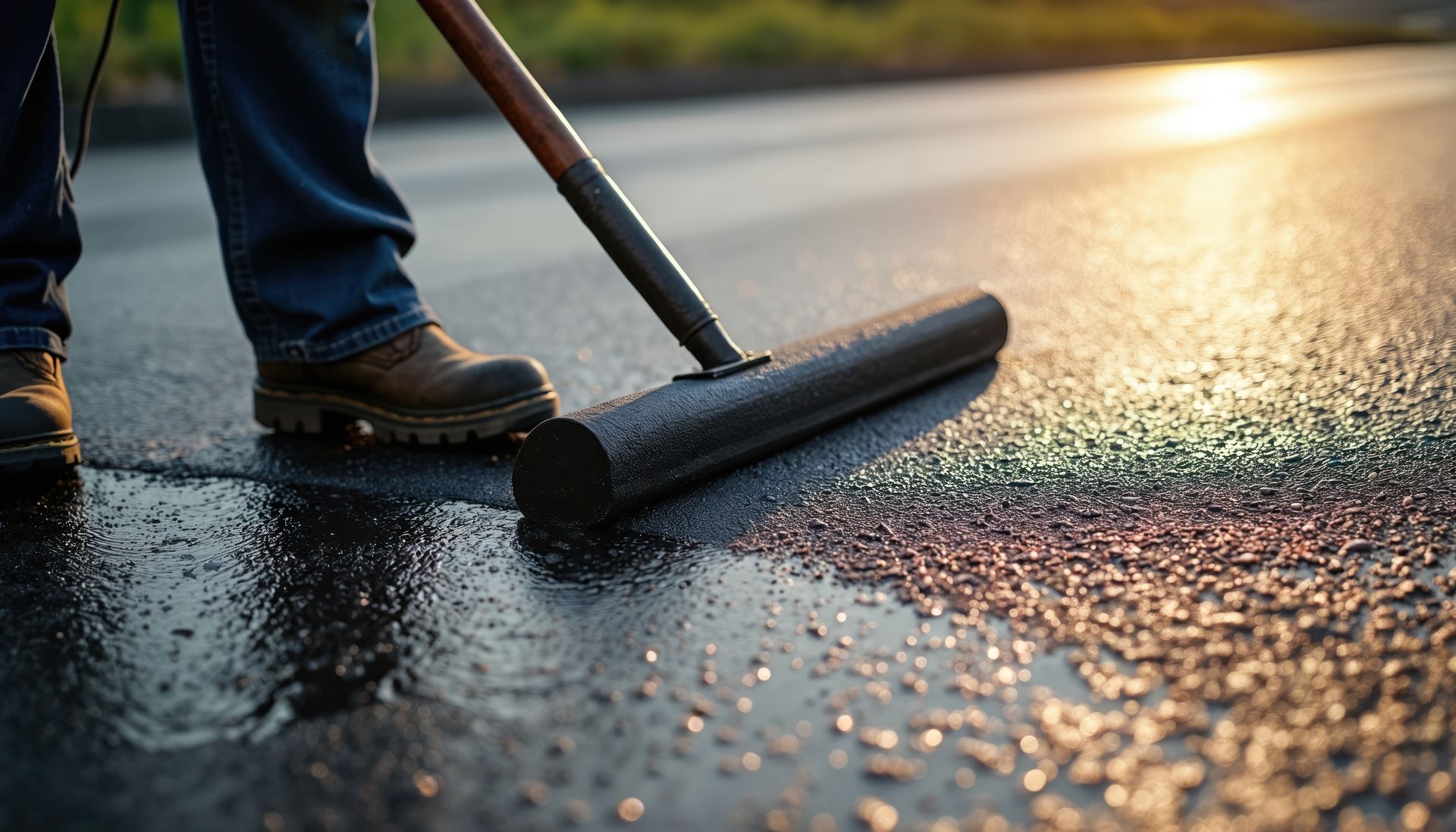
Squeegee sealcoating involves manually pulling sealer across the pavement using a large rubber squeegee tool.
Instead of simply coating the top layer, the material is worked deeper into the asphalt surface.
This process helps:
- fill minor surface voids
- improve adhesion
- create thicker coverage
- distribute material more consistently
For many contractors, this deeper penetration is one of the biggest advantages of manual sealcoating.
Why Squeegee Application Creates a Better Bond
One reason many professionals prefer squeegee-applied sealcoating is because the pressure from the squeegee pushes sealer deeper into the asphalt.
That deeper bond helps:
- improve durability
- strengthen surface protection
- reduce premature wear
- create more even coverage
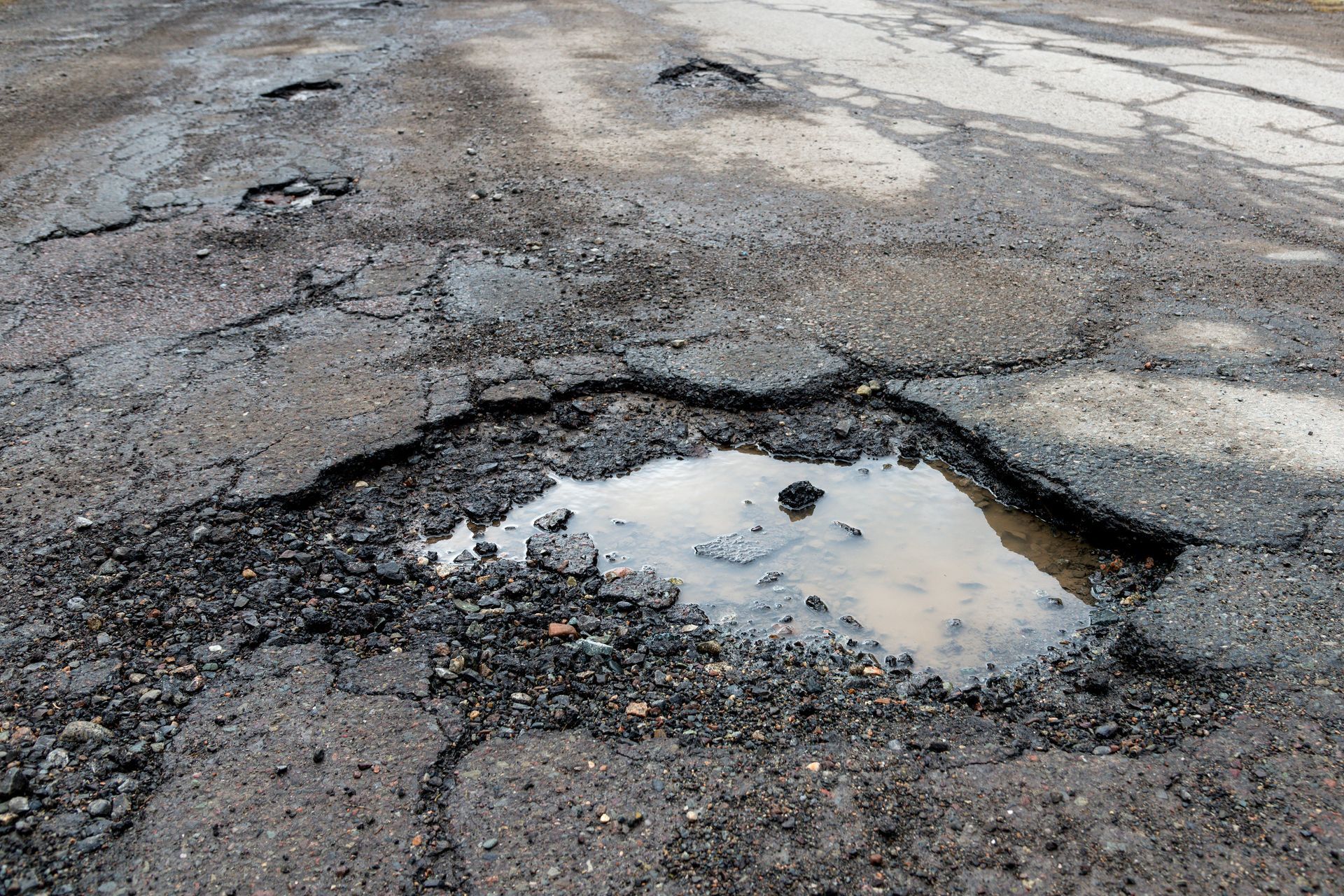
On older asphalt surfaces, this becomes especially important because weathered pavement tends to absorb material unevenly.
The manual application process helps compensate for those inconsistencies.
Why Spray Application Can Sometimes Be Less Consistent
While spray sealcoating can look smooth initially, it may not always penetrate the asphalt surface as deeply.
Potential drawbacks include:
- thinner coating layers
- overspray concerns
- uneven absorption
- reduced penetration into porous asphalt
This does not mean spray application is “bad,” but it often serves different purposes depending on the pavement condition and project size.
Why Residential Driveways Often Benefit More from Squeegee Application
For residential properties, durability usually matters more than speed.
Homeowners typically want:
- longer-lasting protection
- better surface coverage
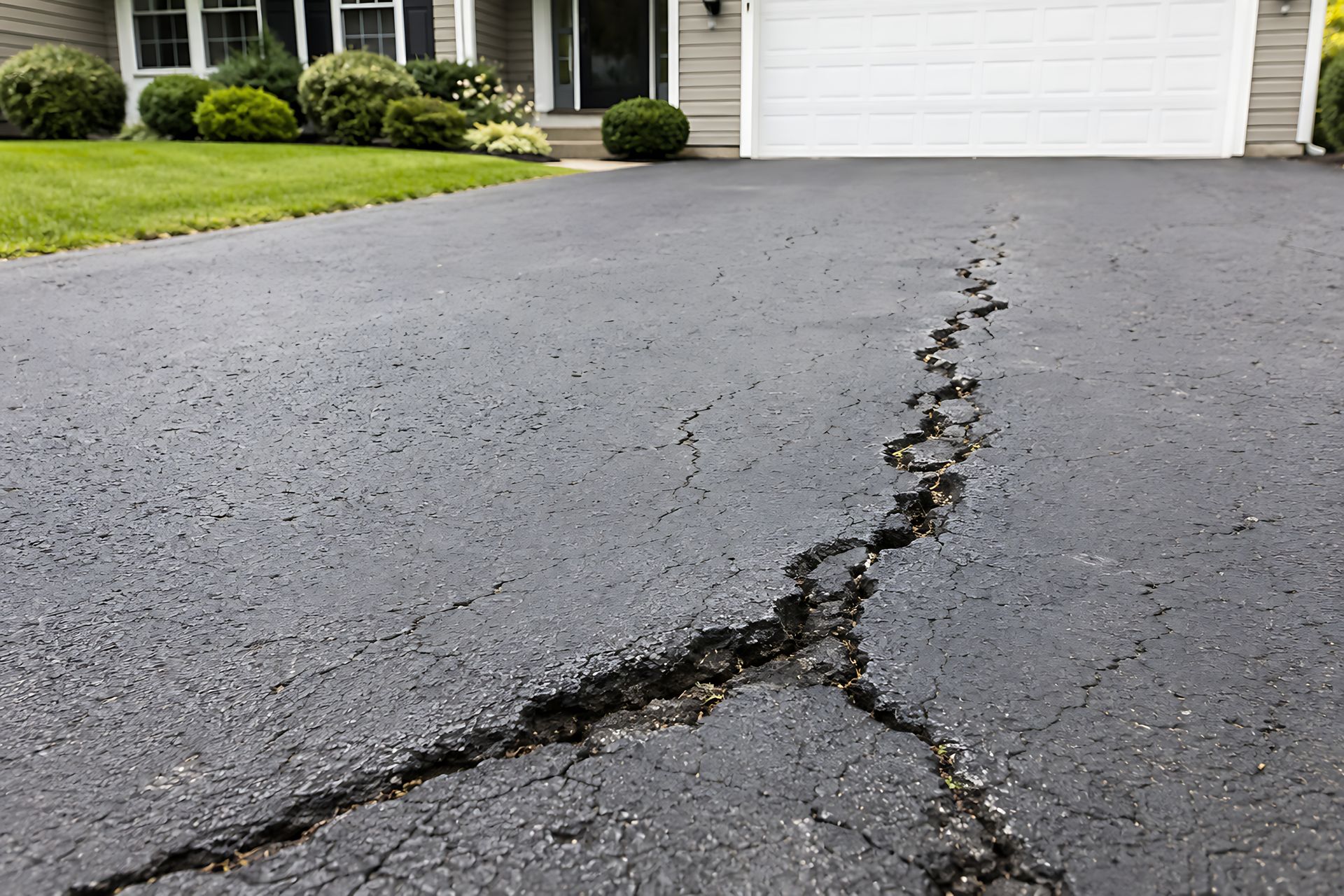
- improved crack resistance
- stronger weather protection
This is why driveway sealcoating professionals frequently recommend squeegee application for:
- aging asphalt
- residential driveways
- rougher pavement surfaces
The thicker coating can help improve overall protection against oxidation and water penetration.
The Appearance Difference Homeowners Notice
Many people assume spray application always looks smoother, but properly applied squeegee sealcoating often creates a richer and more uniform appearance over time.
Because the material is worked into the pavement:
- surface texture may appear more even
- worn asphalt often looks restored
- color consistency can improve
The result frequently feels more substantial and durable.
Why Surface Preparation Still Matters Most
Even the best application method cannot compensate for poor preparation.
Before any asphalt sealcoating project, contractors should:
- clean debris thoroughly
- remove oil spots
- repair cracks
- address drainage concerns
Without proper preparation, sealcoating performance drops significantly regardless of the application method used.
The Industry Is Shifting Toward Long-Term Value
In 2026, homeowners are becoming more informed about:
- pavement lifespan
- maintenance quality
- product durability
- long-term cost savings
Instead of focusing only on price, many now prioritize:
- application quality
- material performance
- longevity
That shift is one reason manual squeegee application continues gaining attention for residential pavement protection.
The Best Sealcoating Is About More Than Appearance
Freshly sealed asphalt may look impressive immediately after application, but true quality comes from long-term protection and durability. Understanding the difference between spray and squeegee sealcoating helps homeowners make better decisions about protecting their pavement investment.
NextGen Great Sealcoating provides professional asphalt sealcoating services using proven application methods designed for stronger bonding, better coverage, and long-lasting pavement protection.
What is squeegee sealcoating?
Squeegee sealcoating uses a manual rubber squeegee to apply sealer deeply into asphalt surfaces.
Is squeegee application better than spray?
For many residential surfaces, yes. It often creates thicker coverage and stronger bonding.
Why is spray sealcoating used?
Spray sealcoating is faster and commonly used on large commercial surfaces.
Does squeegee application last longer?
It often provides improved durability and deeper penetration into the asphalt.
Does surface preparation matter before sealcoating?
Yes. Cleaning and crack repair are essential for long-term sealcoating performance.