High-Traffic Retail Lot Preservation Scheduling to Minimize Customer Downtime
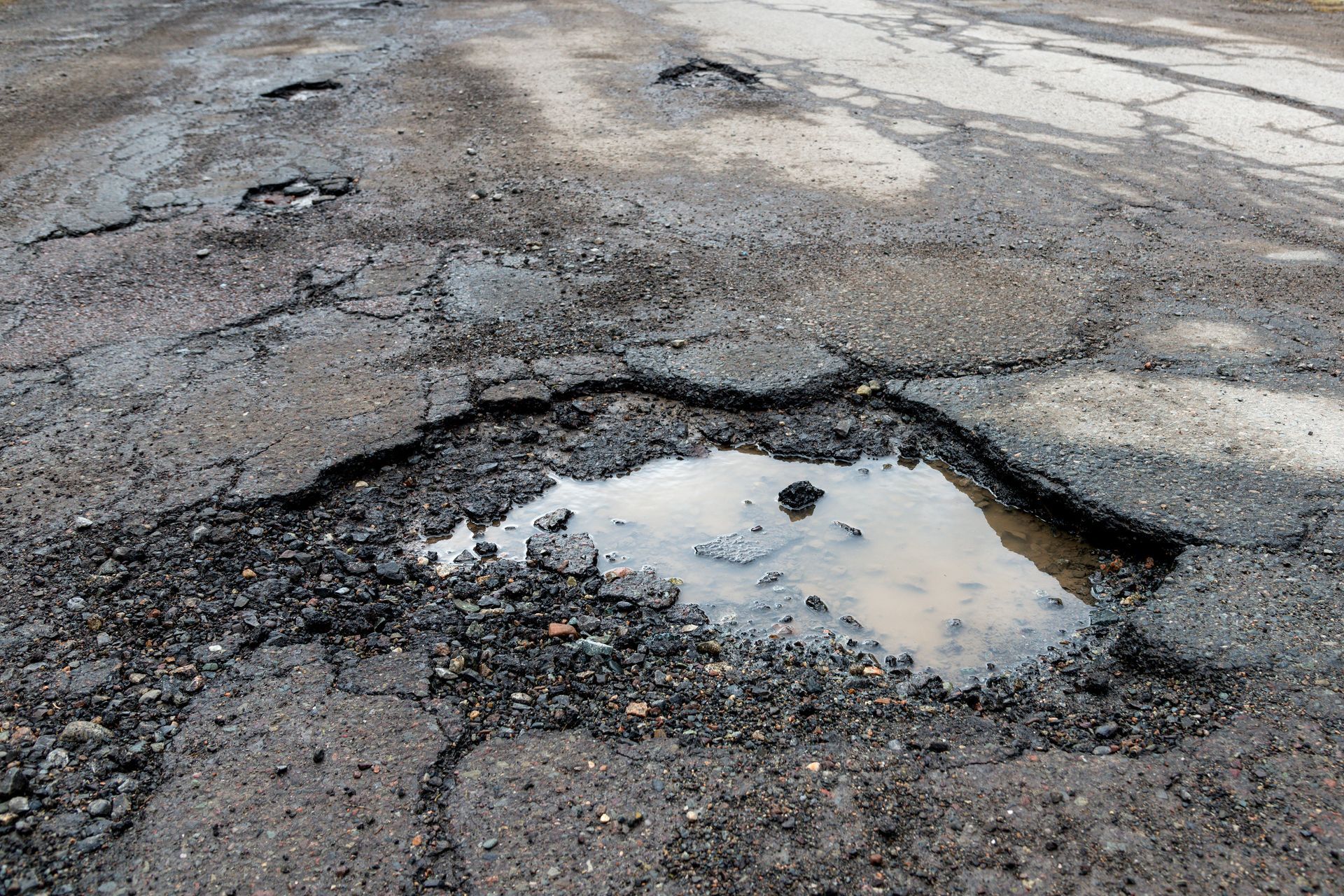
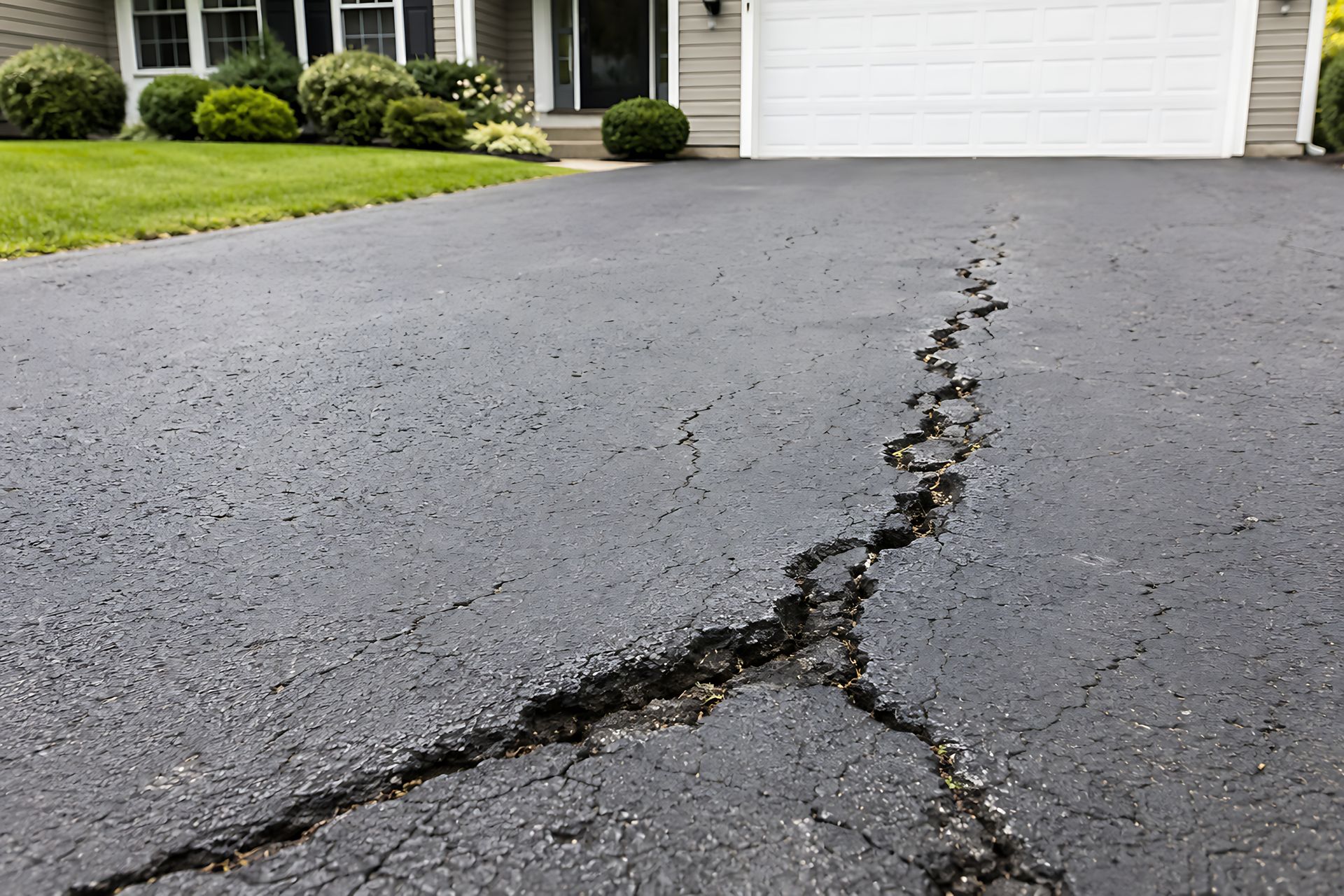
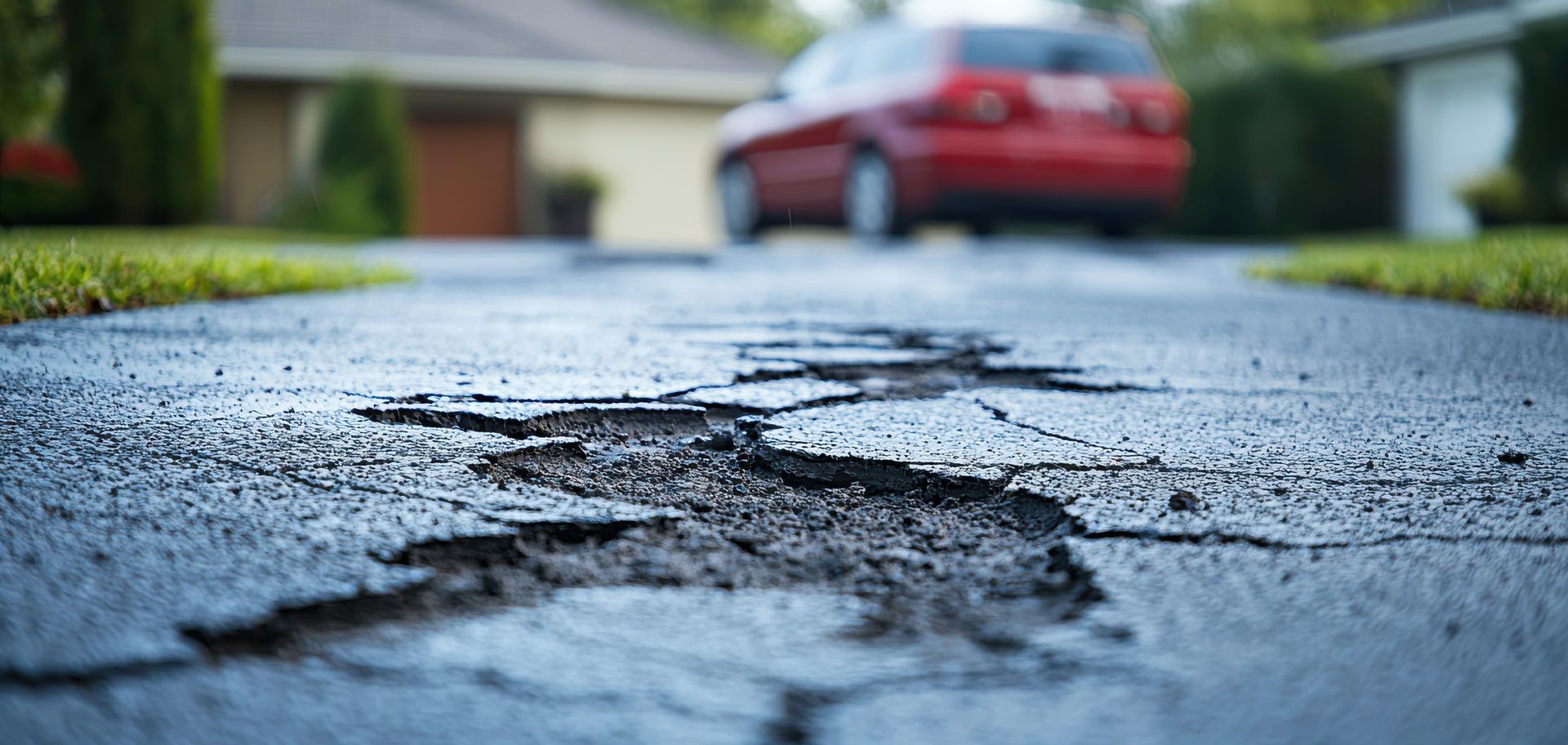
For commercial retail enterprises, your exterior asphalt pavement serves as your absolute first customer touchpoint. Long before a consumer ever walks through your front entrance, they have already formed an subconscious brand impression based on your property’s structural appearance, driving smoothness, and visible accessibility markers. Heavy unaddressed cracking, deep potholes, faded directional arrows, and a degraded, graying pavement matrix actively degrade customer perception and expose your business to severe slip-and-fall legal liabilities.
The ongoing operational challenge for busy retail property managers is that standard asphalt maintenance is inherently invasive. Closing off vital traffic lanes or shutting down main parking stalls for an extended period triggers immediate anxiety over lost customer footprints, reduced accessibility, and plummeting daily sales revenue. Fortunately, by deploying a sophisticated, strategically engineered approach to maintenance, you can comprehensively insulate your structural base without compromising your daily retail operations.
Why Retail Footprints Suffer From Accelerated Pavement Fatigue
Commercial shopping centers and retail malls endure a punishing tier of mechanical stress that standard residential driveways never encounter. A high-traffic asset faces continuous tortional shear from tight turning radiuses, intense braking forces at intersections, and heavy load-bearing strain from daily commercial delivery trucks. This heavy weight profile systematically pulverizes the aggregate matrix if the binding agent is allowed to dry out.
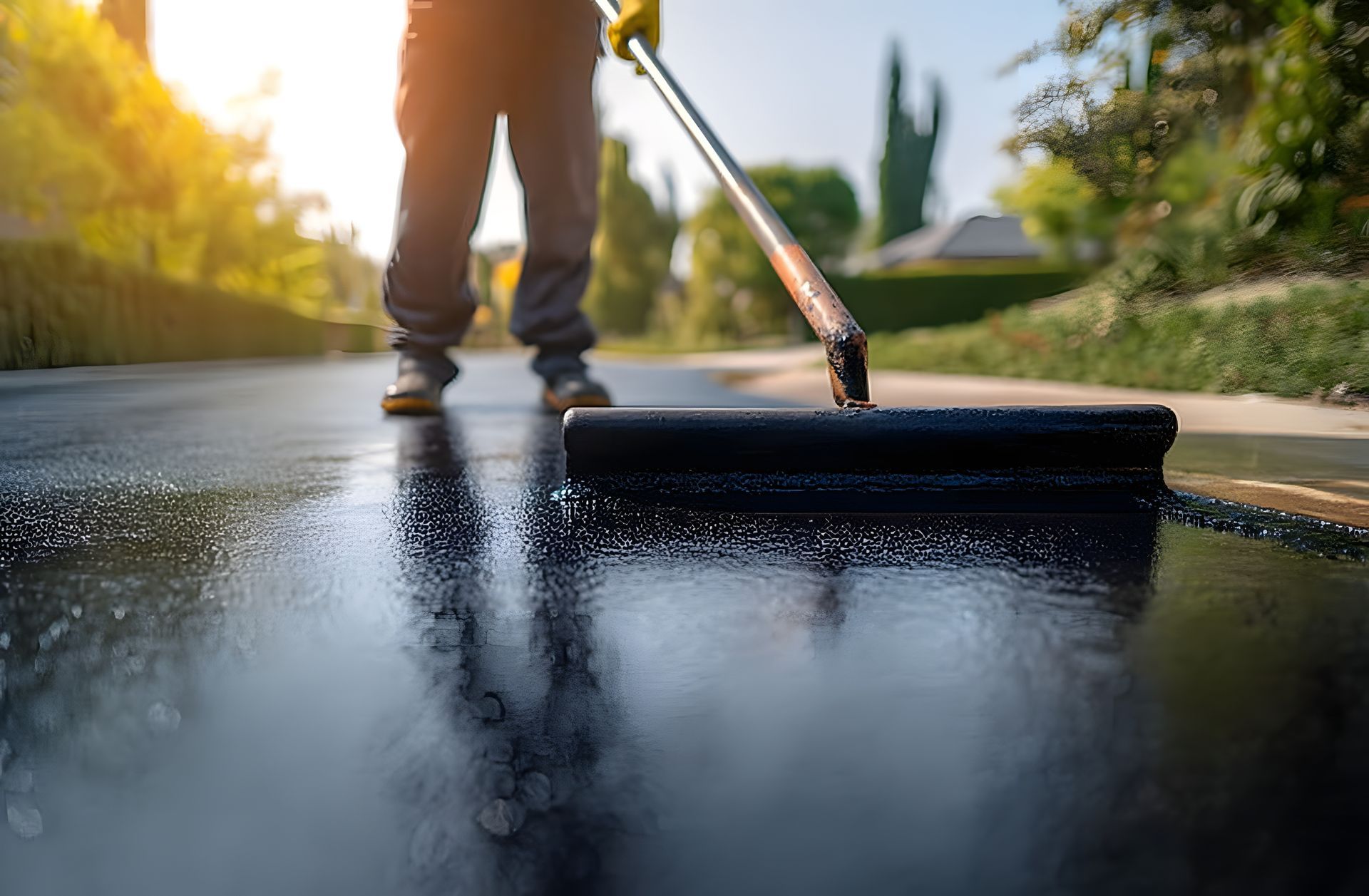
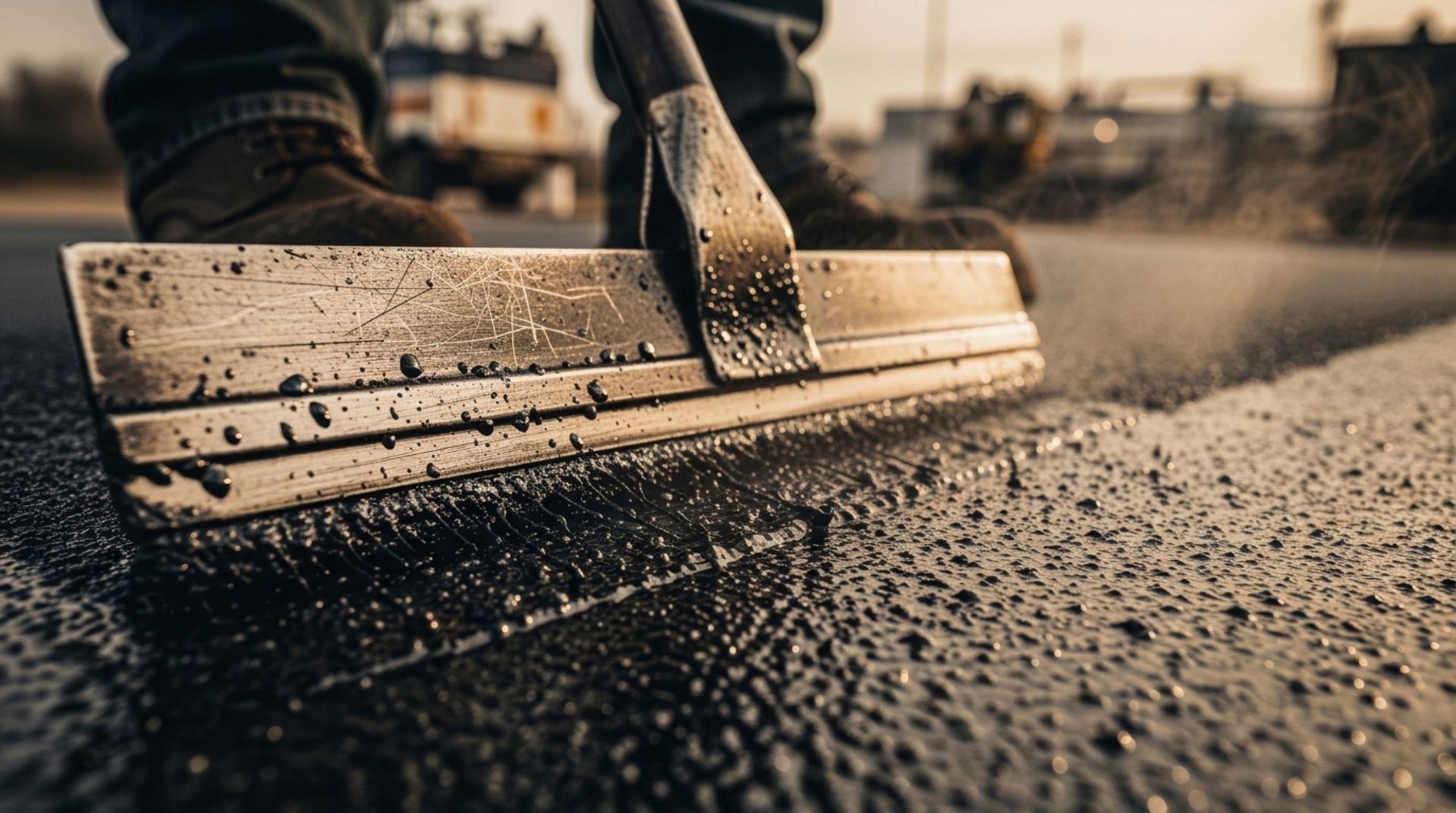
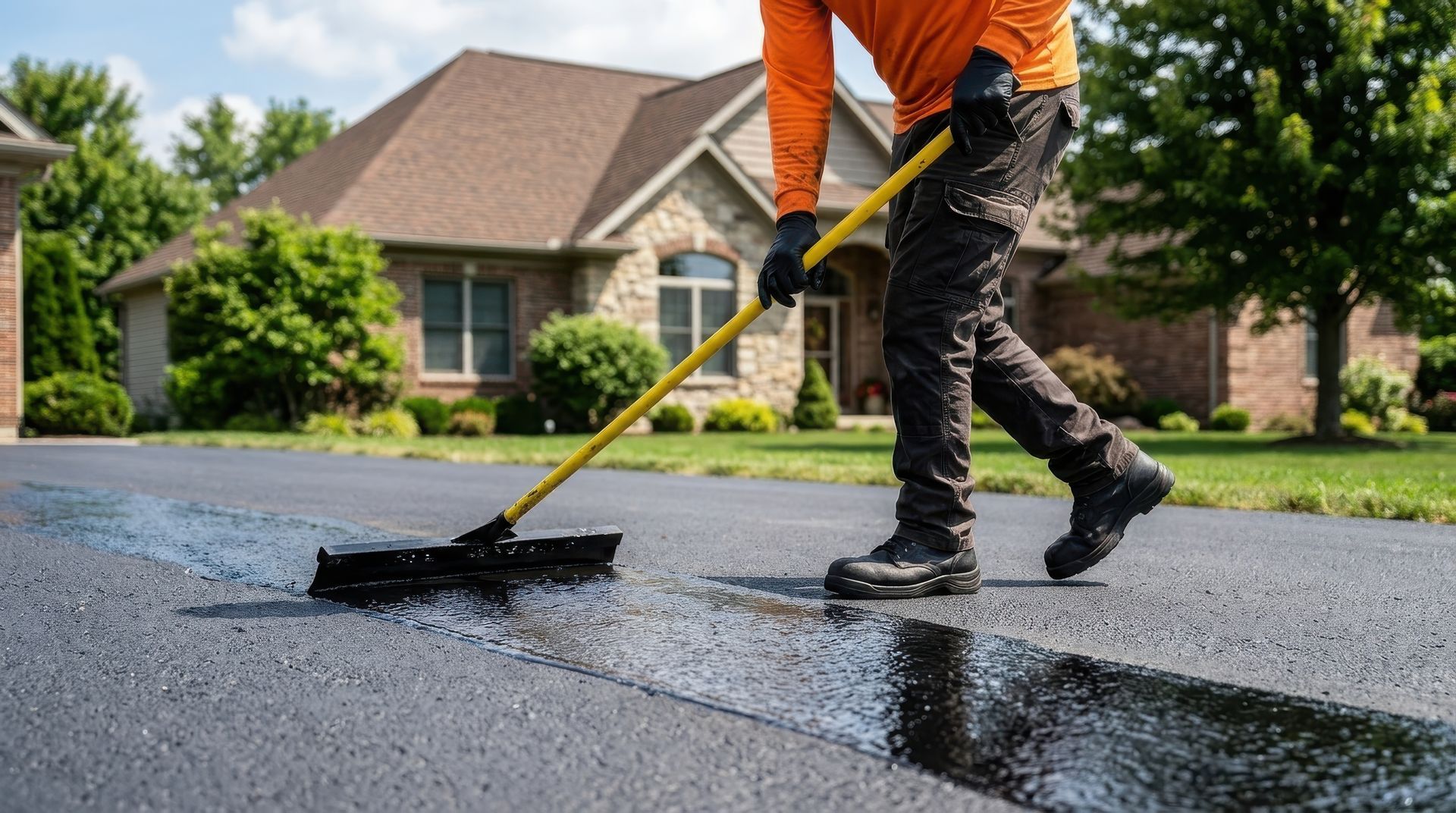
Compounding this mechanical fatigue is the ongoing threat of environmental chemical exposure. Retail parking bays are subject to constant drops of corrosive automotive fluids, engine oils, and gasoline leaks that chemically dissolve the liquid bitumen binder holding the asphalt together. Left unshielded, the surface undergoes rapid oxidation from UV rays, making the pavement brittle and highly susceptible to deep structural failure. Committing to a proactive program for parking lot sealcoating acts as a specialized chemical shield, neutralizing petroleum deterioration and cutting long-term reconstruction costs in half.
Mastering the Strategy of Phased Sectional Sealing
You do not have to compromise your corporate revenue stream to protect your real estate asset. Executing a successful commercial pavement restoration relies heavily on a precise operational method known as phased micro-zoning. Instead of shutting down your entire site and cutting off your client pipeline, an experienced contractor will draft a custom structural overlay that splits your property into highly controlled, separate work zones.
This phased execution allows the crew to selectively seal and stripe individual sections while the remaining portions of the lot handle incoming consumer traffic. By maintaining active, uninterrupted access routes to your primary storefront doors, loading docks, and drive-thru lanes, your business remains fully functional throughout the entire project. This sectional approach balances the chemical dry times required for commercial coatings with your location's baseline traffic demand, ensuring zero dropped sales volume.
Capitalizing on Night Ops and Accelerated Curing Chemistry
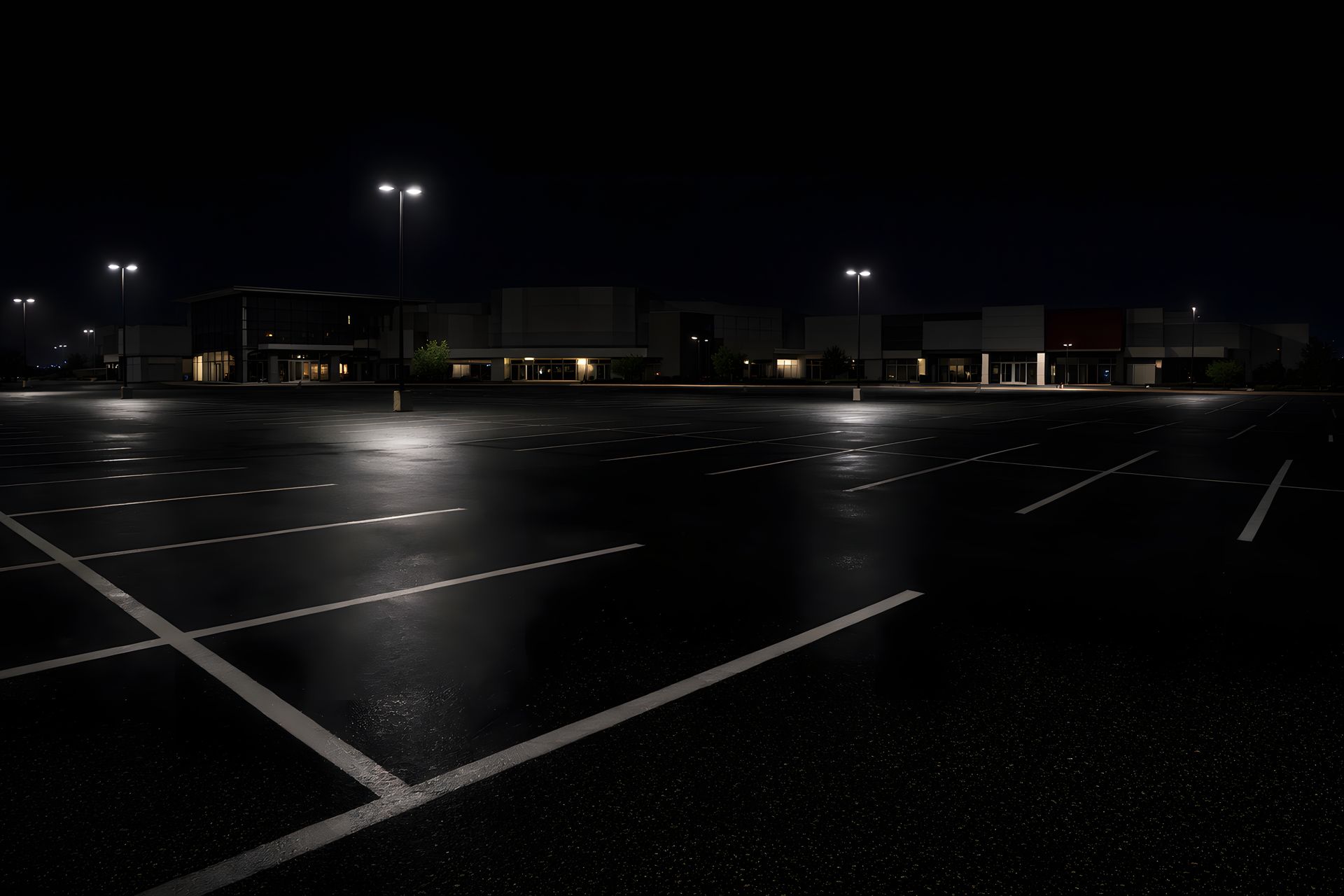
For ultra-high-volume retail centers, big-box department stores, and 24-hour convenience hubs, executing a layout modification during standard business hours is entirely unfeasible. In these scenarios, your asset protection blueprint should focus exclusively on night-shift logistics and rapid-set chemical engineering. Crews arrive on site the exact minute your evening doors close, completely power-washing the zone, routing out fissures, and applying commercial-grade sealer under stadium light plants.
To ensure your lot can safely handle thousands of turning vehicles the very next morning, advanced asphalt maintenance teams utilize high-performance, fast-curing polymer modifiers within their sealcoat emulsions. These specialized chemical additives accelerate water evaporation out of the liquid film, compressing standard 24-hour cure windows down to a rapid 8 to 10 hours. This logistical speed ensures that you can reopen your pristine, deep-black asset for early morning employee parking and delivery arrivals without tracking or scuffing.
Integrating Precision Marking and ADA Compliance
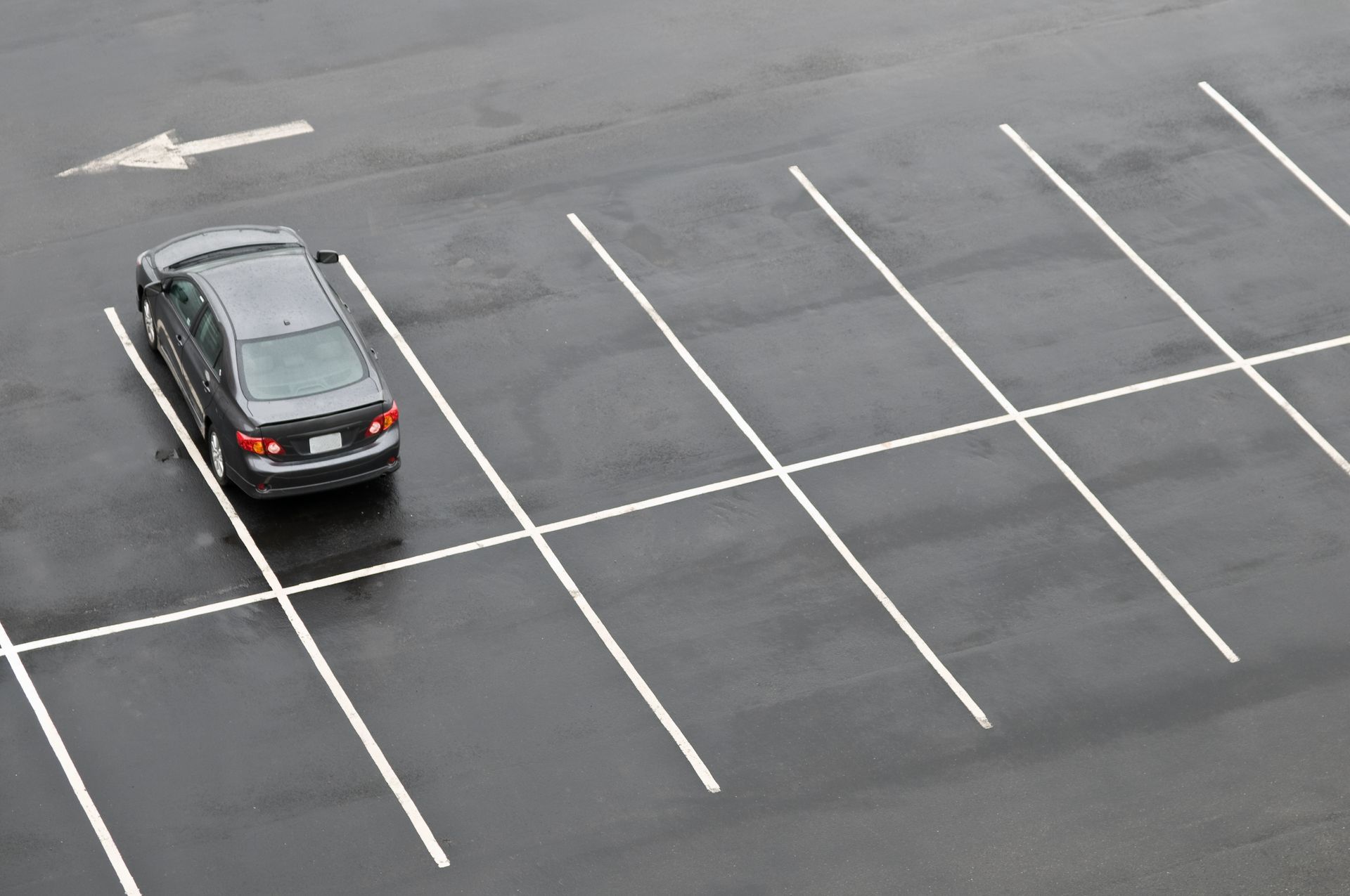
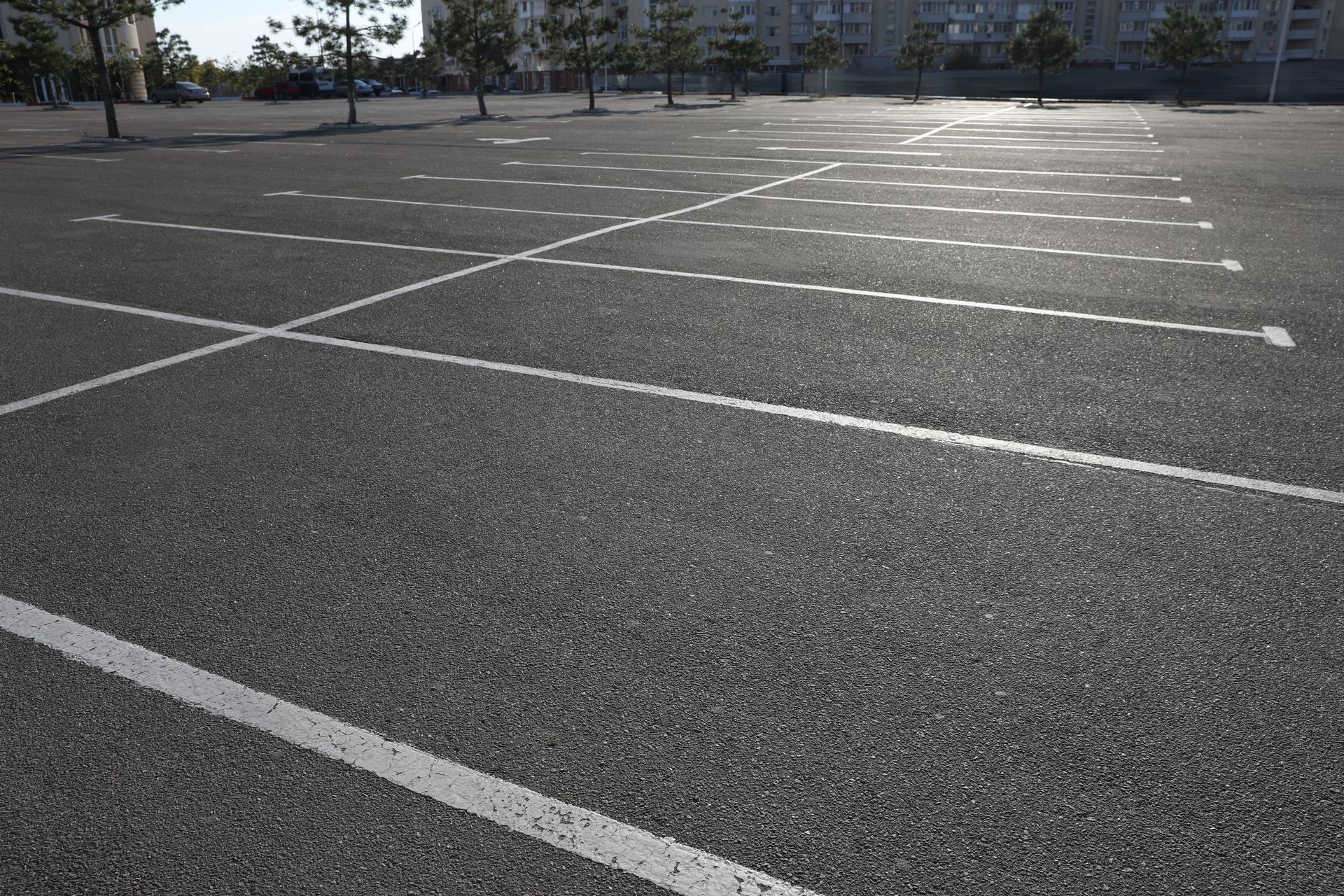
A comprehensive parking lot preservation strategy must treat surface coatings and traffic markings as a unified, single-step operation. Applying a thick, defensive sealcoat completely obliterates your existing layout markings. Failing to immediately follow up with professional parking lot striping results in chaotic traffic patterns, blocked fire lanes, and severe shopping cart congestion.
Restoring your parking lines using high-durability, fast-drying traffic paint is vital for maximizing space usage and maintaining strict ADA accessibility compliance. Your layout should feature brightly painted crosswalks, clearly stenciled directional flow arrows, defined fire zones, and legally compliant handicap stalls with matching blue borders. Combining fresh line applications with an overarching sealer coat immediately transforms your property's curb appeal, projecting an unmistakable look of professional polish and customer safety.
Secure Your Commercial Footprint with NextGen Great Sealcoating
Managing an enterprise asset cleanout or pavement restoration requires deep technical expertise, precision lane-routing blueprints, and commercial-grade equipment. Relying on cut-rate contractors using diluted mixtures or sloppy scheduling will leave you with track-marks inside your store, peeling seal coats, and massive operational bottlenecks. Entrusting your corporate real estate to a specialized commercial enterprise ensures a durable, worry-free execution.
At NextGen Great Sealcoating, we specialize in maximizing the structural lifespan of high-density retail assets while maintaining a relentless focus on minimizing business downtime. Our elite commercial project managers construct detailed, multi-phase parking lot preservation scheduling plans tailored perfectly to your site's specific peak foot-traffic hours and logistics. Protect your revenue and restore your property’s visual authority—contact our team today to secure a comprehensive site analysis and discover how seamless professional asphalt management can be.
What exactly is parking lot preservation scheduling and how does it save retail revenue?
It is a highly detailed operational timeline that maps out pavement repairs, sealcoating, and striping around your specific low-traffic business windows. By utilizing night-shift scheduling or phased sectional zones, it ensures your retail business remains open and accessible to shoppers throughout the process.
Can you sealcoat a major shopping center lot without shutting down customer parking?
Yes, absolutely. By leveraging a phased sectional strategy, the parking lot is divided into distinct, independent sectors. While one sector is closed for cleaning, chemical sealing, and curing, the remaining sections are safely routed to accommodate standard customer parking and vehicle traffic.
How long must a retail parking lot cure before cars can safely drive on it?
Under normal summer conditions, a standard commercial sealcoat requires 12 to 24 hours to fully cure. However, by incorporating advanced polymer fast-drying additives into our mixtures, we can compress the safe traffic return window down to 8 to 12 hours, allowing for complete overnight execution.
Why do retail and commercial parking lots degrade much faster than residential asphalt?
Retail lots endure continuous heavy loading from delivery trucks, intense horizontal shear from power-steering adjustments in parking bays, and a high volume of oil and chemical drips from parked cars that actively dissolve the holding binders within the asphalt mix.
Is it legally necessary to restripe the parking lot immediately after sealcoating?
Yes. Sealcoating completely covers all previous layout markers. Restriping immediately is required to maintain local fire lane access, optimize parking efficiency, and ensure full compliance with federal and state ADA accessibility guidelines.