7 Signs Your Commercial Parking Lot Needs Maintenance

July 17, 2026

Your parking lot is one of the first things customers, employees, and visitors notice when they arrive at your property. Over time, exposure to traffic, weather, and everyday use naturally causes pavement to wear.


The good news is that many problems can be addressed before they require major repairs. Recognizing the early warning signs allows property owners to protect their investment while avoiding more costly pavement rehabilitation down the road.


Here are seven signs it may be time to schedule professional parking lot maintenance.
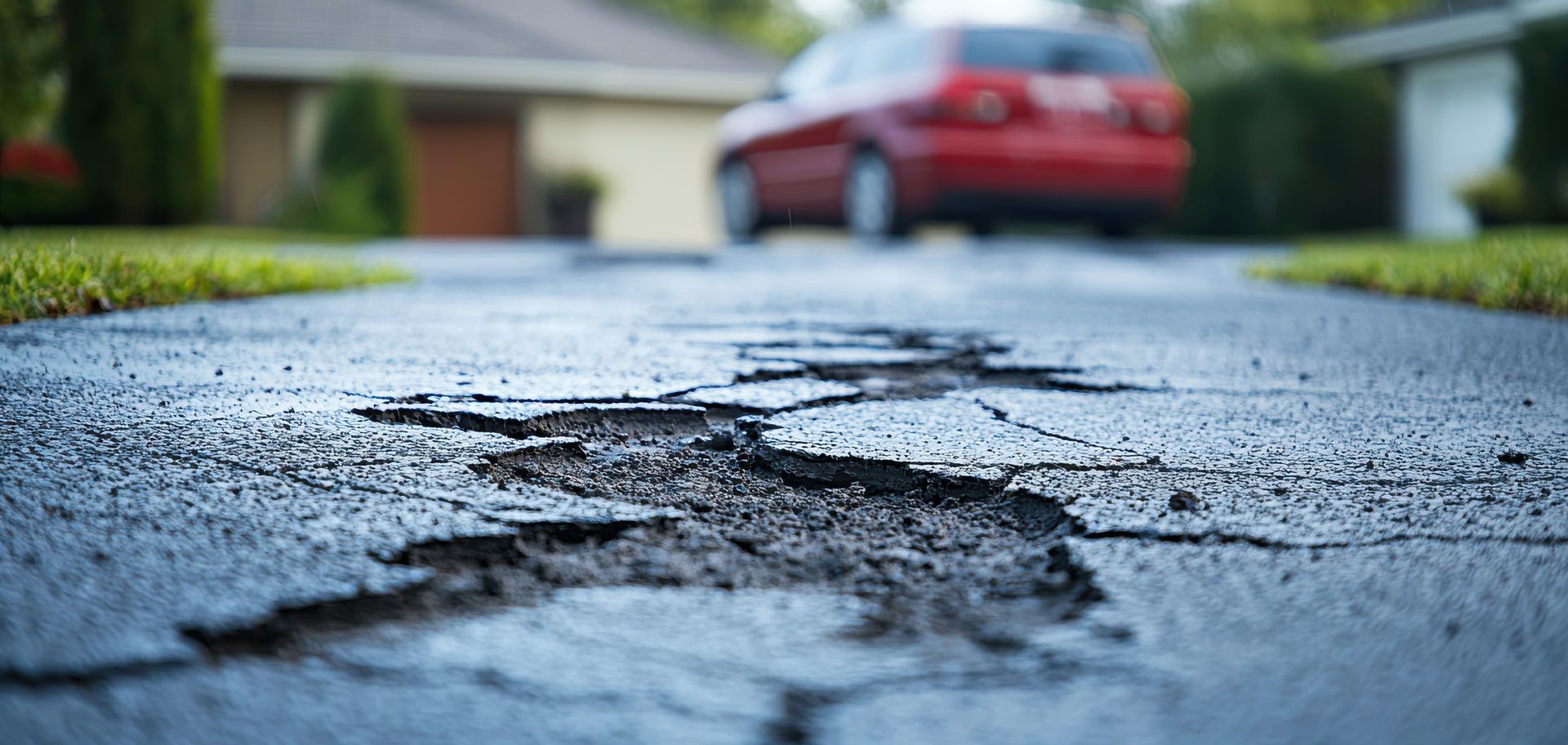
1. Surface Cracks Are Becoming More Noticeable

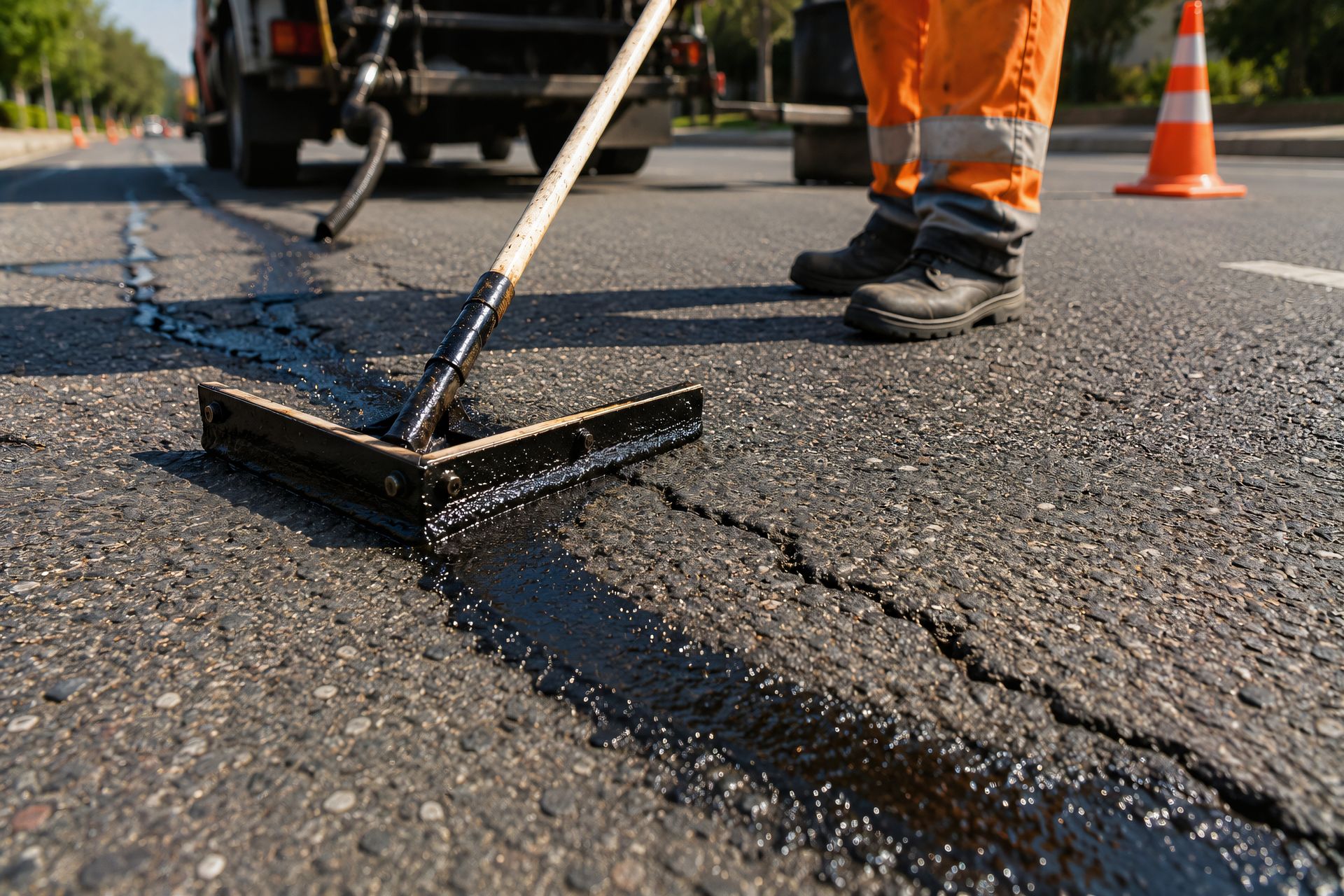
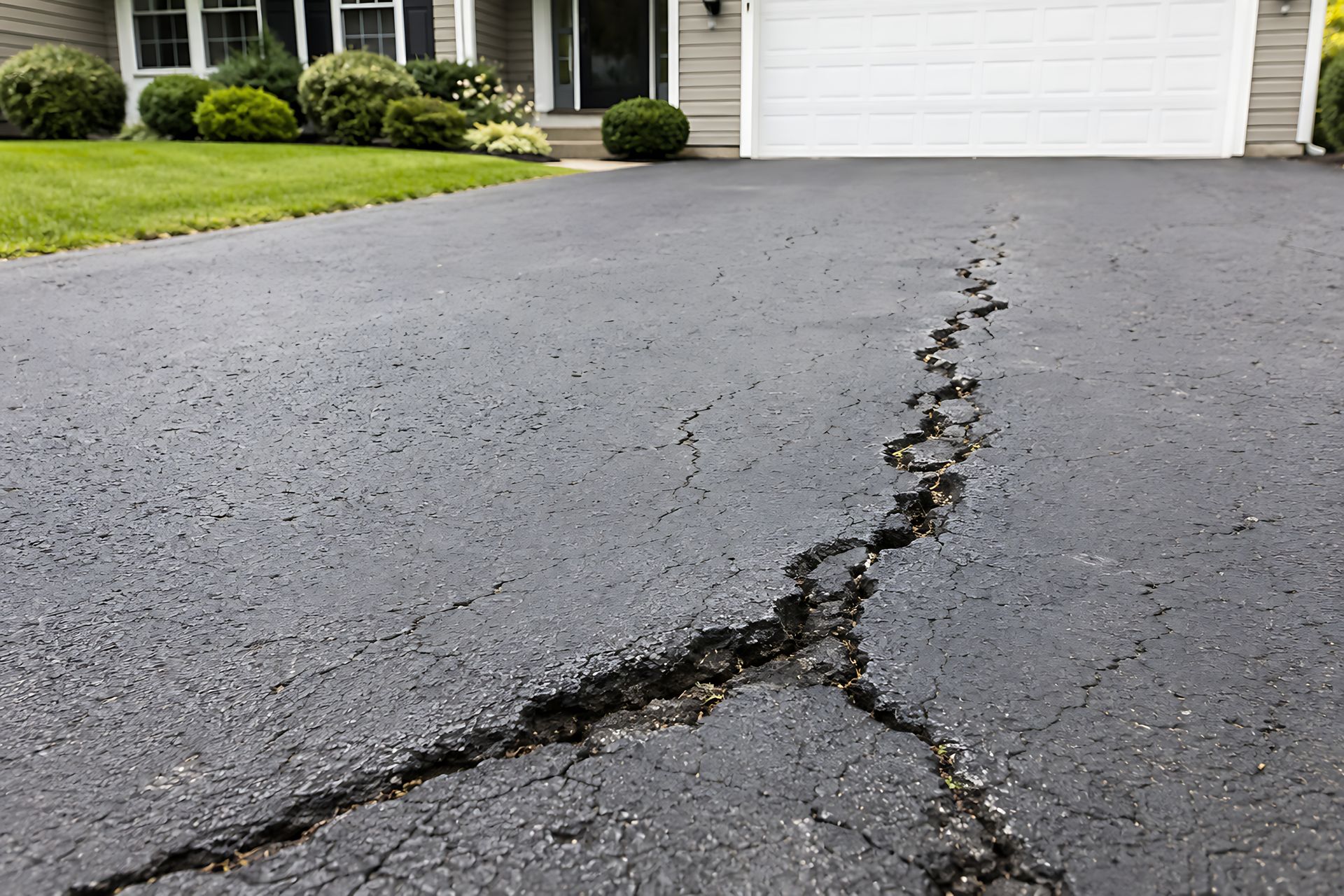
Small cracks often develop as pavement ages.


While they may appear minor, they allow moisture to enter beneath the asphalt surface, which can contribute to larger problems over time.


Addressing cracks early helps protect the integrity of your pavement.


2. Your Asphalt Has Lost Its Rich Black Color

Asphalt naturally fades as it's exposed to sunlight and weather.


A gray, weathered appearance often indicates the pavement is experiencing oxidation and may benefit from professional sealcoating.


3. Water Doesn't Drain Properly

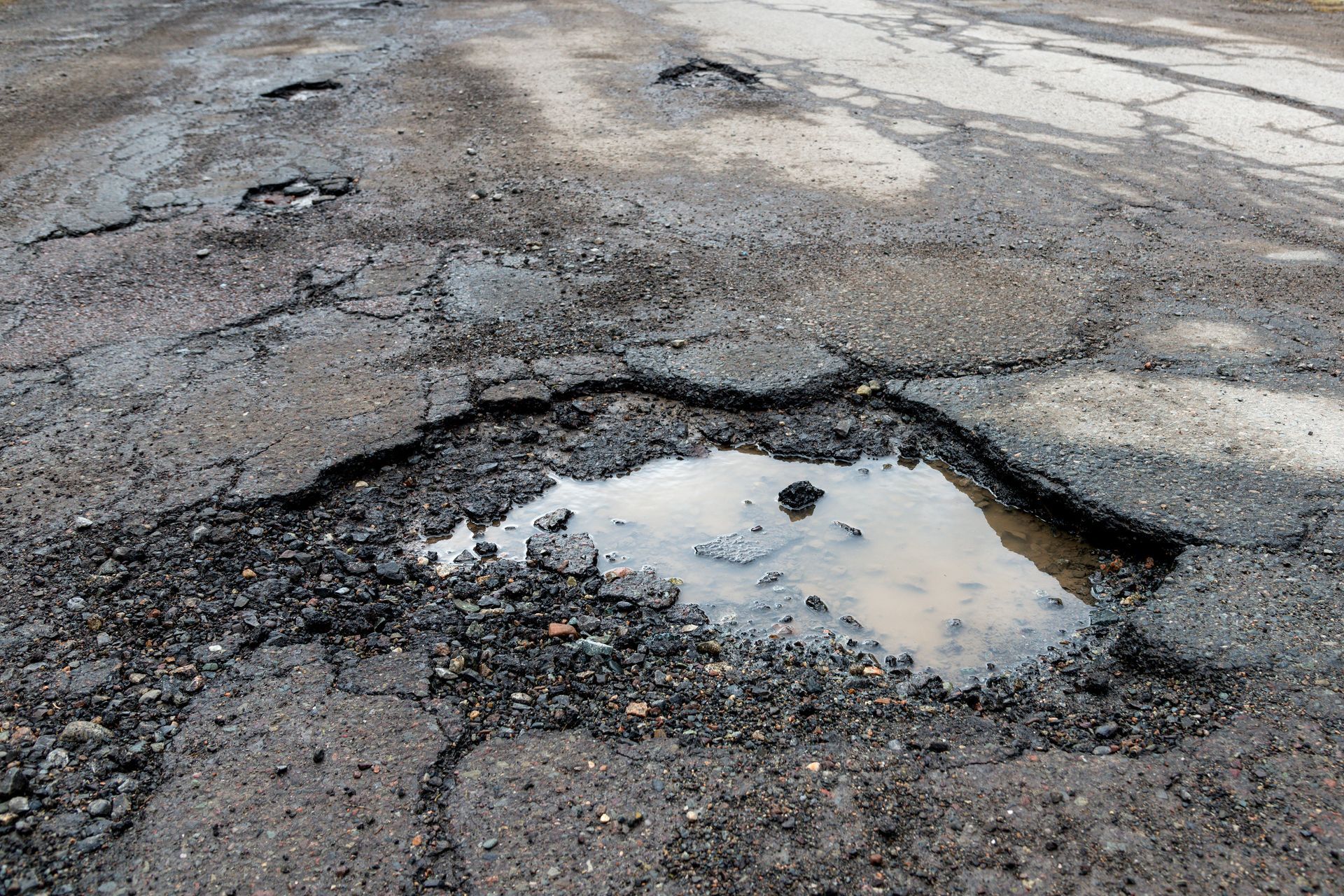
Standing water after rainfall may indicate drainage concerns or pavement deterioration.


Moisture that remains on the pavement for extended periods can contribute to additional damage if left unaddressed.


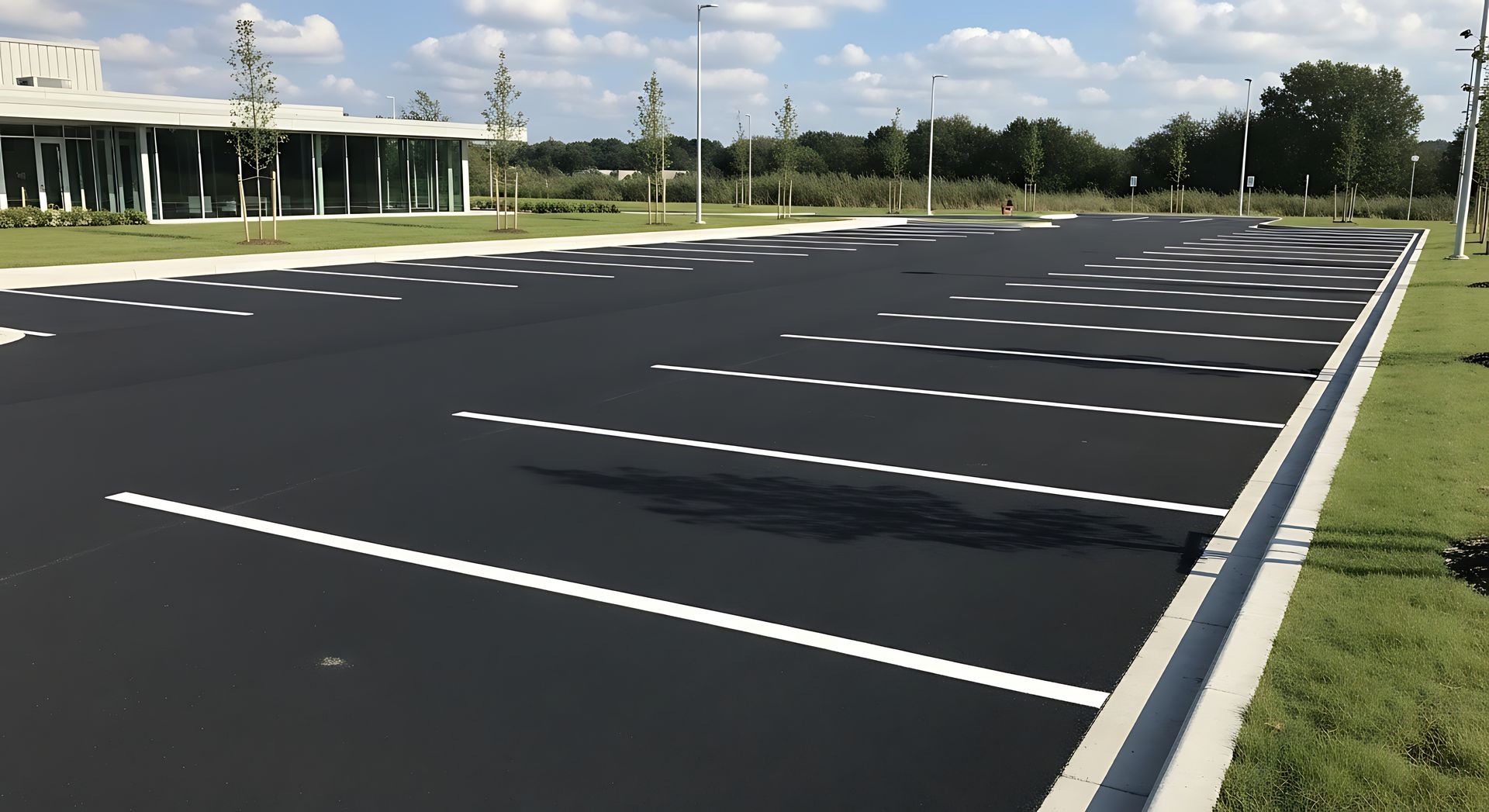
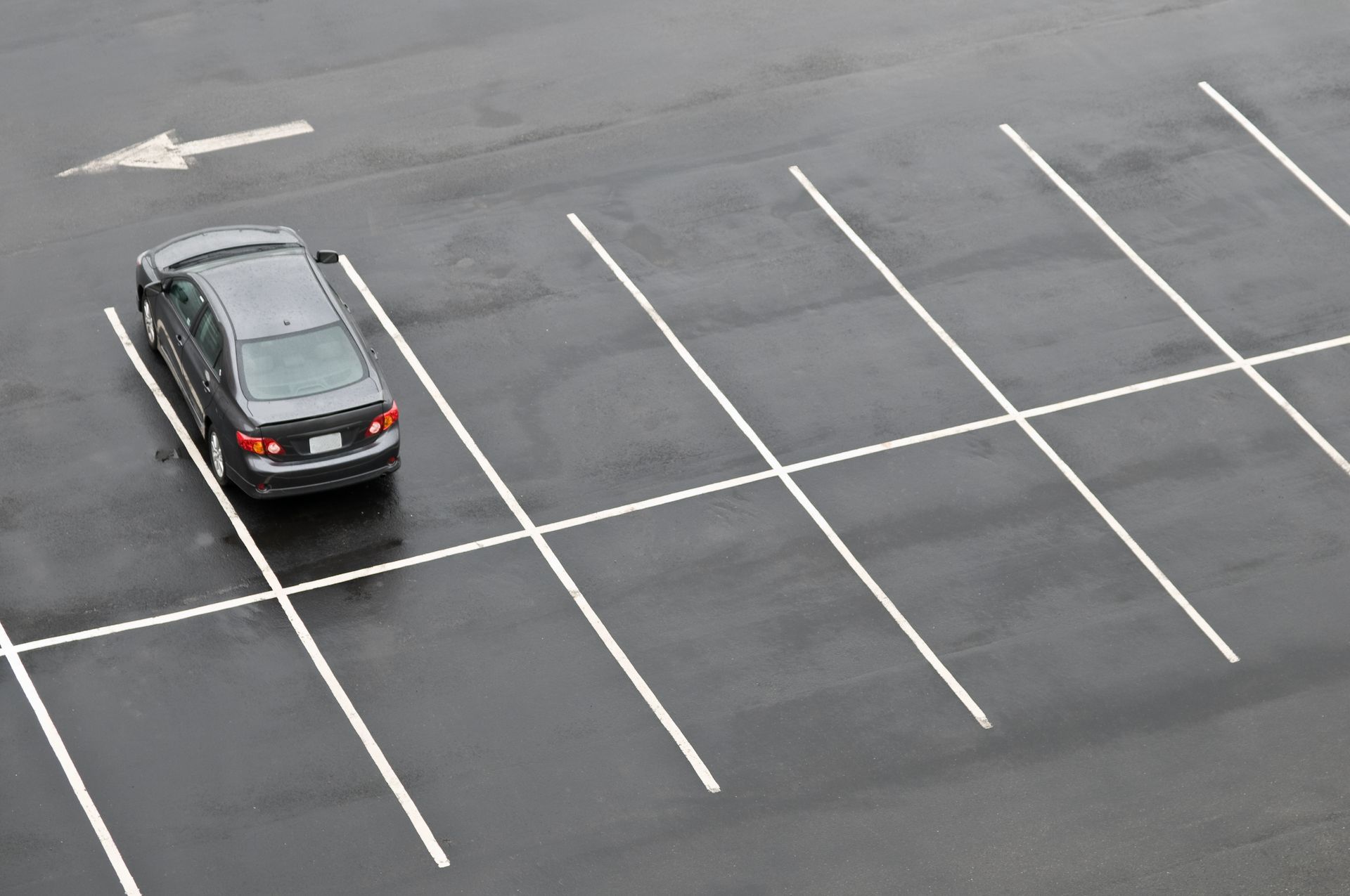
4. Parking Lines Are Difficult to See

Clear pavement markings help improve traffic flow, organization, and safety.


If striping has faded significantly, refreshing pavement markings helps create a cleaner appearance while improving visibility for customers and visitors.


5. Small Repairs Are Becoming More Frequent

If you're repeatedly addressing isolated pavement issues, it may be time for a comprehensive maintenance evaluation.


A proactive maintenance plan often helps reduce recurring repair needs.


6. Your Property Doesn't Reflect Your Business

A worn parking lot can negatively impact first impressions.


Maintaining your pavement demonstrates professionalism while creating a more welcoming environment for customers and tenants.


7. It's Been Several Years Since Your Last Maintenance

If you can't remember the last time your parking lot was professionally evaluated, now may be the right time.


Routine inspections help identify opportunities for preventative maintenance before more significant deterioration occurs.


A Maintenance Plan Protects Your Investment

Every parking lot experiences wear differently.


A customized maintenance plan may include:

Addressing these needs proactively helps maximize pavement life while reducing long-term costs.


Keep Your Parking Lot Looking Its Best

Protecting your pavement starts with recognizing small issues before they become major problems.


Whether your property needs sealcoating, crack filling, or a complete maintenance evaluation, NextGen Great Sealcoating can help you develop a plan that protects your investment for years to come.


Contact NextGen Great Sealcoating today to schedule your commercial pavement evaluation.

  • How often should commercial pavement be sealcoated?

    Many commercial properties benefit from sealcoating every two to three years, depending on traffic volume, pavement condition, and environmental factors.


  • Does sealcoating fix cracks?

    No. Existing cracks should generally be repaired before sealcoating to help create a stronger, longer-lasting pavement surface.


  • Is sealcoating worth the investment?

    Routine sealcoating helps protect asphalt, improve appearance, and delay more expensive repairs, making it an important part of preventative pavement maintenance.


  • Can sealcoating improve the appearance of my parking lot?

    Yes. Sealcoating restores a darker finish to asphalt, giving parking lots a cleaner and more well-maintained appearance.

CONTACT US
July 13, 2026
Your parking lot is one of the largest investments on your commercial property, and like any investment, it requires regular maintenance to perform its best. While asphalt is built to withstand years of traffic and changing weather conditions, it isn't immune to deterioration. Routine sealcoating provides a protective barrier that helps preserve your pavement, improve its appearance, and reduce the likelihood of costly repairs. By making sealcoating part of your long-term maintenance plan, you can maximize the life of your asphalt while keeping your property looking professional.
Person walking on a suburban street beside a grassy lawn and driveway, carrying a bag.
July 10, 2026
Learn why summer is the ideal time for commercial asphalt maintenance, sealcoating, and crack filling to protect your pavement investment.
Suburban home with a large driveway, landscaped front yard, and double garage in warm evening light
June 24, 2026
Learn why skipping crack sealing before driveway sealcoating can lead to premature pavement damage and costly repairs.
June 18, 2026
For commercial retail enterprises, your exterior asphalt pavement serves as your absolute first customer touchpoint. Long before a consumer ever walks through your front entrance, they have already formed an subconscious brand impression based on your property’s structural appearance, driving smoothness, and visible accessibility markers. Heavy unaddressed cracking, deep potholes, faded directional arrows, and a degraded, graying pavement matrix actively degrade customer perception and expose your business to severe slip-and-fall legal liabilities.  The ongoing operational challenge for busy retail property managers is that standard asphalt maintenance is inherently invasive. Closing off vital traffic lanes or shutting down main parking stalls for an extended period triggers immediate anxiety over lost customer footprints, reduced accessibility, and plummeting daily sales revenue. Fortunately, by deploying a sophisticated, strategically engineered approach to maintenance, you can comprehensively insulate your structural base without compromising your daily retail operations.
Accessible parking spaces marked with blue wheelchair symbols in a paved lot
June 10, 2026
Learn how commercial parking lot maintenance and strategic sealcoating help protect pavement, reduce repair costs, and maximize property ROI.
Curved wet driveway leading to a white garage, bordered by a green lawn and landscaped shrubs
June 3, 2026
Learn the warning signs that indicate you need sealcoating immediately to prevent costly pavement deterioration and structural damage.
May 26, 2026
Most people think sealcoating is only about appearance. A freshly sealed driveway or parking lot certainly looks cleaner and darker, but the benefits go much deeper than aesthetics alone. One of the most overlooked advantages of professional asphalt sealcoating is how it helps restore surface texture and improve traction for vehicles and pedestrians. As asphalt ages, it gradually becomes smoother, more brittle, and more worn down from traffic, weather, and oxidation. That surface deterioration can reduce grip, especially during rain, snow, and changing seasonal conditions. In 2026, property owners are paying closer attention not just to how pavement looks, but how safely it performs.
Empty parking lot with white painted lines on dark pavement
May 15, 2026
Learn the latest ADA parking lot compliance requirements for 2026, including striping, signage, accessibility, and safety standards.
Person using a push broom to sweep gravel from a sunlit suburban street
May 8, 2026
Learn why squeegee sealcoating provides a stronger bond, thicker coverage, and longer-lasting asphalt protection than spray application.
Dark oil pouring from a metal spout into a stainless steel container in an industrial setting
May 1, 2026
Learn the health and environmental risks of coal tar sealers and why safer asphalt sealcoating alternatives are growing in popularity.