5 Critical Signs You Need Sealcoating Immediately Before Structural Failure
Many property owners assume that pavement damage happens overnight. In reality, the vast majority of asphalt failures develop as a slow, progressive degradation of the surface binders. Small surface vulnerabilities frequently appear months or even years before catastrophic failures like deep potholes or foundational cave-ins occur. Unfortunately, these early warnings are easy to ignore until the required remediation shifts from affordable preventative care to invasive, highly expensive structural reconstruction.
The good news is that timely preventative maintenance can completely halt this deterioration before minor issues compromise the underlying sub-base. Understanding how to read your pavement allows you to intervene before moisture infiltration and oxidation ruin your investment. If your driveway, commercial parking lot, or industrial roadway is currently displaying any of the following five warning signs, it is time to schedule a professional application immediately.
1. The Asphalt Color Has Faded from Rich Black to Dull Gray
One of the definitive baseline indicators that your pavement’s structural protection has worn away is a stark shift in color. Freshly laid asphalt features a deep, charcoal-black appearance due to the heavy presence of liquid bitumen, the petroleum-based binder that keeps the aggregate tightly bound and highly flexible. As the surface sits exposed to the elements, intense UV rays, heavy rainfall, and constant vehicle traffic strip away those surface oils.
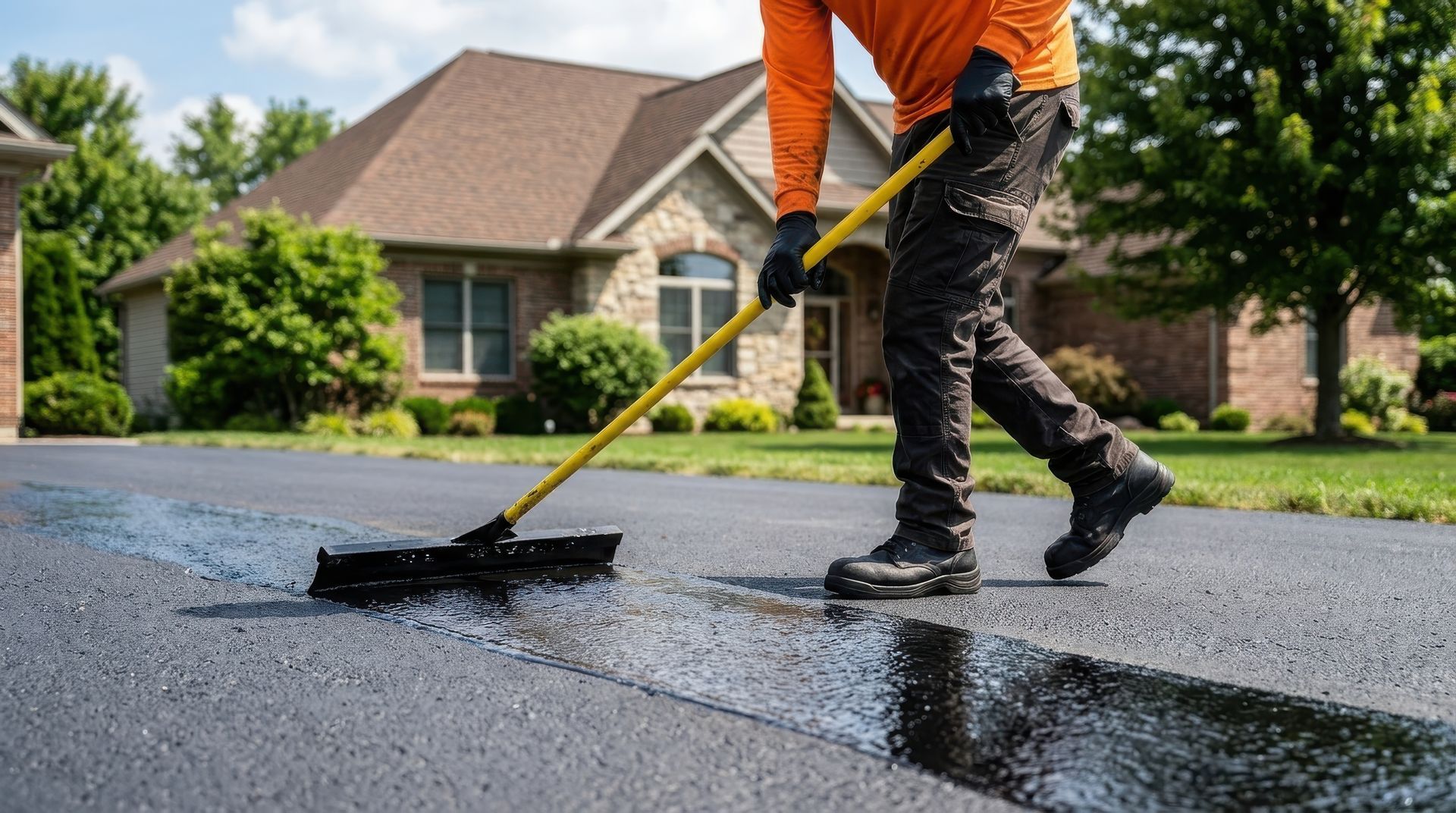
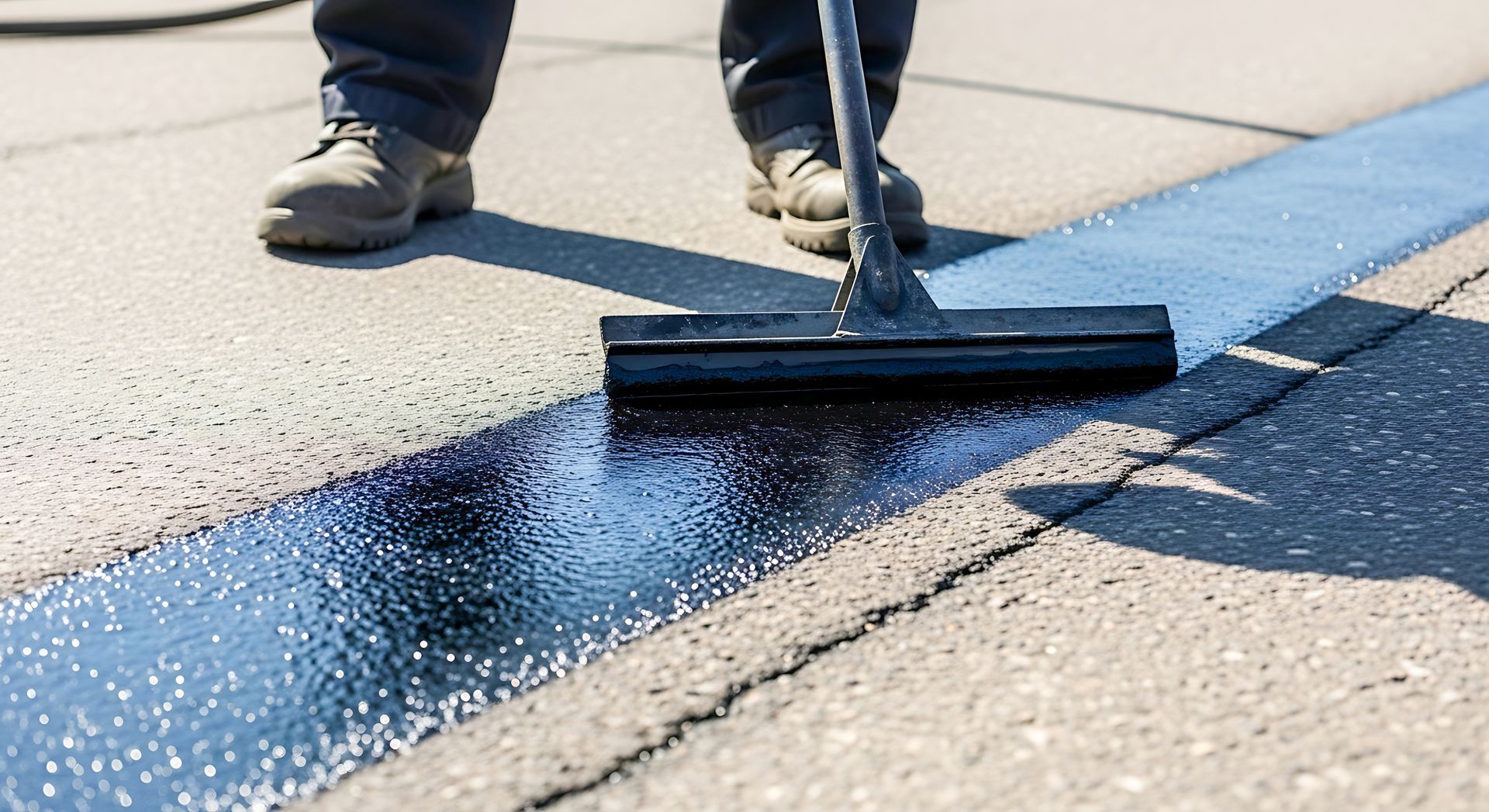
This chemical breakdown is known as oxidation. When asphalt oxidizes, it turns a light, weathered gray and loses its internal elasticity. While many property owners view this color change as a purely cosmetic issue, it actually proves that the asphalt has become brittle and uniquely prone to fracturing under heavy loads. Utilizing a professional asphalt sealcoating treatment acts as a sunscreen for your pavement, restoring the dark aesthetic while locking in essential oils to prevent further oxidation.
2. Small Hairline or Spiderweb Cracks Are Spreading
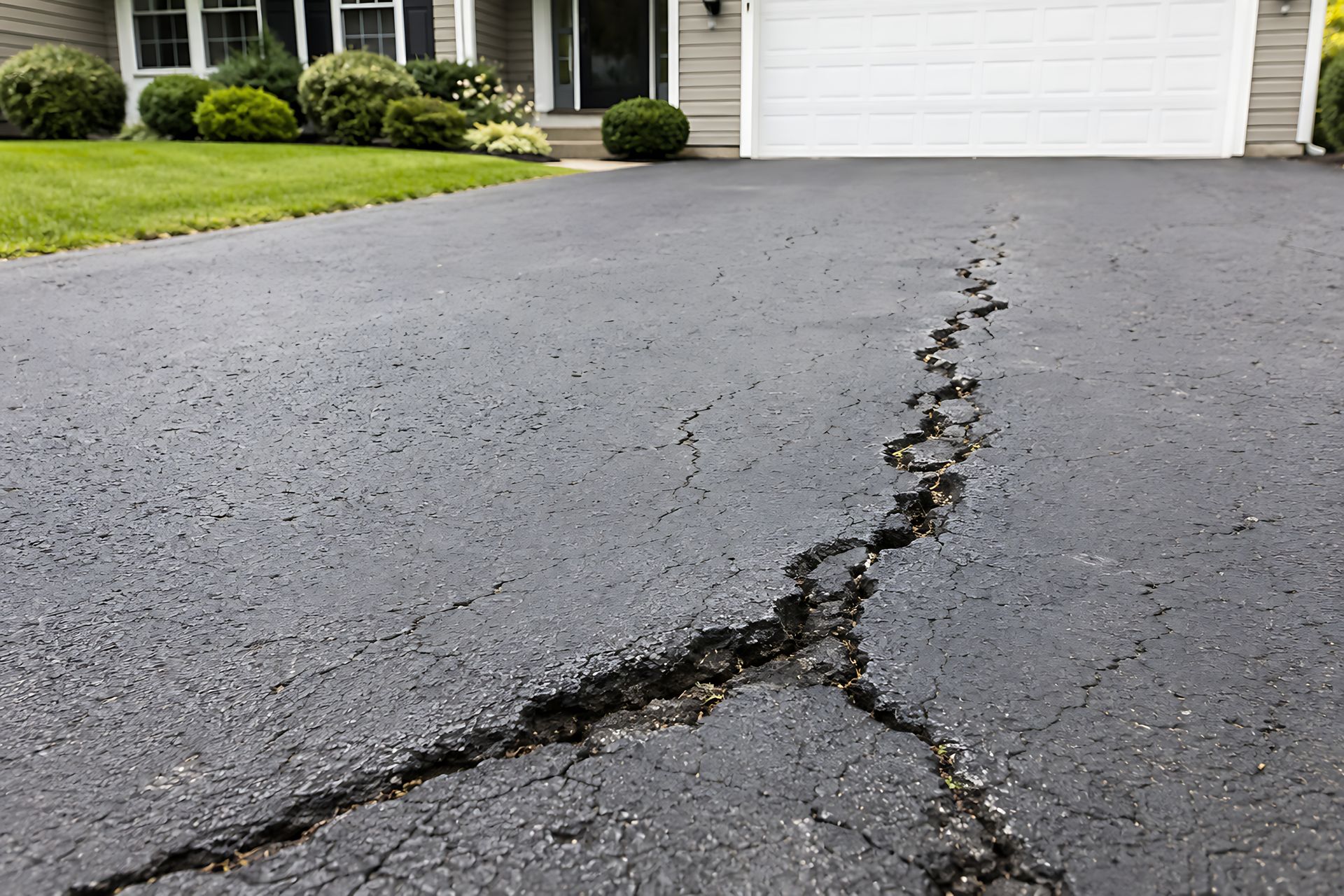
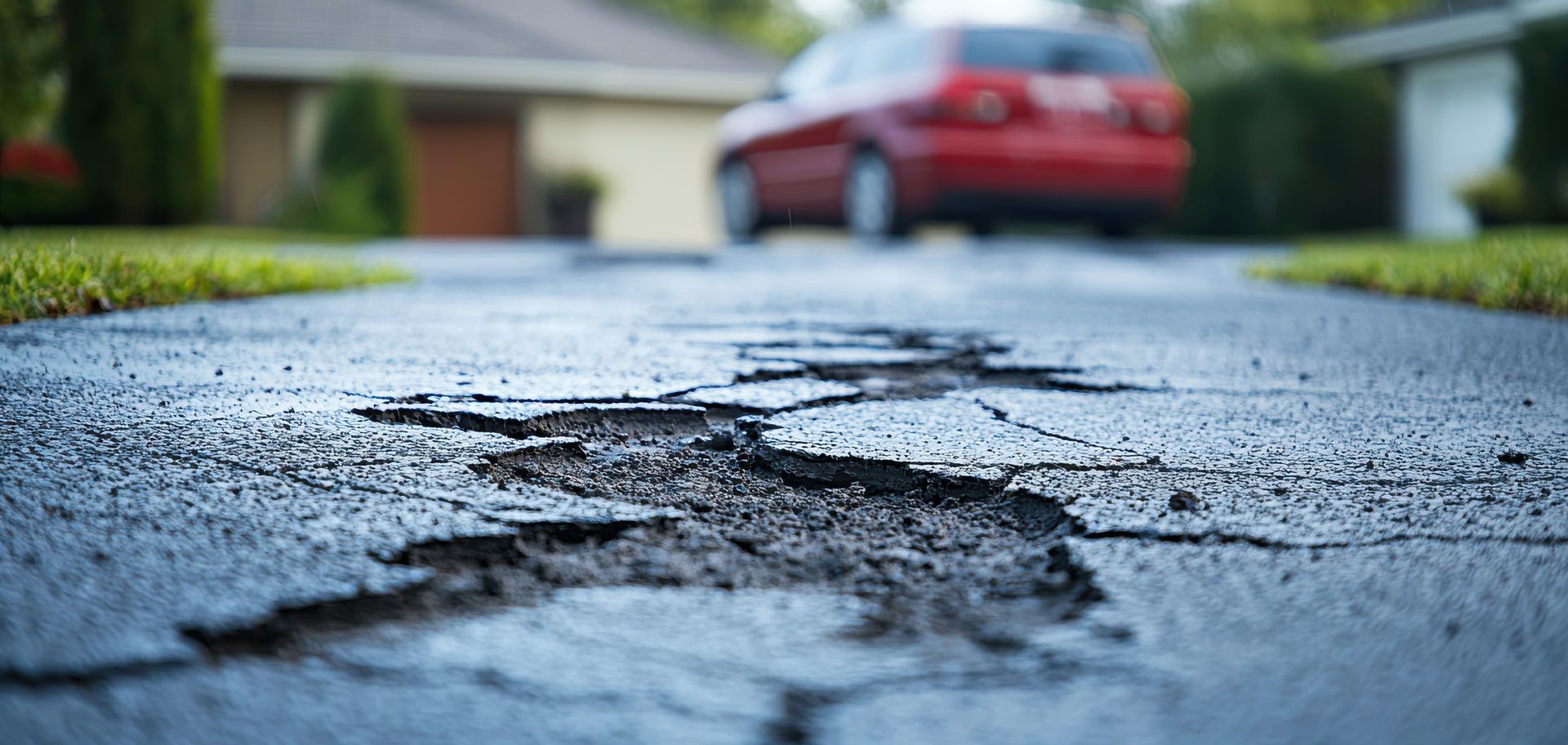
Cracks in a paved surface almost never remain small. What begins as a collection of minor hairline fractures or localized "checking" can rapidly expand across your entire asset. If you notice a pattern of intersecting cracks that resemble a spiderweb—frequently referred to in the industry as fatigue or alligator cracking—your pavement is actively crying out for protection.
When these minor entry points open up, they allow water to bypass the top layer and pool in the aggregate sub-base below. During seasonal temperature swings, this trapped water undergoes a destructive freeze-thaw cycle, expanding in volume and physically tearing the asphalt apart from the inside out. Investing in targeted asphalt maintenance and applying a protective sealcoat before these cracks widen is the single most effective way to prevent widespread pavement failure and avoid cost-prohibitive structural patching.
3. Water Is No Longer Beading on the Surface
A healthy, sealed asphalt surface is fundamentally hydrophobic, meaning it actively repels water and forces it to bead up and flow naturally toward designated storm drains or drainage ditches. When the top protective film degrades, the surface becomes highly porous, acting like a dense sponge. If you notice large areas of standing water, persistent dark damp spots hours after a rainstorm has passed, or visible moisture absorption, your protective barrier is officially gone.
Water infiltration is the absolute leading cause of premature pavement failure. Once moisture saturates the underlying soil, the foundation loses its load-bearing capacity, causing the top asphalt layer to sink, shift, and crack under the weight of standard vehicles. Applying high-performance sealcoating services restores an impermeable, seamless layer across the pavement, ensuring that stormwater slides cleanly off the surface rather than eroding your foundation.
4. The Surface Texture Is Becoming Increasingly Rough and Brittle
As the binder oils within the asphalt continuous to dry out from neglect, the aggregate (the stones, sand, and gravel embedded in the mix) begins to break free. This progressive shedding of materials is known as raveling, and it manifests as a rough, coarse, and highly abrasive surface texture. You might notice loose gravel collecting near the edges of your driveway or parking lot, or see fine gray dust washing away during rainstorms.
A rough texture is a clear indicator that the structural matrix of your pavement is destabilizing. If left unaddressed, the smooth driving surface will rapidly transform into a bumpy, uneven hazard that accelerates vehicle wear and tear. Implementing a routine program for parking lot sealcoating replenishes the missing fine binders, locks the loose aggregate back into a solid matrix, and smooths out the surface texture to deliver a pristine, high-traction finish.
5. Minor Damage Is Starting to Rapidly Multiply
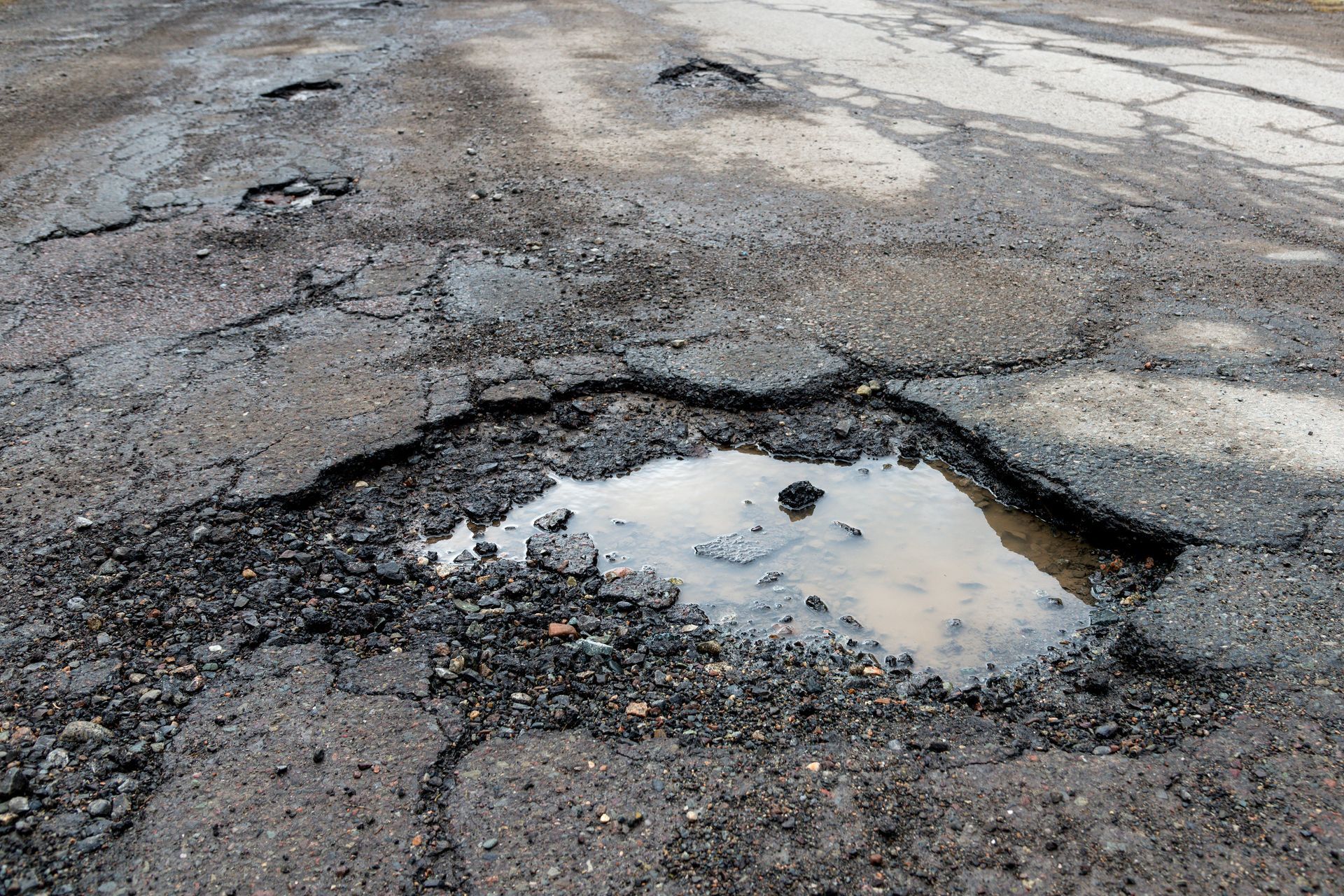
A single isolated fracture or an individual shallow depression might not demand emergency attention, but when multiple small defects begin appearing simultaneously, it means your asphalt has reached a tipping point. The emergence of minor edge raveling, small potholes, and accelerating crack density across different zones indicates that the pavement's overall structural life cycle is nearing its end.
At this advanced stage of exposure, delaying professional maintenance causes the rate of deterioration to compound exponentially. Unprotected asphalt will degrade much faster in its fifth year of exposure than it did in its second. Proactive property managers understand that addressing these multiplying defects early with an integrated plan is exponentially more affordable than waiting for total failure.
Why Delaying Preventative Maintenance Is a Costly Mistake
The most expensive mistake a property owner can make is adopting a reactive "wait and see" approach to asphalt care. Asphalt does not possess the capacity to self-heal; minor defects only evolve into major liabilities. Without an exterior protective shield, daily exposure to intense sunlight, automotive fluid leaks, and heavy traffic loads will systematically destroy the pavement layer by layer.
If you ignore the early signs of wear, a surface that could have been completely protected with affordable sealcoating will eventually require aggressive structural interventions. This includes extensive hot-mix asphalt patching, deep crack routing, milling, or even a full-depth pavement replacement. The long-term financial difference between managing your asset with preventative coatings versus paying for total excavation and repaving can easily scale into tens of thousands of dollars.
Maximize Your Property Investment with NextGen Great Sealcoating
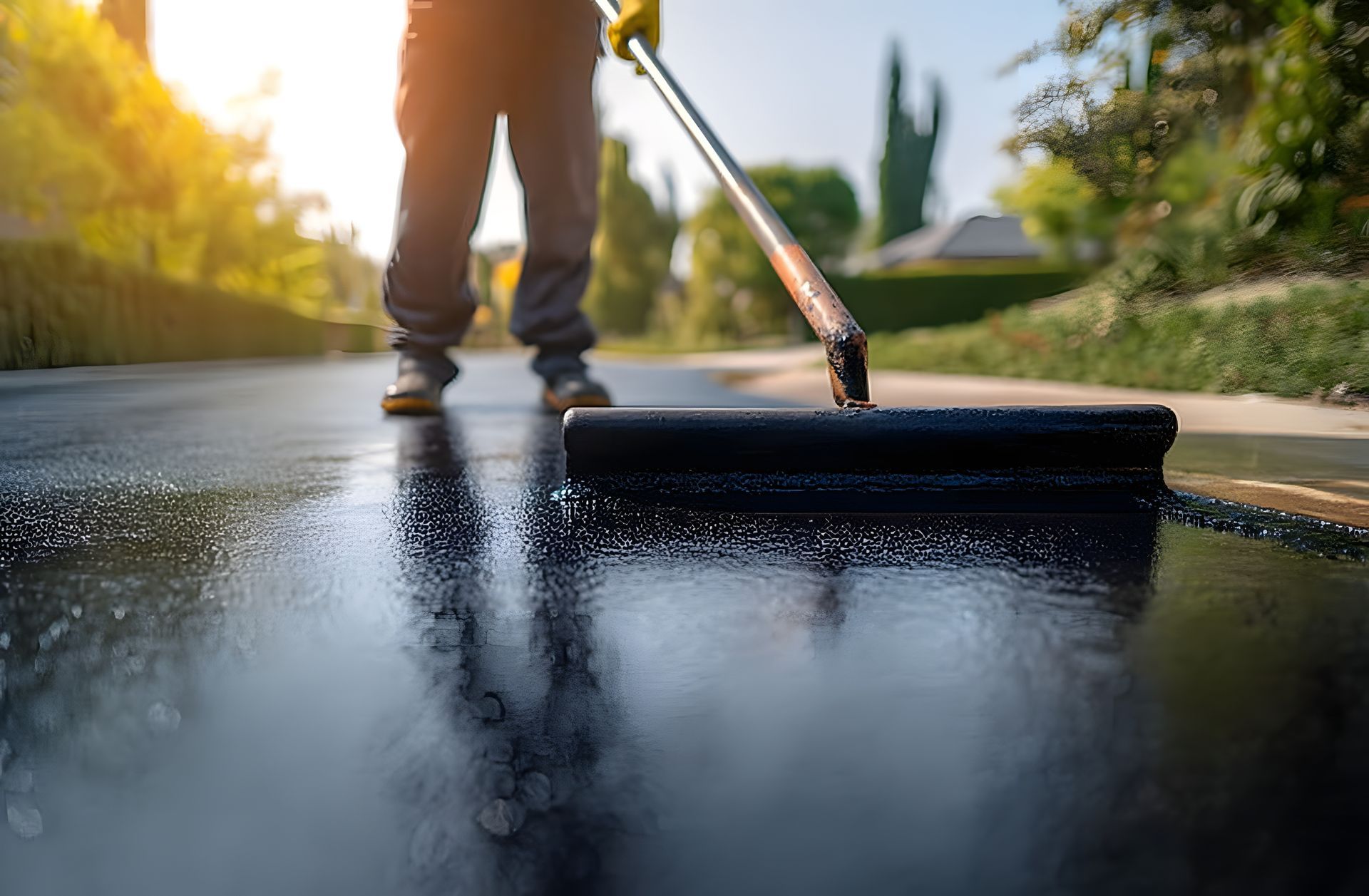
A professional sealcoat application functions as a robust, specialized shield that preserves the internal structural health of your driveway or parking lot. It provides total UV defense, seals out moisture, delivers chemical resistance against corrosive oil spills, and immediately updates your property's exterior aesthetic to a rich, uniform black.
If your asphalt is displaying any of these critical warning signs, do not wait for the next heavy rain cycle or winter freeze to worsen the damage. At NextGen Great Sealcoating, we specialize in premium commercial and residential pavement preservation. Our experienced teams use commercial-grade mixtures and precision application techniques to seal out the elements, dramatically extend your pavement's operational lifespan, and protect your budget. Contact our team today to secure your pavement before damage spreads.
What are the absolute first signs that I need asphalt sealcoating?
The two definitive early warning signs are color fading (shifting from black to a light ash gray) and the appearance of fine hairline cracks. These indicators prove that the liquid asphalt binders are oxidizing and losing their flexibility.
How often should a residential driveway or commercial parking lot be sealed?
As a standard rule of preventative maintenance, most asphalt surfaces should be sealcoated every two to three years. This timeframe can vary slightly based on local weather extremes, snowplow usage, and the volume of daily vehicle traffic.
Does sealcoating fix existing potholes and large cracks?
No, sealcoating is purely a preventative measure designed to seal the surface. It cannot bridge structural potholes or wide gaps. Prior to application, a contractor must perform professional asphalt repair and crack filling to ensure a uniform repair.
Why is faded, gray asphalt considered a structural threat?
Fading indicates that the binder oils have dried out due to UV damage. Without these oils, the asphalt becomes brittle, fragile, and completely unable to flex under vehicle weight, which directly causes cracking.
Can professional sealcoating services genuinely save me money over time?
Absolutely. Regularly sealing your pavement costs a fraction of the price of an overlay or a full repaving job, allowing you to double the operational life of your asphalt while avoiding major structural repairs.