The Danger of Unvetted Driveway Sprayers Skipping Crucial Structural Crack-Sealing Steps
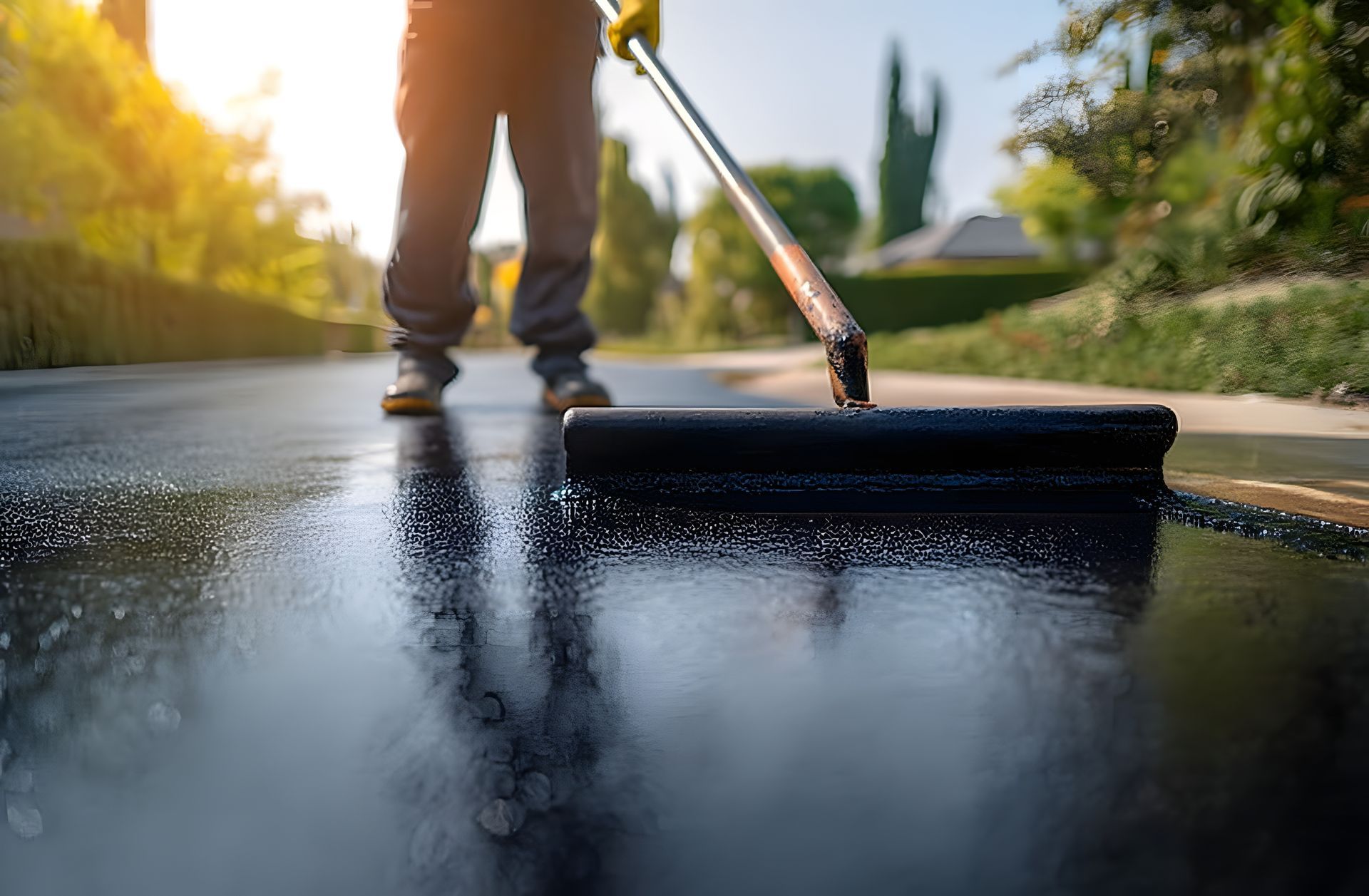
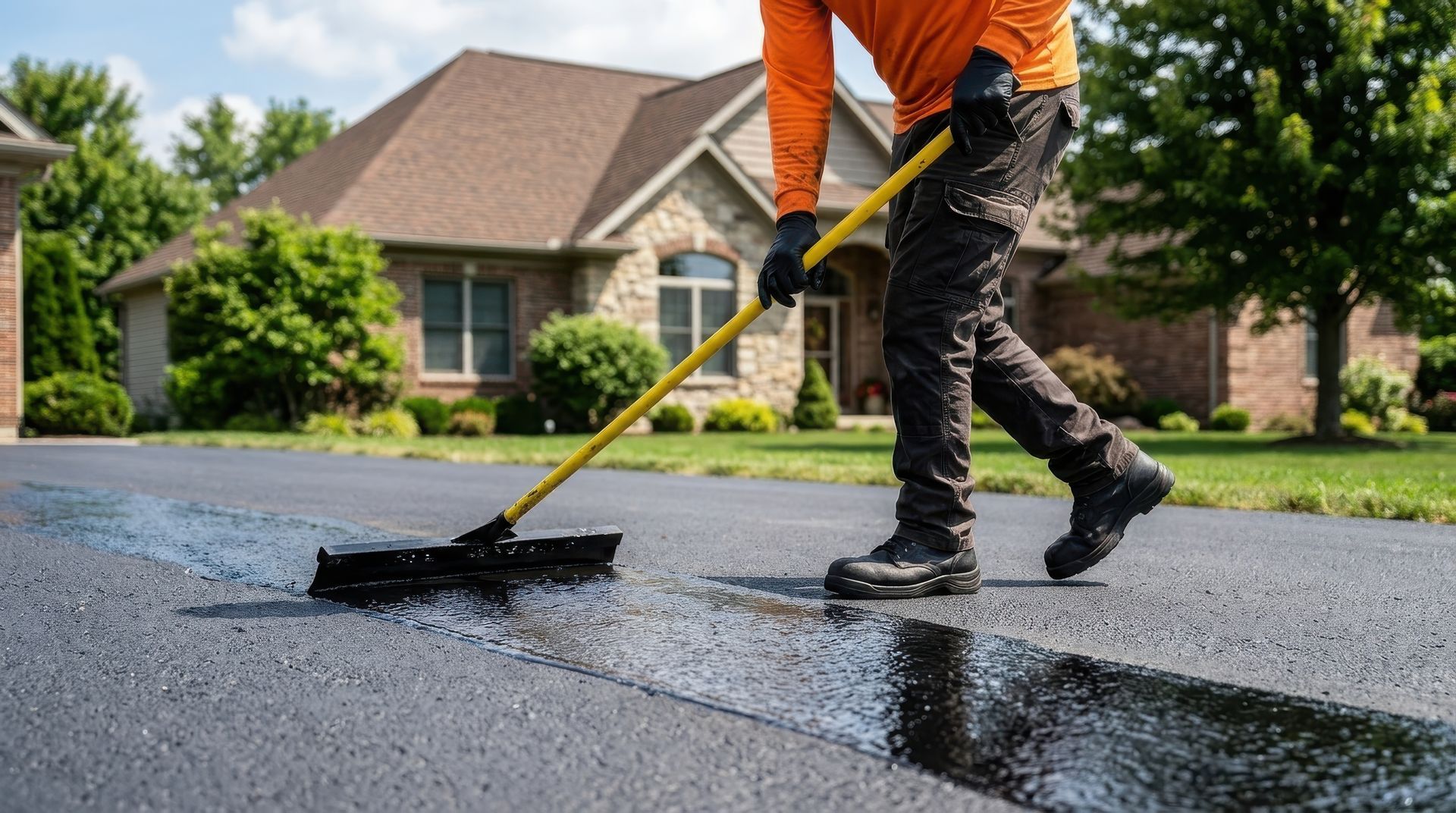
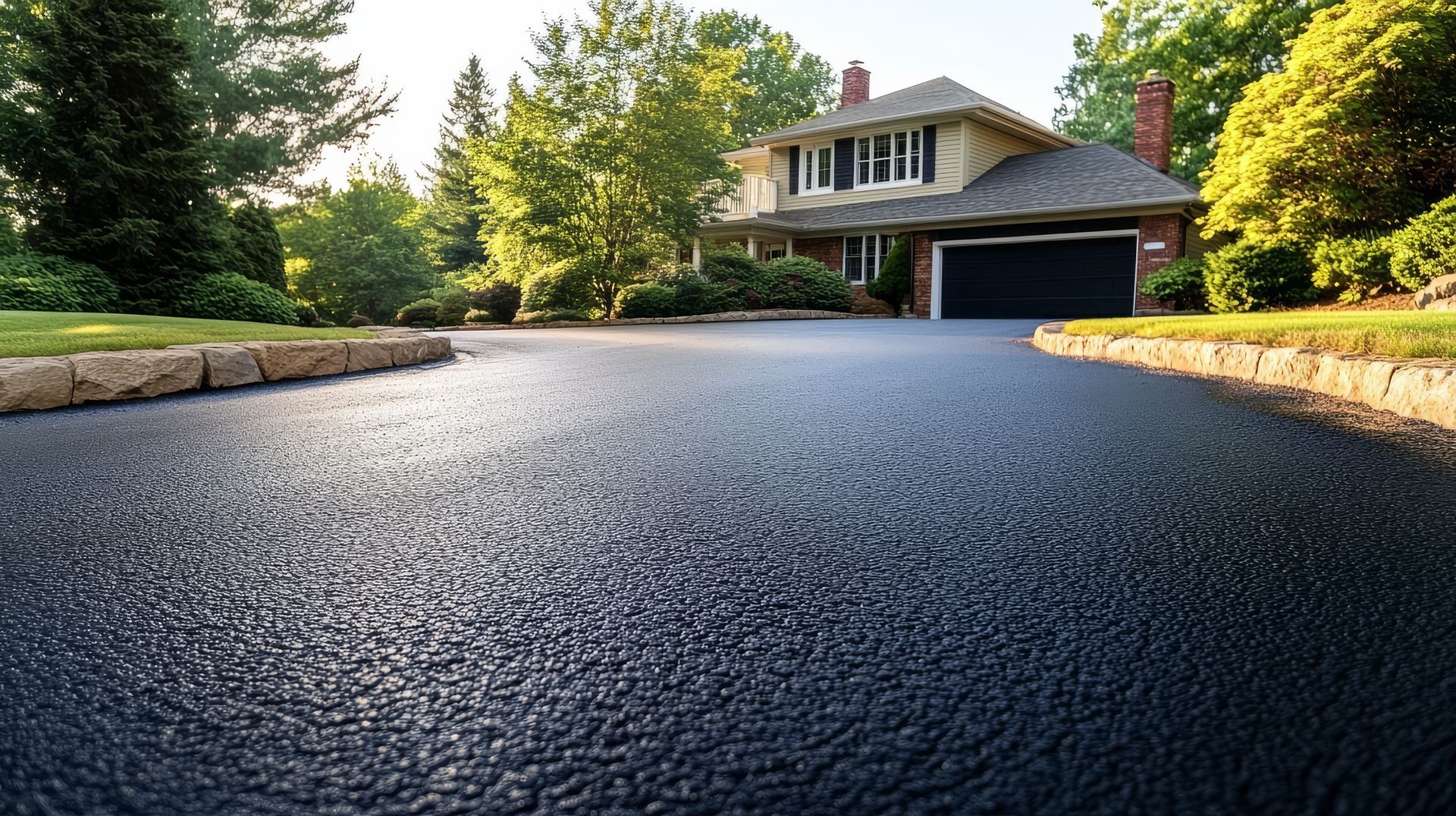
A freshly treated driveway can easily create a powerful visual illusion. The deep, uniform coal-black finish often gives homeowners the false impression that their pavement has been completely restored, reinforced, and protected against the elements. Unfortunately, surface appearances can be deeply deceiving. While a quick layer of sprayed topcoat instantly boosts immediate curb appeal, it does absolutely nothing to remedy underlying structural damage if the critical preparation phases are bypassed.
One of the most widespread issues in the residential paving market is the proliferation of unvetted, low-cost contractors who deliberately skip structural crack sealing prior to spraying their product. To an unsuspecting homeowner, the finished project might look identical to a premium application on day one. However, beneath that thin, cosmetic film, untreated structural fractures continue to expand, systematically destroying your property's foundation with every passing rain cycle.
Why Mechanical Crack Sealing Matters Before Sealcoating
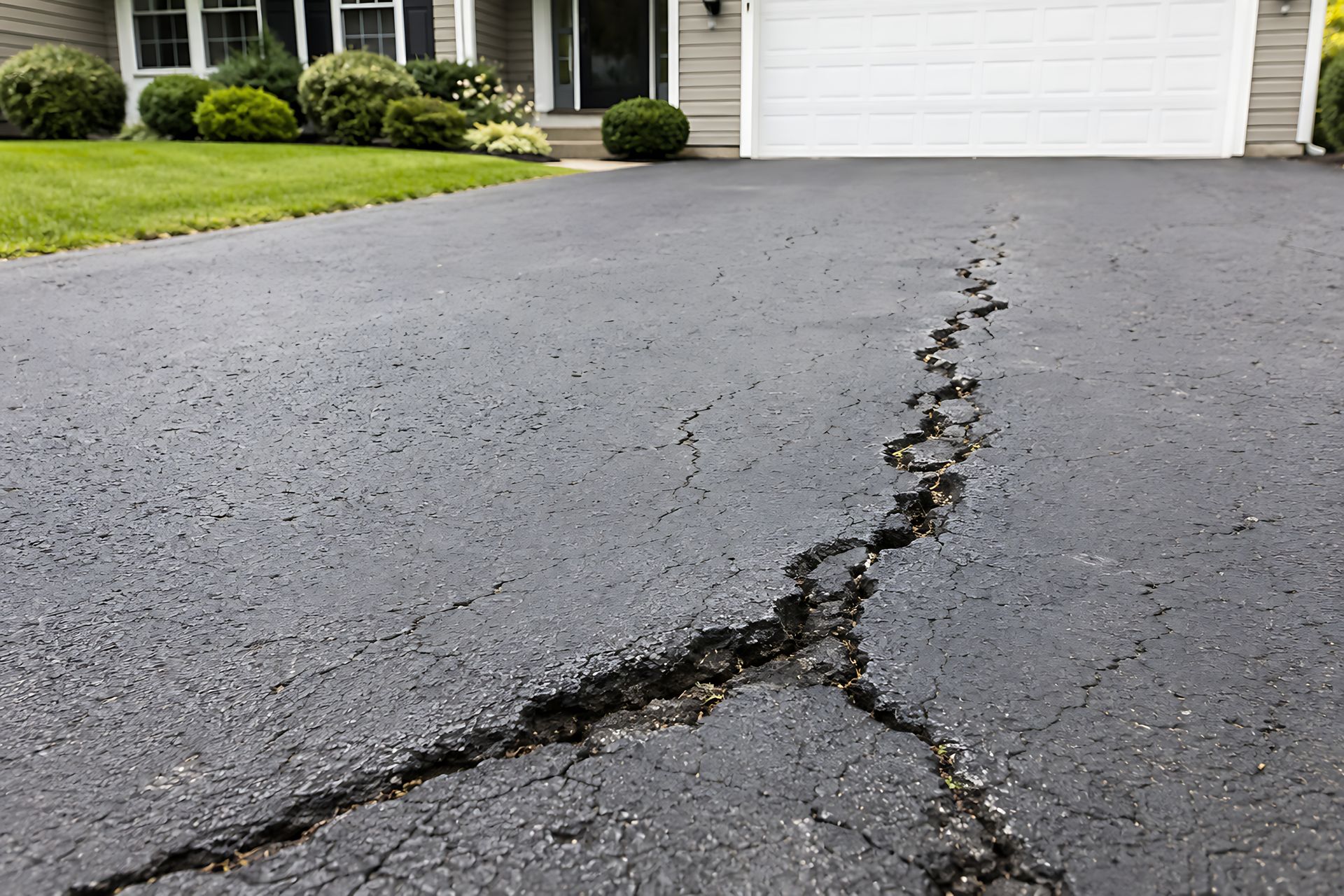
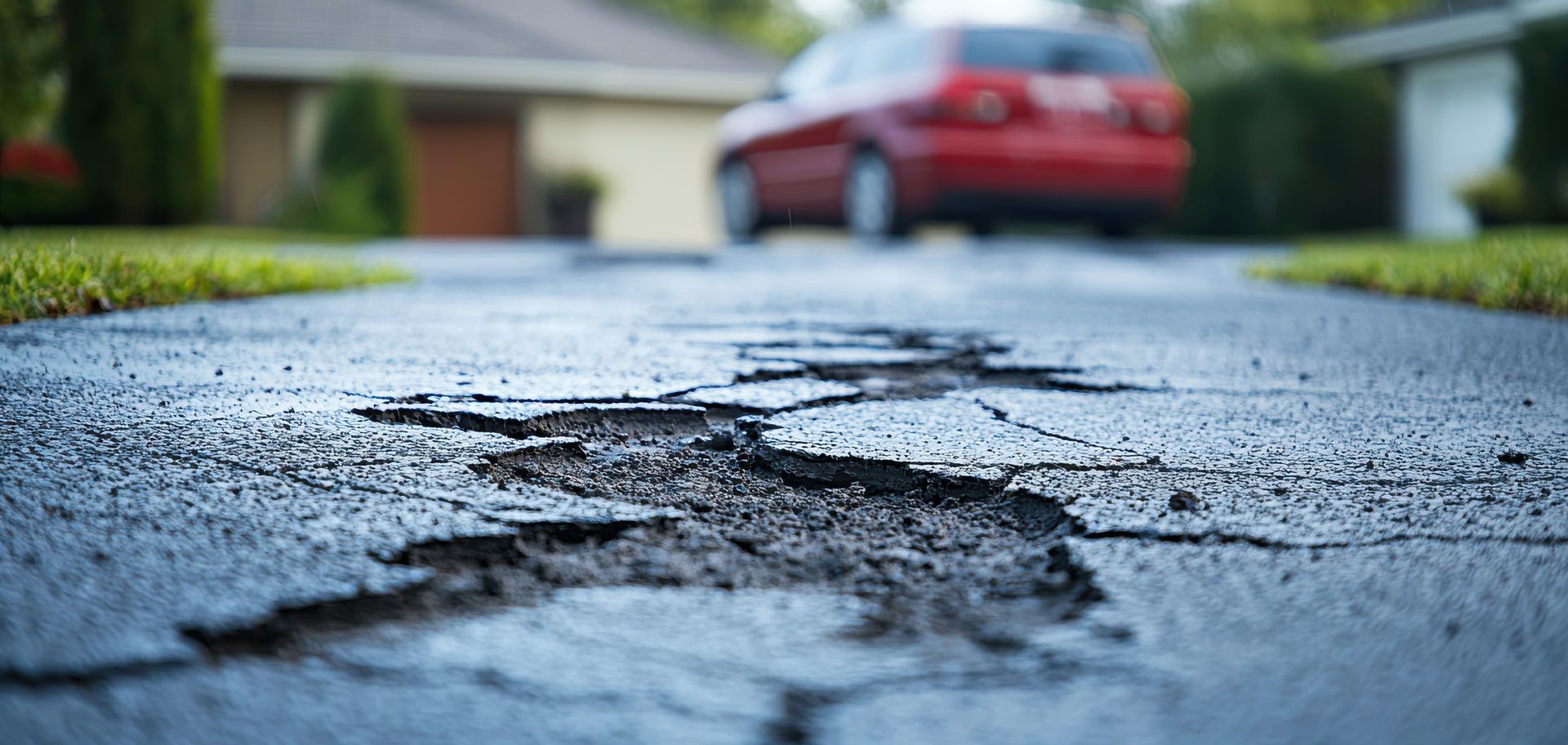
Asphalt fractures are far more than minor aesthetic blemishes; they are active, expanding structural wounds. When a driveway cracks, it breaks the impermeable seal of the top layer, leaving the subterranean aggregate base completely vulnerable. If a contractor simply sprays a thin coat of sealer directly over an open crack, the liquid will merely bridge the gap temporarily or run straight down into the void, failing to create a structural plug.
Without a dedicated rubberized joint sealant, these open pathways invite continuous water intrusion deep into the soil base. Once moisture saturates the sub-grade, it undermines the load-bearing capacity of the earth beneath your driveway. As heavy vehicles drive over these hollowed-out zones, the unsupported asphalt sags, fractures, and caves in. Investing in dedicated crack sealing services before applying a topcoat is the only way to block this moisture and prevent localized failures from expanding across your entire asset.
The Destructive Freeze-Thaw Cycle and Sub-Base Erosion
For homeowners managing residential real estate, moisture infiltration becomes exponentially more destructive during seasonal temperature swings. When water enters unsealed fractures and settles into the underlying gravel base, it remains trapped. The exact moment winter temperatures drop below freezing, that trapped water undergoes a violent phase change, expanding in volume by roughly 9%.
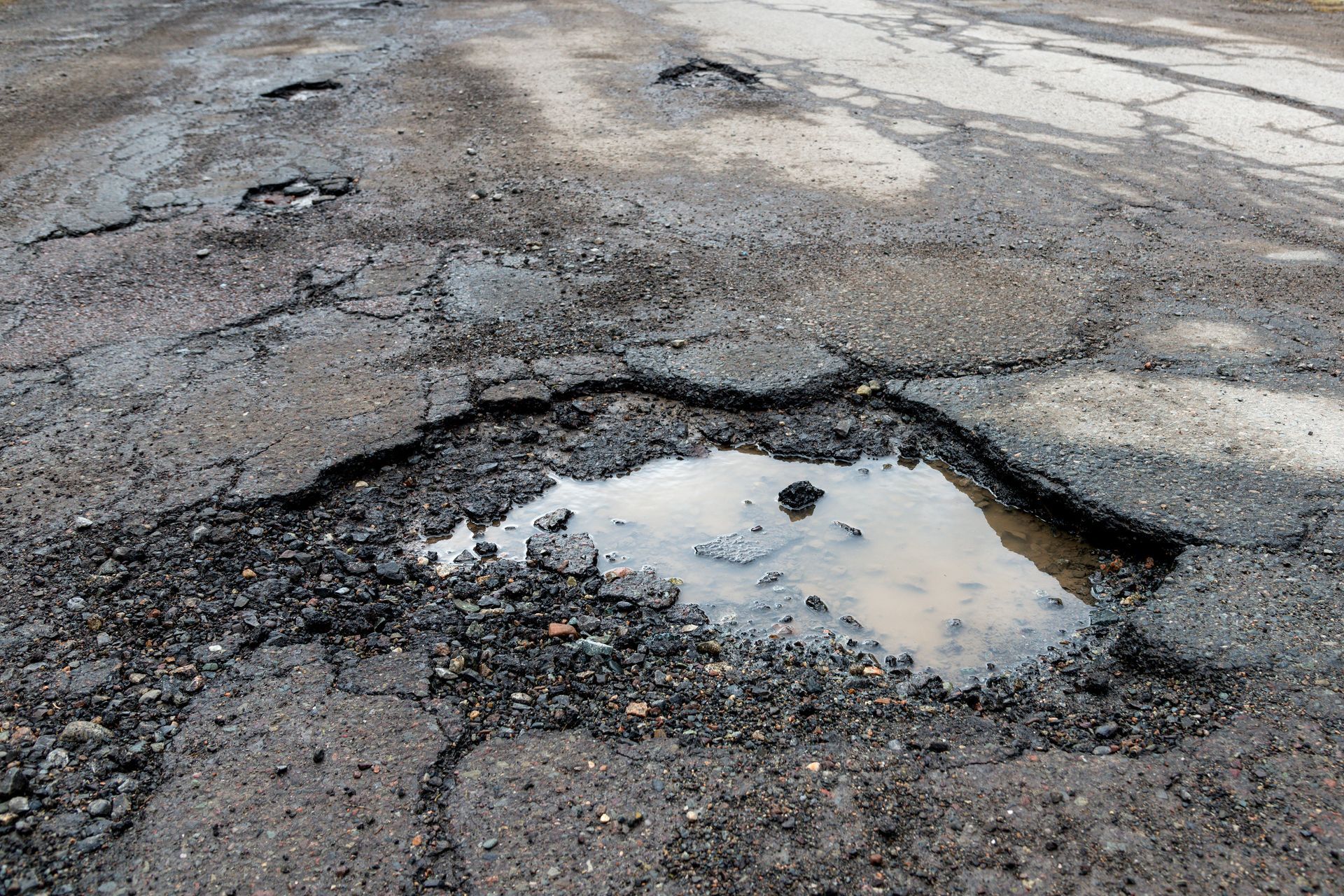
This expansion exerts immense upward hydraulic pressure against the underside of the pavement, a destructive phenomenon known as frost heaving. When the ice thaws in the spring, it leaves behind a vacant structural void beneath the surface. Lacking a solid foundation, the brittle, un-elastomeric top layer rapidly collapses under standard vehicle axle loads, producing severe alligator cracking and deep potholes. Applying professional asphalt preservation compounds without sealing these cracks first simply seals the moisture inside, accelerating foundation rot.
The Real Mechanical Differences: Sealer vs. Rubberized Compounds
One of the most persistent misconceptions among consumers is the belief that a thick layer of driveway sealer will naturally fill and repair open cracks. In reality, driveway sealcoating and structural crack sealing utilize completely different chemical compounds engineered for entirely distinct performance metrics:
- Asphalt Sealcoating: Formulated as a thin, liquid protective barrier designed to shield the top layer from UV oxidation, lock in internal bitumen oils, and provide chemical resistance against oil leaks. It lacks the tensile strength or structural body to bridge moving fractures.
- Structural Crack Sealing: Utilizes a highly specialized, rubberized polymer block that is melted down at temperatures exceeding 350°F (177°C). This hot-applied elastomeric compound is injected directly into the deep core of a routed fracture, creating a flexible, completely impermeable waterproof bond that stretches and contracts naturally alongside seasonal pavement shifts.
How Unvetted Contractors Exploit Surface Appearances
The reason cut-rate "driveway sprayers" can offer incredibly cheap, too-good-to-be-true pricing is directly linked to their omission of proper preparation labor. Executing a true structural repair requires significant time, technical equipment, and specialized material costs. A contractor must individually route out dirt and vegetation from every fracture using high-powered wire wheels or hot-air lances before injecting premium hot rubberized fillers.
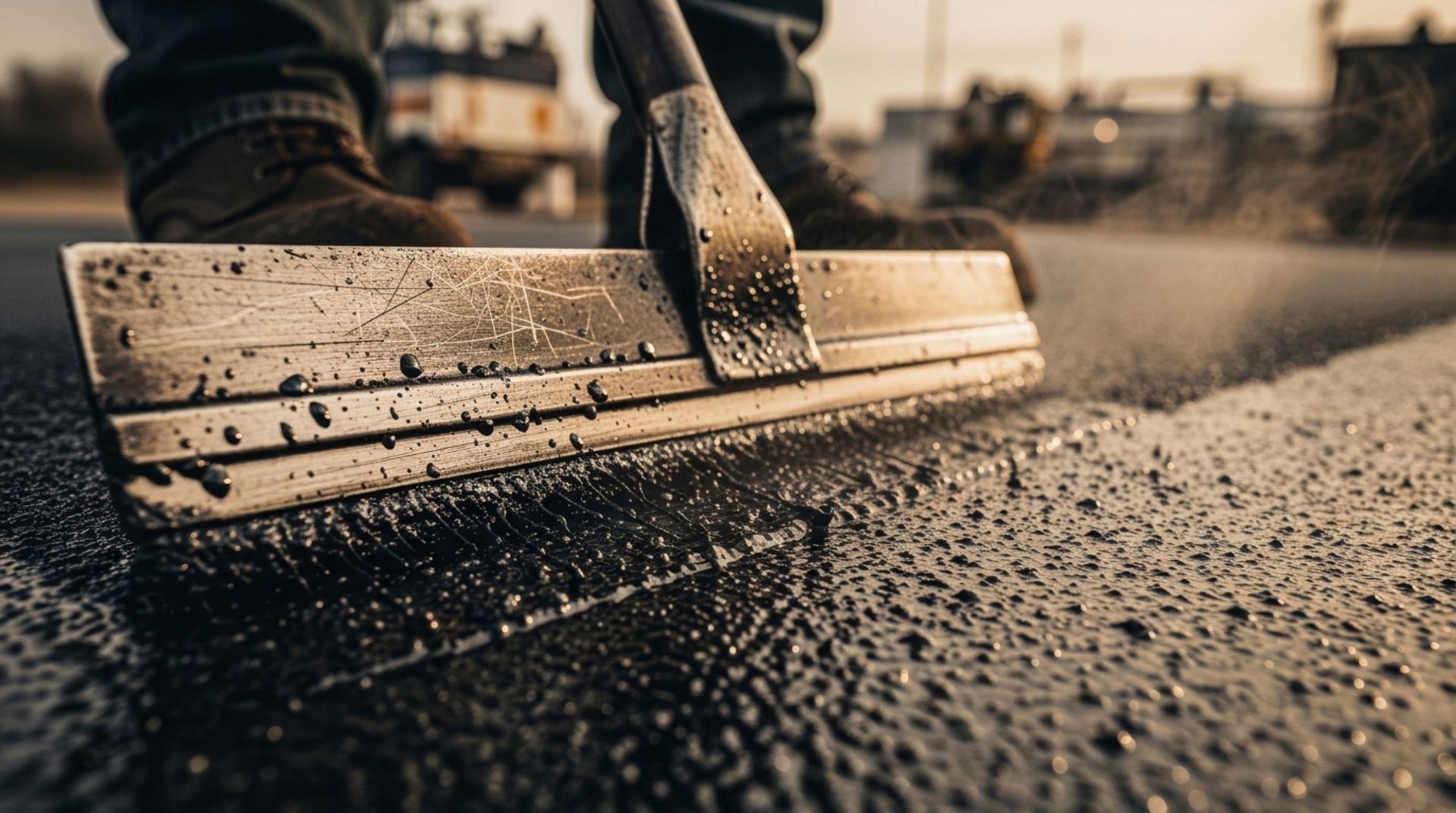
By completely bypassing this labor-intensive phase, a low-cost applicator can rush through multiple driveways a day, using cheap, heavily diluted sealers to mask the open gaps. While your driveway will look uniform for a few months, the thin layer over the cracks will rapidly split, flake away, and cave in before the year concludes. This deceptive practice leaves you with a severely compromised foundation and forces you to seek expensive structural patching or total resurfacing far sooner than expected.
Secure Your Pavement Investment with NextGen Great Sealcoating
When it comes to maintaining your home's exterior infrastructure, pursuing cheap, un-vetted labor is one of the most expensive choices you can make. Pavement does not possess the capacity to self-heal, and masking structural damage with a cosmetic coat only ensures that your future remediation costs will compound exponentially. True, long-lasting asphalt maintenance requires a meticulous focus on substrate preparation.
At NextGen Great Sealcoating, we reject shortcuts in favor of verifiable, commercial-grade field methods. Our residential teams perform an exhaustive, multi-step preparation lifecycle—including deep power-sweeping, weed eradication, targeted hot-applied rubberized structural sealing, and precision hand-applied or uniform spray coatings. Protect your property value and secure a resilient, high-traction finish—contact us today to lock in your comprehensive site evaluation and experience the lasting power of master-crafted asphalt preservation.
Why can't standard driveway sealcoating seal up open cracks?
Driveway sealer is a thin, liquid maintenance film designed strictly to coat flat surfaces and block UV rays. It lacks the structural thickness, body, and chemical elasticity required to fill a deep fracture or expand and contract with seasonal temperature drops, causing it to crack right back open.
What happens to my driveway's foundation if I skip crack sealing?
Skipping this step allows rainwater and melting snow to pour straight through the asphalt into the stone sub-base. This moisture erodes the supporting soil and expands during winter freezes, creating sub-surface voids that rapidly cause potholes and widespread pavement collapse.
What is the difference between hot-applied crack sealant and cold-pour hardware store tubes?
Cold-pour retail fillers are water-based products that shrink significantly as they dry, often cracking and failing within a single season. Professional hot-applied sealant is a rubberized polymer melted at over 350°F that forms an instant, flexible, industrial-strength waterproof weld within the asphalt matrix.
What are the key warning signs of a low-quality, untrustworthy sealcoating contractor?
Red flags include unusually cheap pricing, door-to-door solicitation with "leftover materials," a complete lack of dedicated cleaning or crack-clearing equipment, and pushing to spray the sealer immediately without evaluating or treating open structural fractures.
Is performing hot-applied structural crack sealing genuinely worth the extra upfront cost?
Yes, absolutely. Spending a marginal amount on proper crack sealing prevents thousands of dollars in advanced damage. It stops small fractures from turning into widespread failures, effectively doubling the overall operational lifespan of your driveway.