How Routine Sealcoating Extends the Life of Your Asphalt
Your parking lot is one of the largest investments on your commercial property, and like any investment, it requires regular maintenance to perform its best. While asphalt is built to withstand years of traffic and changing weather conditions, it isn't immune to deterioration.
Routine
sealcoating provides a protective barrier that helps preserve your pavement, improve its appearance, and reduce the likelihood of costly repairs. By making sealcoating part of your long-term maintenance plan, you can maximize the life of your asphalt while keeping your property looking professional.
Asphalt Faces Daily Wear and Tear
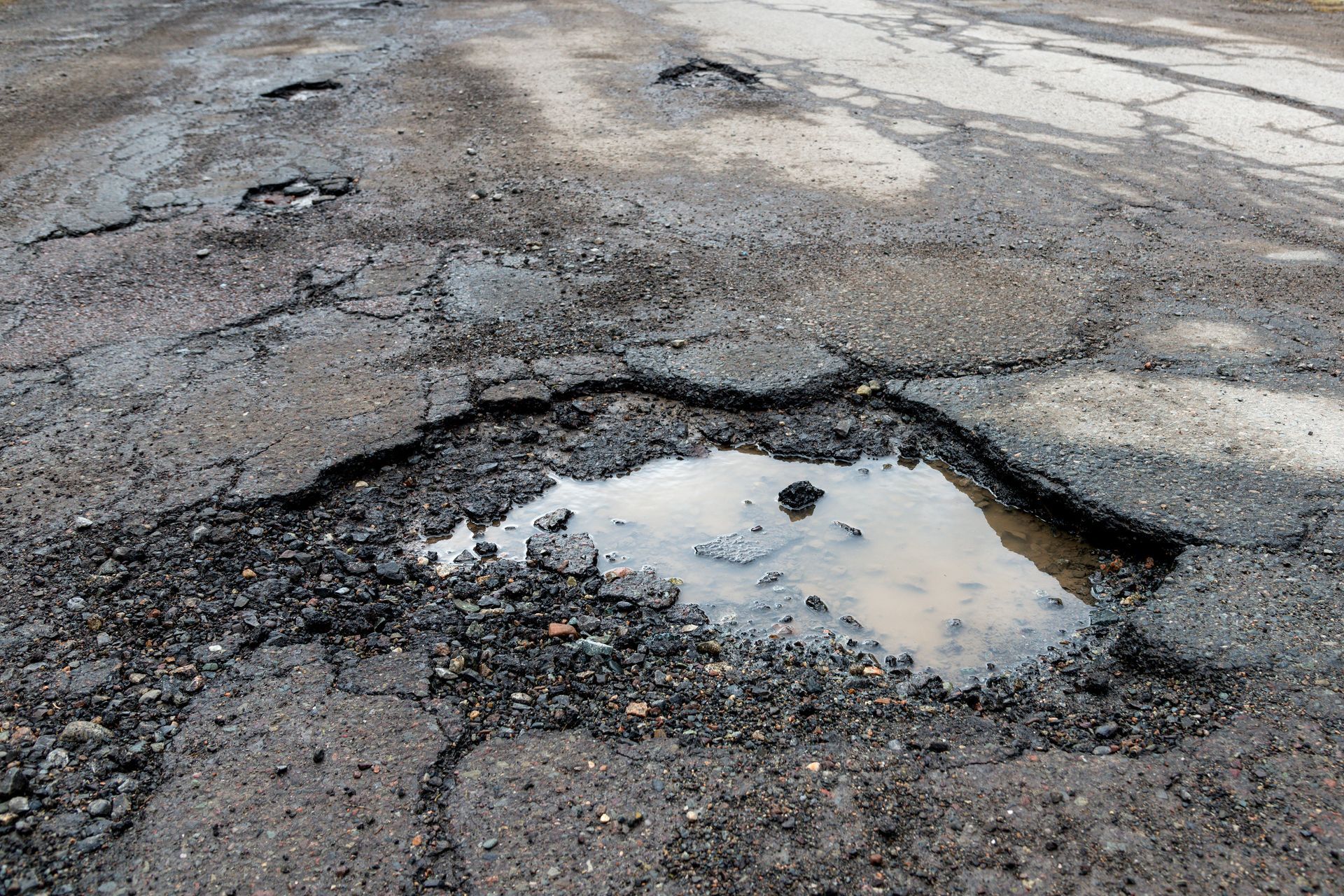
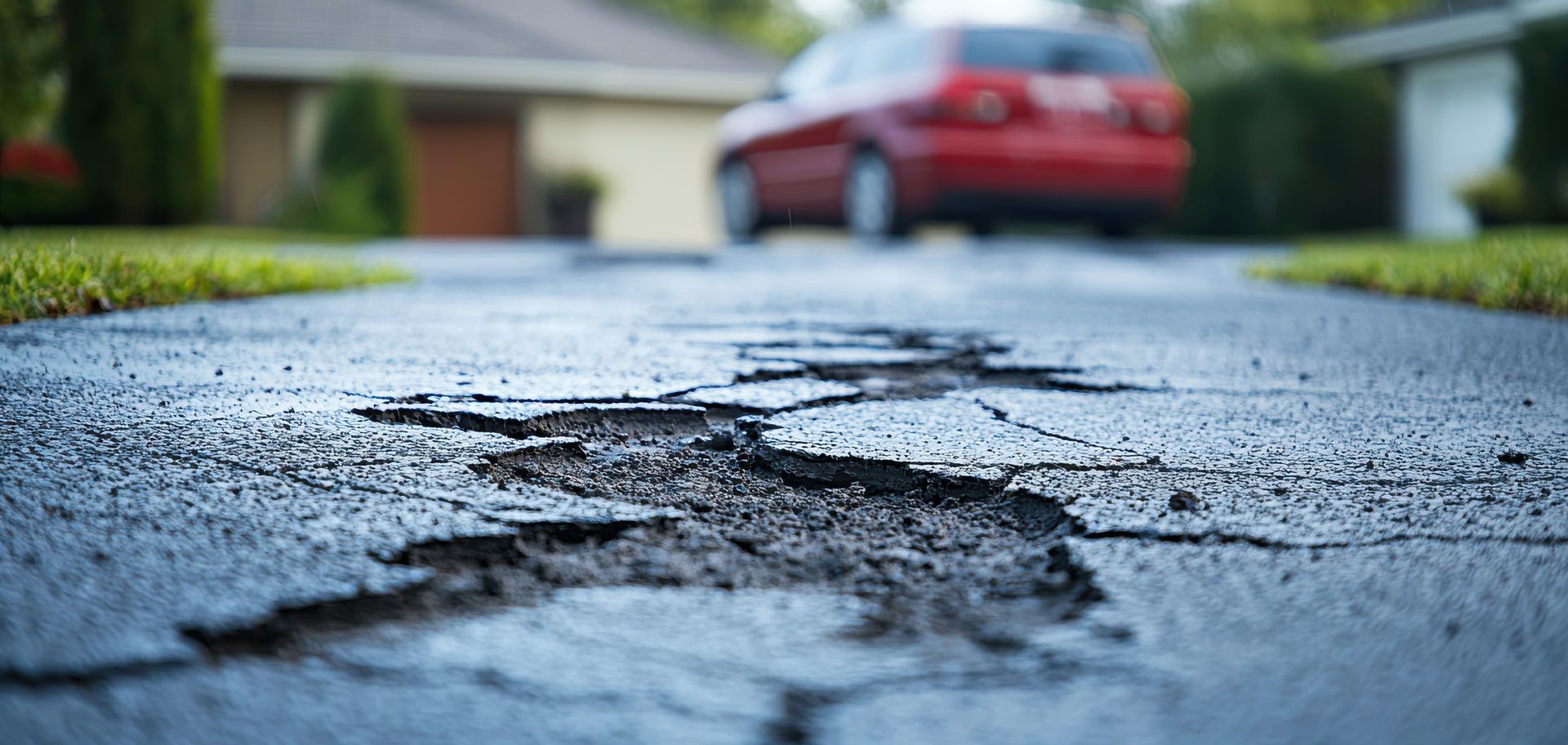
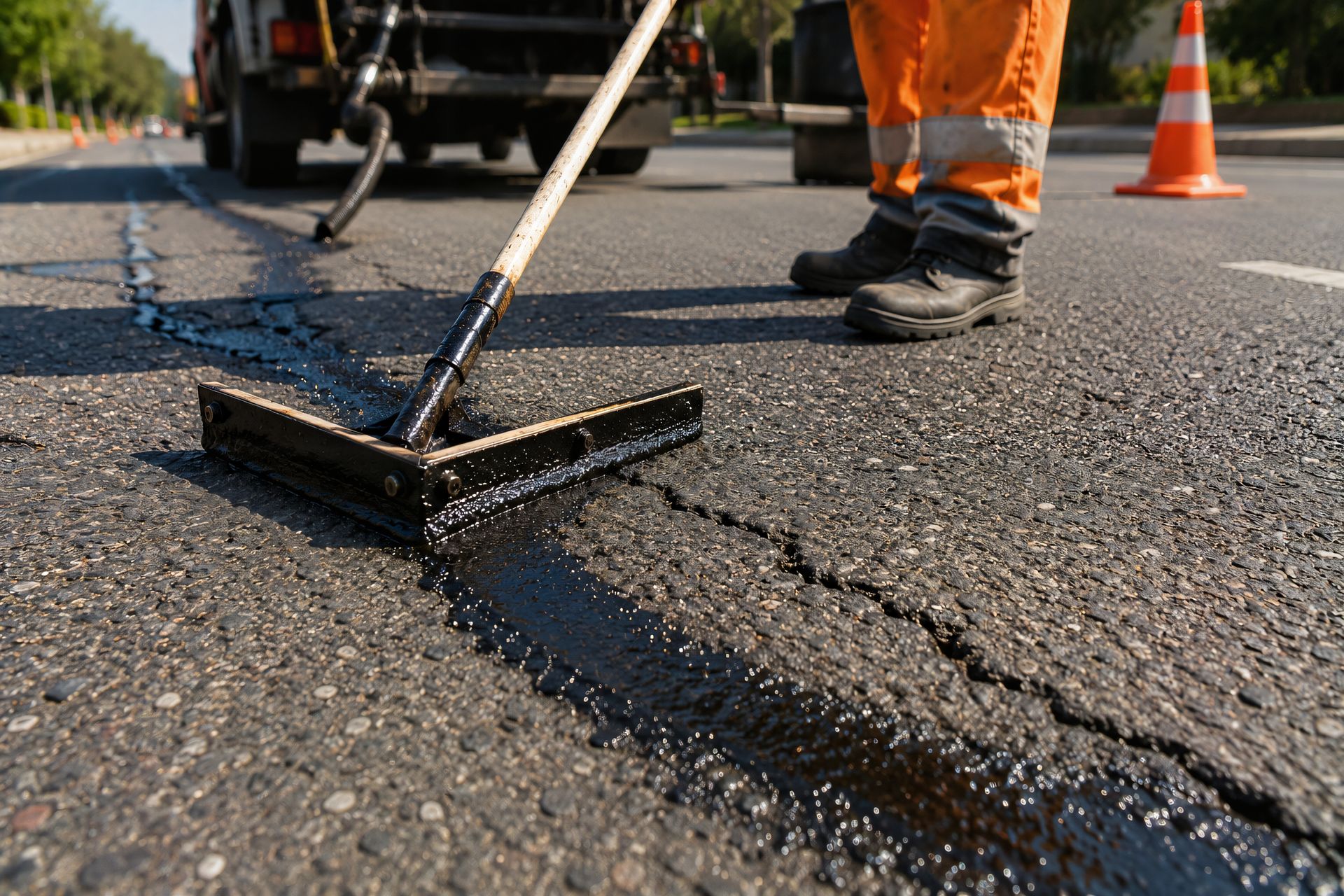
Every day, your pavement is exposed to conditions that gradually break it down.
These include:
- Heavy vehicle traffic
- UV rays from the sun
- Rain and moisture
- Oil and fuel spills
- Dirt and debris
- Seasonal temperature changes
Without protection, these elements can accelerate pavement aging and lead to surface deterioration.
Sealcoating Helps Protect Your Investment
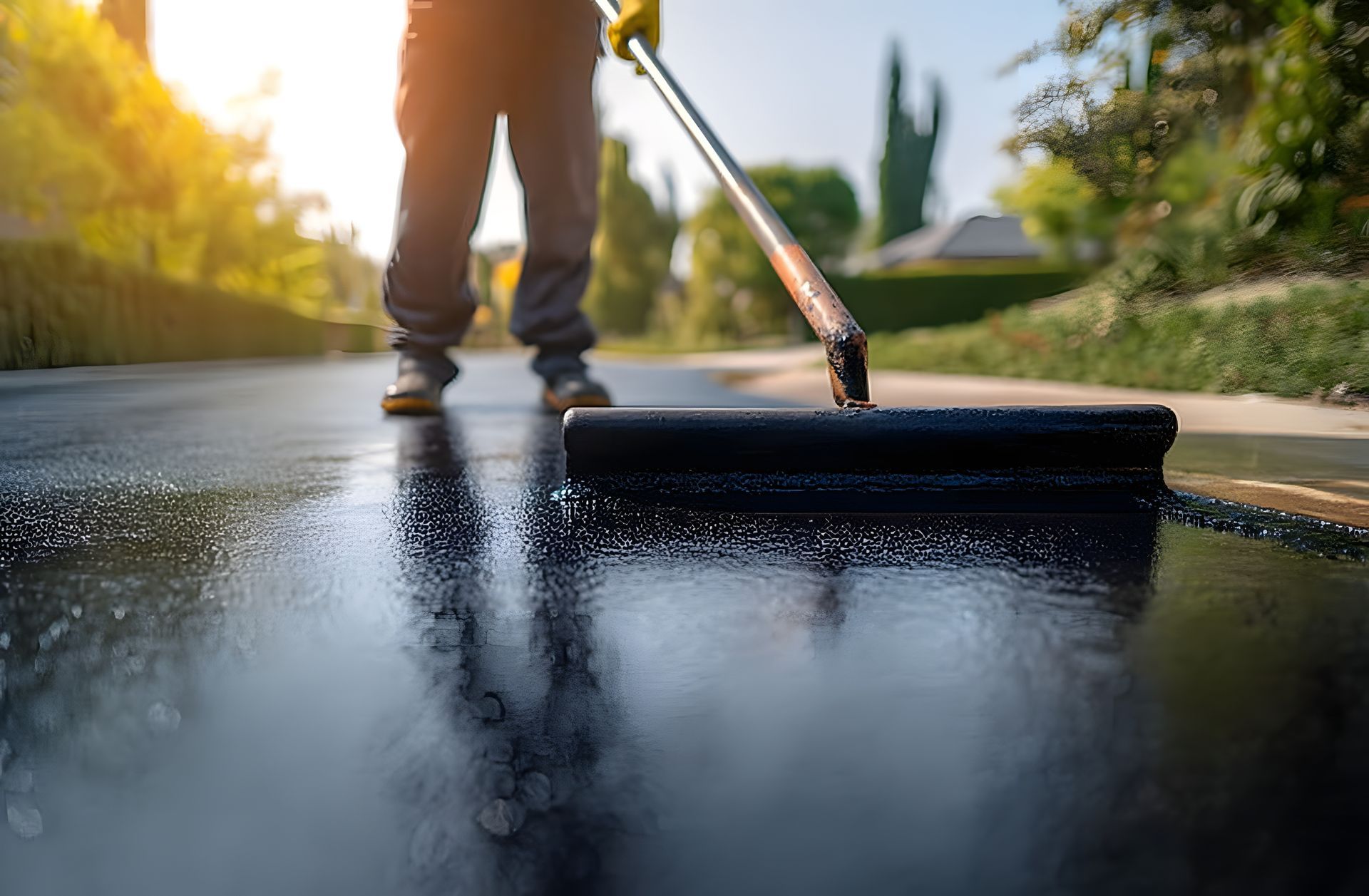
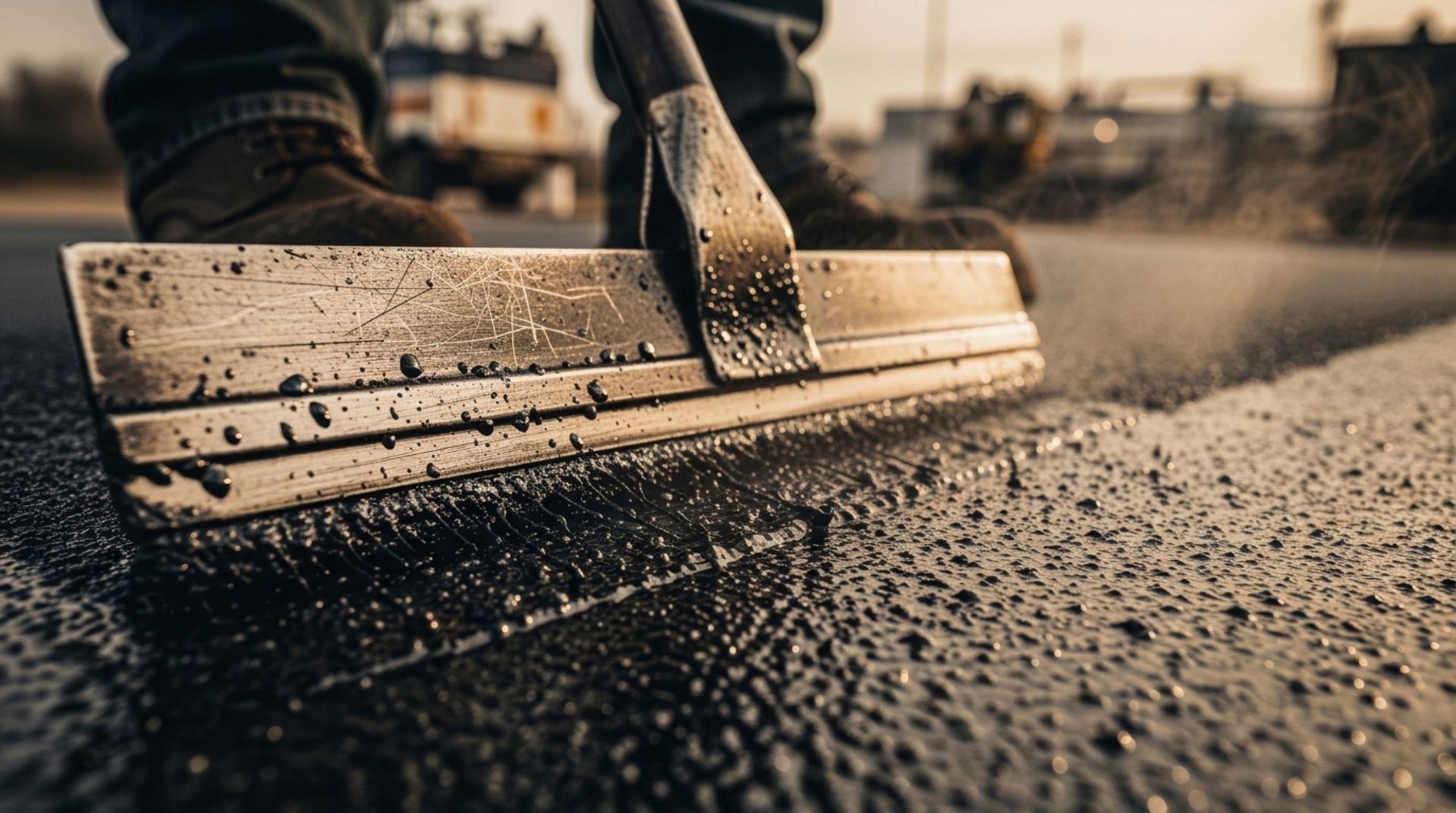
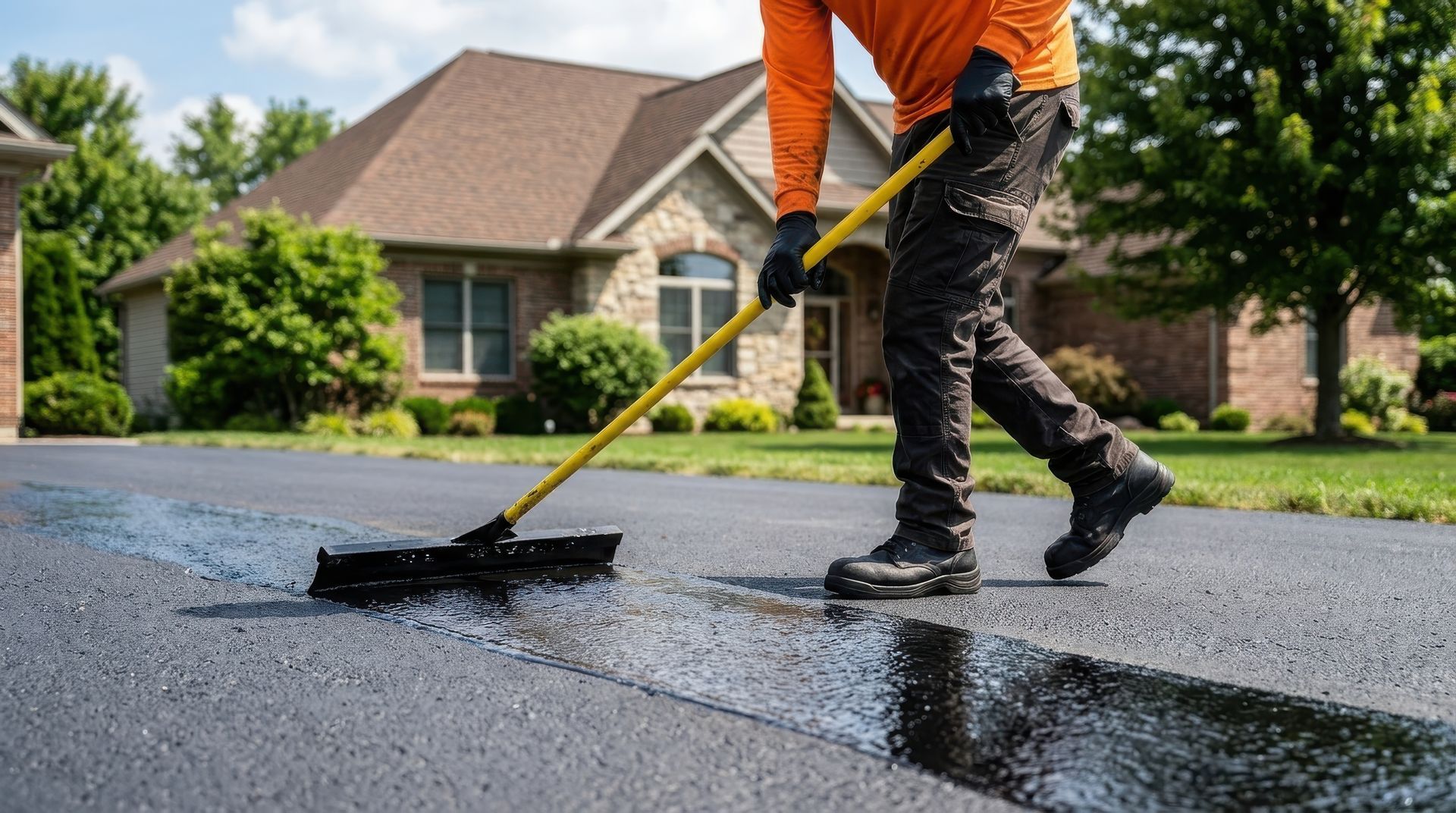
A professionally applied sealcoat creates a protective layer over your asphalt.
This protective coating helps:
- Slow oxidation
- Reduce moisture penetration
- Protect against oil and fuel damage
- Improve resistance to UV exposure
- Maintain a smoother surface
Sealcoating doesn't eliminate wear, but it significantly helps reduce the effects of everyday exposure.
Improve Curb Appeal
Appearance matters.
A freshly sealcoated parking lot creates:
- A rich black finish
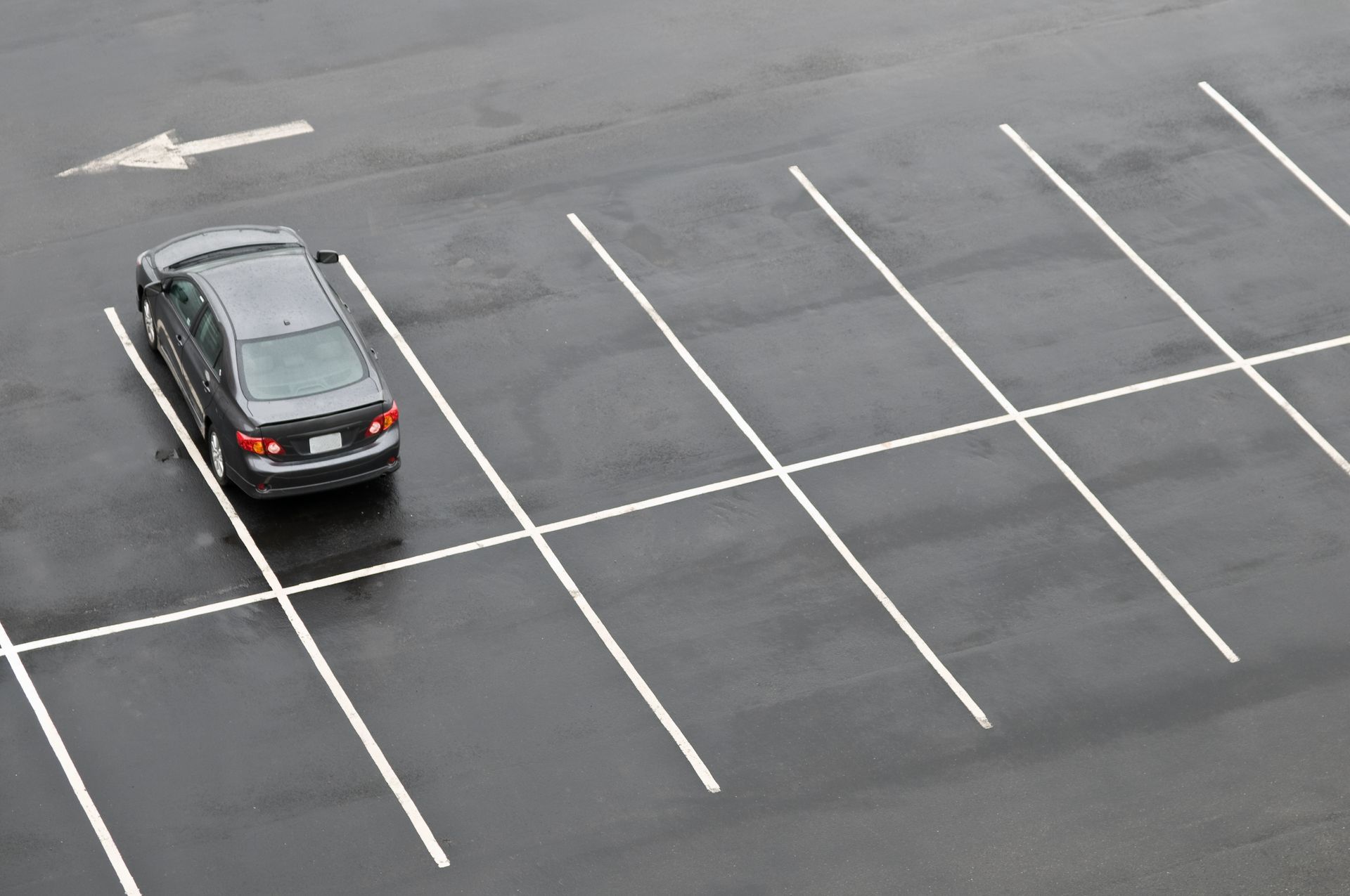
- Cleaner-looking pavement
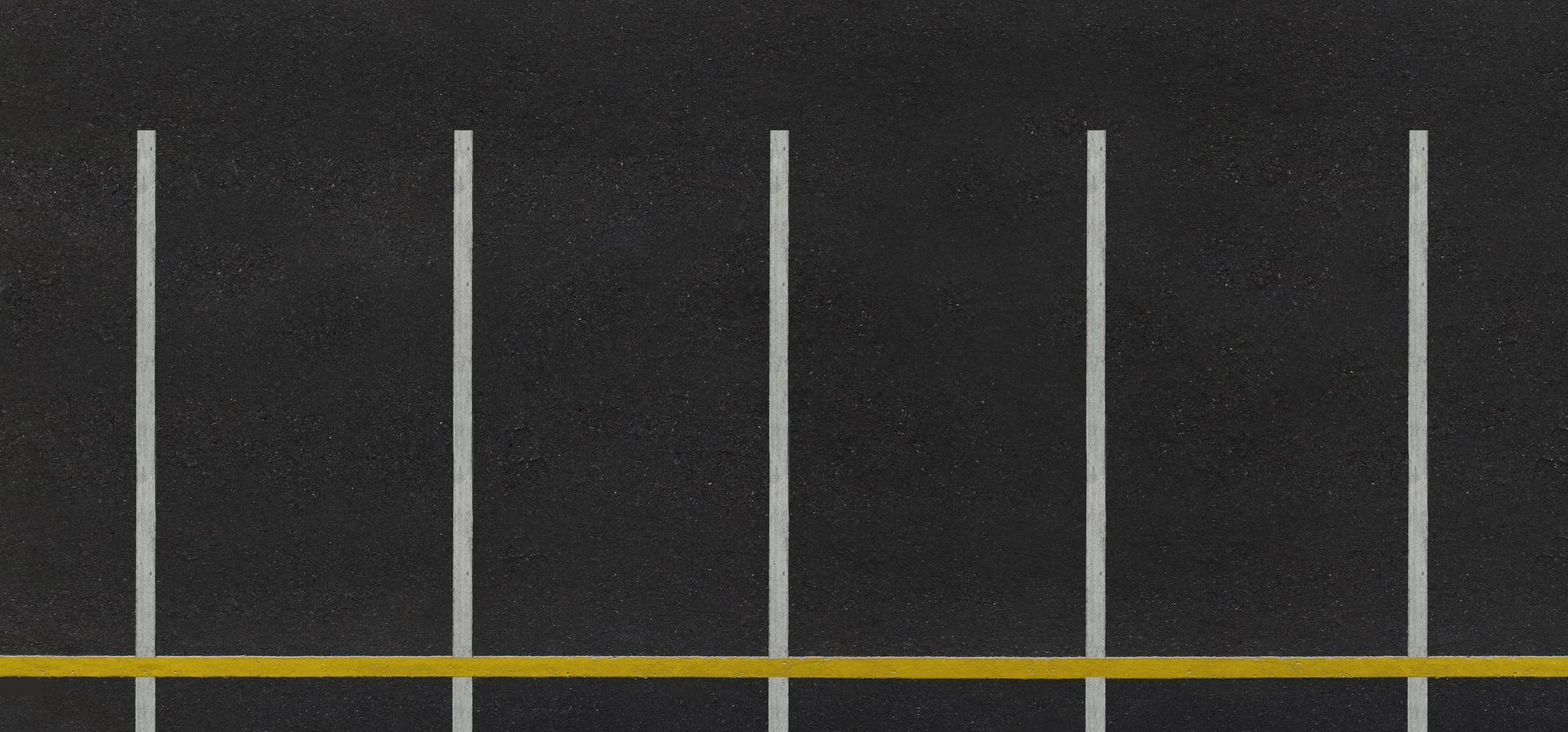
- Better contrast for line striping
- A more professional appearance
- Stronger first impressions
Maintaining your parking lot reflects positively on your business and demonstrates pride in your property.
Reduce Long-Term Repair Costs
Sealcoating is one of the most cost-effective preventative maintenance services available.
By protecting the pavement surface, property owners may be able to:
- Delay resurfacing projects
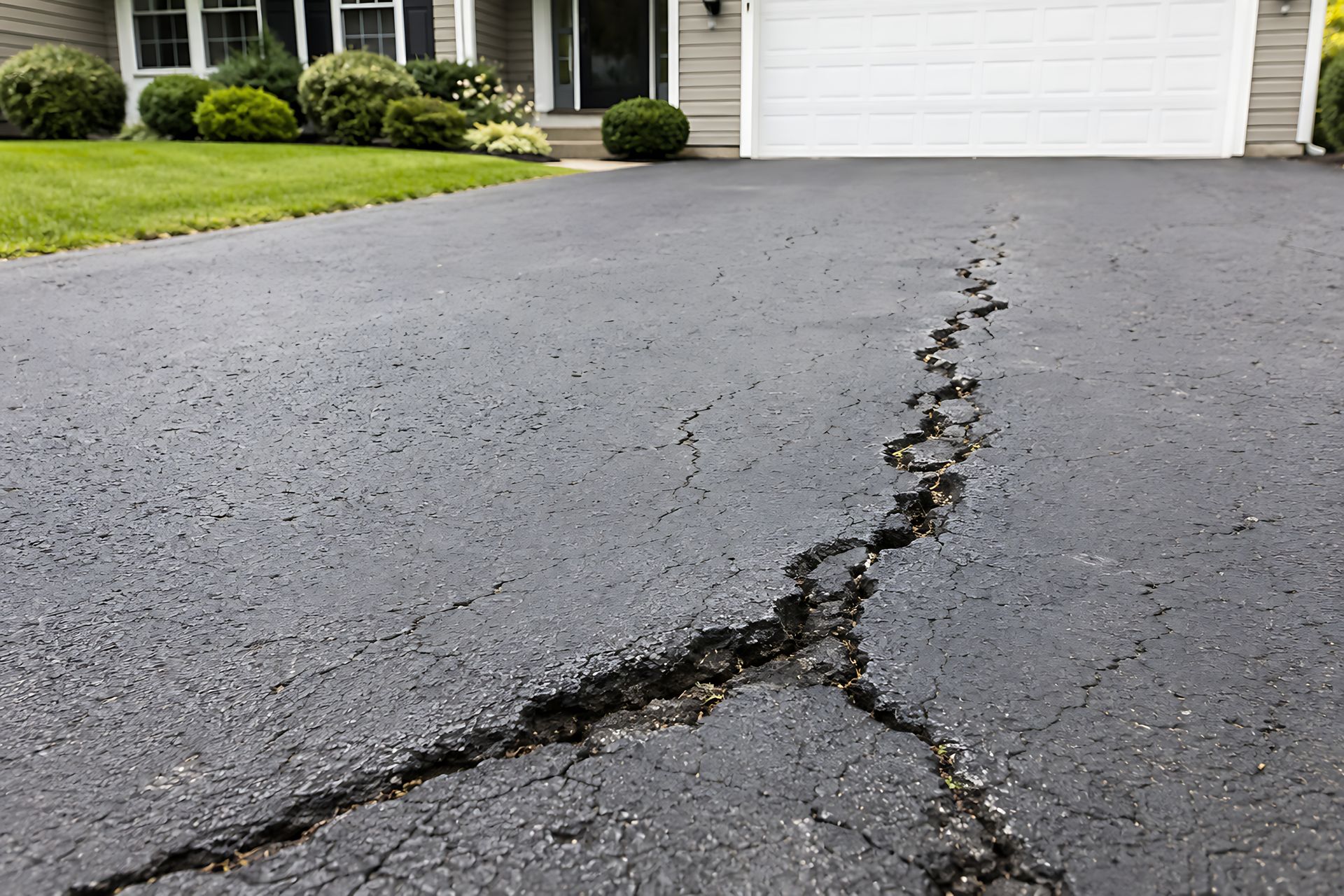
- Reduce crack formation
- Minimize water damage
- Extend pavement life
- Lower future maintenance costs
Preventative maintenance almost always costs less than major pavement repairs.
Combine Sealcoating with Other Services
The best pavement maintenance programs don't rely on one service alone.
Many commercial properties benefit from combining:
- Crack filling
- Sealcoating
- Line striping
- Pavement inspections
- Minor asphalt repairs
Together, these services help maximize pavement performance while keeping your property safe and attractive.
Protect Your Pavement for Years to Come
Routine sealcoating is one of the simplest ways to extend the life of your asphalt while protecting your investment.
Whether you're maintaining a shopping center, office complex, apartment community, or municipal property, NextGen Great Sealcoating can help you develop a maintenance plan that keeps your pavement performing its best.
Contact NextGen Great Sealcoating today to schedule your commercial sealcoating estimate.
How often should commercial pavement be sealcoated?
Many commercial properties benefit from sealcoating every two to three years, depending on traffic volume, pavement condition, and environmental factors.
Does sealcoating fix cracks?
No. Existing cracks should generally be repaired before sealcoating to help create a stronger, longer-lasting pavement surface.
Is sealcoating worth the investment?
Routine sealcoating helps protect asphalt, improve appearance, and delay more expensive repairs, making it an important part of preventative pavement maintenance.
Can sealcoating improve the appearance of my parking lot?
Yes. Sealcoating restores a darker finish to asphalt, giving parking lots a cleaner and more well-maintained appearance.