The Micro-Texture Effect: How Sealcoating Restores Crucial Vehicle Traction.
Most people think sealcoating is only about appearance.
A freshly sealed driveway or parking lot certainly looks cleaner and darker, but the benefits go much deeper than aesthetics alone. One of the most overlooked advantages of professional asphalt sealcoating is how it helps restore surface texture and improve traction for vehicles and pedestrians.
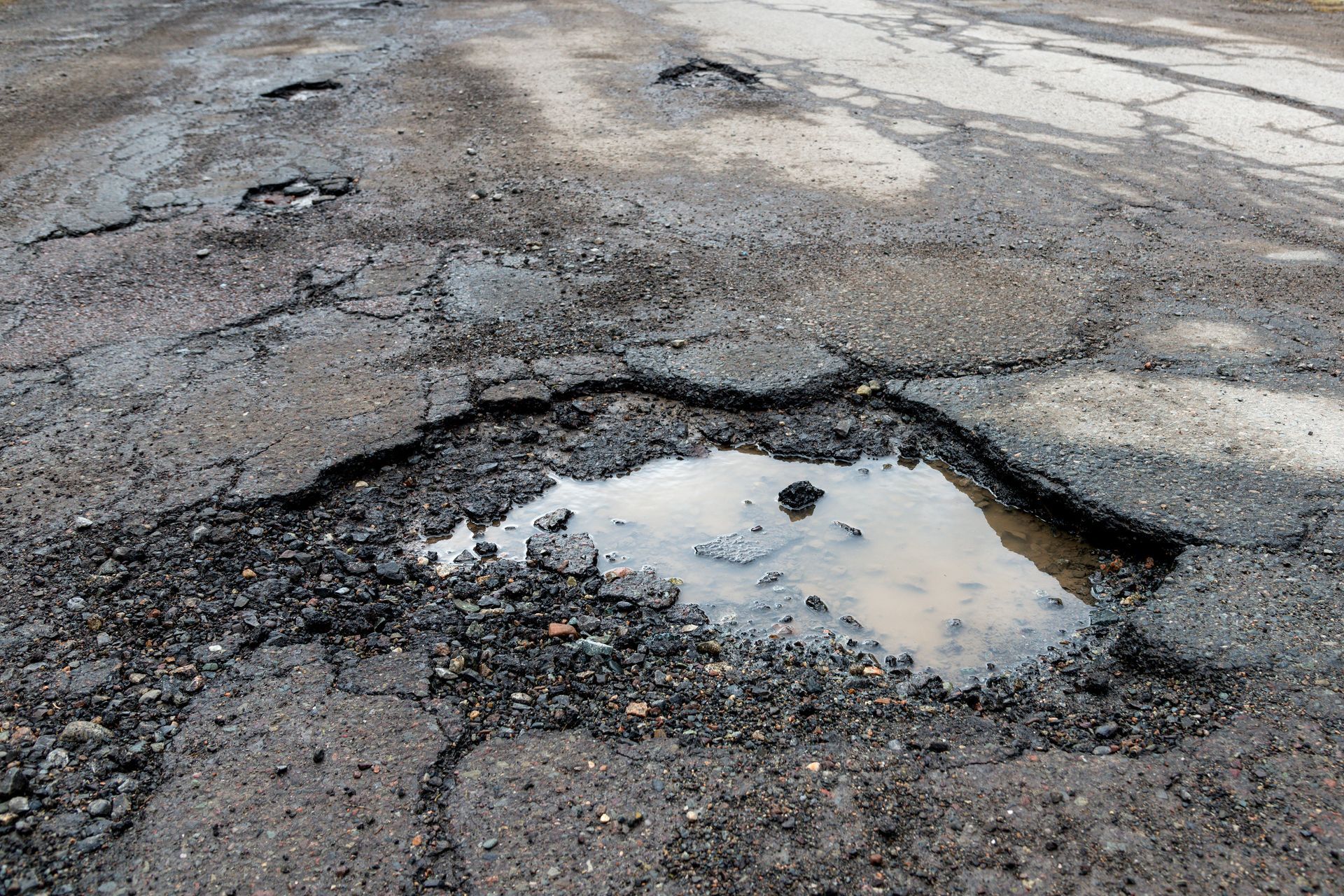
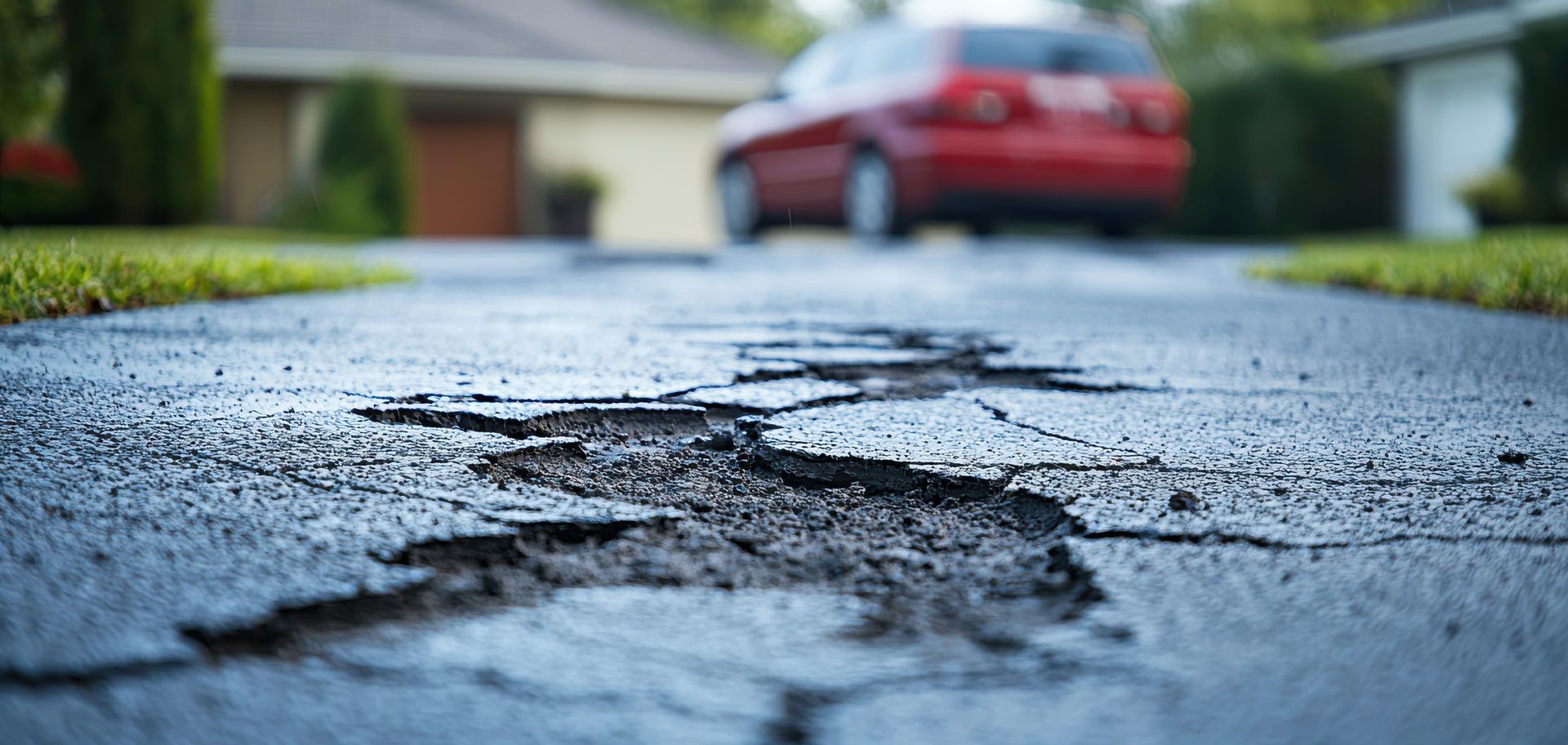
As asphalt ages, it gradually becomes smoother, more brittle, and more worn down from traffic, weather, and oxidation. That surface deterioration can reduce grip, especially during rain, snow, and changing seasonal conditions.
In 2026, property owners are paying closer attention not just to how pavement looks, but how safely it performs.
What Is Surface Micro-Texture?
Every asphalt surface contains small texture variations that help create traction.
This microscopic texture, often called pavement micro-texture, helps tires:
- grip the surface
- channel water away
- improve braking performance
- maintain stability during turns
When asphalt begins to wear down, that texture slowly deteriorates.
The result can be a surface that feels:
- slicker
- smoother
- less responsive
- more dangerous during wet conditions
How Asphalt Loses Traction Over Time
Asphalt faces constant exposure to:
- UV rays
- oxidation
- vehicle traffic
- oil and chemical spills
- temperature fluctuations
Over time, these factors break down the upper layer of pavement.
This process can:
- wear away surface texture
- expose aggregate unevenly
- increase brittleness
- reduce overall grip
Older pavement often becomes especially slippery during rain because water cannot disperse as effectively across worn surfaces.
Why Sealcoating Helps Restore Surface Performance
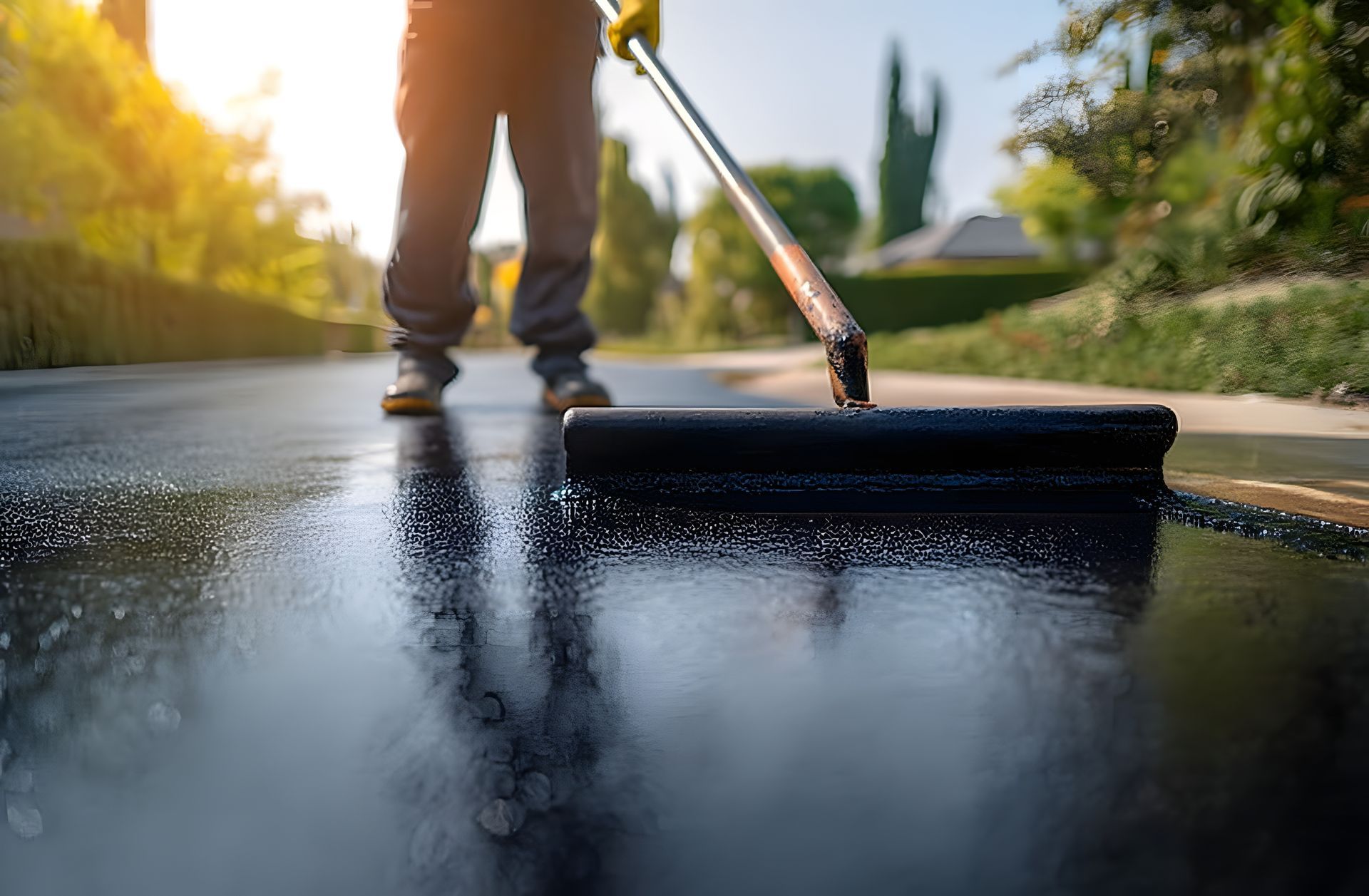
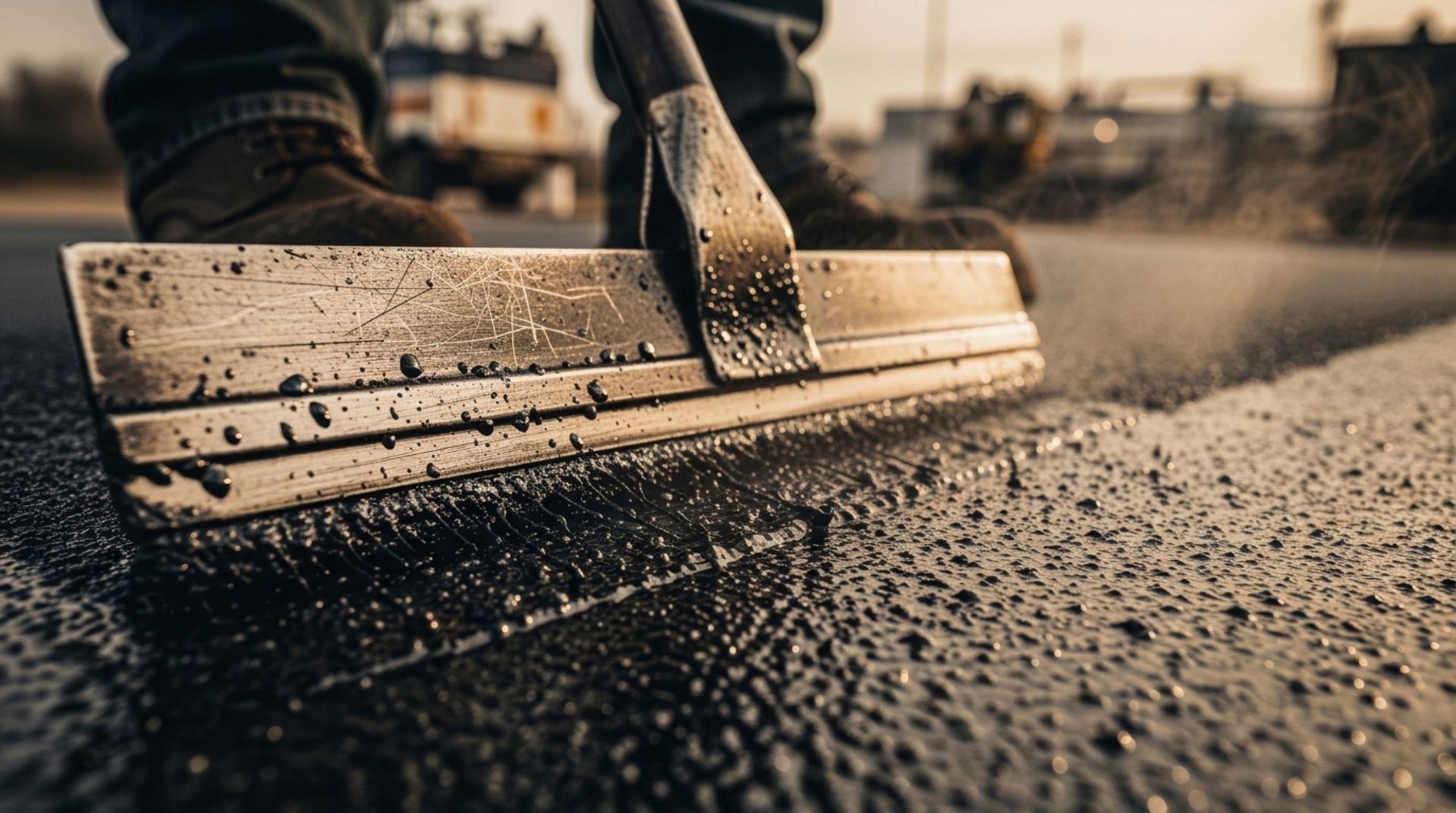
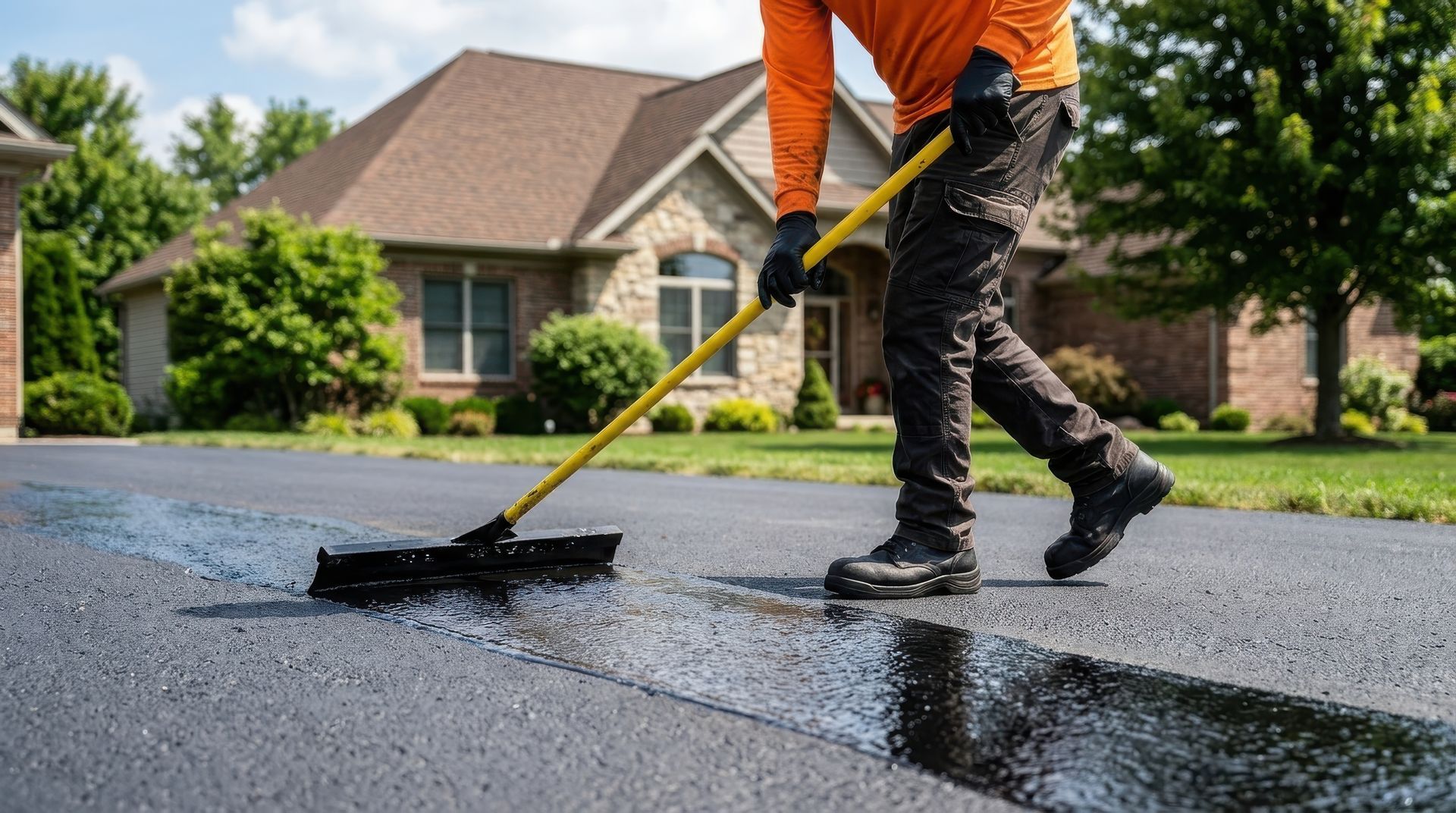
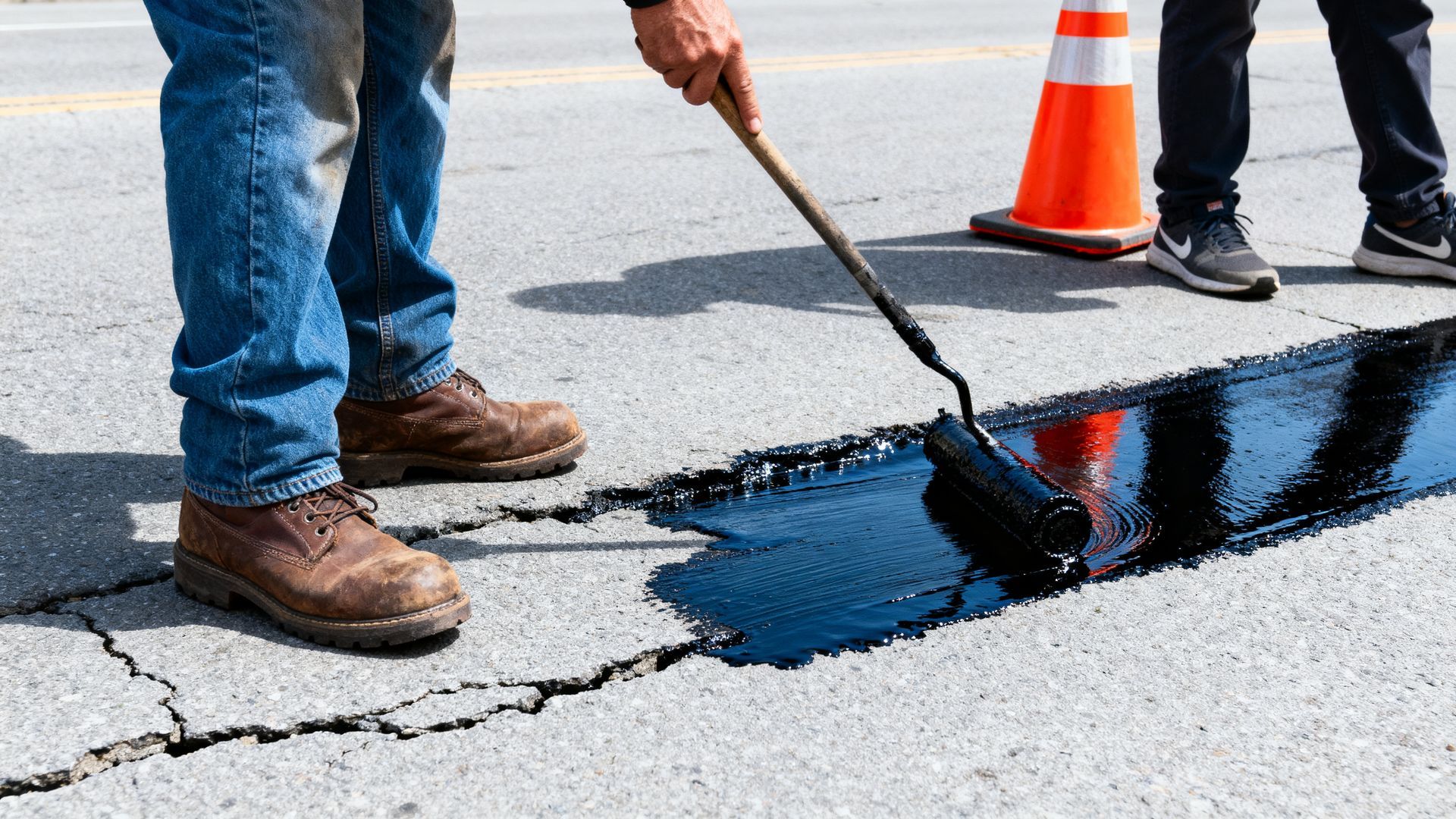
Professional sealcoating services help protect and restore the upper layer of asphalt before severe deterioration occurs.
A properly applied sealer helps:
- preserve surface texture
- protect against oxidation
- reduce moisture penetration
- slow pavement wear
- maintain driving traction
While sealcoating is not a replacement for structural asphalt repair, it plays a major role in maintaining safer pavement conditions over time.
The Relationship Between Texture and Water Control
Traction becomes especially important during wet weather.
A properly maintained asphalt surface helps:
- disperse water more evenly
- reduce slick spots
- improve tire contact
- lower hydroplaning risks
When pavement becomes excessively smooth or degraded, water tends to sit longer on the surface.
That reduced drainage can increase both vehicle and pedestrian slip risks.
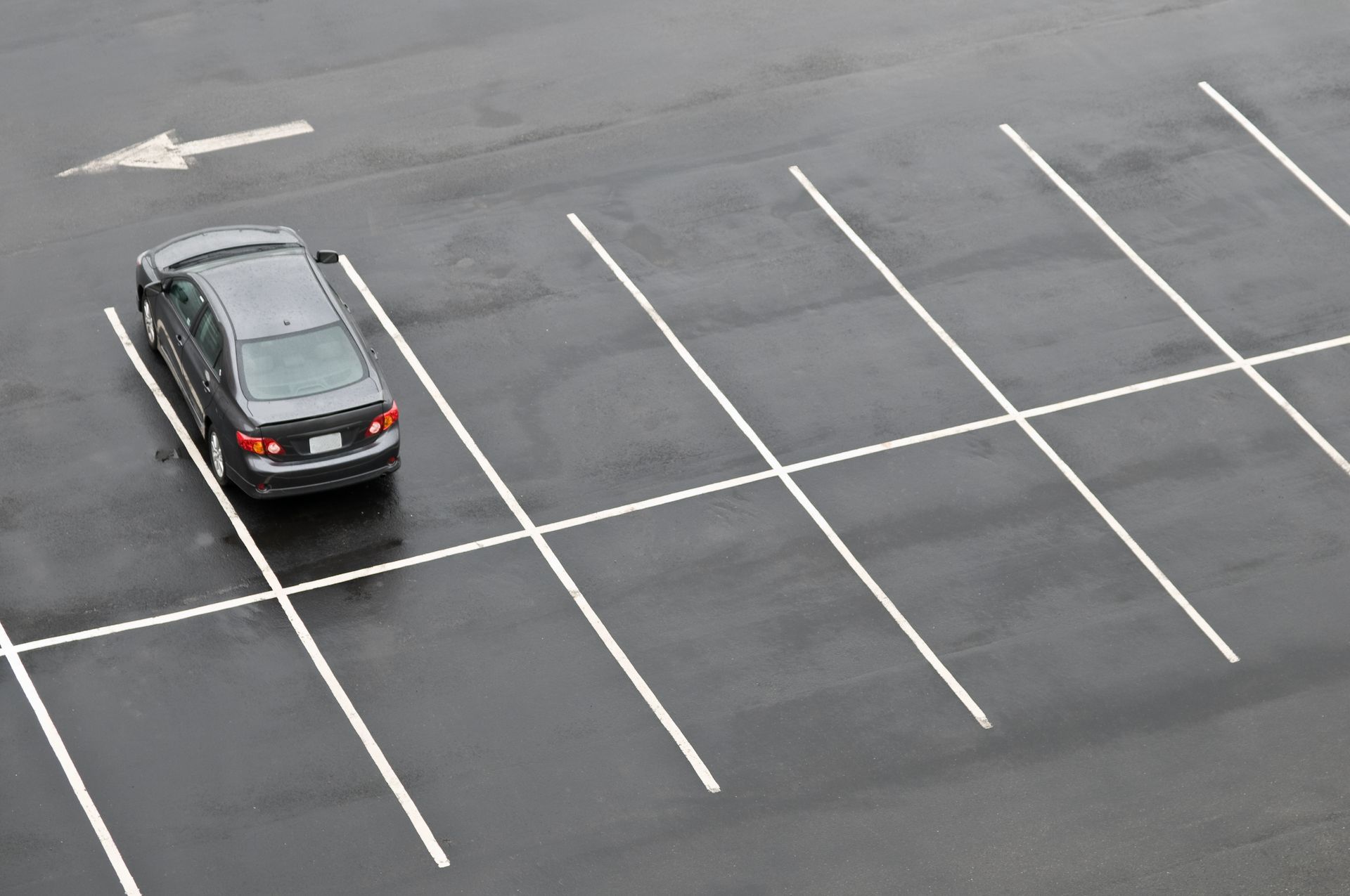
Why Parking Lots and Commercial Properties Prioritize Traction
For commercial properties, pavement safety directly affects liability and customer experience.
Businesses increasingly invest in:
- regular sealcoating
- parking lot maintenance
- surface restoration
- traction-focused pavement care
Proper parking lot sealcoating helps:
- improve driving safety
- maintain pedestrian walkability
- reduce visible surface wear
- create safer traffic flow
In high-traffic areas, maintaining surface grip is critical year-round.
Why Sealcoating Is About More Than Looks
One reason driveway sealcoating is sometimes misunderstood is because the visual transformation is so noticeable.
But beneath the darker finish, the real value comes from:
- surface preservation
- weather resistance
- oxidation protection
- traction maintenance
Appearance may be the first thing homeowners notice, but long-term pavement performance is what actually protects the investment.
How Oxidation Changes Asphalt Texture
Asphalt naturally contains oils and binders that help keep the pavement flexible.
Oxidation slowly dries out those materials, leading to:
- brittleness
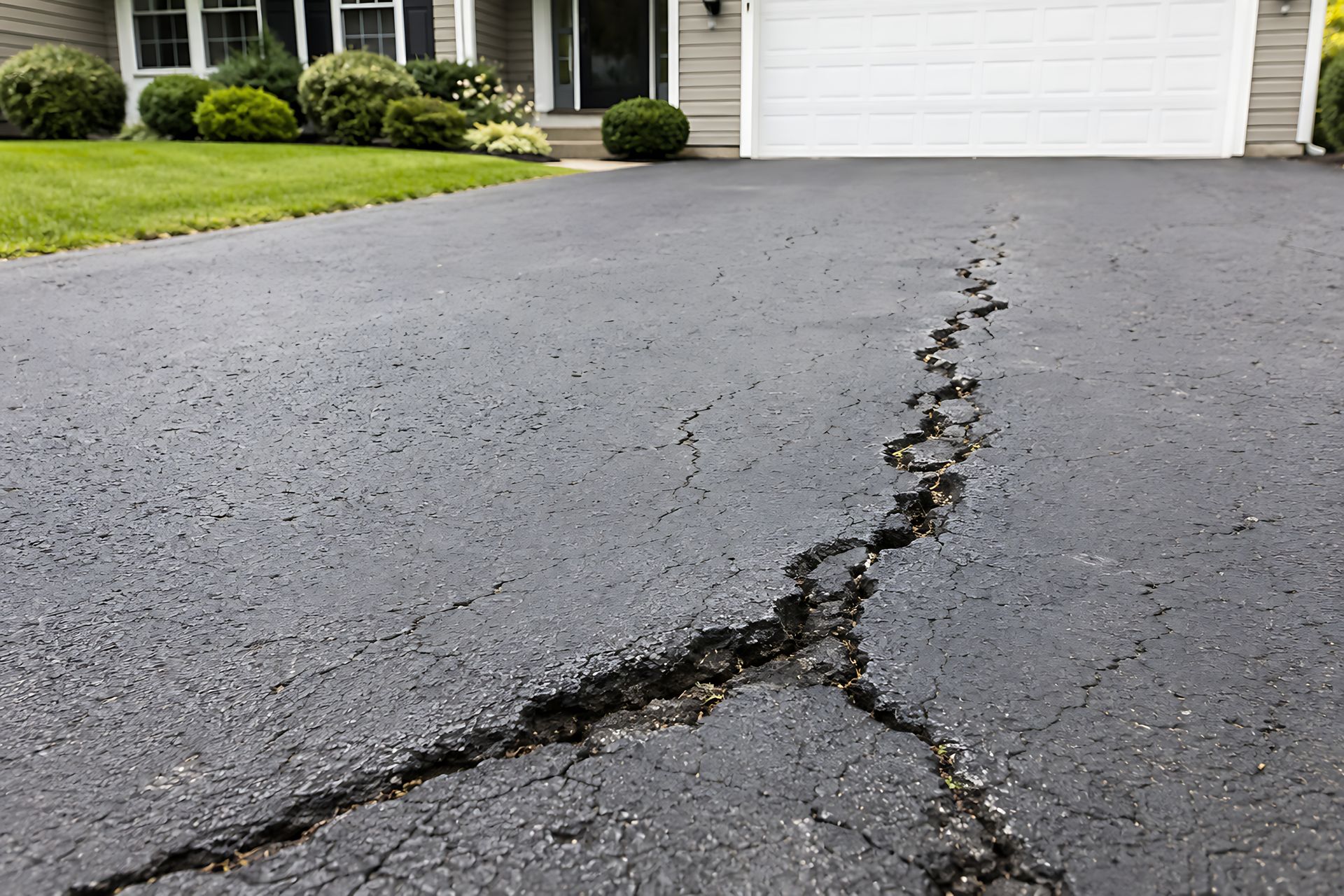
- cracking
- fading
- texture deterioration
Sealcoating helps slow this aging process by creating a protective barrier between the pavement and environmental exposure.
That protection helps preserve the asphalt’s original performance characteristics longer.
The Shift Toward Preventive Pavement Maintenance
In 2026, more property owners are shifting toward preventive maintenance instead of waiting for major pavement failure.
That proactive approach includes:
- routine inspections
- crack filling
- sealcoating
- surface preservation
Preventive asphalt maintenance often costs far less than large-scale pavement replacement later.
And safer surface conditions are a major part of that long-term value.
Better Surface Protection Means Better Long-Term Safety
Sealcoating is not just cosmetic. It helps preserve the texture, performance, and safety of asphalt surfaces exposed to constant traffic and weather conditions.
NextGen Great Sealcoating provides professional asphalt sealcoating and pavement maintenance solutions designed to improve durability, appearance, and long-term surface performance.
How does sealcoating improve traction?
Sealcoating helps preserve asphalt texture and protect surfaces from deterioration that reduces grip.
What is pavement micro-texture?
Pavement micro-texture refers to the small surface textures that help tires maintain traction.
Can old asphalt become slippery?
Yes. Worn asphalt may lose texture and become slicker over time.
Does sealcoating help during rainy weather?
Yes. Properly maintained asphalt helps improve water dispersion and traction.
Why is traction important in parking lots?
Better traction improves vehicle control, pedestrian safety, and overall pavement performance.