ADA Compliance in 2026: Ensuring Your Parking Lot Meets Federal Accessibility Rules
For many business owners, parking lot maintenance focuses on appearance, traffic flow, and pavement condition. But one of the most important aspects of any commercial parking lot is often overlooked:
Accessibility regulations are not just recommendations. They are federally enforced standards designed to ensure safe and equal access for all individuals, including people with disabilities.
And in 2026, businesses are paying closer attention than ever to ADA parking lot compliance due to increasing awareness, updated accessibility expectations, and potential legal liability.
The reality is simple:
even a newly paved parking lot can become a serious issue if it fails to meet accessibility requirements.
What Is ADA Parking Lot Compliance?
ADA parking lot compliance refers to meeting the accessibility standards established under the Americans with Disabilities Act (ADA).
These rules help ensure parking lots provide:
- safe accessibility
- proper mobility accommodations
- clear navigation
- accessible entry routes
Compliance applies to many commercial properties, including:
- retail centers
- office buildings
- restaurants
- medical facilities
- apartment complexes
- public-use properties
Accessibility is not optional for qualifying businesses.
Why ADA Compliance Matters More in 2026
In recent years, accessibility standards have become a larger focus for both regulators and consumers.
Businesses are increasingly prioritizing:
- safer customer experiences
- inclusive property access
- legal risk reduction
- improved property professionalism
At the same time, ADA-related complaints and lawsuits tied to parking lot accessibility remain a major concern for commercial property owners.
This is one reason professional parking lot striping and maintenance companies are placing greater emphasis on compliance in 2026.
The Most Common ADA Parking Lot Requirements
Several features typically determine whether a parking lot meets ADA accessibility requirements.
Accessible Parking Spaces
Parking lots must include the proper number of designated accessible spaces based on total parking capacity.
Proper Striping and Markings
Clearly visible ADA parking lot striping is essential for accessibility and navigation.
Accessible Routes
Safe paths connecting parking spaces to building entrances are required.
Signage Requirements
Properly mounted ADA signage must remain clearly visible.
Van-Accessible Spaces
Many lots must also include designated van-accessible parking areas with additional space requirements.
Why Parking Lot Striping Is So Important
One of the most overlooked compliance issues is fading pavement markings.
Over time:
- striping fades
- symbols become unclear
- accessible spaces lose visibility
- safety decreases
Fresh ADA-compliant striping helps:
- improve visibility
- guide traffic flow
- maintain accessibility standards
- reduce confusion for drivers
Faded striping can quickly turn a compliant lot into a non-compliant one.
Surface Condition Matters Too
Accessibility involves more than paint and signs.
Damaged pavement can create serious barriers for:
- wheelchairs
- walkers
- mobility devices
- pedestrians with limited mobility
Common problems include:
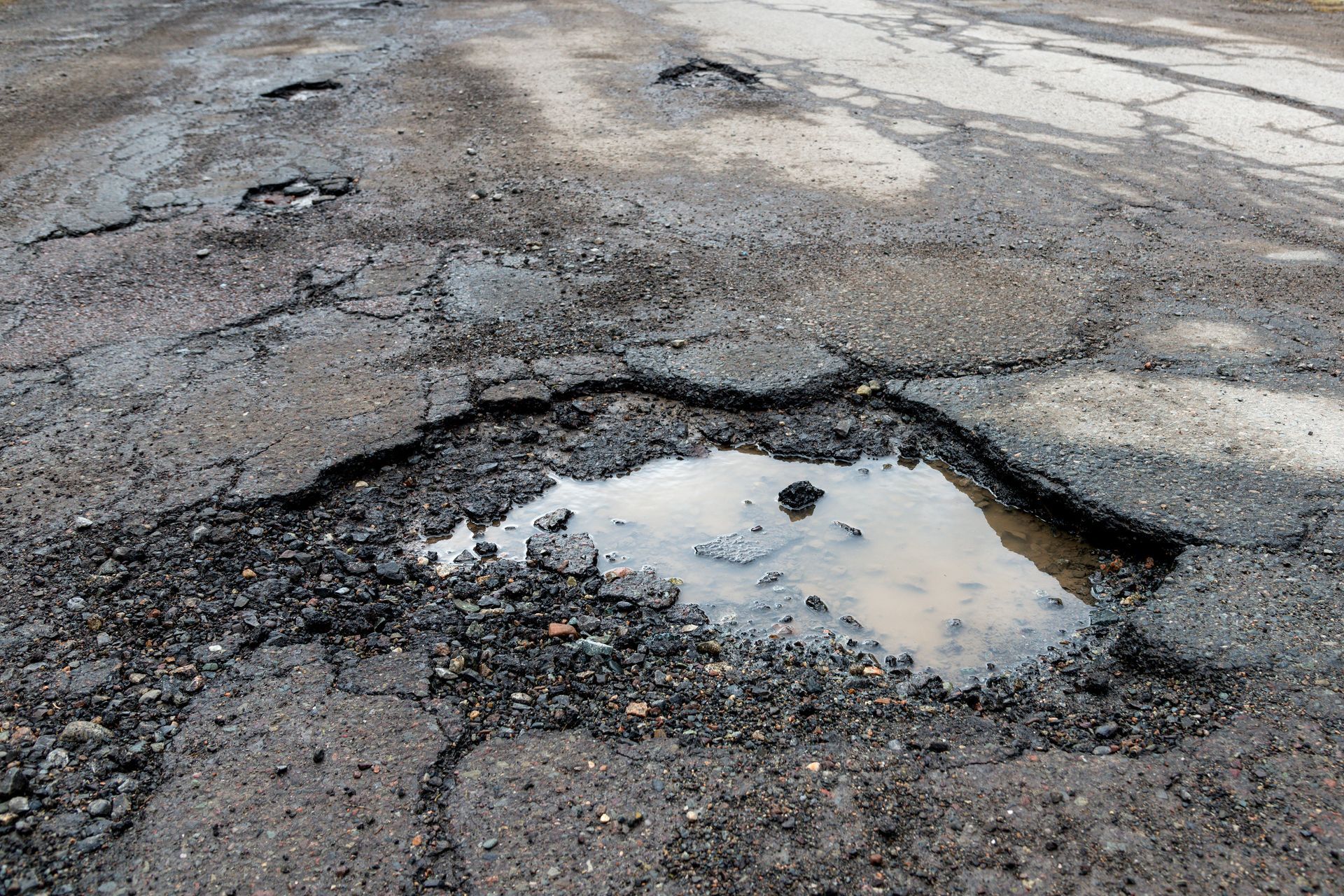
- potholes
- uneven pavement
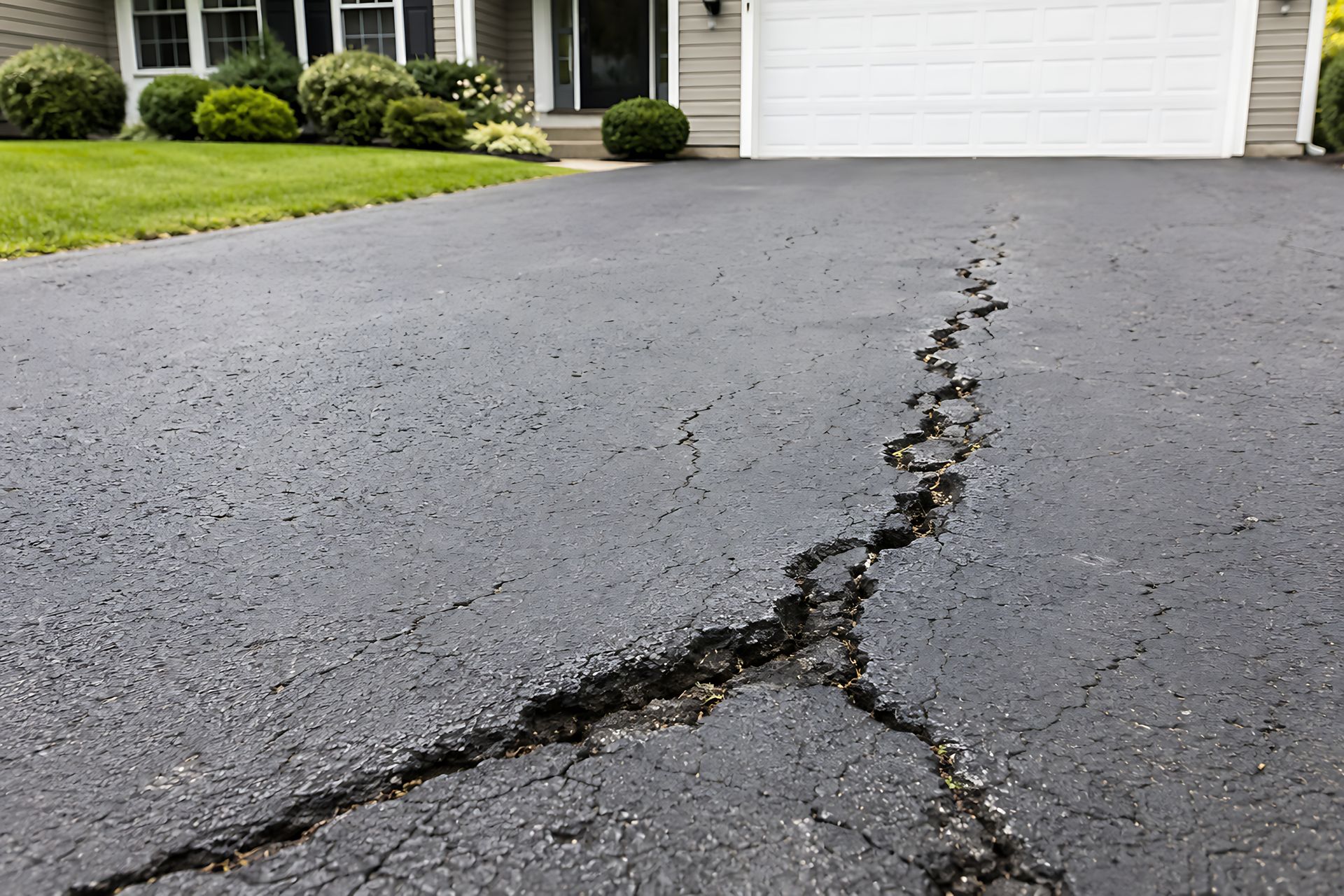
- excessive cracking
- drainage issues
Maintaining smooth asphalt surfaces is an important part of commercial parking lot maintenance.
Why Professional Evaluation Matters
A lot of business owners assume their parking lot is compliant because it “looks fine.”
In reality, small issues can create major compliance problems, including:
- incorrect spacing
- improper slopes
- faded markings
- missing signage
- inaccessible routes
Professional assessment helps identify these issues before they become larger liabilities.
How ADA Compliance Improves More Than Legal Protection
Accessibility improvements benefit more than compliance alone.
A properly maintained ADA-compliant parking lot helps:
- improve customer experience
- create safer traffic flow
- enhance property appearance
- demonstrate professionalism
- improve accessibility for all visitors
For many businesses, accessibility improvements directly improve first impressions.
The Shift Toward Smarter Commercial Property Maintenance
In 2026, commercial property owners are becoming more proactive about:
- long-term pavement management
- accessibility planning
- preventive maintenance
- safety-focused upgrades
Rather than reacting to problems after complaints occur, many businesses are investing earlier in:
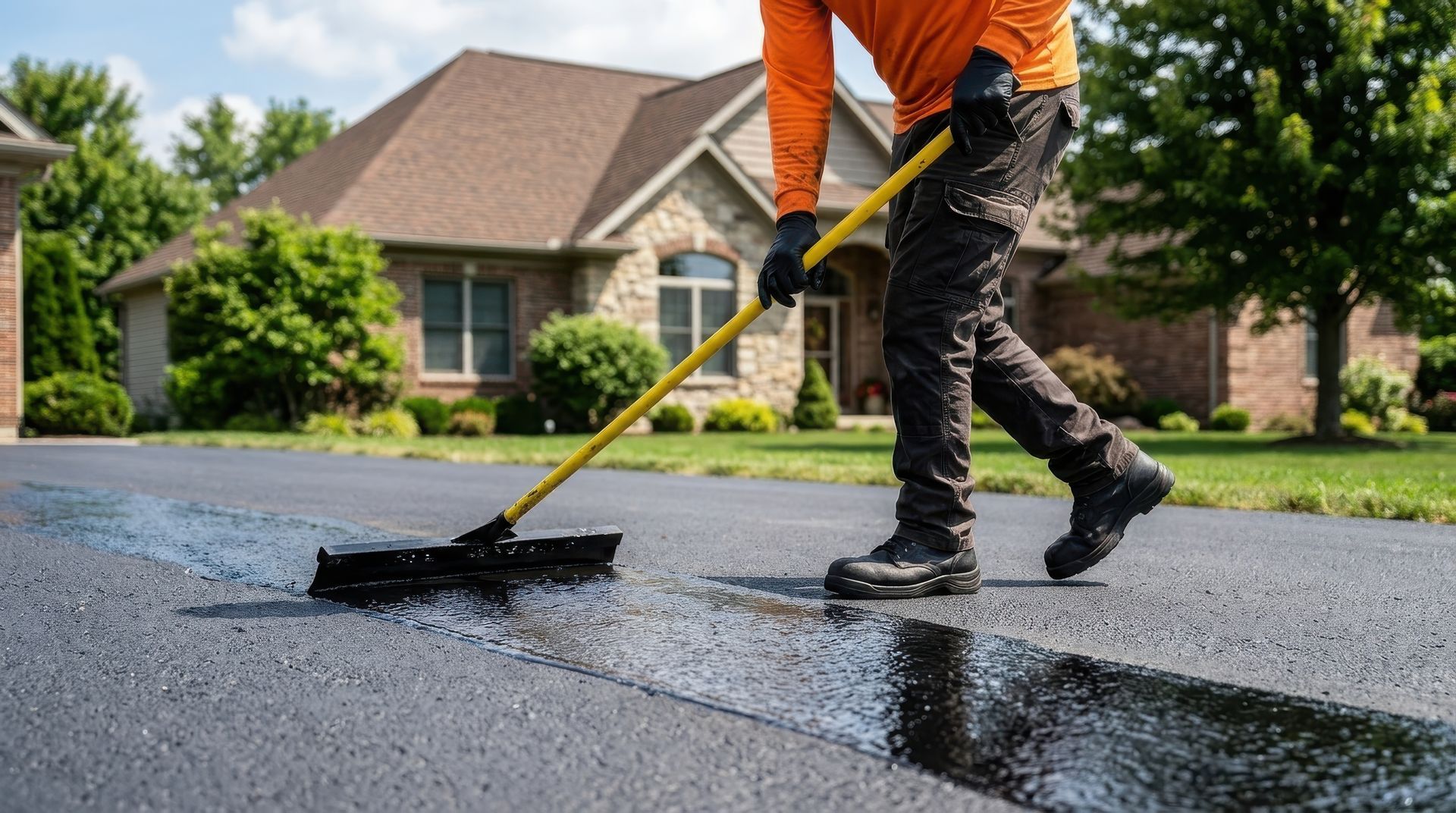
- sealcoating
- restriping
- pavement repairs
- compliance updates
That proactive mindset helps reduce larger repair and liability issues over time.
Accessibility and Safety Should Never Be an Afterthought
A parking lot is often the very first interaction customers have with a business. Ensuring it is safe, accessible, and compliant helps create a better experience for everyone who visits the property.
NextGen Great Sealcoating provides professional ADA parking lot striping, commercial parking lot maintenance, and pavement solutions designed to help businesses improve safety, appearance, and long-term compliance.
What is ADA parking lot compliance?
ADA parking lot compliance means meeting federal accessibility standards for parking areas.
Why is ADA striping important?
Proper ADA parking lot striping improves visibility, accessibility, and traffic guidance.
Can faded striping create compliance issues?
Yes. Faded markings may make accessible spaces unclear or non-compliant.
Do potholes affect ADA compliance?
Yes. Uneven pavement can create accessibility barriers and safety hazards.
Should commercial parking lots be professionally evaluated?
Yes. Professional inspections help identify accessibility and compliance concerns.