What Happens If You Don’t Sealcoat Your Asphalt Driveway?
An asphalt driveway can take a beating. Sunlight, rain, snow, ice, road salt, vehicle traffic, and everyday use all contribute to surface wear over time. If you never sealcoat your asphalt driveway, that exposure can accelerate fading, oxidation, cracking, and other forms of deterioration.
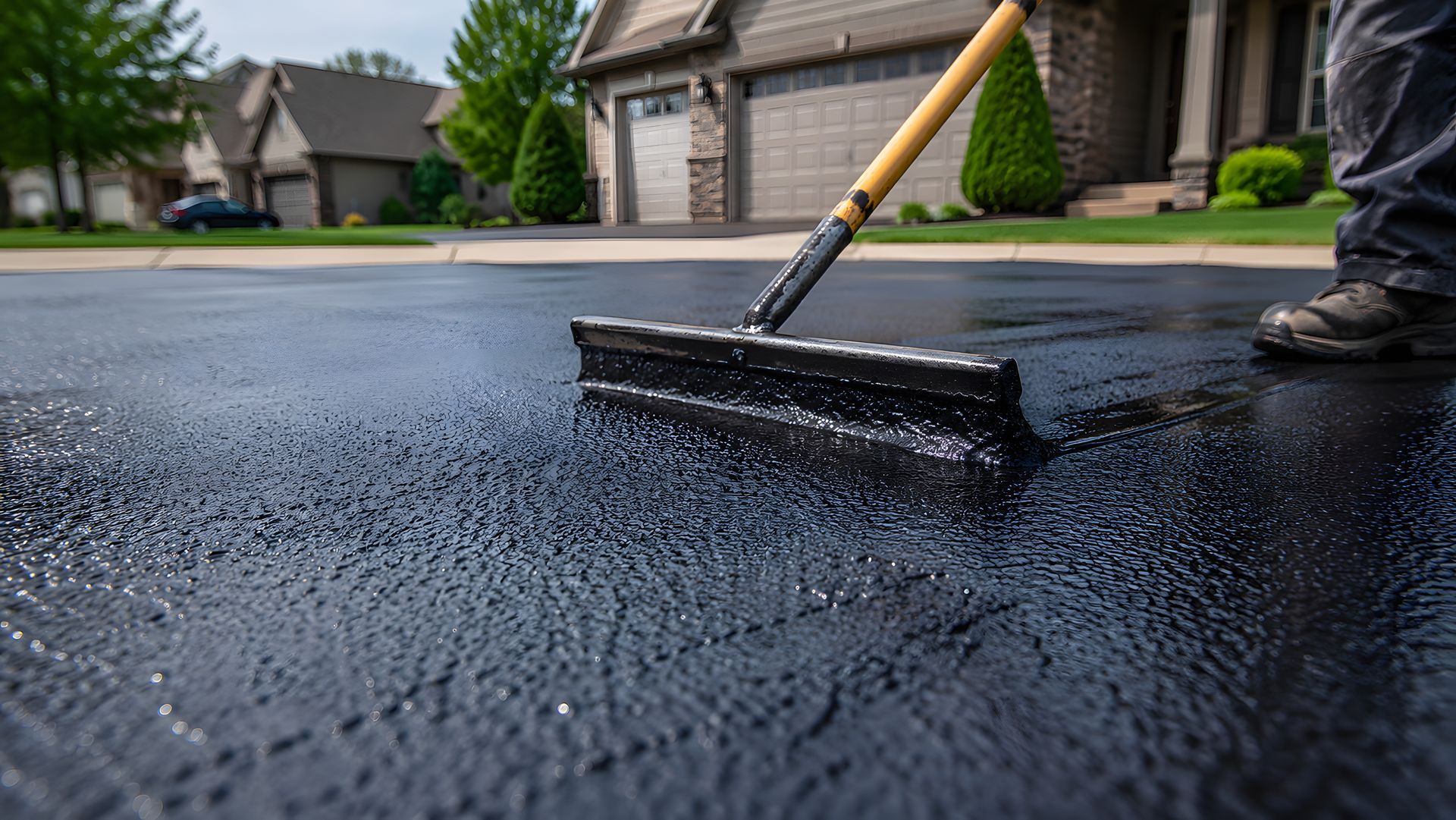
Sealcoating provides a protective layer over asphalt that helps limit exposure to damaging elements. It will not repair major structural problems, but when used as part of routine asphalt maintenance, it can help preserve a driveway before minor wear becomes a much larger problem.
Here’s what homeowners should know about leaving an asphalt driveway unsealed.
What Happens to Asphalt Without Sealcoating?
Asphalt is durable, but it is not maintenance-free.
As an asphalt driveway ages, exposure to sunlight, water, temperature changes, automotive fluids, and regular traffic gradually affects its surface. Without preventative maintenance, the pavement can become faded, brittle, cracked, and increasingly vulnerable to moisture.
The deterioration does not necessarily happen overnight. Instead, homeowners may notice small changes that become more pronounced over several seasons.
That is why preventative maintenance matters. The Federal Highway Administration recognizes preventive pavement maintenance as a way to address aging, oxidation, surface deterioration, and normal environmental wear while extending pavement service life.
1. Sunlight Can Contribute to Asphalt Oxidation
Your driveway spends nearly every day exposed to ultraviolet rays.
Over time, oxidation contributes to the familiar change from deep black asphalt to a faded gray surface. The issue is more than cosmetic. As asphalt ages and loses flexibility, the surface can become increasingly susceptible to deterioration.
Sealcoating creates a protective barrier between the asphalt surface and environmental exposure. That is one reason homeowners often incorporate residential driveway sealcoating into a long-term pavement maintenance plan.
2. Water Can Find Its Way Into Cracks
Water is one of the biggest concerns when maintaining an asphalt driveway.
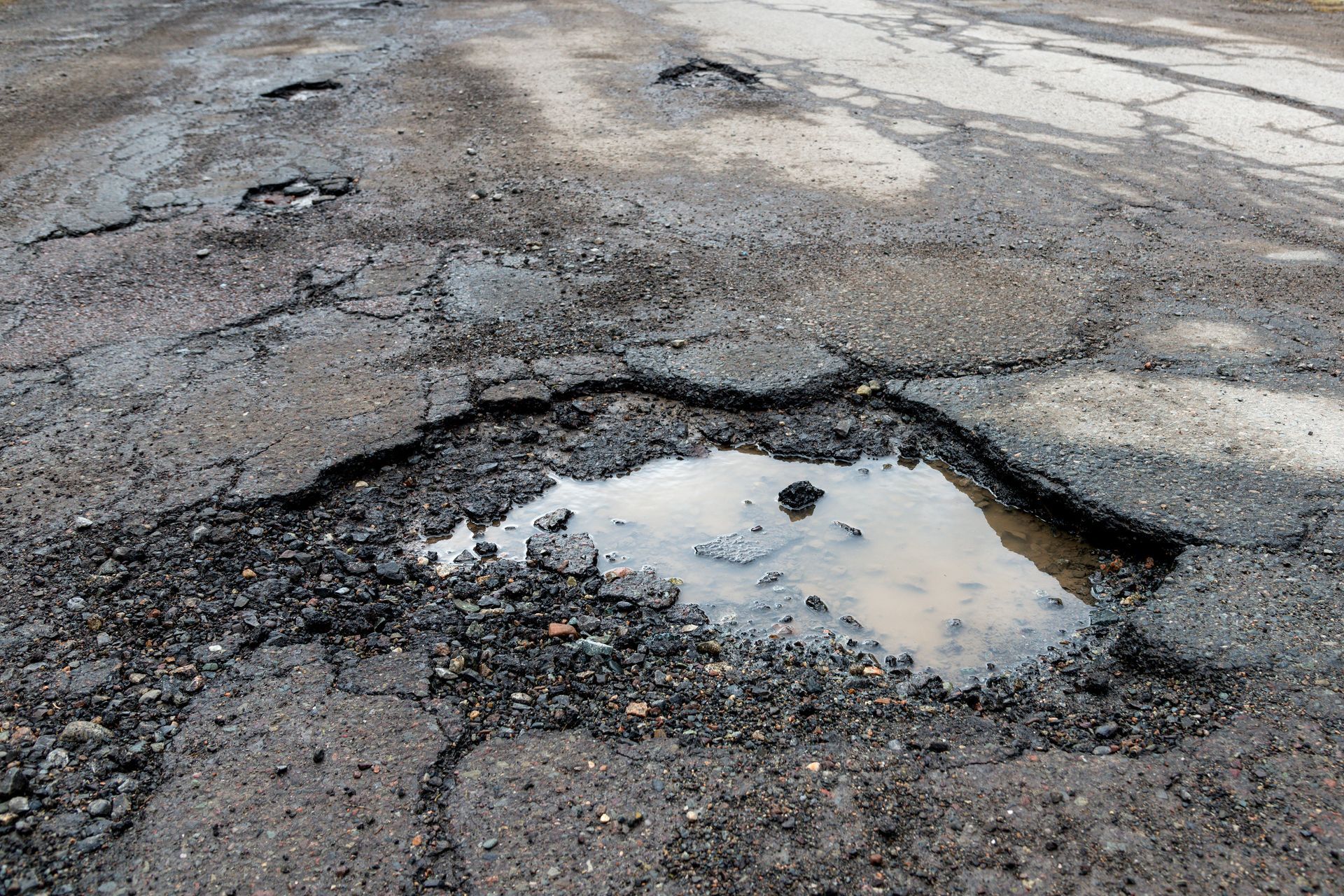
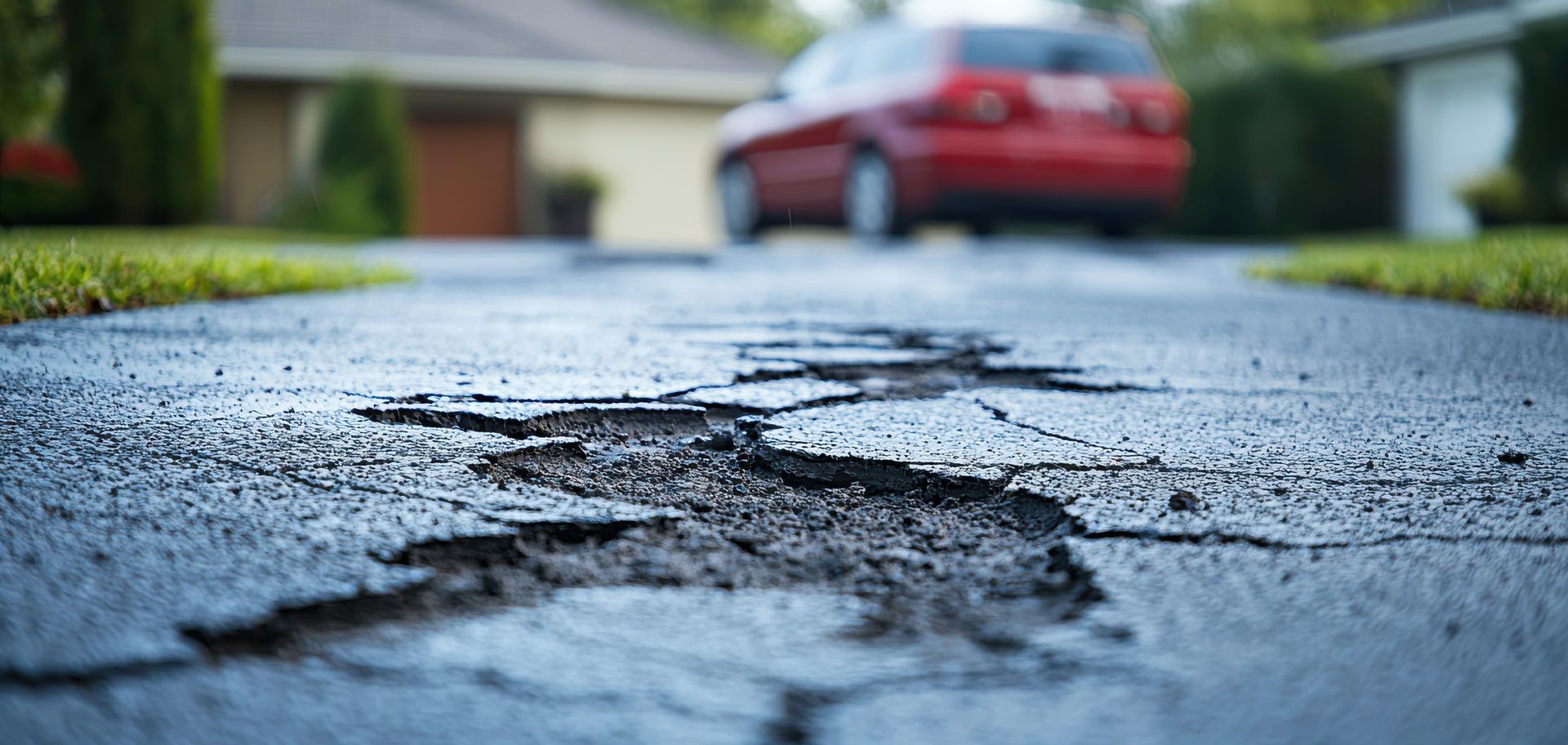
Once cracks develop, moisture has an opportunity to penetrate the pavement. If those openings are left untreated, continued water exposure can contribute to additional deterioration.
The problem becomes particularly important in climates that experience freezing temperatures.
Water that enters vulnerable areas can freeze and thaw as temperatures fluctuate. As pavement continues to move through seasonal temperature changes, existing cracks and weak areas may worsen.
The goal of preventative asphalt maintenance is to address vulnerable areas before deterioration becomes extensive.
3. Small Cracks Can Become Larger Problems
A small crack might not seem urgent when you first notice it, but cracks deserve attention.
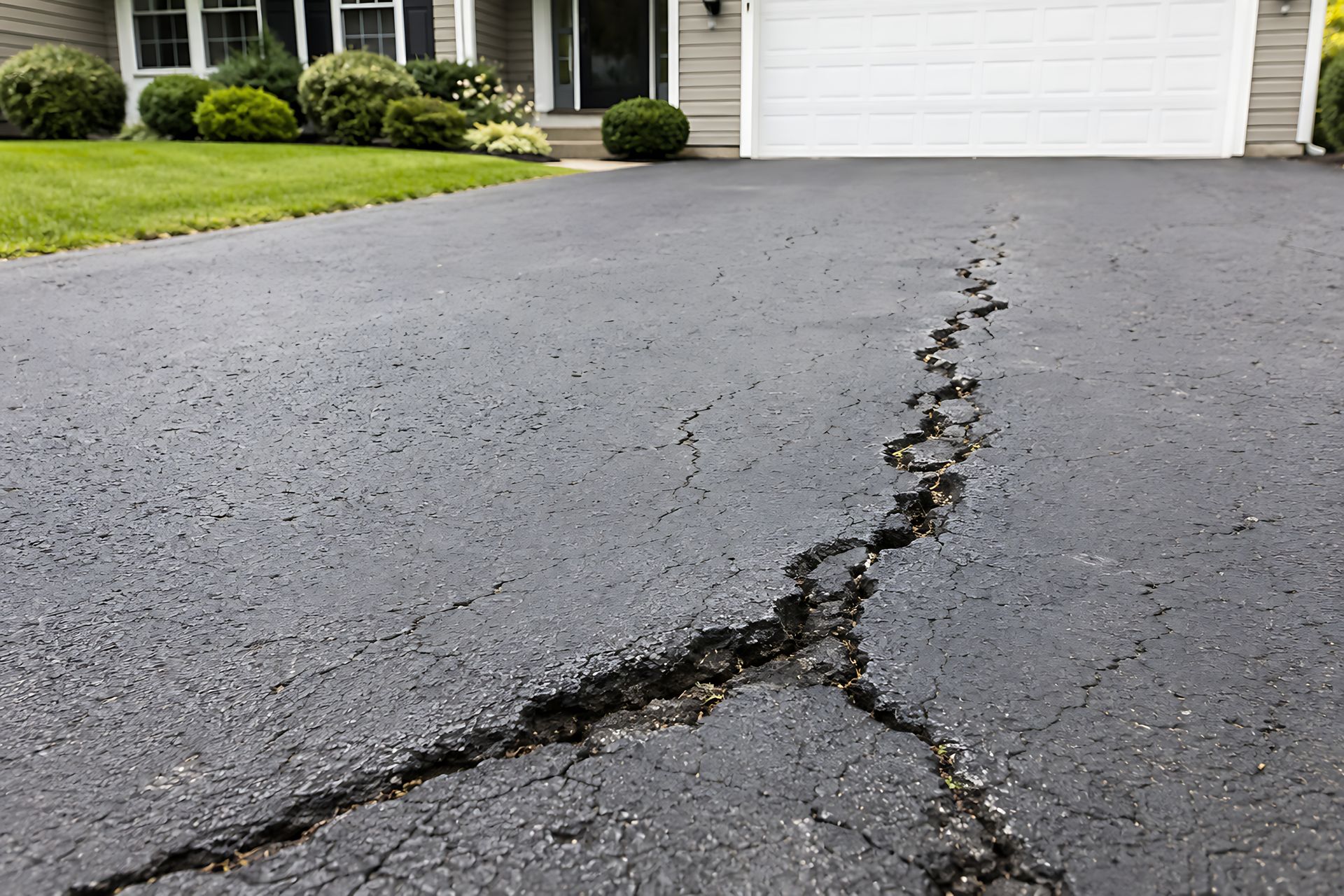
Cracking can develop for several reasons, including pavement movement, weather exposure, age, and stress. Once a crack forms, leaving it exposed can provide another route for moisture to enter the pavement.
Sealcoating itself is not a replacement for proper crack treatment.
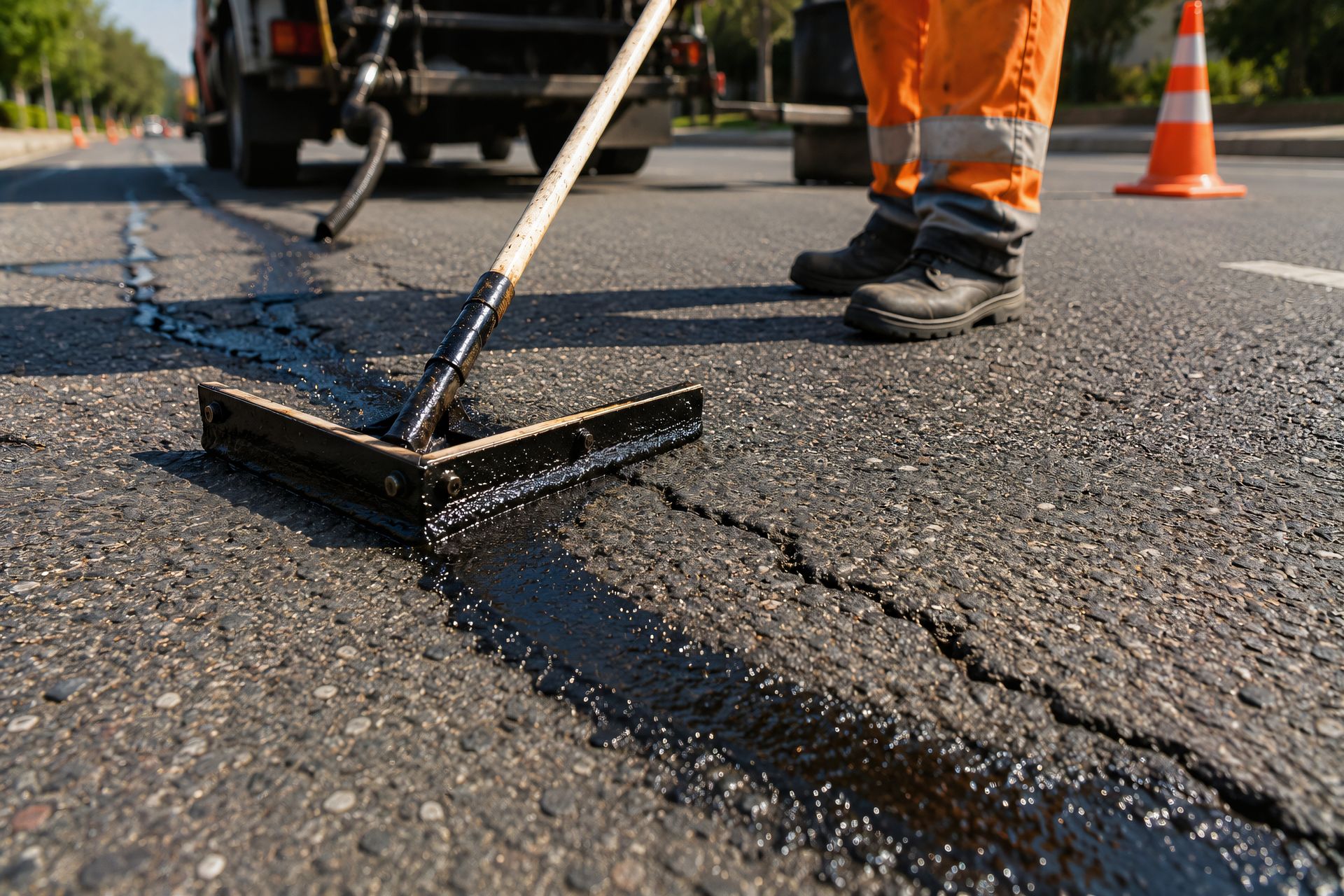
At NextGen Great Sealcoating, larger structural cracks are treated with hot rubberized material as part of the residential sealcoating process when appropriate. Crack filling and sealcoating work together as different parts of pavement maintenance: cracks are addressed, and the asphalt surface receives a protective coating.
If your driveway already has visible cracking, reviewing NextGen Great Sealcoating's driveway sealcoating process can help you understand what professional preparation and treatment involve.
4. Your Driveway May Fade and Lose Curb Appeal
There is also a visible difference between maintained and neglected asphalt.
A driveway that was once dark can gradually become dull and gray as it ages. Cracks, stains, and surface wear can make the pavement look older even when the surrounding property is well maintained.
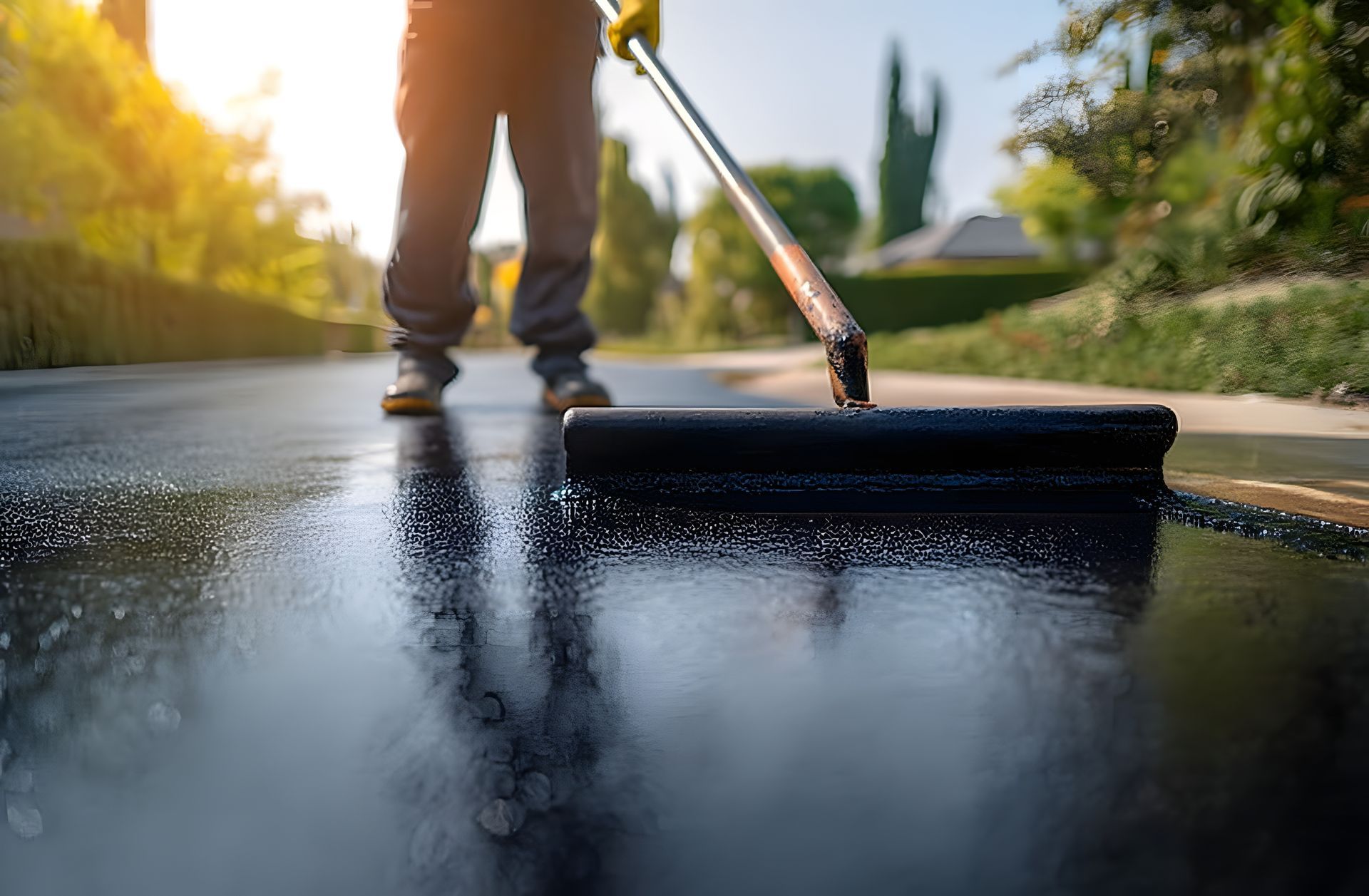
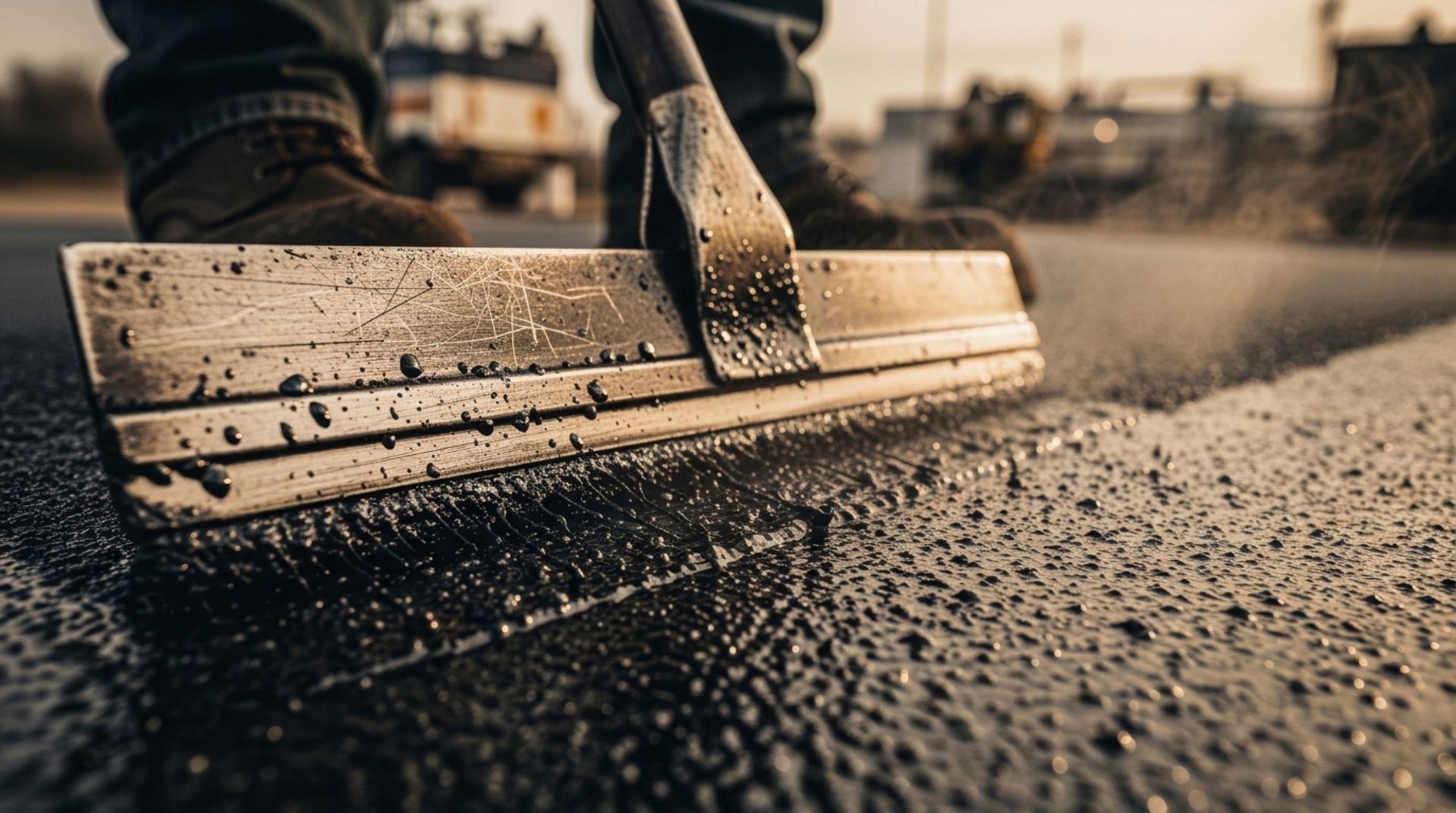
Sealcoating restores a darker, more uniform appearance while providing protective benefits.
For homeowners, that means sealcoating can serve two purposes at once: maintaining the pavement and improving the appearance of one of the most noticeable surfaces around the home.
5. Oil, Gas, and Road Salt Can Affect the Surface
Weather is not the only thing your driveway encounters.
Vehicles can expose pavement to oil and gasoline, while road salt may be brought onto the driveway during winter. These contaminants add to the stresses asphalt experiences throughout the year.
A professionally applied sealcoat creates another layer between the asphalt and these everyday exposures.
NextGen Great Sealcoating uses its proprietary EcoAmigo asphalt sealer for residential asphalt surfaces. According to the company's residential process, the sealer is designed to help protect asphalt against UV exposure, freeze-thaw conditions, oil, gas, and road salt.
6. Delayed Maintenance Can Lead to More Extensive Work
One of the main reasons to maintain asphalt is to address deterioration while the pavement is still a good candidate for preventative treatment.
Sealcoating is intended to protect and preserve asphalt. It cannot correct every pavement defect.
For example, significant base failure, severe deterioration, low spots, or other structural problems may require patching, paving, or another repair rather than a new layer of sealer.
This distinction matters because waiting until pavement is badly deteriorated can limit your maintenance options.
If you are unsure what your driveway needs, a professional evaluation can help determine whether sealcoating, crack treatment, patching, or a more extensive repair is appropriate.
Is Sealcoating Necessary for Every Asphalt Driveway?
Sealcoating is a preventative maintenance treatment, so whether a driveway is ready for it depends on factors such as the age and condition of the asphalt.
It is also important to have realistic expectations.
Sealcoating is designed to protect and preserve an asphalt surface. It is not the same as resurfacing or repaving, and it will not make structural defects disappear. Rough pavement, significant low spots, and substantial pavement failures may require a different solution.
The key is to evaluate the condition of the asphalt rather than simply covering existing problems.
How Often Should You Sealcoat an Asphalt Driveway?
There is no single schedule that applies perfectly to every property.
NextGen Great Sealcoating generally recommends sealcoating residential driveways every two to three years. Actual timing can vary depending on weather, traffic, pavement age, and current surface condition.
A driveway with substantial sun exposure or other environmental stresses may age differently from a shaded, lightly used driveway.
Instead of relying only on the calendar, pay attention to the condition of the pavement.
What Are the Signs Your Driveway May Need Attention?
Your asphalt may be ready for professional attention if you notice:
- A faded or gray appearance
- Visible structural cracks
- Increasing surface deterioration
- Areas showing significant wear
- Damage around pavement edges
- Previous sealcoating that has noticeably worn away
Not every symptom means sealcoating is automatically the right answer. An inspection can help identify whether preventative maintenance is still appropriate or whether damaged areas require repair first.
Can You Wait Too Long to Sealcoat?
Yes. Sealcoating works best as preventative maintenance rather than as a cure for severely damaged asphalt.
If deterioration has progressed to significant structural failure, applying sealer over the surface does not rebuild the pavement underneath it. More substantial repairs may be necessary before the driveway can be properly maintained.
That is why it makes sense to monitor your driveway regularly instead of waiting for major damage to appear.
The objective is not simply to make asphalt look black again. It is to maintain a serviceable pavement surface and address developing problems before they become more extensive.
What happens if asphalt is never sealcoated?
Asphalt that goes without preventative maintenance remains directly exposed to UV rays, water, weather, vehicle fluids, road salt, and everyday wear. Over time, the pavement may fade, oxidize, crack, and become increasingly susceptible to deterioration.
Does sealcoating fix cracks?
Sealcoating is not a substitute for crack repair. Appropriate structural cracks should be treated separately before or as part of the sealcoating process. NextGen Great Sealcoating uses hot rubberized material for qualifying structural cracks during its residential process.
Can sealcoating fix badly damaged asphalt?
No. Sealcoating protects and preserves pavement but cannot correct major structural defects, low spots, base failure, or severely deteriorated asphalt. Those conditions may require patching, repaving, or another repair.
How often should a driveway be sealcoated?
NextGen Great Sealcoating generally recommends residential sealcoating every two to three years, although the appropriate schedule depends on pavement condition, weather, traffic, and age.
Does sealcoating make an old driveway look better?
Sealcoating can restore a darker, more uniform appearance to faded asphalt and improve curb appeal. However, it will not eliminate significant cracks, rough areas, low spots, or structural defects.
Protect Your Asphalt Before Minor Wear Becomes Major Damage
Leaving asphalt exposed year after year can allow sunlight, moisture, temperature changes, automotive fluids, road salt, and everyday traffic to take their toll.
Routine maintenance gives homeowners an opportunity to protect their pavement while it is still in maintainable condition.
NextGen Great Sealcoating provides professional residential driveway sealcoating designed to protect and refresh asphalt surfaces. The process includes thorough surface preparation, treatment of appropriate cracks and problem areas, and application of EcoAmigo asphalt sealer.
If your driveway is faded, cracking, or simply due for maintenance, contact NextGen Great Sealcoating for a free quote and find out which services are available in your area.