What to Expect When You Have Your Driveway Professionally Sealcoated
Professional driveway sealcoating involves much more than applying a black coating over your asphalt. A proper service includes preparing and cleaning the pavement, addressing appropriate cracks and problem areas, applying the sealer, and giving the finished surface enough time to dry before reopening the driveway.
Knowing what happens before, during, and after your appointment can make scheduling easier and help you understand what professional sealcoating is designed to accomplish.
If this is your first time having your asphalt driveway professionally sealcoated, or it has been a few years since your last service, here is what you can expect.
What Does Professional Driveway Sealcoating Do?
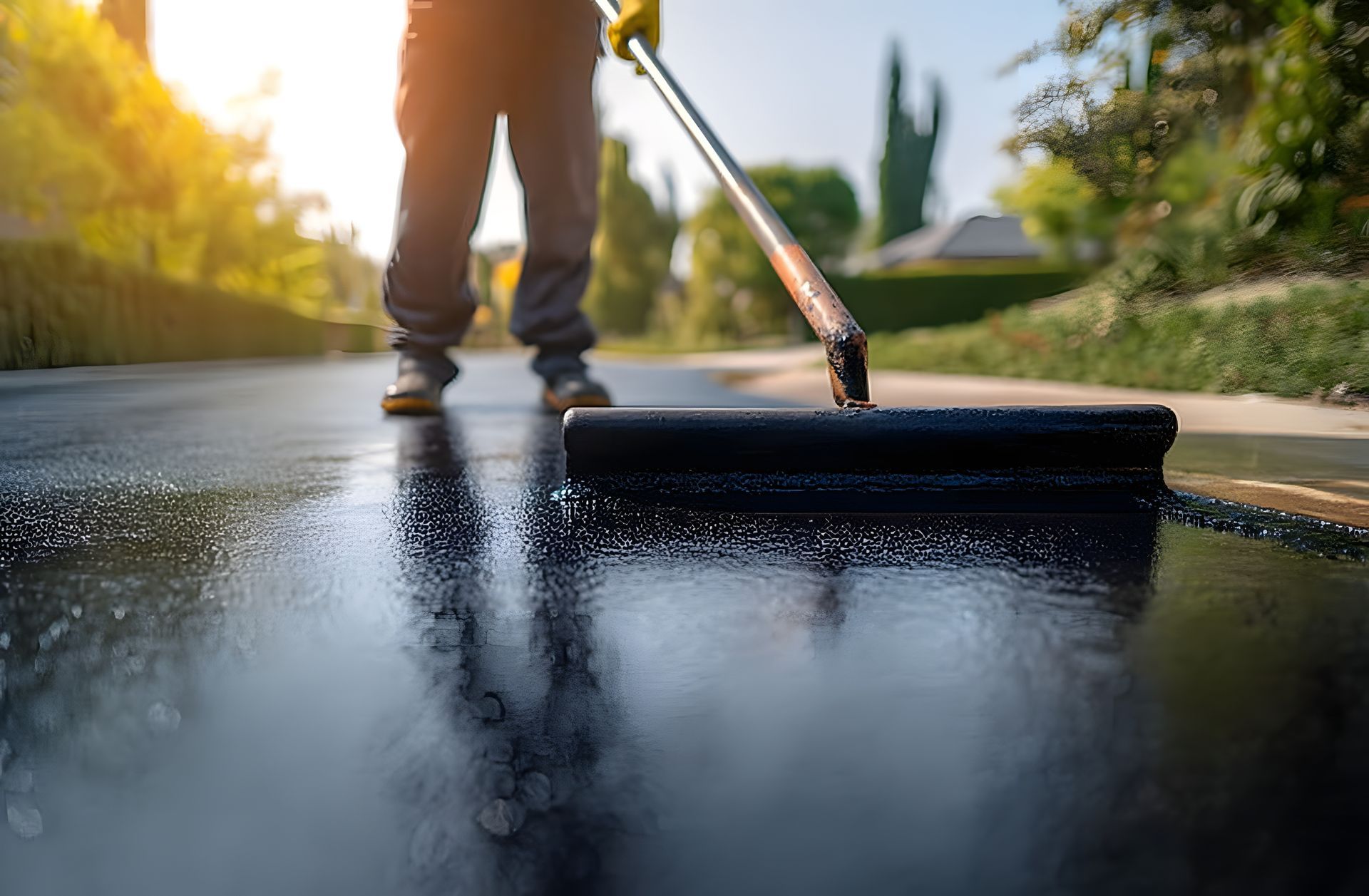
Sealcoating is a preventative asphalt maintenance service.
The sealer creates a protective barrier over the existing asphalt surface, helping reduce direct exposure to water, UV rays, oil, gas, road salt, and everyday environmental wear. It also restores the darker appearance associated with maintained asphalt.
However, sealcoating should not be confused with installing new asphalt.
It does not rebuild the pavement underneath, eliminate low spots, or correct major structural failures. The existing condition of your driveway matters when determining whether sealcoating is appropriate.
NextGen Great Sealcoating provides professional residential driveway sealcoating designed to protect and refresh asphalt that remains a good candidate for preventative maintenance.
What Happens Before Your Driveway Is Sealcoated?
Surface preparation is one of the most important parts of professional sealcoating.
Sealer needs to bond properly to the existing asphalt. Dirt, loose debris, grass, oil, and other contaminants can interfere with that process, which is why a professional application should begin well before the sealer itself comes out.
NextGen's residential process includes several preparation steps based on the needs of the individual driveway.
Step 1: Driveway Edges Are Prepared
Where appropriate, NextGen begins by trimming grassy edges and removing grass and dirt along the sides of the driveway.
This exposes the asphalt edge and allows the sealer to reach areas where deterioration commonly begins.
Edge preparation also contributes to the clean, defined appearance homeowners typically expect from a professionally completed driveway.
Step 2: The Asphalt Is Thoroughly Cleaned
A clean surface is essential for proper sealcoat application.
NextGen uses a combination of wire brushes, power brooms, and power blowers to thoroughly clean residential driveways before applying sealer. Cracks and joints are also cleaned as required.
This process removes material that could interfere with adhesion and gives the contractor a better surface to work with.
Cleaning is one of the major differences between simply putting a coating on asphalt and approaching sealcoating as a complete pavement maintenance service.
Step 3: Oil Spots and Problem Areas Are Addressed
Driveways regularly come into contact with automotive fluids.
Oil, gas, and similar substances can affect asphalt and interfere with the way sealer bonds to the pavement. These areas therefore require attention before the main application.
NextGen treats appropriate oil spots and similar areas with special primers designed to promote sealer adhesion and address substances that can damage asphalt.
This type of spot treatment is another reason preparation should be tailored to the condition of the individual driveway rather than following exactly the same process on every property.
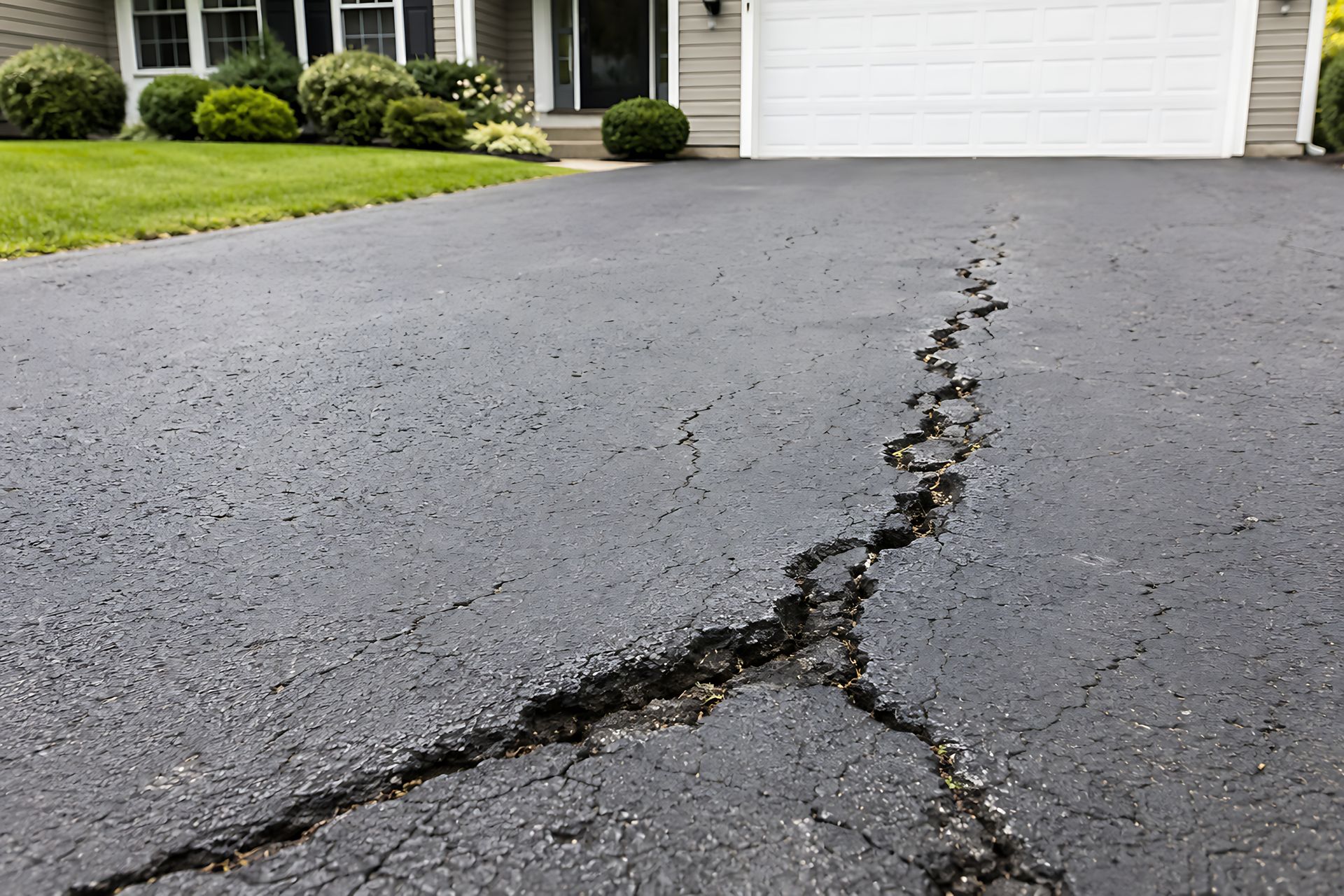
Step 4: Appropriate Cracks Are Treated
Crack treatment and sealcoating serve different purposes.
Sealcoating protects the asphalt surface, while structural cracks may require a separate material before the sealcoat is applied.
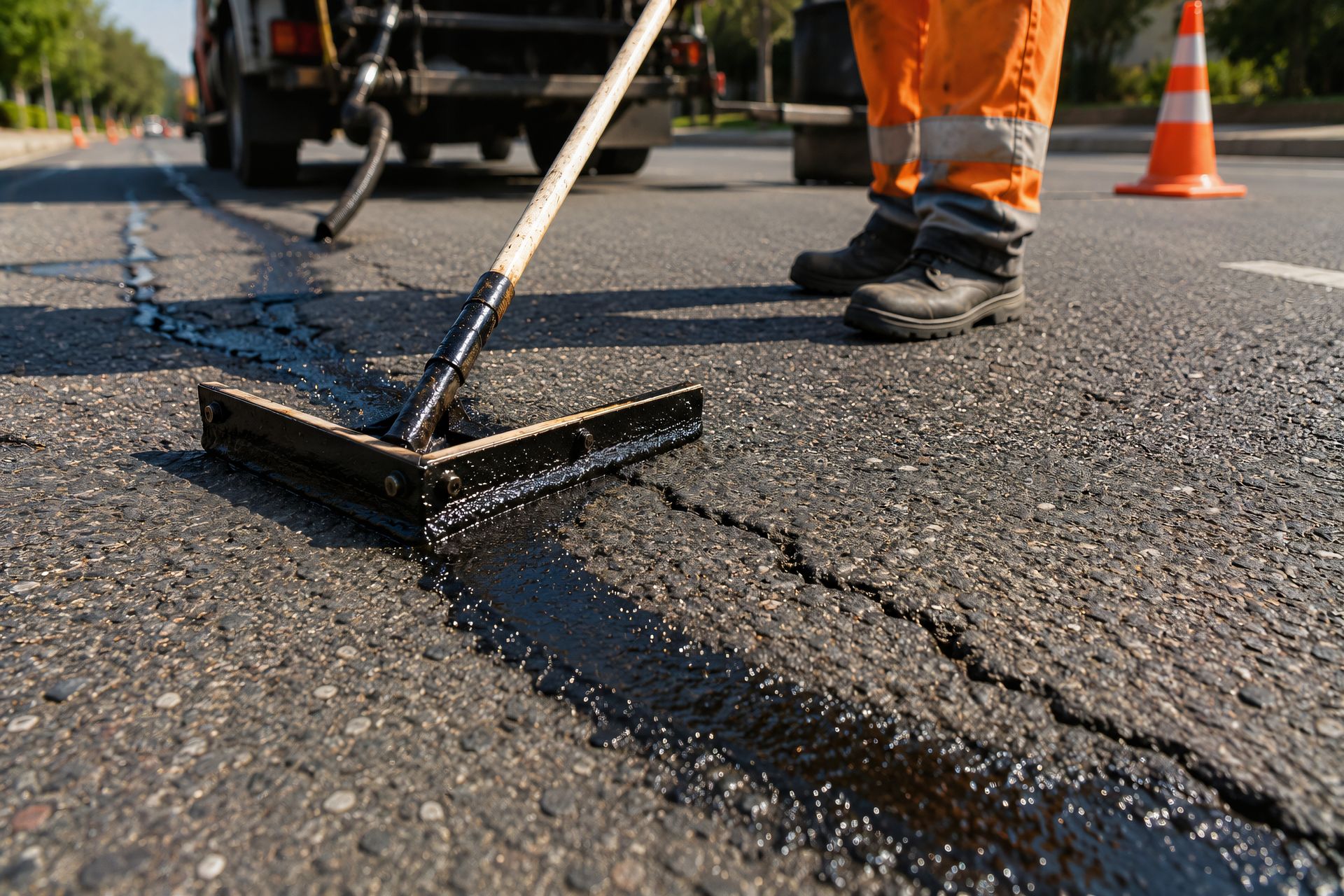
NextGen cleans cracks and joints as required during surface preparation. Qualifying structural cracks are treated with hot rubberized material before sealcoating.
The Federal Highway Administration recognizes crack sealing and filling as preventative pavement maintenance techniques intended to reduce water and incompressible material from entering pavement cracks.
This step matters because homeowners should not expect a layer of sealer to function as a structural crack repair.
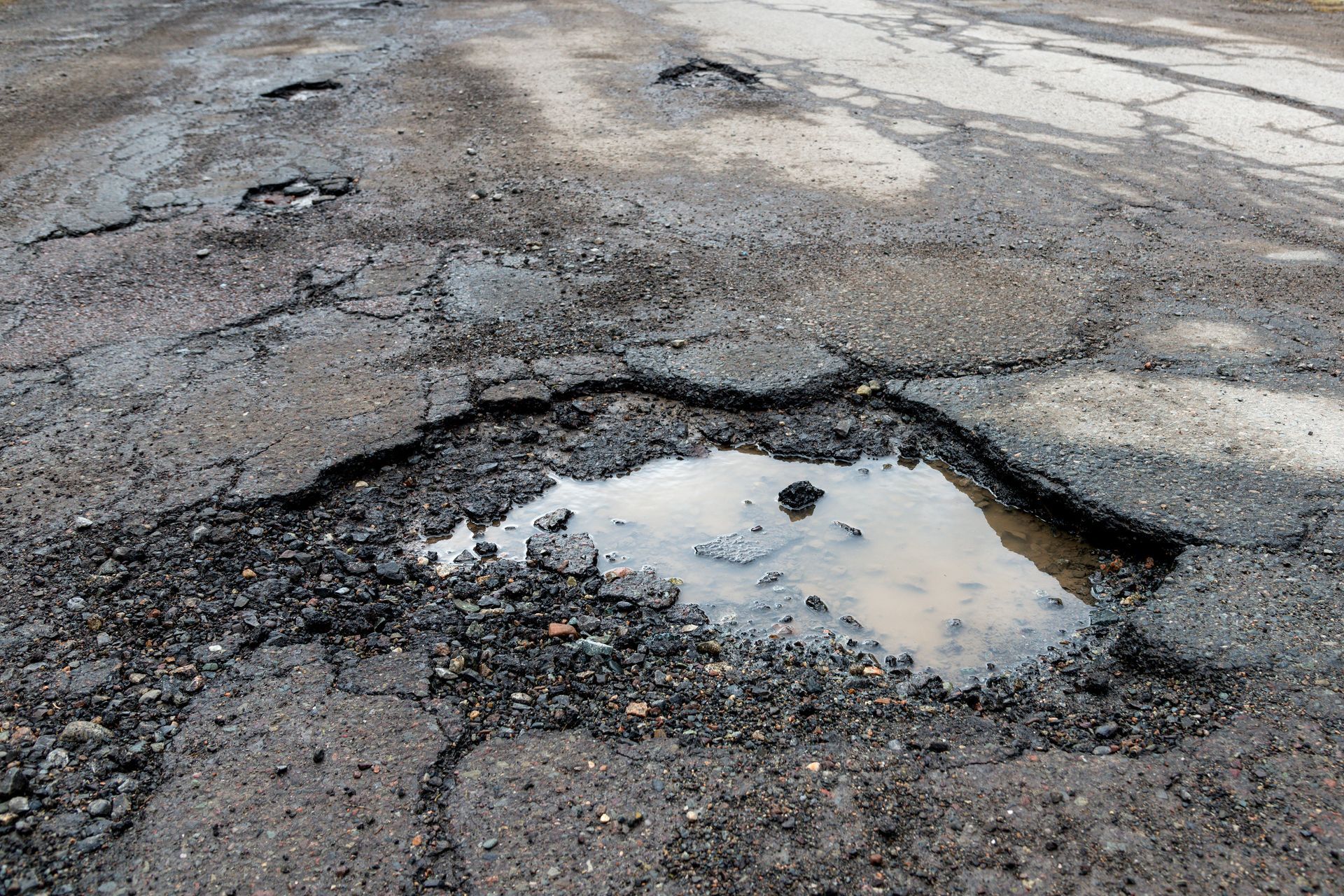
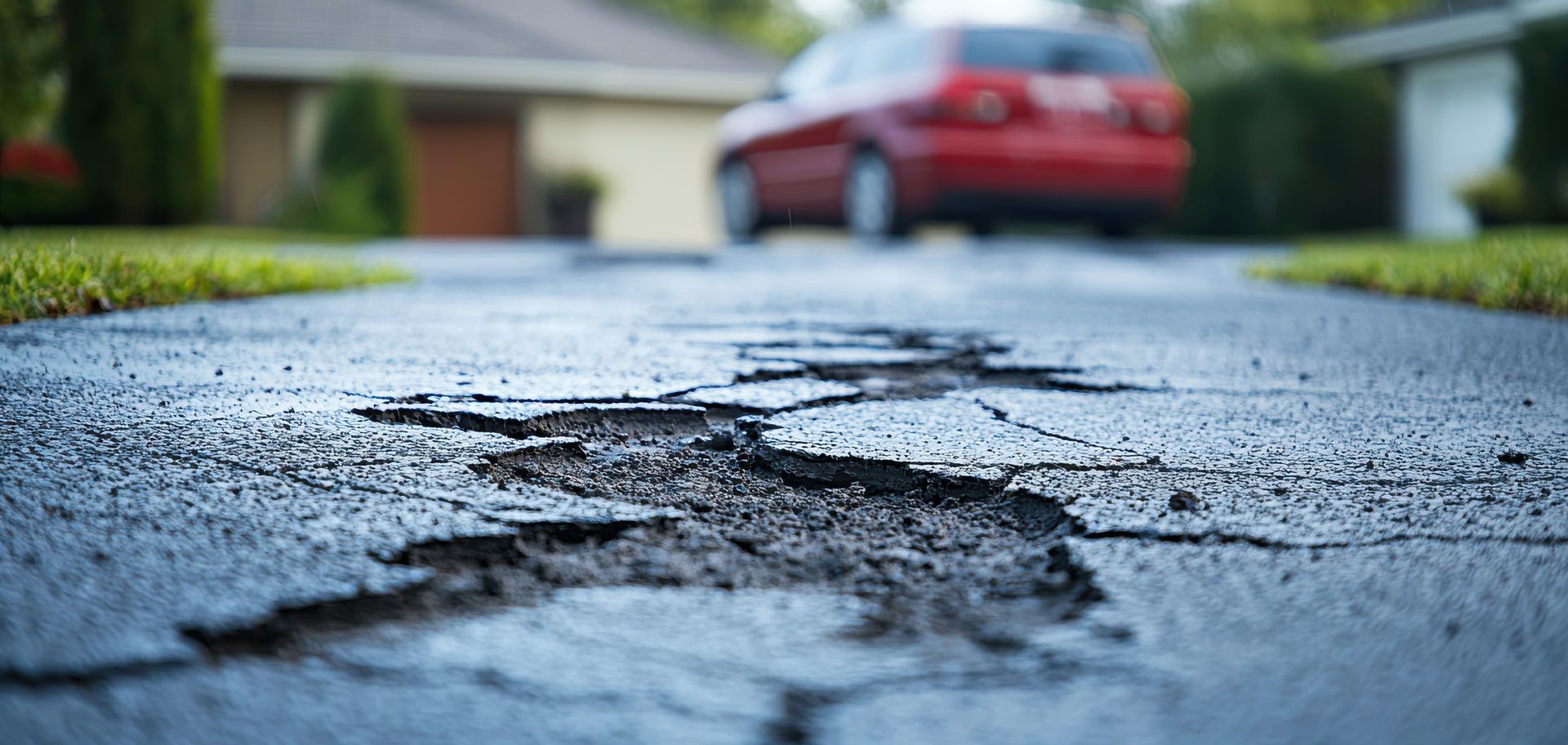
If your driveway has widespread cracking, potholes, sinking areas, or severe deterioration, it may need to be evaluated for another service before sealcoating.
Step 5: The Driveway Sealer Is Applied
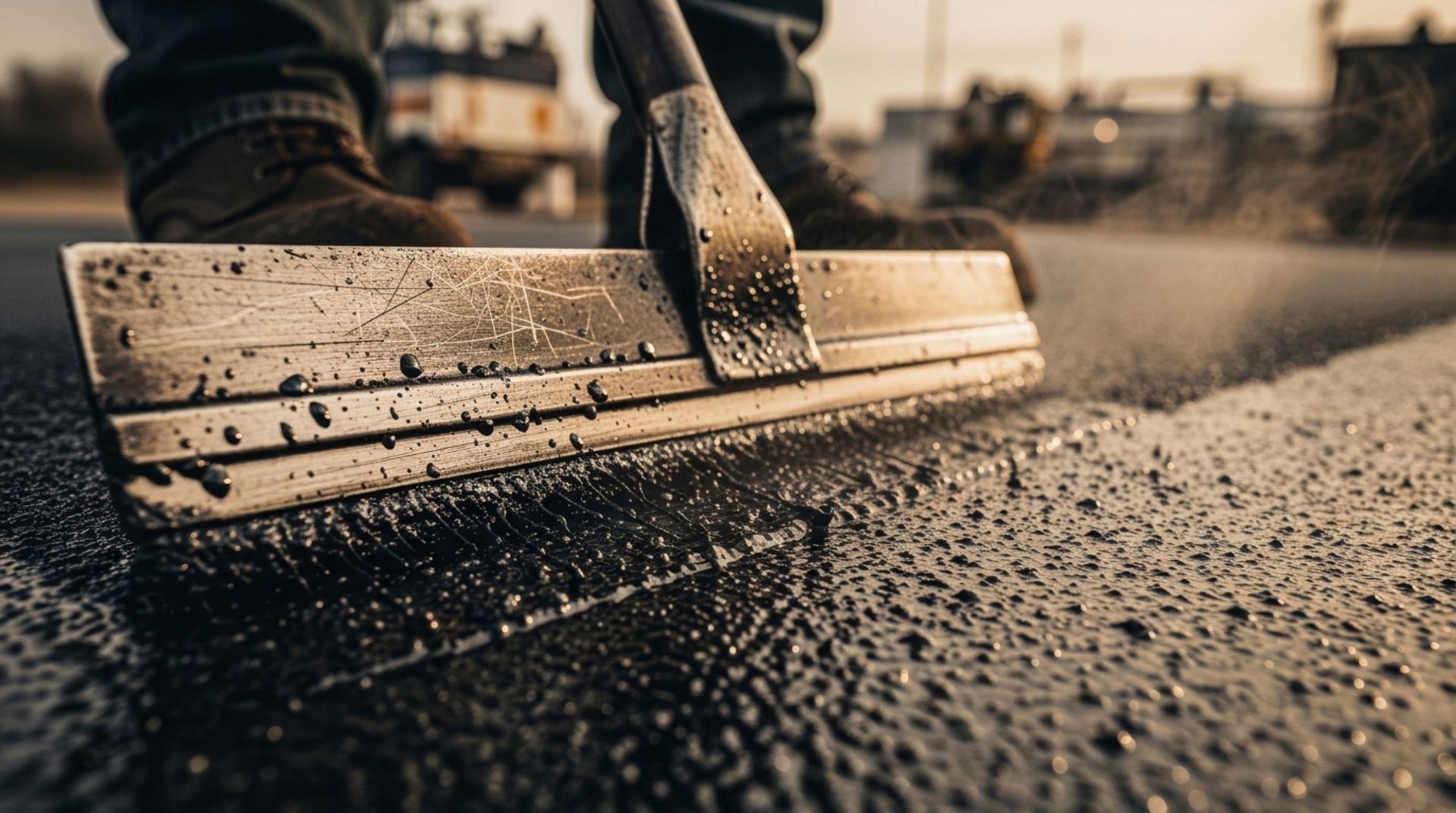
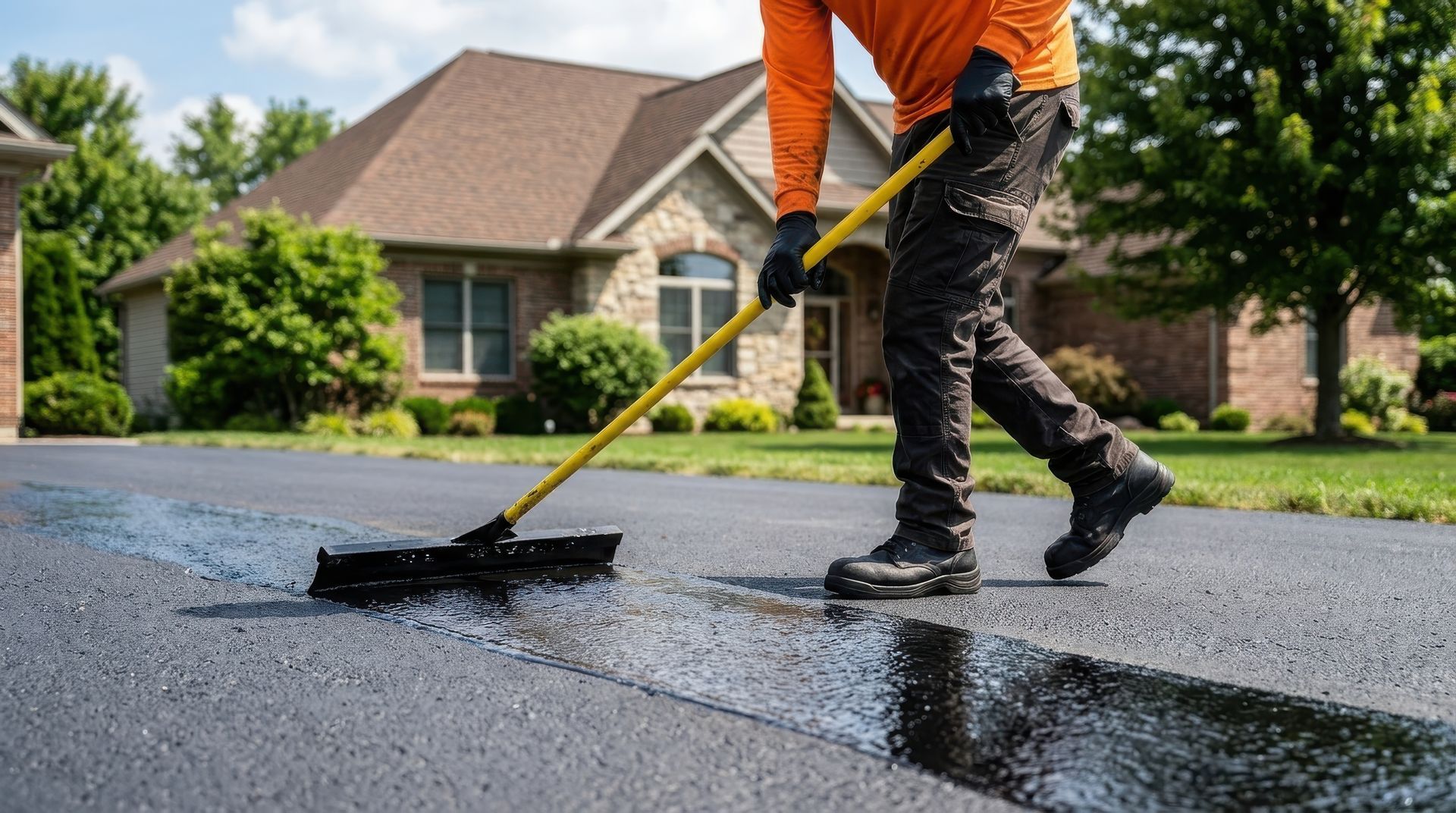
Once the pavement has been properly prepared, the sealcoat can be applied.
NextGen Great Sealcoating uses EcoAmigo asphalt sealer on its residential projects.
EcoAmigo is NextGen's proprietary asphalt sealer and is formulated without coal tar or naphthalene. According to NextGen, the product is fortified with silica sand and recycled materials and is designed to provide a durable protective finish without harmful fumes.
The sealer creates a protective barrier over the existing asphalt while restoring a darker, more uniform appearance.
Homeowners interested in the materials used on their property can learn more about NextGen's EcoAmigo asphalt sealer before scheduling service.
What Will Your Driveway Look Like After Sealcoating?
One of the most immediately noticeable changes is color.
Aging asphalt typically becomes lighter and grayer as it is exposed to sunlight and weather. Fresh sealcoating gives the pavement a darker, more uniform appearance that can make the driveway and surrounding property look better maintained.
That visual improvement can provide an immediate curb-appeal boost.
It is important, however, to have realistic expectations.
Sealcoating follows the existing pavement. It does not create a completely new asphalt surface, so existing texture, repairs, depressions, rough areas, and other physical characteristics may remain visible.
The primary purpose is to protect and preserve the asphalt, with improved appearance as an additional benefit.
How Long Does Driveway Sealcoating Take to Dry?
Homeowners should plan for their driveway to remain unavailable for vehicles after the project.
NextGen barricades residential driveways for approximately 24 to 48 hours as part of its drying process.
Actual drying and curing conditions can be influenced by factors such as temperature, humidity, sunlight, and weather. Follow the instructions provided for your specific project before walking, driving, or parking on the finished surface.
Planning for this downtime in advance can make your appointment easier.
Before sealcoating day, consider where you will park vehicles and whether you need to remove anything from a garage that you may need while the driveway is closed.
Can You Drive on a Freshly Sealcoated Driveway?
You should wait until the contractor indicates that the driveway is ready for vehicle traffic.
Driving on fresh sealer too soon can mark or disturb the surface before it has had adequate time to set.
NextGen's typical residential process involves barricading the driveway for approximately 24 to 48 hours.
Do not assume the driveway is ready simply because the surface looks dry. Follow the project-specific guidance you receive from the sealcoating team.
What If Rain Is in the Forecast?
Weather plays an important role in asphalt sealcoating.
Because the process involves a water-based coating that needs appropriate conditions to dry and cure, contractors need to consider precipitation, temperature, humidity, and pavement conditions when scheduling work.
Weather can change, particularly during summer storm season.
If conditions become unsuitable, a professional contractor may need to adjust the project schedule rather than applying sealer in conditions that could compromise the result.
A weather-related schedule change can be inconvenient, but proper application conditions are more important than forcing the work onto a particular day.
What Should Homeowners Do Before the Crew Arrives?
Your contractor will handle the professional surface preparation, but homeowners can make the appointment easier by ensuring the work area is accessible.
Before service, follow any instructions NextGen provides for your particular property. That may include planning vehicle parking, ensuring the driveway is accessible, and removing anything that could interfere with the work area.
Because the driveway will be unavailable during application and drying, remove vehicles before the crew begins.
If your garage contains a vehicle, bicycle, trash container, lawn equipment, or anything else you will need during the closure period, consider moving it beforehand.
The objective is simple: give the crew access to the asphalt and plan ahead for the temporary loss of driveway access.
What Happens After the Sealcoating Is Finished?
Once application is complete, the most important thing homeowners can do is give the surface time.
Avoid driving or parking on the driveway until it has been cleared for use. Keep the barricades in place for the recommended period and follow any specific instructions provided by the crew.
Once the driveway has properly dried and reopened, normal asphalt maintenance can continue.
Sealcoating is not a one-time solution that makes asphalt maintenance-free. Your driveway will continue to experience sunlight, rain, snow, vehicle traffic, temperature changes, and normal aging.
Periodic inspections can help you catch new cracks or other changes before they become larger issues.
How Often Will You Need Professional Sealcoating?
NextGen generally recommends residential driveway sealcoating every two to three years.
The appropriate timing for an individual property can vary based on traffic, climate, sun exposure, pavement age, previous maintenance, and overall asphalt condition.
Rather than relying only on the calendar, watch the pavement.
A fading gray appearance, visible wear, or deterioration of a previous sealcoat can indicate that it is time to have the driveway evaluated again.
What Should Professional Sealcoating Include?
Although every driveway is different, a professional process should focus on more than the final coating.
For NextGen residential projects, the process can include:
- Preparing and trimming driveway edges where appropriate
- Thoroughly cleaning the asphalt
- Cleaning cracks and joints as required
- Treating appropriate oil spots and contaminants
- Treating qualifying structural cracks
- Applying EcoAmigo asphalt sealer
- Barricading the driveway while it dries
- Guiding when the surface can return to use
Understanding these steps helps homeowners know what they are paying for and why preparation matters.
Is Professional Driveway Sealcoating Worth It?
For asphalt that remains in serviceable condition, professional sealcoating can be a valuable part of preventative maintenance.
It helps protect the surface from environmental exposure while refreshing the appearance of faded pavement. Professional service also means the condition of the driveway can be evaluated before application and appropriate preparation can be completed before the sealer goes down.
The goal is not simply to make a driveway black.
The goal is to properly prepare, treat, and protect an asphalt surface so that homeowners can get more value from their existing pavement.
What happens during professional driveway sealcoating?
Professional driveway sealcoating begins with surface preparation. NextGen's residential process includes edge preparation where appropriate, thorough cleaning, treatment of appropriate oil spots and structural cracks, application of EcoAmigo asphalt sealer, and barricading the driveway while it dries.
How long should I stay off my driveway after sealcoating?
NextGen Great Sealcoating typically barricades residential driveways for approximately 24 to 48 hours. Actual conditions can vary, so homeowners should follow the instructions provided for their specific project before driving or parking on the surface.
Do I need to clean my driveway before professional sealcoating?
NextGen includes thorough surface cleaning as part of its professional residential sealcoating process. Homeowners should follow any pre-service instructions provided and make sure vehicles and other obstructions are removed so the crew can access the driveway.
Are driveway cracks repaired before sealcoating?
Appropriate cracks are evaluated separately from the sealcoat itself. NextGen cleans cracks and joints as required and treats qualifying structural cracks with hot rubberized material before sealcoating.
Will professional sealcoating make my driveway completely smooth?
No. Sealcoating protects the existing asphalt surface and restores a darker appearance, but it does not create a new paved surface or correct major low spots, roughness, or structural defects.
Know What to Expect Before Your Sealcoating Appointment
Professional driveway sealcoating is a process, not just an application.
From edge preparation and cleaning to crack treatment, priming, sealcoat application, and drying time, each stage contributes to the finished project.
Knowing what to expect also makes it easier to plan around temporary driveway closure and understand what sealcoating can—and cannot—do for existing asphalt.
NextGen Great Sealcoating provides residential asphalt sealcoating services using its EcoAmigo asphalt sealer and a detailed preparation process.
If your driveway is faded, weathered, or approaching its regular maintenance interval, contact NextGen Great Sealcoating for a free quote to find out whether professional sealcoating is right for your property.