Is Your Driveway Too Damaged for Sealcoating? 7 Signs to Look For
Yes, an asphalt driveway can become too damaged for sealcoating alone. Sealcoating is a preventative maintenance treatment designed to protect an asphalt surface that is still in serviceable condition. It cannot rebuild failing pavement, correct low spots, or repair serious structural damage.
So, how do you know when your driveway has crossed that line?
Fading and normal surface wear may indicate that sealcoating is appropriate, while widespread cracking, potholes, sinking areas, and significant deterioration can point toward repairs or repaving.
Here are seven signs that your asphalt may need more than a fresh sealcoat.
What Does Sealcoating Actually Fix?
Before looking at the warning signs, it helps to understand what sealcoating is, and what it isn't.
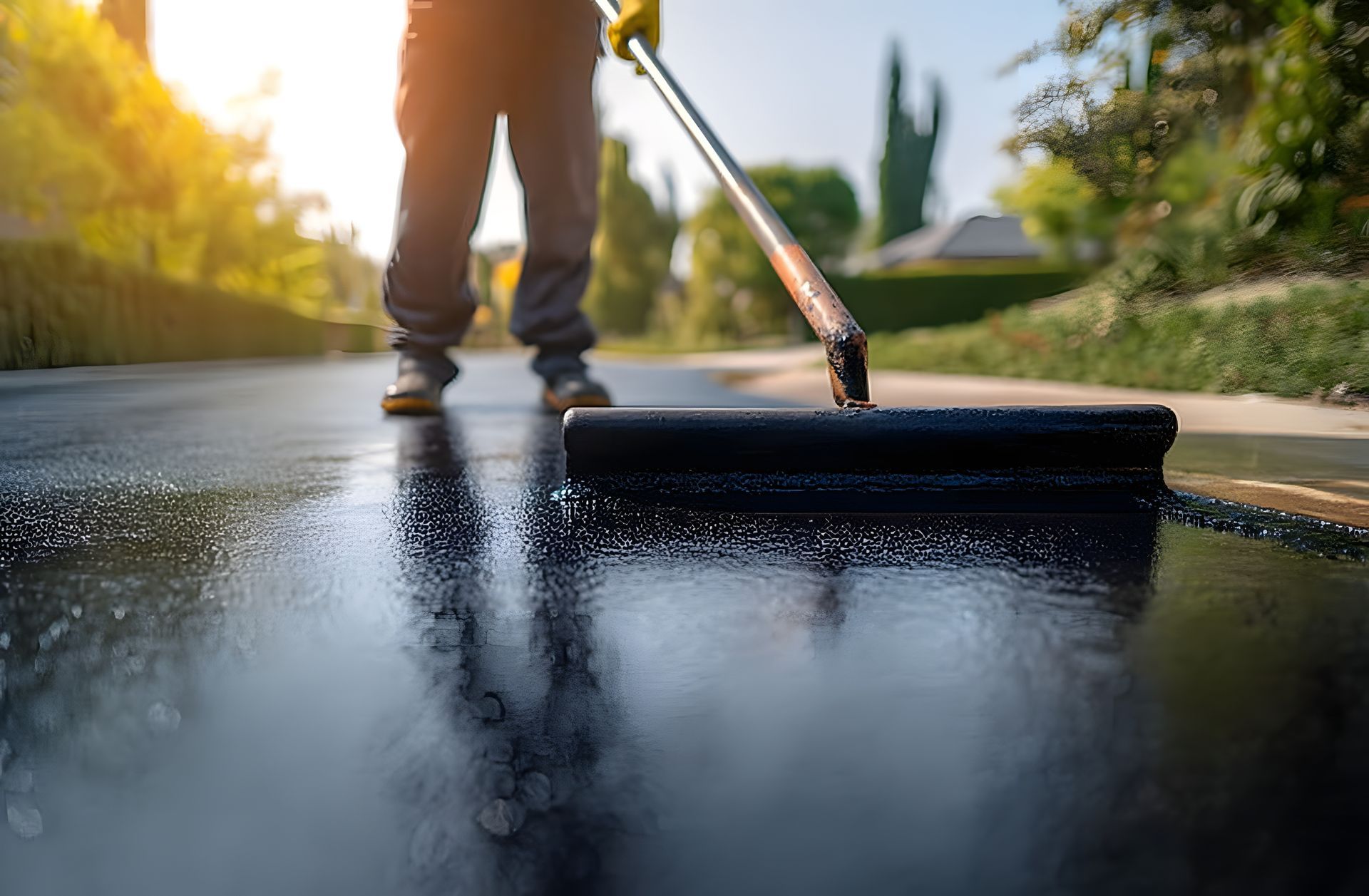
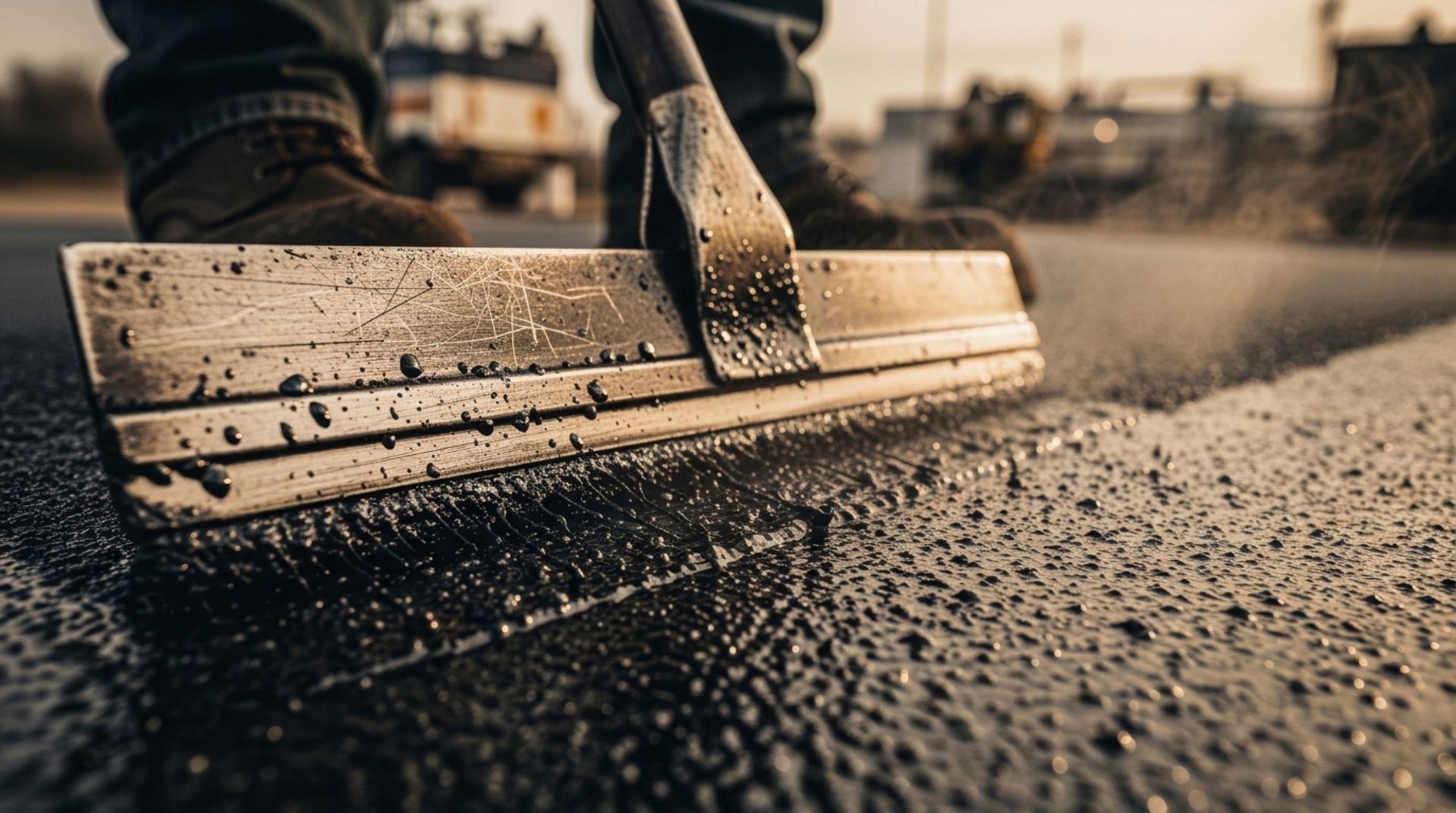
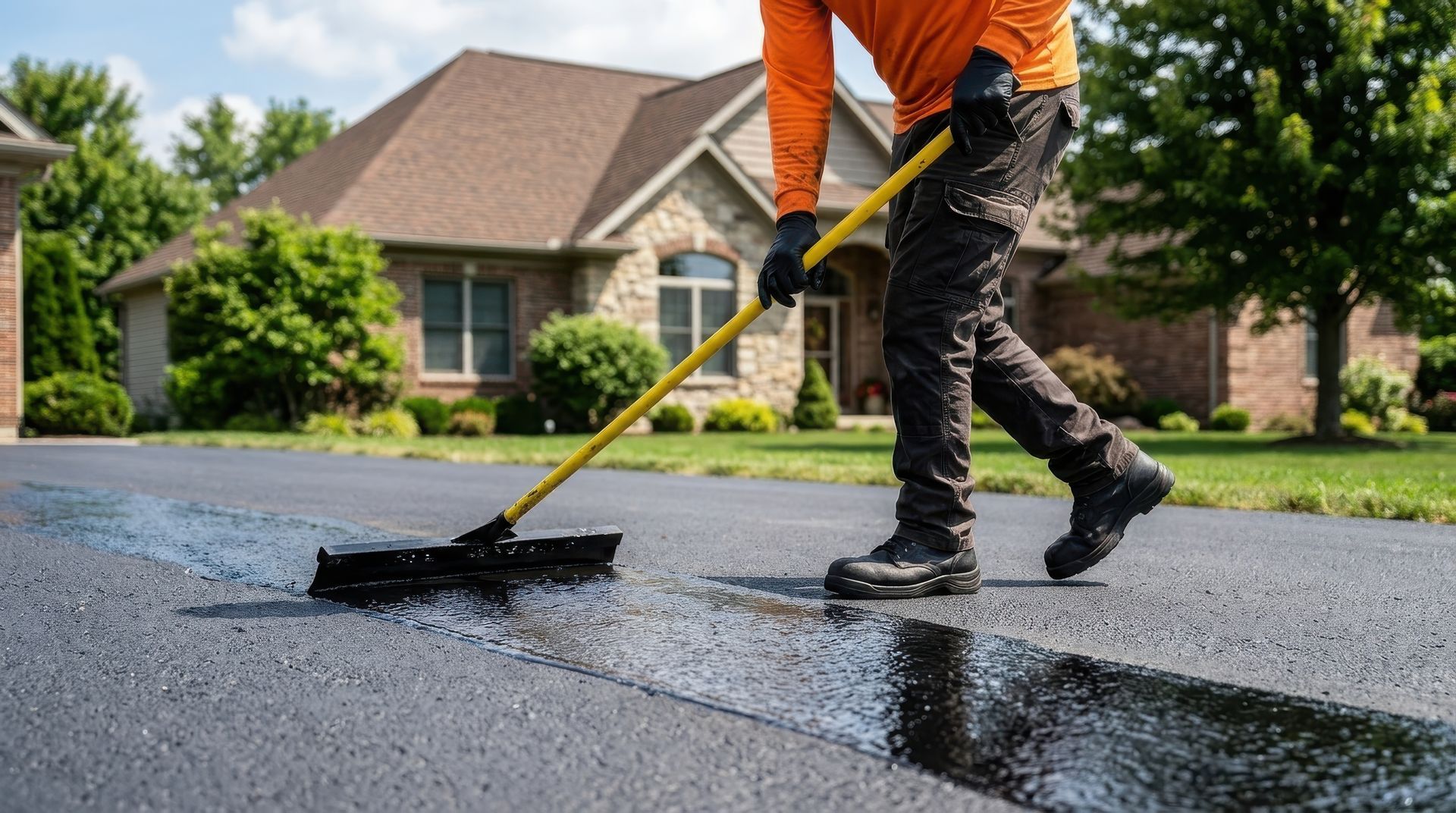
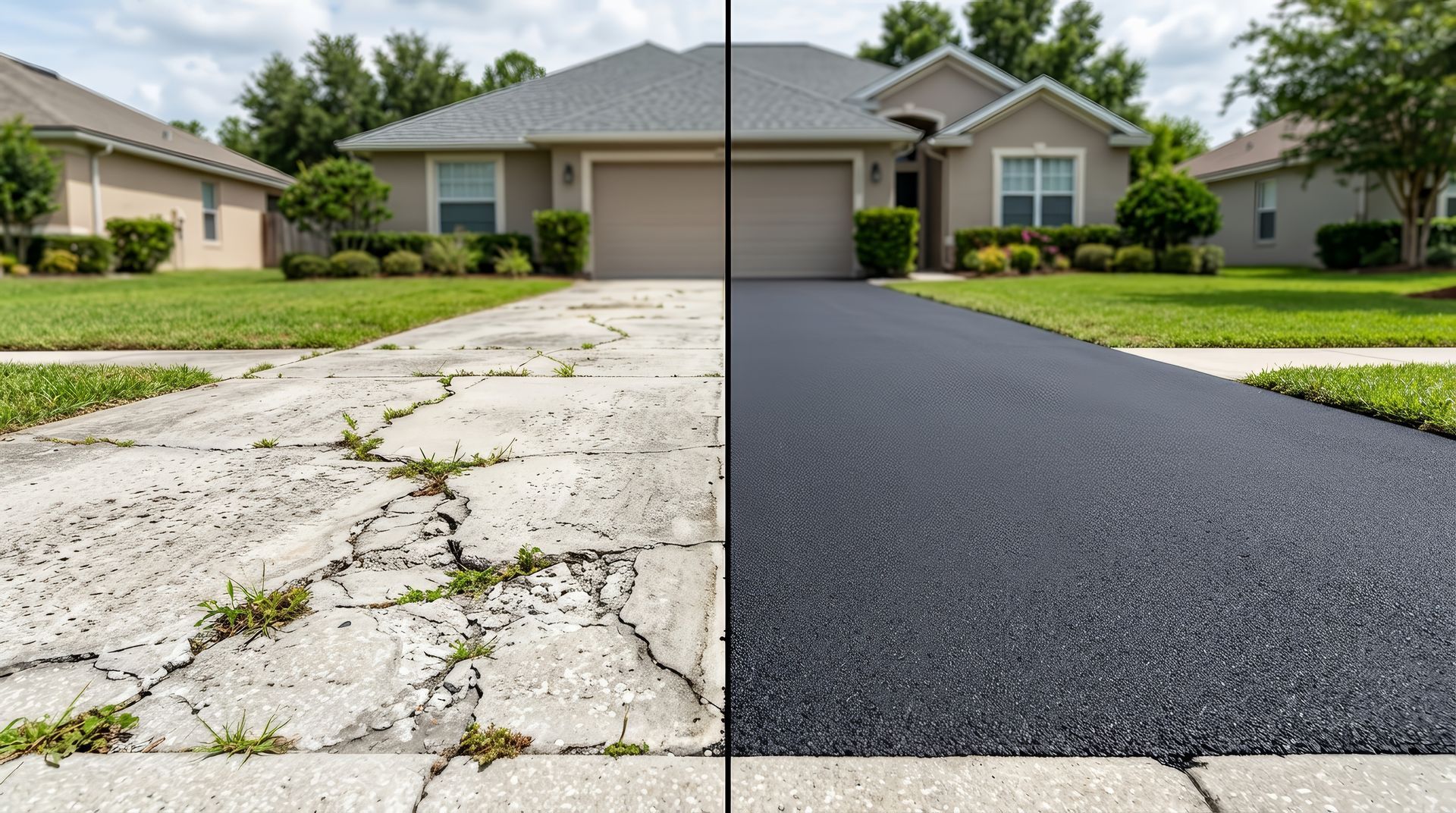
Sealcoating applies a protective coating over an existing asphalt surface. It helps protect
pavement from exposure to water, UV rays, oil, gas, road salt, and other environmental stresses while restoring the asphalt's darker appearance.
Think of it primarily as preservation rather than reconstruction.
The Federal Highway Administration describes pavement preservation as work performed to keep pavement in good repair and slow deterioration while the pavement is still in satisfactory condition. Preventative treatments are most effective before serious damage develops.
That same principle is useful for residential asphalt.
NextGen Great Sealcoating's residential driveway sealcoating services are intended to protect and preserve existing asphalt. If the pavement underneath has already experienced substantial failure, simply coating the surface will not correct the underlying problem.
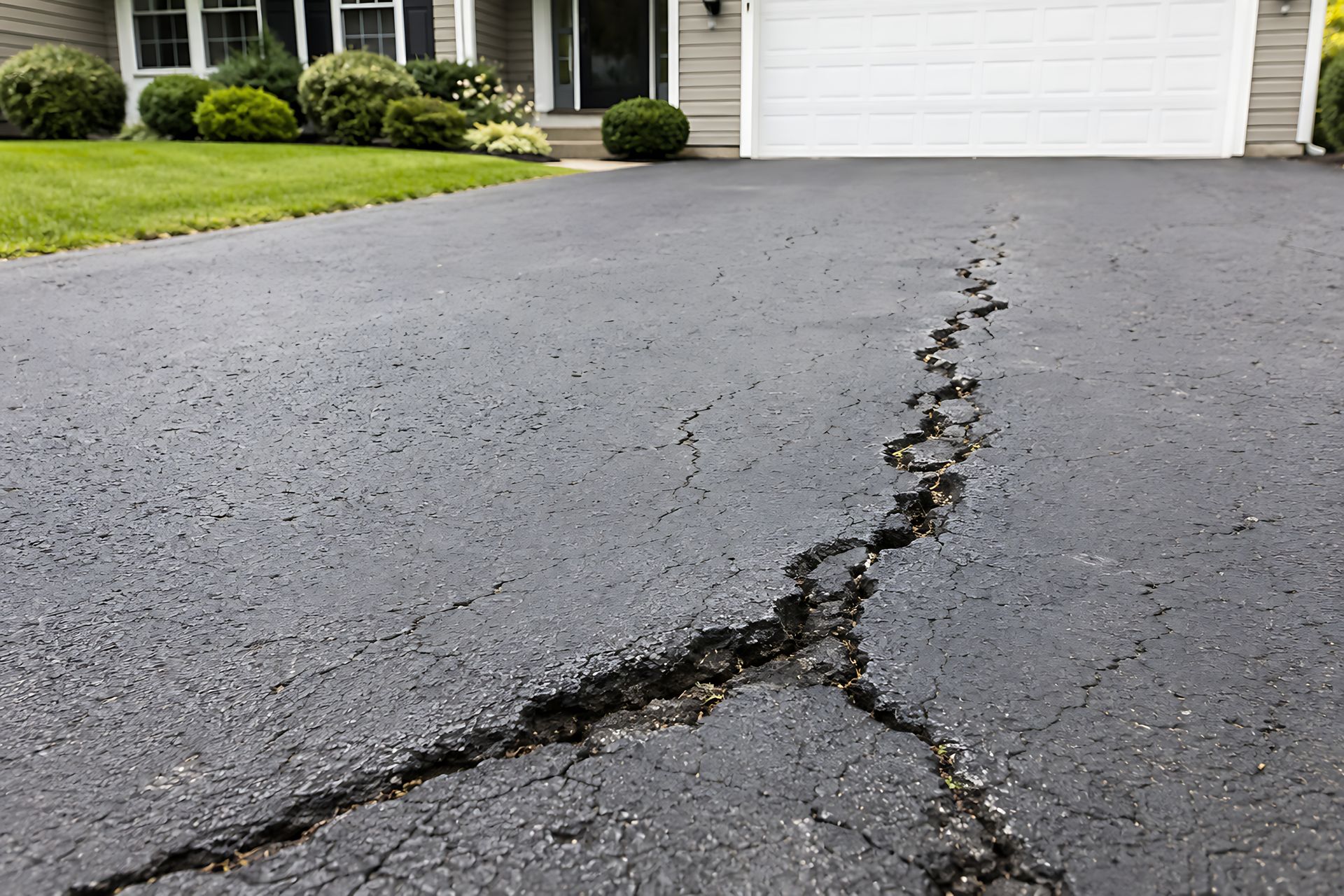
1. Your Driveway Has Large or Widespread Cracks
Not every crack means your driveway needs to be repaved.
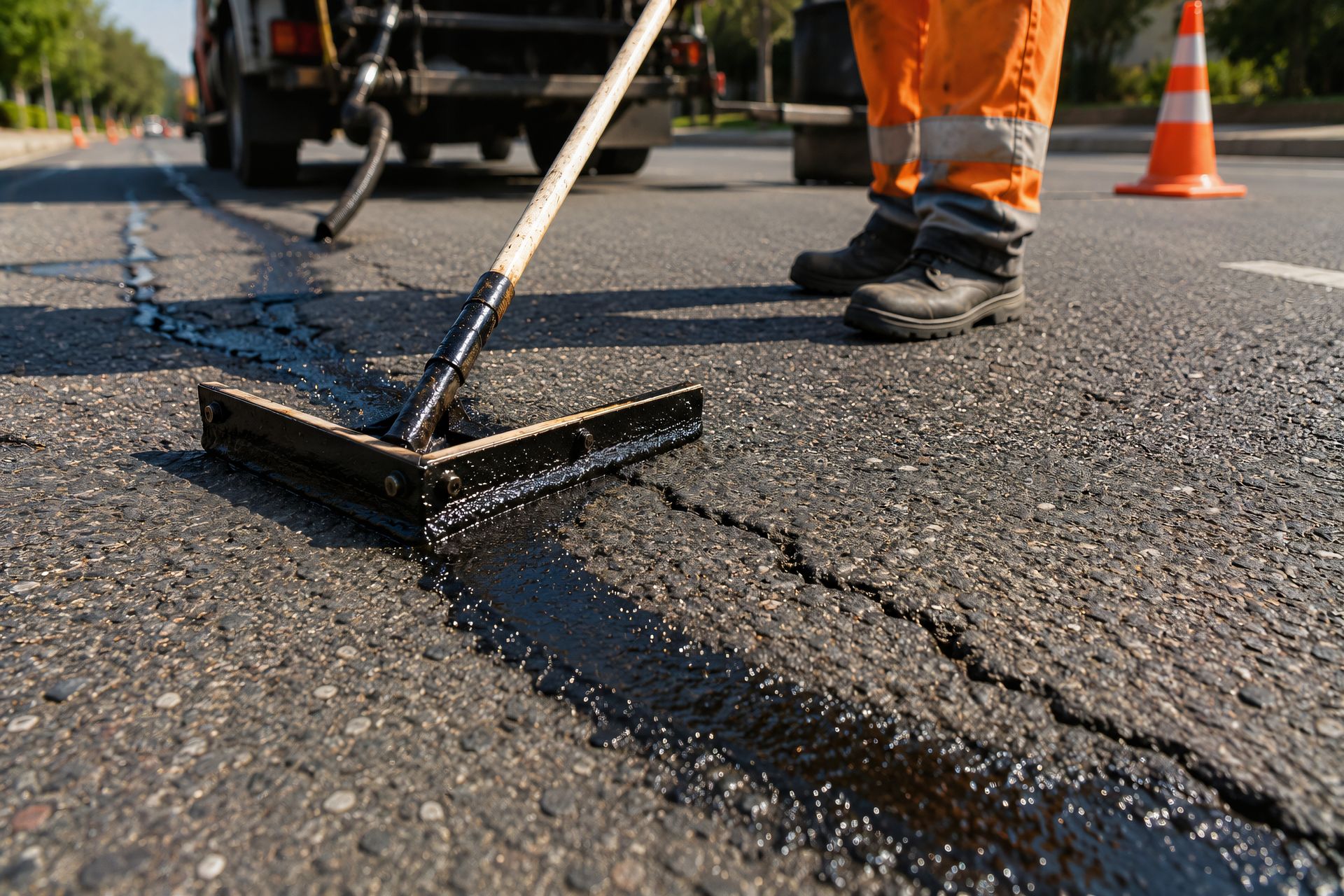
Cracking is common as asphalt ages and responds to weather, ground movement, traffic, and changing temperatures. Depending on the type and size of the crack, professional crack treatment may be appropriate before sealcoating.
NextGen Great Sealcoating cleans cracks and joints as required and uses rubberized material to treat qualifying structural cracks before applying sealer.
The concern is when cracking becomes extensive.
If large cracks cover significant portions of the driveway, intersect repeatedly, or appear alongside other forms of deterioration, the pavement should be professionally evaluated before sealcoating.
The important distinction is that sealcoating can protect the asphalt surface, but it cannot reconnect or rebuild pavement that is structurally failing underneath.
2. You See Alligator or Fatigue-Style Cracking
Does part of your driveway look like an alligator's skin?
A network of interconnected cracks is more concerning than an isolated crack. This type of pattern can indicate that the pavement has experienced more substantial deterioration.
Covering severely cracked pavement with sealer does not eliminate the underlying damage.
When pavement reaches this condition, a contractor may need to determine whether the affected area can be repaired or whether more extensive asphalt work is appropriate.
This is an important reason to address asphalt maintenance earlier. Preventative maintenance is intended to slow deterioration before the pavement reaches a condition requiring more substantial rehabilitation.
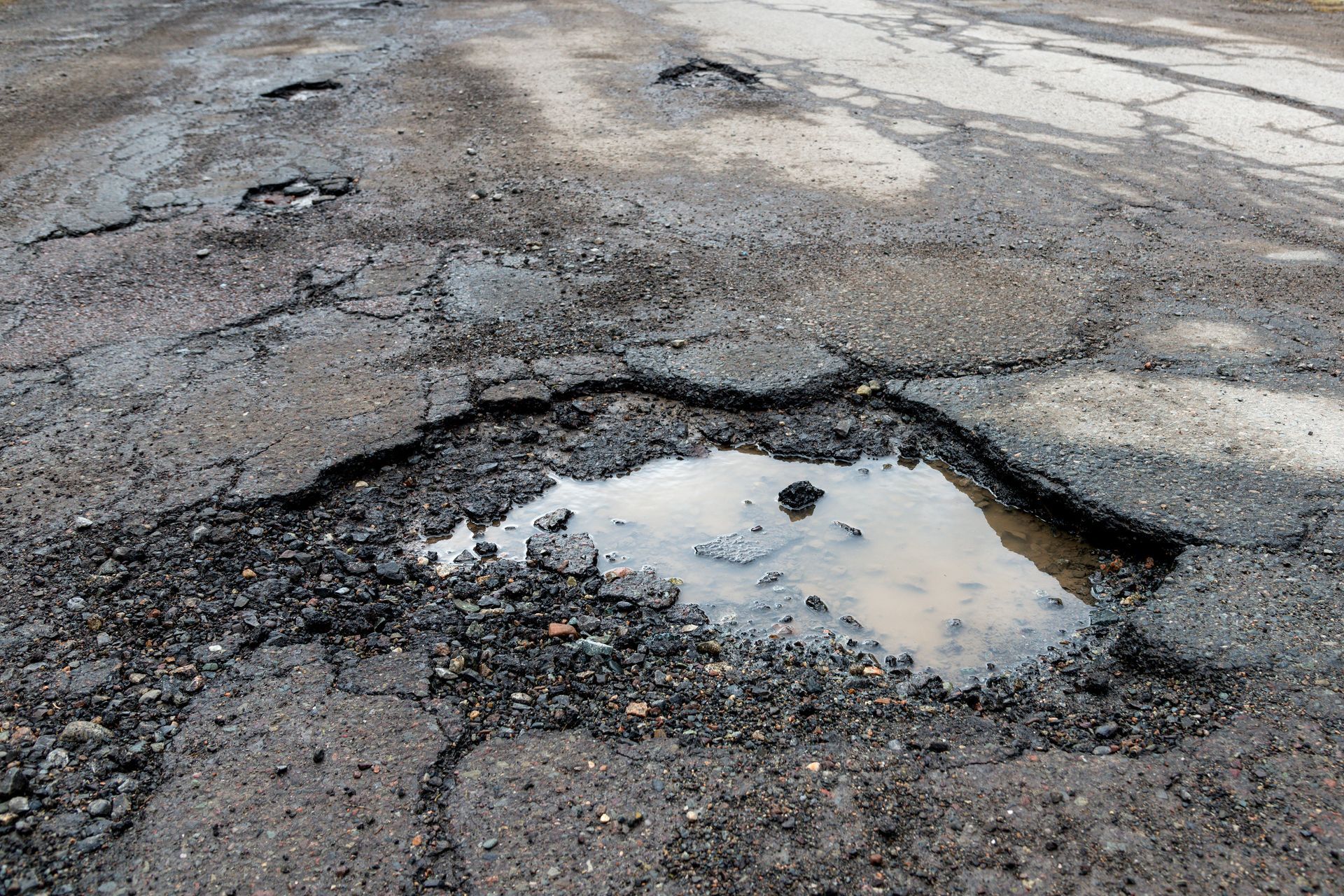
3. Your Driveway Has Potholes
Potholes are another indication that your driveway needs more than cosmetic attention.
A pothole represents actual pavement loss. Applying sealcoat over or around it does not replace the missing asphalt or correct whatever allowed the area to deteriorate.
The appropriate solution depends on the extent and cause of the damage.
A localized pothole may be a candidate for asphalt patching. Multiple potholes or deterioration throughout the driveway may indicate that a broader assessment is needed.
The Asphalt Institute identifies potholes as a pavement distress requiring an appropriate repair method rather than treating every form of pavement deterioration the same way.
If potholes have started appearing, it is better to determine why than to assume a coat of sealer will solve the problem.
4. Parts of the Driveway Are Sinking or Holding Water
After it rains, take a look at your driveway.
Are there areas where water consistently collects?
Low spots, sometimes called birdbaths, can indicate problems with the pavement's grade or underlying structure. Sealcoating follows the existing shape of the asphalt, so applying it over a depression will not raise that area or correct drainage.
NextGen's own asphalt sealcoating FAQ makes this distinction clear: sealers are designed to protect and preserve asphalt, while low spots and other defects may require patching or repaving.
Standing water also deserves attention because moisture can contribute to asphalt deterioration, especially when cracks or other openings allow it to penetrate vulnerable areas.
If water repeatedly collects in the same location, have the area evaluated rather than trying to hide it beneath sealer.
5. The Asphalt Is Crumbling or Losing Material
A little surface wear is different from pavement that is actively breaking apart.
If aggregate is loosening, edges are crumbling, or pieces of asphalt are separating from the driveway, the pavement may have progressed beyond ordinary fading and oxidation.
The Asphalt Institute identifies loss of surface aggregate, also known as raveling, as one of the distress conditions used when evaluating pavement maintenance. The severity of the deterioration matters when determining the appropriate treatment.
Sealcoating may be useful at earlier stages of asphalt aging, but extensive material loss deserves a professional assessment.
Once significant sections of the driveway are deteriorating, the question becomes less about improving appearance and more about the condition of the pavement itself.
6. The Driveway Is Extremely Rough or Uneven
Homeowners sometimes expect sealcoating to create a perfectly smooth new surface.
It doesn't.
Sealer bonds to the asphalt that is already there. If the existing driveway is rough, uneven, or has visible surface defects, those characteristics can remain noticeable after sealcoating.
NextGen Great Sealcoating specifically advises customers that sealcoating protects, preserves, and improves the appearance of asphalt but is not the equivalent of installing a new paved or resurfaced surface.
That distinction can prevent an expensive misunderstanding.
If your main concern is substantial roughness or uneven pavement, ask whether sealcoating will accomplish what you expect before scheduling the service.
7. Previous Repairs Are Failing Across the Driveway
One isolated repaired area does not necessarily mean the entire driveway has failed.
But if numerous patches are deteriorating, cracks repeatedly reopen across large areas, and new damage continues appearing, it may be time for a broader evaluation.
Continually treating individual symptoms can become less practical when deterioration is widespread.
A professional can look at the driveway as a whole and determine whether targeted repairs still make sense or whether more extensive work should be considered.
The goal should be to choose a treatment that matches the pavement's actual condition—not simply the least intensive service available.
Can You Sealcoat Over Cracks?
It depends on the cracks.
Small surface cracks and larger structural cracks are not necessarily treated the same way. Appropriate cracks should be evaluated and treated as part of the preparation process rather than assuming the sealcoat itself will make them disappear.
NextGen Great Sealcoating's residential process includes cleaning cracks and joints as required. Larger qualifying structural cracks are treated with hot rubberized crack material.
The Asphalt Institute also recommends addressing appropriate cracks before subsequent pavement preservation or rehabilitation treatments.
This is why surface preparation matters so much. Sealcoating should be part of a pavement maintenance process, not simply a black coating placed over unresolved damage.
Can Sealcoating Fix a Rough Driveway?
No. Sealcoating does not make rough or uneven asphalt structurally smooth.
It may create a darker, more uniform color, but the texture and shape of the underlying pavement still influence the finished appearance.
If your driveway has significant roughness, depressions, low spots, or other defects, NextGen recommends considering patching or repaving where appropriate rather than expecting sealer to correct those conditions.
Understanding this before the project begins helps set realistic expectations about what sealcoating can accomplish.
When Is Sealcoating the Right Choice?
Sealcoating makes the most sense when the asphalt is still structurally serviceable and the goal is preventative maintenance.
A driveway may be a good candidate when it is:
- Fading or becoming gray from age and exposure
- Showing normal surface wear
- Due for routine preventative maintenance
- Developing appropriate cracks that can be treated
- Structurally sound overall
- In need of protection from environmental exposure
- Ready for a refreshed, darker appearance
The Federal Highway Administration's pavement preservation guidance emphasizes the value of applying preventative treatments while pavement remains in satisfactory condition rather than waiting until serious damage develops.
Although residential driveways and public roadways are different applications, the maintenance principle is straightforward: preservation works best before extensive failure.
When Might You Need Asphalt Repair Instead?
Localized damage does not always mean the entire driveway needs replacement.
If most of the pavement remains in reasonable condition but one or more areas have failed, patching may be appropriate. Cracks may also require specialized treatment before the surrounding pavement is sealcoated.
More extensive deterioration may call for resurfacing or repaving instead.
That is why choosing between sealcoating and repair should begin with the condition of the pavement—not simply its appearance.
A faded driveway may need preservation. A failing driveway needs the cause and extent of the failure addressed.
Can a driveway be too damaged to sealcoat?
Yes. Sealcoating is intended to protect and preserve asphalt that is still in serviceable condition. Significant structural damage, widespread deterioration, low spots, potholes, or other serious defects may require repair or repaving instead.
Will sealcoating hide large cracks?
No. Sealcoating can improve the overall color and appearance of asphalt, but it will not make large structural cracks disappear. Appropriate cracks should be treated separately as part of the maintenance process.
Can you sealcoat over potholes?
Potholes require appropriate repair. Sealcoating is a surface preservation treatment and does not replace missing asphalt or rebuild a damaged pavement area.
Will sealcoating smooth out a rough driveway?
No. Sealcoating follows the existing asphalt surface. A rough or uneven driveway can remain rough or uneven after application. Depending on the defect, patching or repaving may be more appropriate.
How do I know whether my driveway needs sealcoating or repair?
Look at the overall pavement condition. Fading and normal surface wear may make a structurally sound driveway a candidate for sealcoating, while potholes, widespread cracking, sinking areas, and significant deterioration warrant a professional evaluation for repair or repaving.
Don't Use Sealcoating to Hide a Bigger Asphalt Problem
Sealcoating is valuable when it is used for the job it is designed to do: protect and preserve asphalt.
It is not a replacement for new pavement, and it cannot correct every crack, pothole, low spot, rough area, or structural defect.
If your driveway is showing signs of deterioration, getting an evaluation can help you determine whether the asphalt is still a good candidate for preventative sealcoating or whether another service should come first.
NextGen Great Sealcoating provides professional asphalt maintenance and driveway sealcoating services for homeowners throughout its service areas in Pennsylvania and New Jersey.
Contact NextGen Great Sealcoating for a free quote to find out which services are available for your property and what approach makes sense for the current condition of your driveway.