Is Late Summer a Good Time to Sealcoat Your Driveway?
Yes, late summer can be a good time to sealcoat an asphalt driveway when weather and pavement conditions are suitable. Warm temperatures can support proper application and curing, while completing maintenance before colder fall and winter weather gives homeowners an opportunity to address existing asphalt wear before another freeze-thaw season.
However, the season alone does not determine whether you should sealcoat. The driveway needs to be dry, the weather needs to cooperate, and the asphalt itself should still be in a condition where sealcoating is an appropriate preventative treatment.
If August is winding down and your driveway is looking faded or worn, here is what to consider before scheduling sealcoating.
Why Can Late Summer Be a Good Time for Driveway Sealcoating?
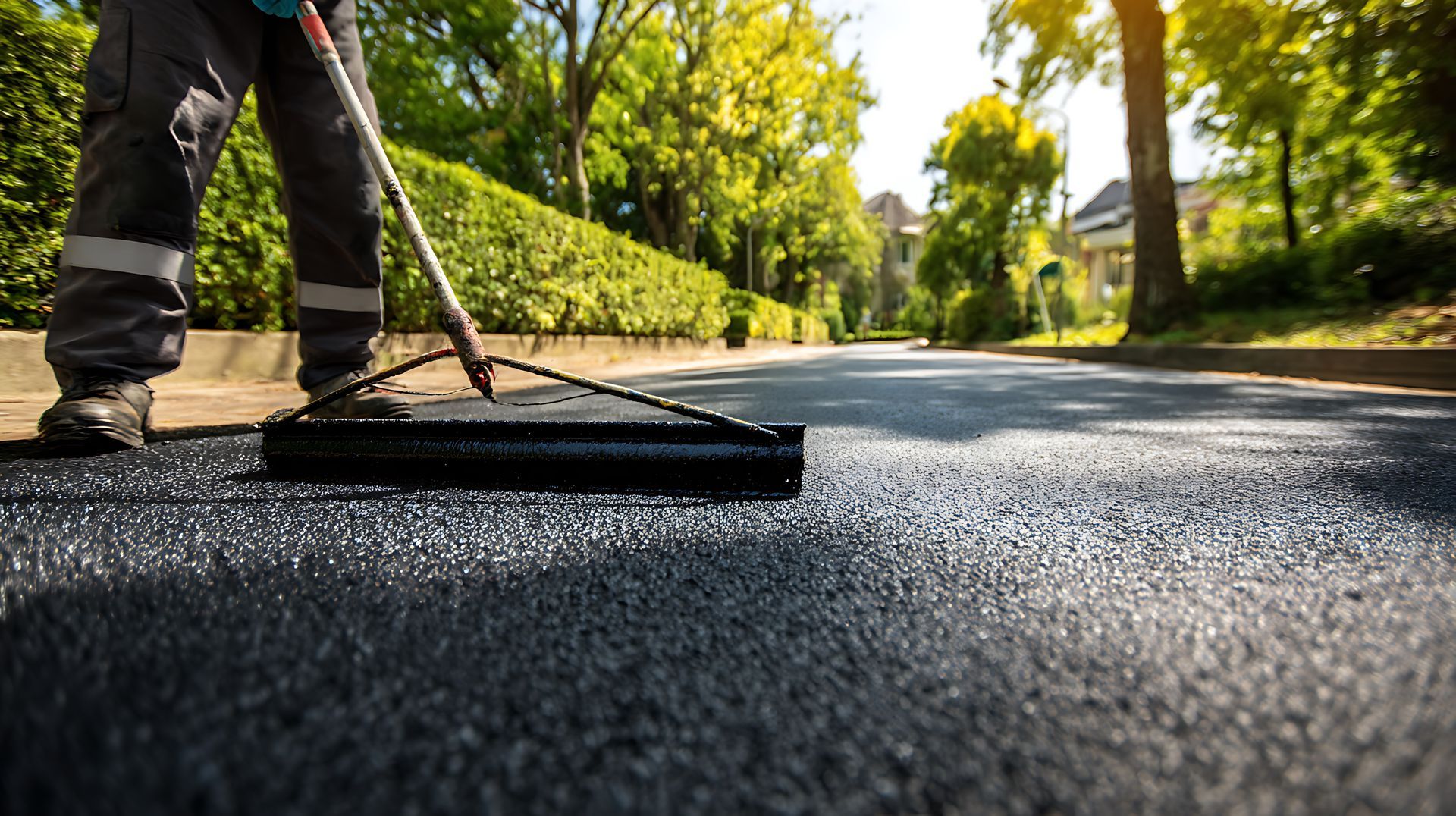
Sealcoating depends on suitable application and drying conditions. Late summer often provides extended periods of warm weather, making it a practical time for homeowners to complete asphalt maintenance.
It also falls at a useful point in the maintenance calendar.
Your driveway has already endured months of sun, rain, vehicle traffic, and everyday use. At the same time, colder temperatures, falling leaves, snow, ice, and freeze-thaw cycles are still ahead.
Taking care of appropriate pavement maintenance during this window can help you enter the colder months with a protected asphalt surface.
Does Temperature Matter When Sealcoating Asphalt?
Yes. Temperature and weather conditions affect how asphalt sealer is applied and cures.
Warm conditions generally support the curing process, but professional sealcoating involves more than checking the daytime high. Contractors also need to consider overnight temperatures, moisture, humidity, rain, and the condition of the pavement itself.
This is one reason it makes sense to have a professional determine whether the conditions are appropriate instead of choosing a date based only on the season.
Late summer may provide favorable weather, but the actual forecast still matters on the day your driveway is scheduled.
Can You Sealcoat a Driveway Before Fall?
Yes. You do not necessarily have to finish driveway sealcoating in spring or early summer.
In fact, completing appropriate asphalt maintenance toward the end of summer can be a practical way to prepare your driveway for the seasons ahead.
The key is not simply whether the calendar says August or September. Suitable temperatures, dry pavement, adequate curing time, and the absence of problematic weather are more important than a specific date.
If your driveway is due for maintenance and conditions remain favorable, there may still be time to have it professionally evaluated and sealcoated before cooler weather arrives.
Why Address Your Driveway Before Winter?
Winter can be demanding on asphalt surfaces, particularly when moisture and changing temperatures are involved.
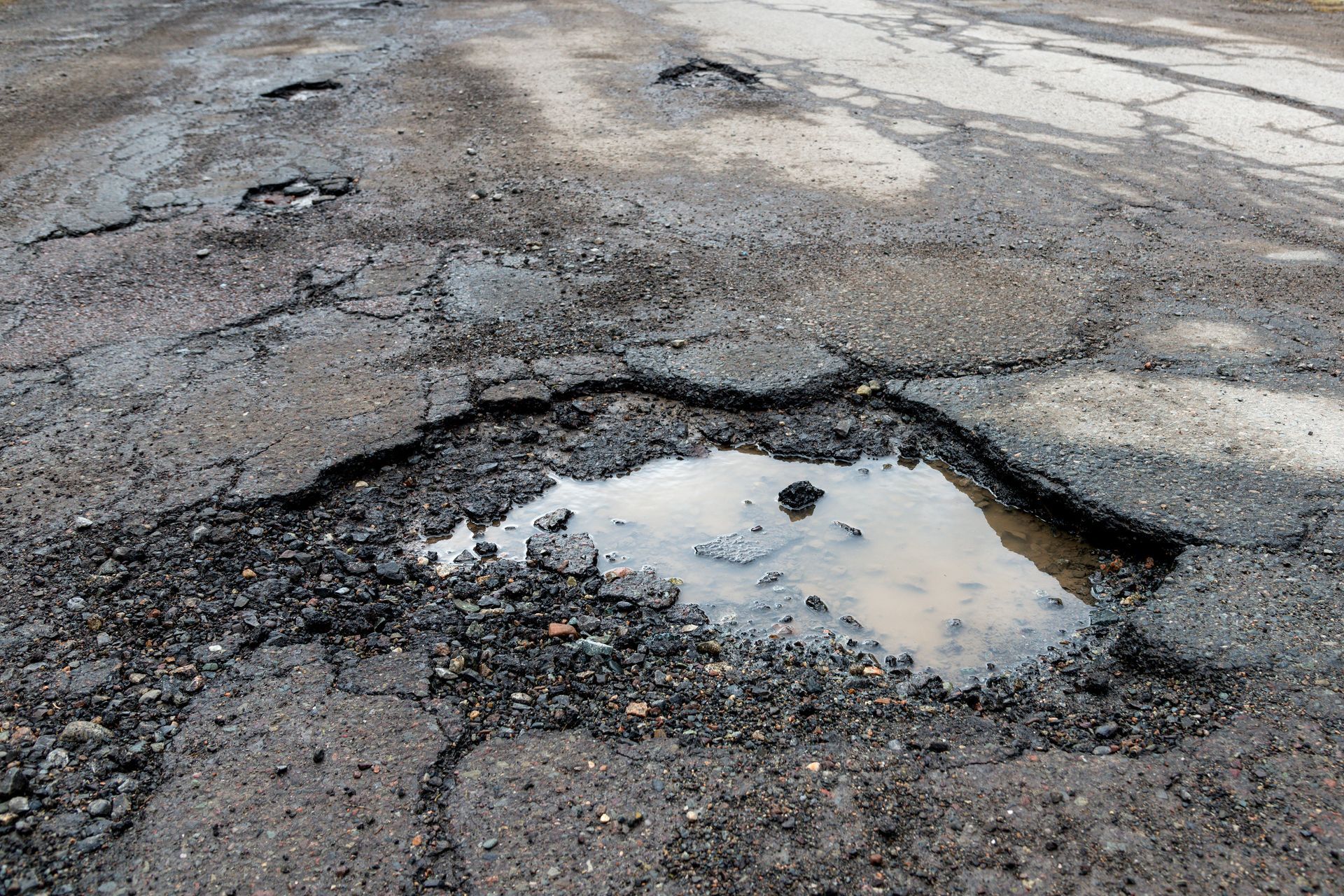
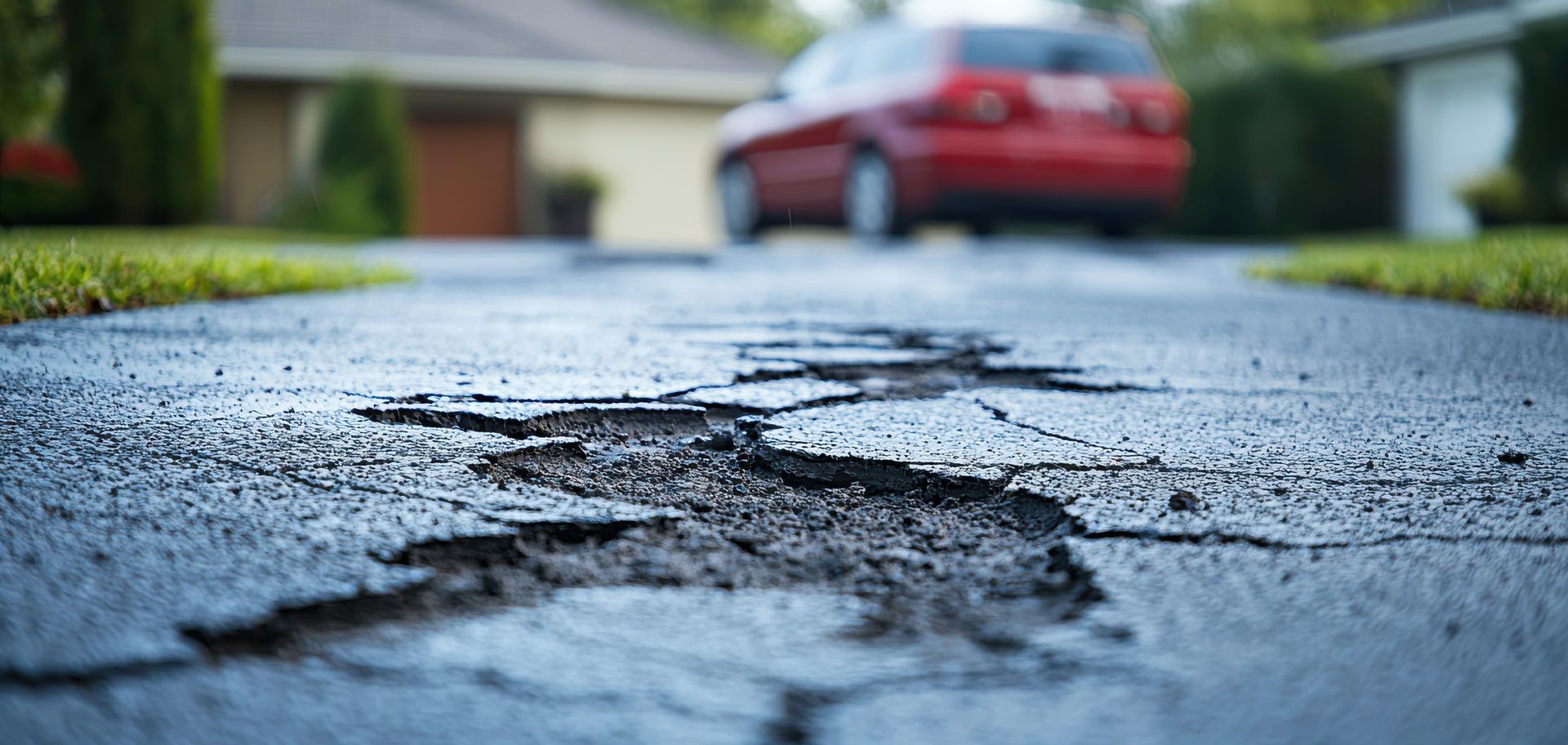
Cracks provide openings where water can penetrate. As temperatures fluctuate around freezing, repeated freeze-thaw conditions can place additional stress on pavement that is already deteriorating.
Sealcoating is not a repair for major pavement failure, but it can be part of a preventative maintenance strategy for asphalt that remains in serviceable condition.
NextGen Great Sealcoating's residential driveway sealcoating services are designed to help protect asphalt against water, ultraviolet light, freeze-thaw conditions, oil, gas, and road salt.
Taking care of appropriate maintenance before winter can therefore be preferable to ignoring visible wear until another season has passed.
What Should You Check Before Late-Summer Sealcoating?
Before scheduling your driveway, consider three main factors: weather, surface condition, and existing damage.
Is the Driveway Dry?
Sealcoating needs an appropriately prepared, dry asphalt surface. Rain before or immediately after an application can interfere with the process.
Professional contractors monitor weather conditions and schedule projects accordingly rather than applying sealer when the forecast is unsuitable.
Are There Cracks That Need Attention?
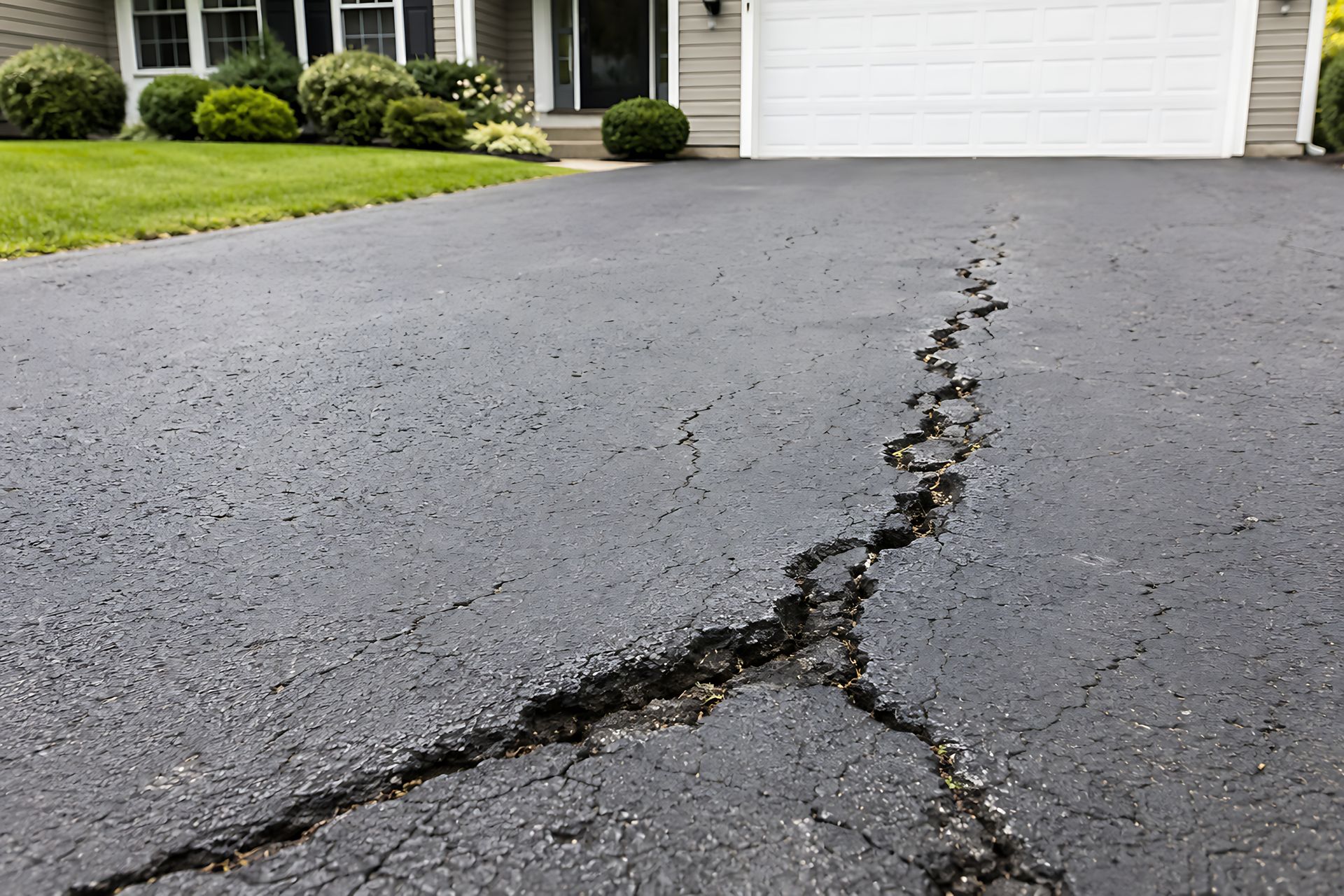
Sealcoating should not simply cover structural cracks and make them disappear.
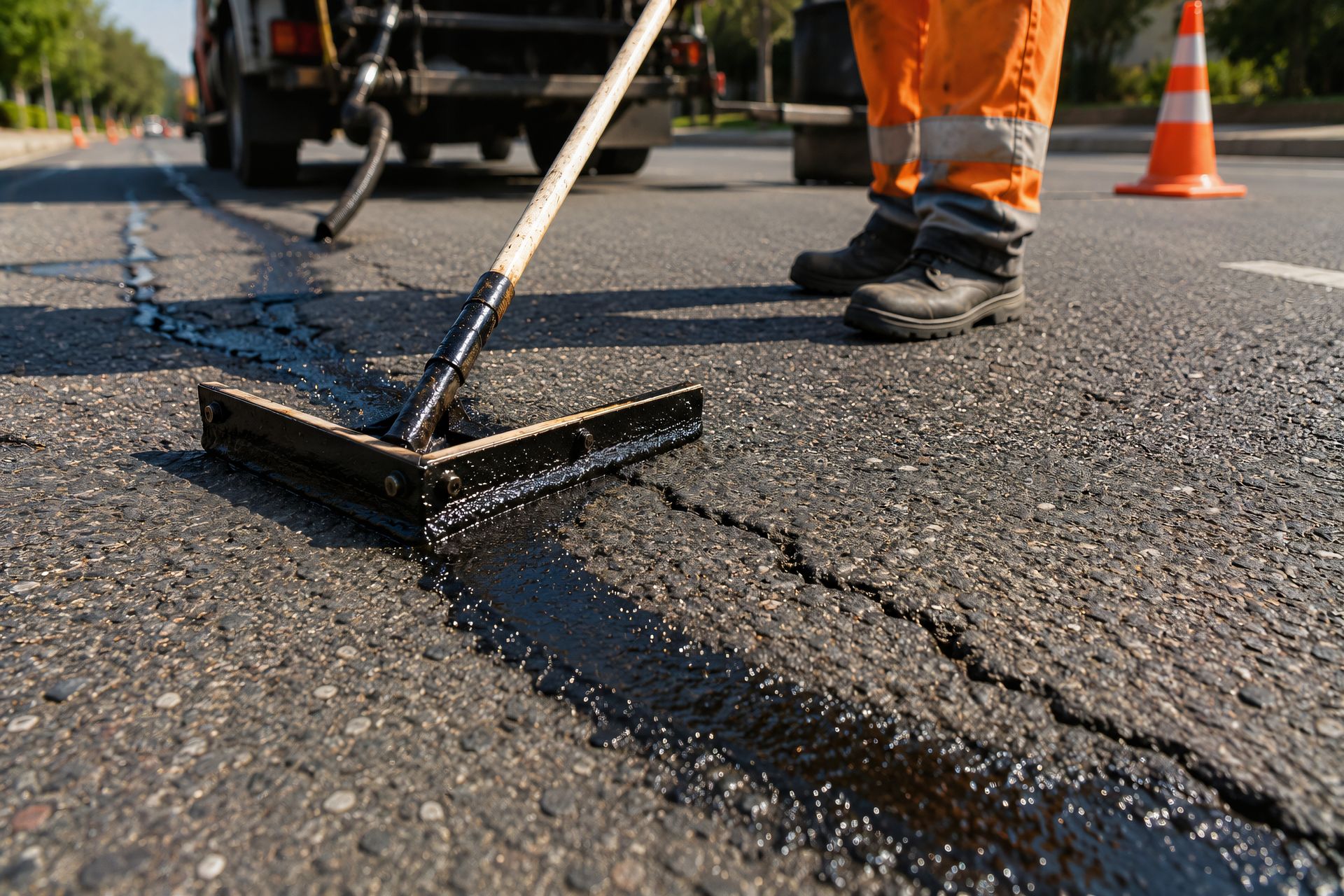
Cracks and joints should be evaluated and treated appropriately as part of pavement maintenance. NextGen Great Sealcoating's residential process includes cleaning cracks and joints as required and treating qualifying structural cracks with hot rubberized material.
The Federal Highway Administration also recognizes crack sealing as a preventive pavement maintenance practice, with effectiveness influenced by factors such as pavement condition, temperature extremes, installation methods, and crack movement.
Is the Asphalt Still a Good Candidate for Sealcoating?
This may be the most important question.
Sealcoating is a protective surface treatment. It cannot rebuild a failing driveway.
If your asphalt has severe deterioration, major structural problems, extensive pavement failure, or other substantial damage, another asphalt service may be more appropriate.
That is why a professional assessment is useful. It can help determine whether your driveway needs sealcoating, crack treatment, repair, or more extensive work.
How Does NextGen Prepare a Driveway for Sealcoating?
Proper preparation is an important part of the process.
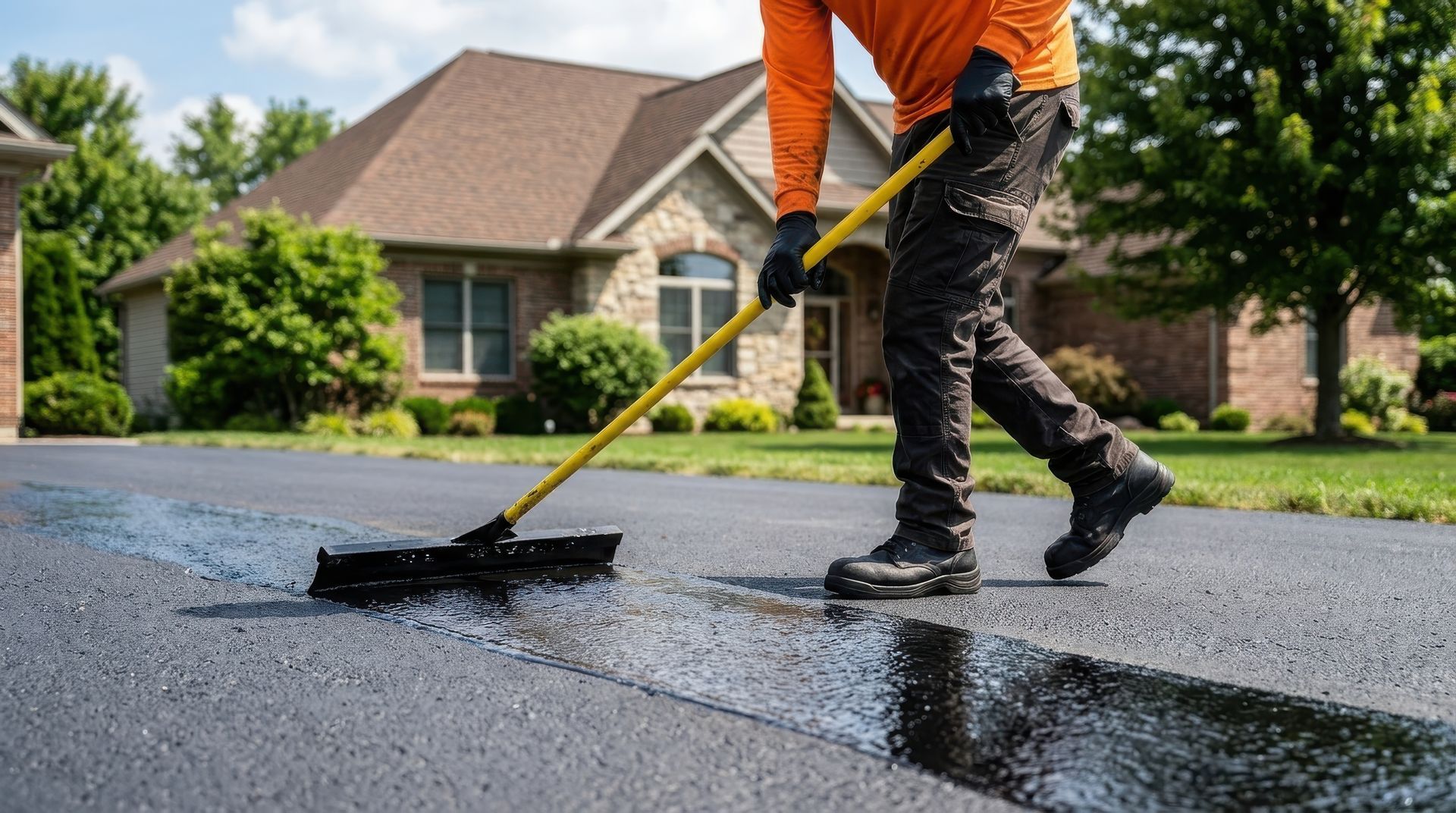
NextGen Great Sealcoating begins by trimming and cleaning driveway edges where appropriate. The surface is then thoroughly cleaned using equipment such as wire brushes, power brooms, or power blowers, while cracks and joints are cleaned as required.
Oil spots and similar areas may receive special primer treatments to help with adhesion.
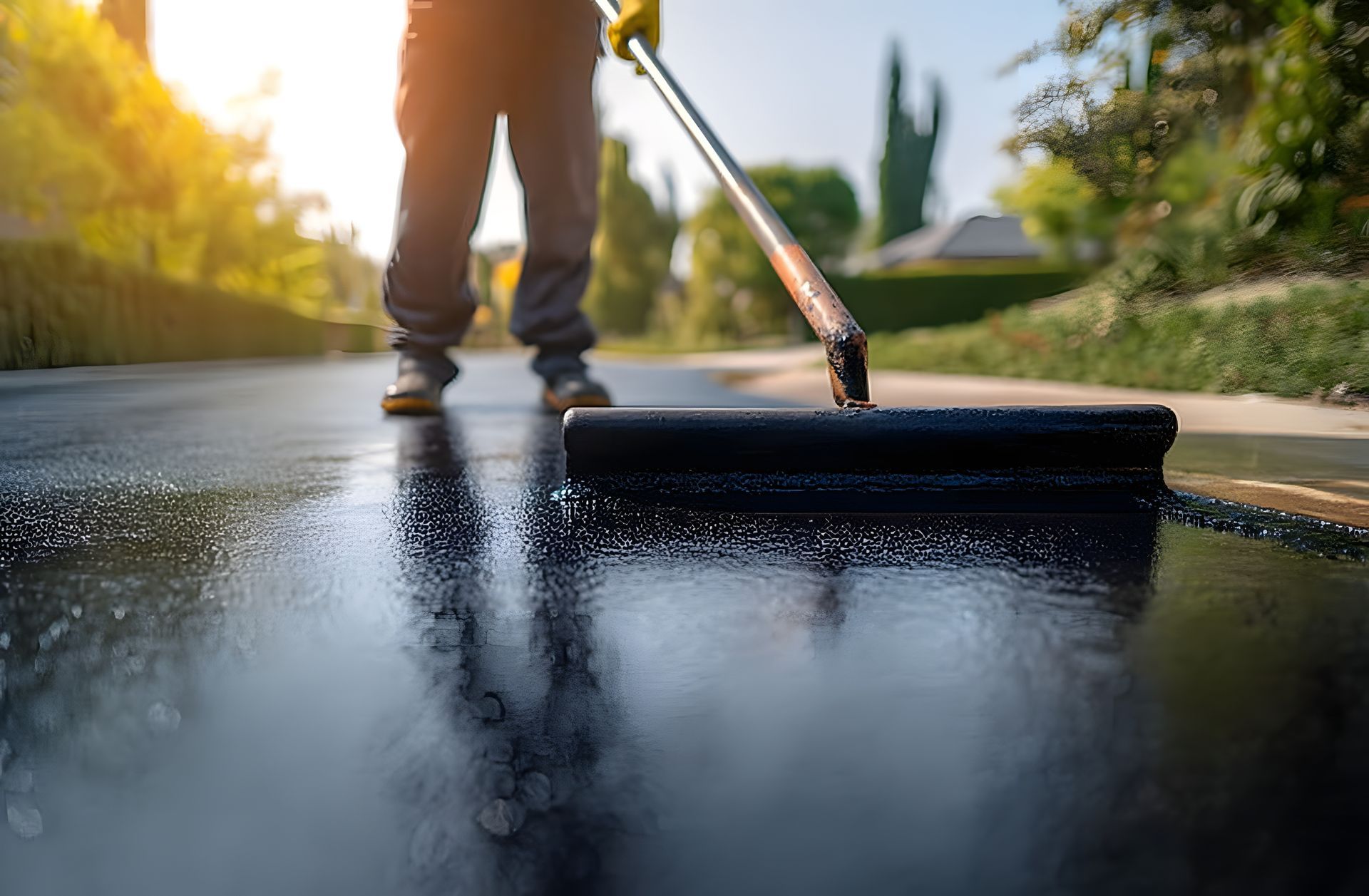
After the driveway is properly prepared and necessary treatments are addressed, EcoAmigo asphalt sealer is applied to protect and refresh the pavement.
You can learn more about how professional driveway sealcoating works before deciding whether late-summer service is right for your property.
How Long Does a Driveway Need to Dry After Sealcoating?
Homeowners should plan for a period when vehicles cannot use the driveway.
NextGen Great Sealcoating barricades residential driveways for approximately 24 to 48 hours as part of its drying process. Exact conditions can vary, so homeowners should follow the instructions provided for their specific project.
This downtime is worth considering when scheduling.
Before your appointment, think about where vehicles will be parked and whether you need access to anything in a garage. Planning ahead can make the process considerably easier.
Is Late Summer Better Than Waiting Until Next Spring?
That depends on your driveway.
If the asphalt is already showing signs that preventative maintenance is appropriate and the weather remains favorable, there may be little benefit in automatically postponing the project for several more months.
On the other hand, sealcoating should not be rushed simply because summer is ending. If weather conditions are unsuitable or your pavement requires other repairs first, waiting or choosing another treatment may be the better option.
The condition of the pavement should drive the decision.
The Asphalt Institute notes that sealing can be useful for older asphalt surfaces that have become dry and brittle, developed small surface cracks or voids, or begun showing surface aggregate loss. In other words, the right time to consider sealing is tied closely to what the pavement is actually doing, not only the month on the calendar.
What Are the Signs Your Driveway May Be Ready for Sealcoating?
Consider having your driveway evaluated if you notice:
- Asphalt fading from black toward gray
- A dry or weathered-looking surface
- Minor surface deterioration
- Structural cracks that may need treatment
- Previous sealcoating that has noticeably worn away
- Increasing exposure-related wear
- A driveway approaching its normal maintenance interval
These signs do not guarantee that sealcoating is the correct service, but they are good reasons to take a closer look at the pavement.
If you are uncertain, NextGen's driveway sealcoating specialists can evaluate the surface and recommend an appropriate next step.
How Often Should You Sealcoat Your Driveway?
NextGen Great Sealcoating generally recommends residential sealcoating every two to three years, depending on the pavement and its exposure.
However, homeowners should not treat that interval as an automatic rule.
Climate, traffic, age, previous maintenance, and the existing condition of the asphalt can all affect when a driveway needs attention.
A better approach is to combine a general maintenance schedule with regular visual inspections. If the pavement is showing signs of deterioration, have it evaluated rather than waiting solely for a particular date on the calendar.
Is August a good month to sealcoat a driveway?
August can provide suitable conditions for driveway sealcoating because temperatures are generally warm. However, actual weather, moisture, pavement condition, and adequate curing time matter more than the month itself.
Is it too late to sealcoat a driveway at the end of summer?
Not necessarily. Late-summer and early-fall sealcoating may still be possible when temperatures and weather conditions are appropriate. A professional contractor can determine whether conditions are suitable for application.
Should I sealcoat my driveway before winter?
If your asphalt is due for preventative maintenance and remains a good candidate for sealcoating, completing the work before winter can help protect the surface from environmental exposure. Major pavement damage should be repaired appropriately rather than simply covered with sealer.
How long should I stay off a freshly sealcoated driveway?
NextGen Great Sealcoating barricades residential driveways for approximately 24 to 48 hours during the drying process. Follow the specific instructions provided for your project because conditions can affect curing.
Does sealcoating repair driveway cracks?
Sealcoating itself is not a substitute for structural crack treatment. Cracks should be evaluated, cleaned, and treated appropriately before or as part of the sealcoating process.
Schedule Late-Summer Driveway Maintenance Before the Season Changes
Late summer can provide a valuable window for residential asphalt maintenance. Warm weather may still offer suitable conditions for application and curing, while colder fall and winter weather remains ahead.
If your driveway is faded, weathered, or approaching its normal maintenance interval, now may be a good time to find out whether sealcoating is appropriate.
NextGen Great Sealcoating provides professional residential driveway sealcoating using EcoAmigo asphalt sealer, along with detailed surface preparation and appropriate crack treatment.
Contact NextGen Great Sealcoating for a free quote to have your driveway evaluated and determine whether late-summer sealcoating makes sense for your property.