The Truth About Coal Tar: Why Traditional Sealers Post Health Risks to Families.
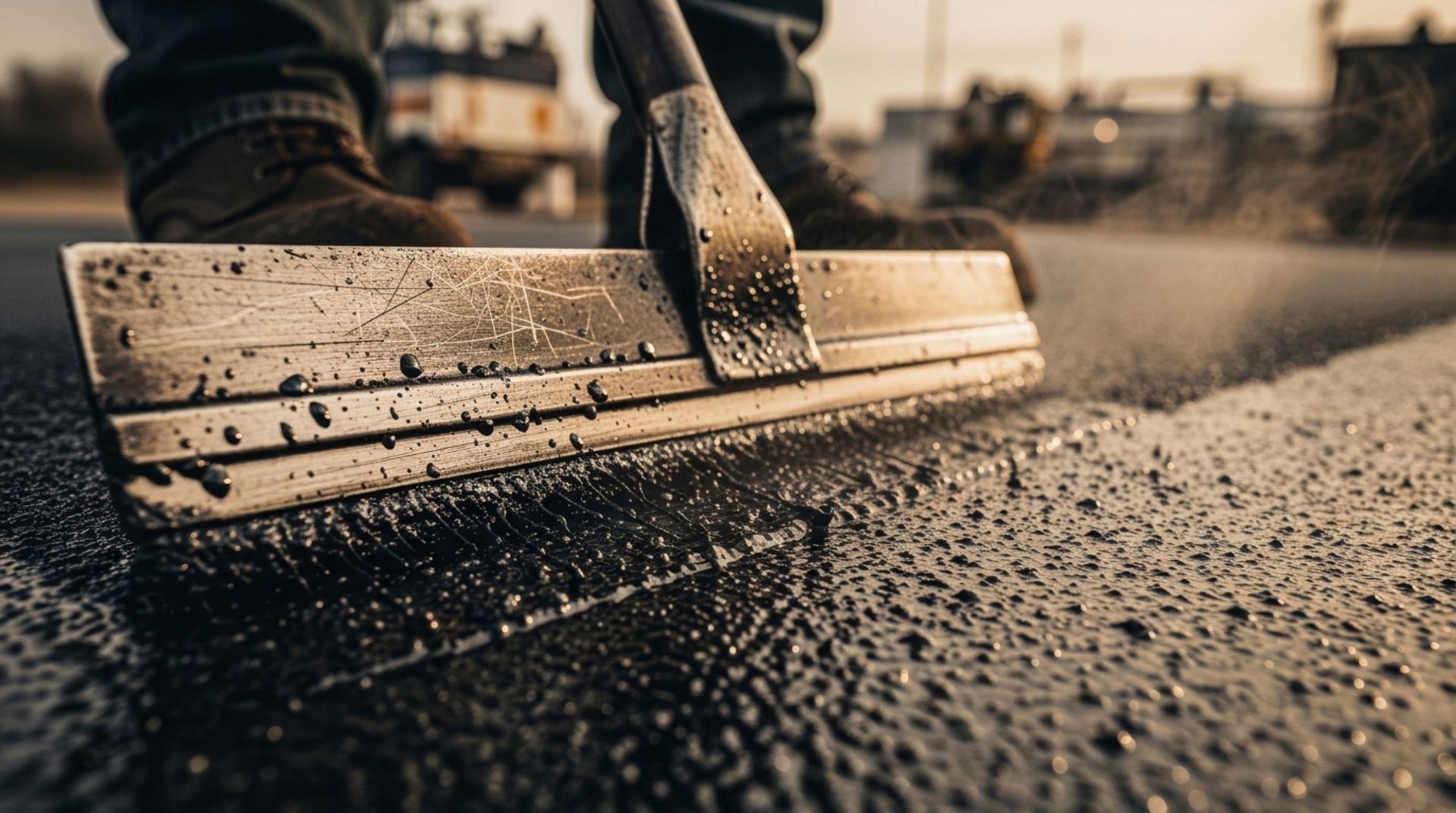
For decades, coal tar sealers were one of the most commonly used products for protecting asphalt driveways and parking lots. Their dark finish and durability made them popular across residential and commercial properties.
But in recent years, growing concerns about health and environmental safety have changed the conversation significantly.
Many homeowners are now learning that some traditional asphalt sealers may contain chemicals linked to potential health risks, especially for children, pets, and families regularly exposed to treated surfaces.
As awareness grows in 2026, safer alternatives are becoming increasingly important in the world of asphalt sealcoating.
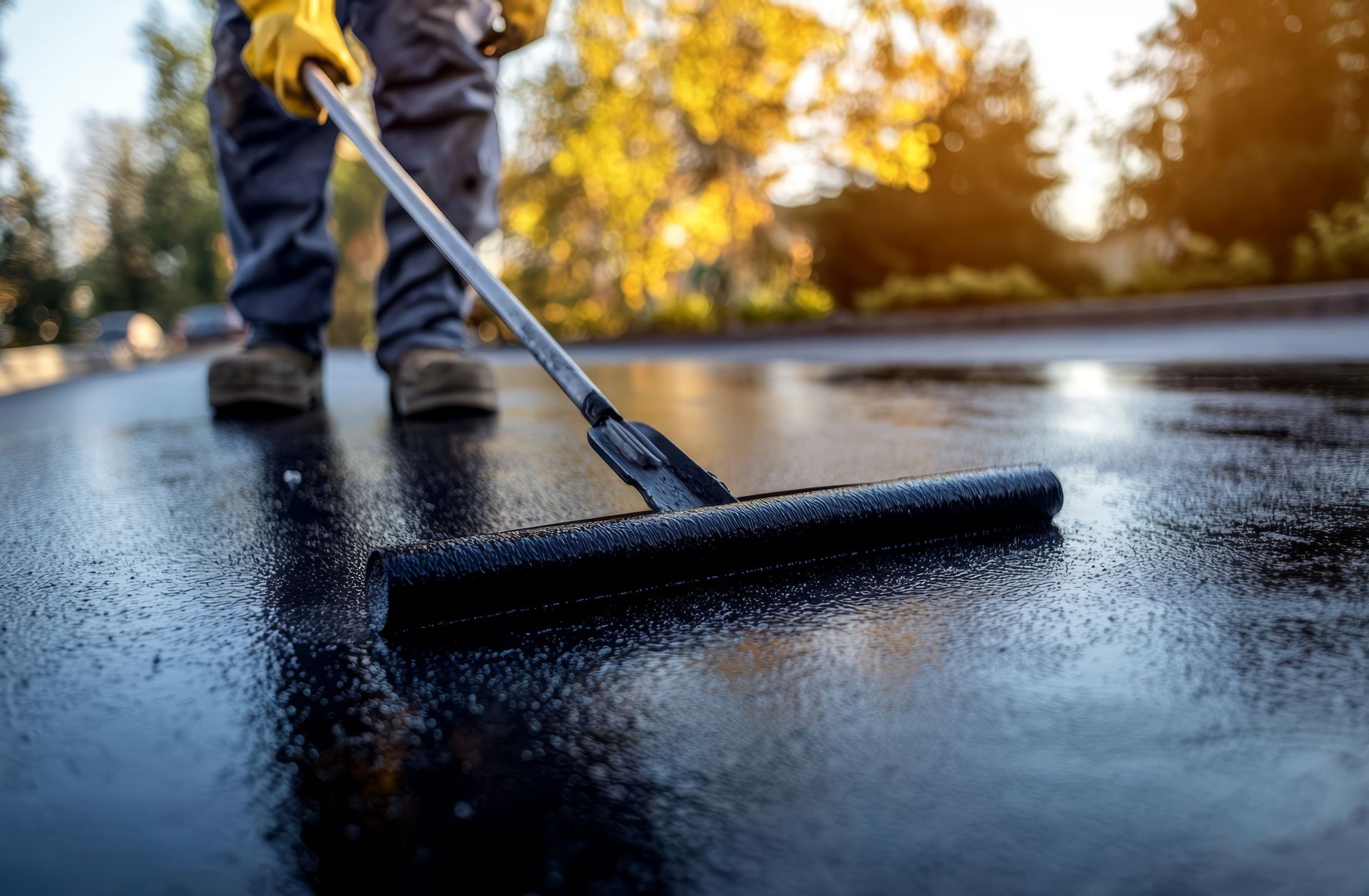
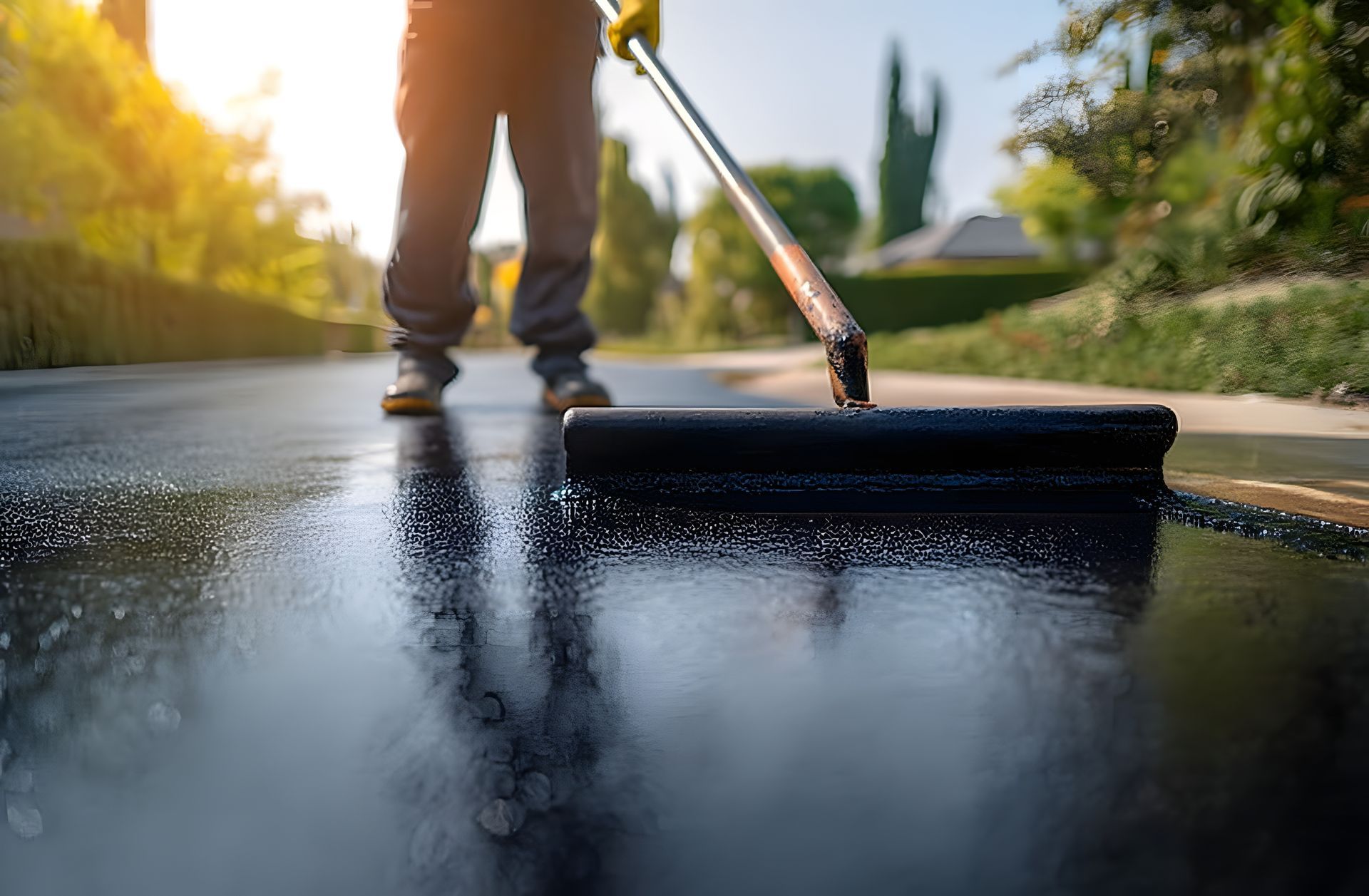
What Is Coal Tar Sealer?
Coal tar sealer is a pavement coating traditionally used to protect asphalt surfaces from:
- oxidation
- UV exposure
- water penetration
- oil and chemical spills
It creates the dark black finish commonly associated with freshly sealed pavement.
For years, it was one of the standard options used in the sealcoating industry.
Why Coal Tar Has Become Controversial
The concern surrounding coal tar asphalt sealer comes from compounds known as PAHs (polycyclic aromatic hydrocarbons).
Studies have linked high exposure to certain PAHs with:
- environmental contamination
- potential respiratory concerns
- skin irritation
- long-term health risks
Children and pets may face increased exposure because they spend more time in direct contact with driveways and pavement surfaces.
This growing awareness has caused many homeowners to rethink the products used on their property.
How Families Can Be Exposed
A lot of people assume pavement sealers are harmless once dry. However, small particles from coal tar sealers can still spread over time.
Exposure may occur through:
- dust tracked indoors
- direct skin contact
- airborne particles
- runoff into nearby soil and water
This is especially important for:
- households with children
- pets
- heavily used residential driveways
The risks are one reason many municipalities have started restricting or banning certain sealers altogether.
Environmental Concerns Are Growing Too
The issue is not limited to direct human exposure.
Research has shown that coal tar driveway sealer may contribute to:
- stormwater contamination
- pollution in lakes and streams
- soil contamination
- harm to aquatic ecosystems
As environmental regulations evolve, many property owners are looking for more sustainable alternatives.
Why Safer Sealcoating Alternatives Are Becoming Popular
In response to these concerns, the industry has shifted toward safer and more environmentally conscious products.
Modern asphalt sealcoating alternatives often focus on:
- reduced environmental impact
- lower chemical exposure
- safer residential application
- long-term pavement protection
Many newer products still provide:
- strong durability
- UV protection
- water resistance
- improved appearance
without relying on traditional coal tar formulas.
What Homeowners Should Look for in a Sealcoating Company
Not all sealcoating products are the same.
Before hiring a contractor, homeowners should ask:
- what type of sealer is being used
- whether the product contains coal tar
- what safety standards are followed
- how environmentally friendly the materials are
A reputable company should be transparent about the products they apply.
Sealcoating Still Matters for Asphalt Protection
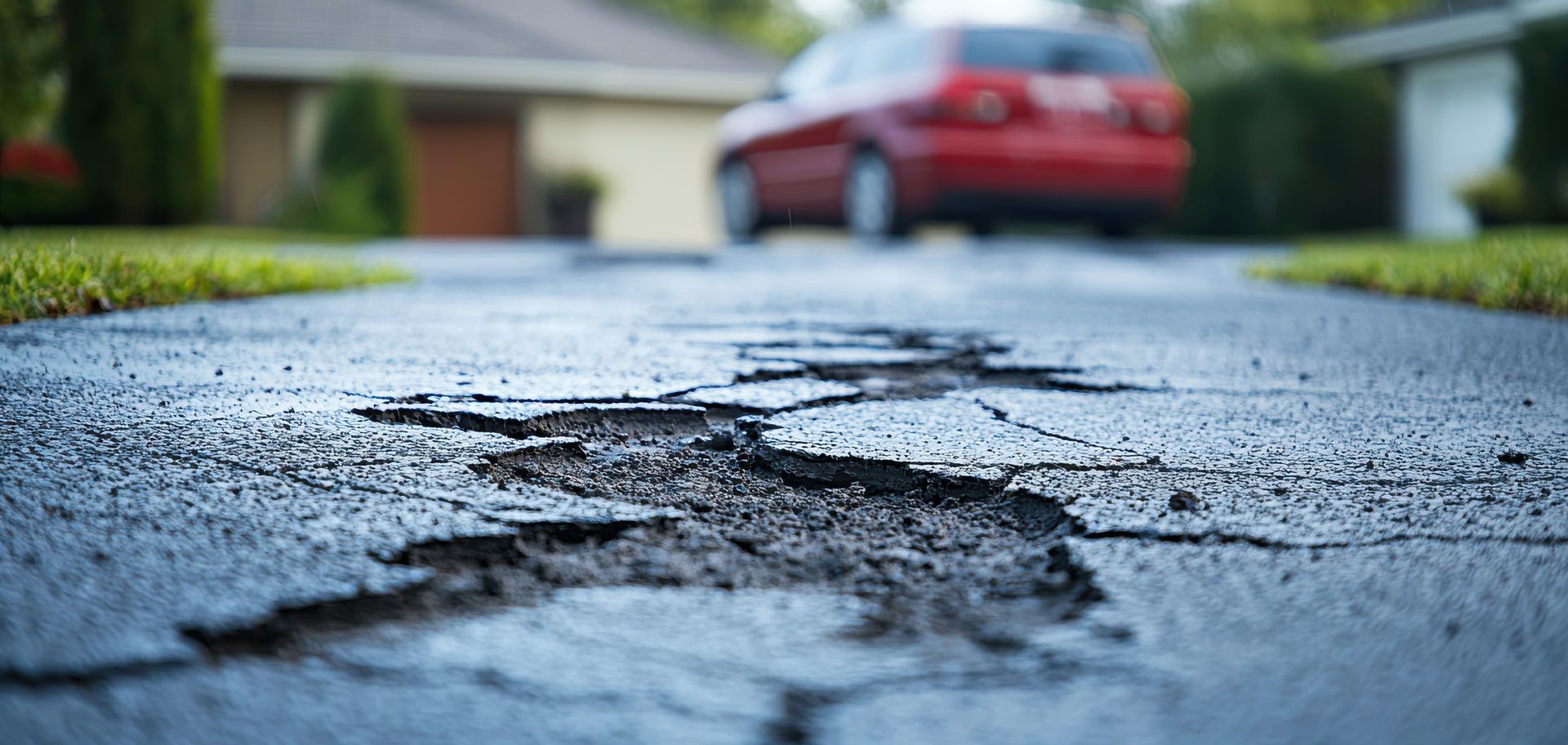
While concerns about coal tar sealers are increasing, protecting asphalt remains important.
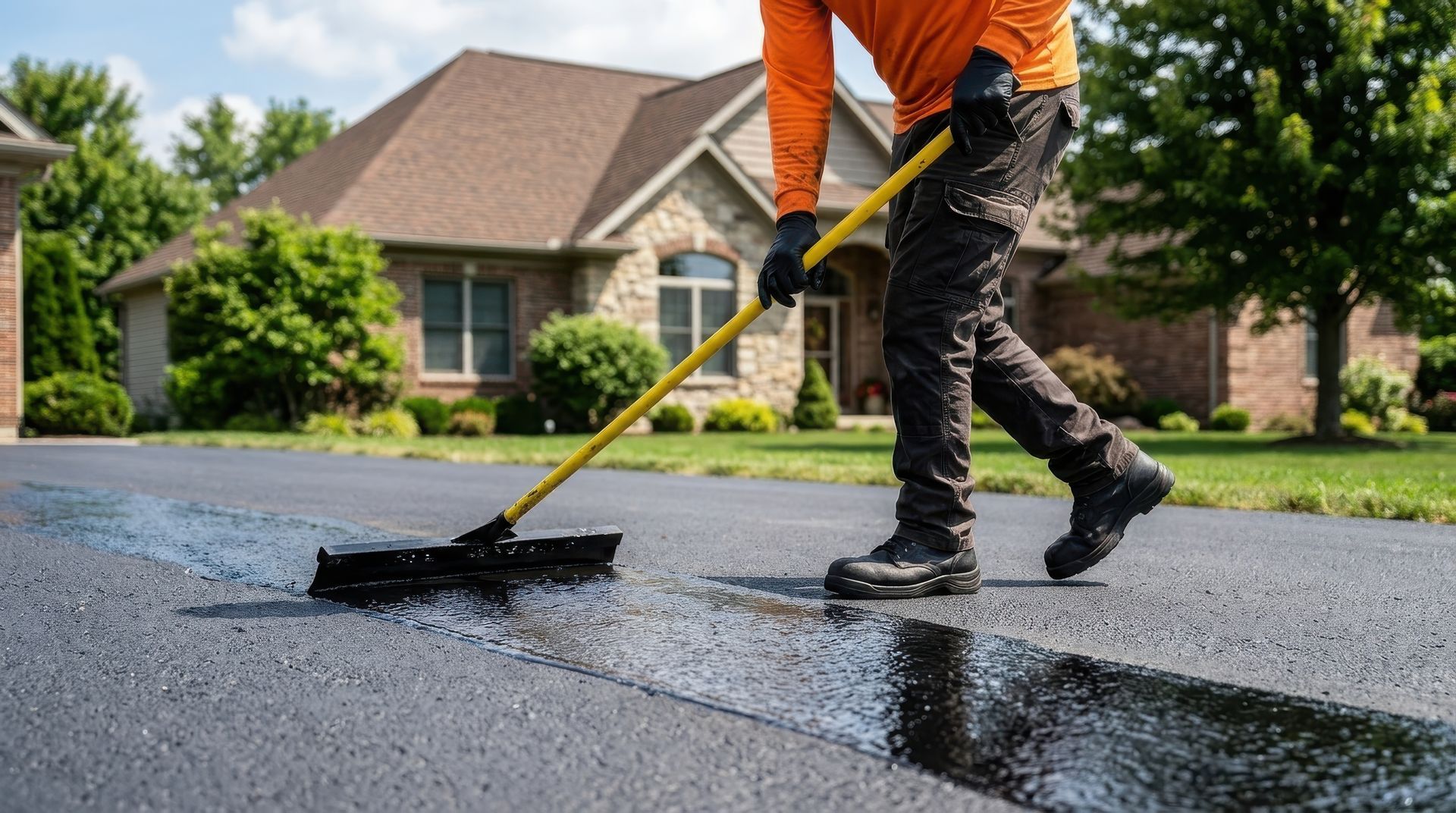
Proper driveway sealcoating helps:
- reduce oxidation
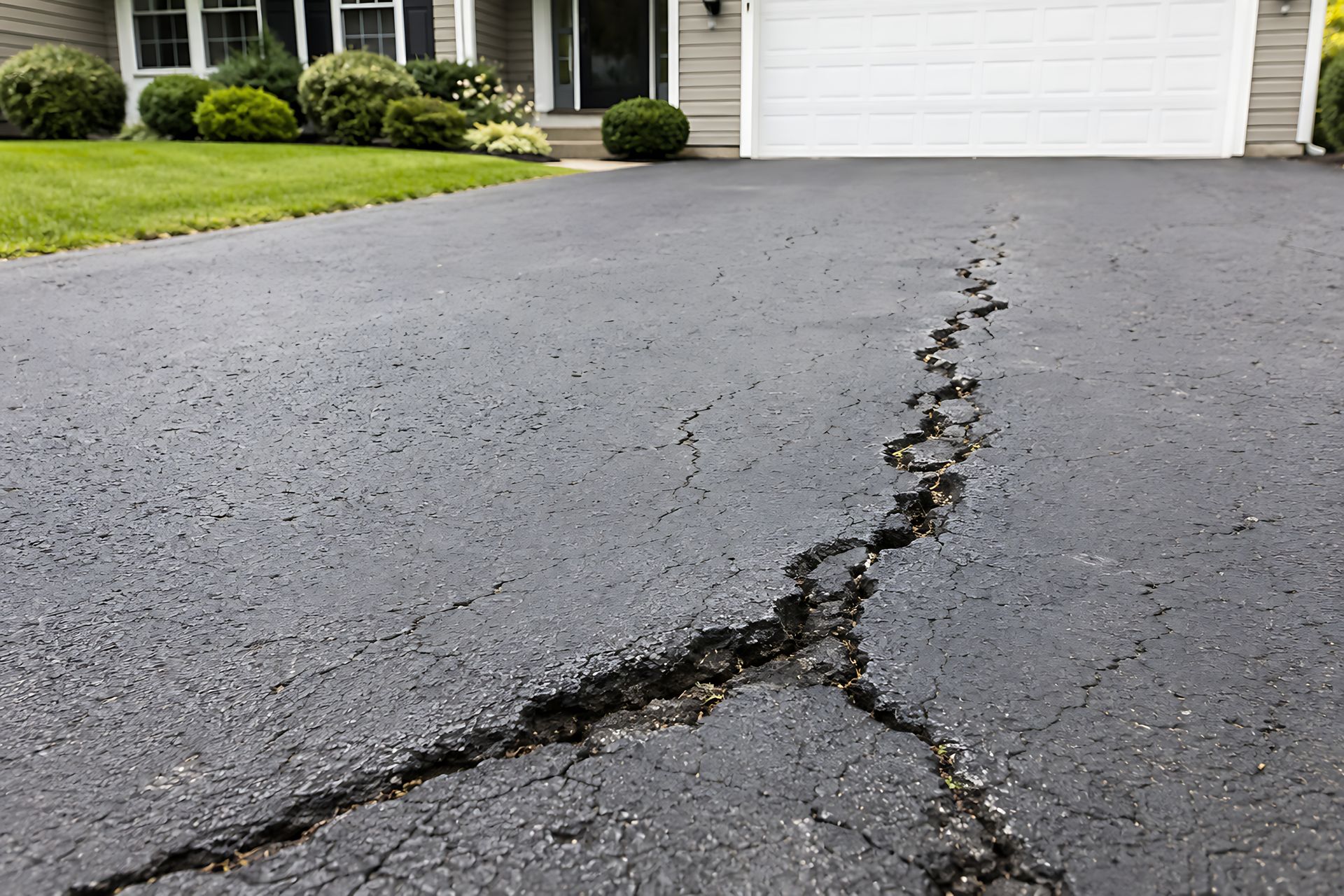
- prevent cracking
- limit water damage
- extend pavement lifespan
The key difference today is choosing products that balance protection with safety.
The Industry Is Changing in 2026
The sealcoating industry is evolving quickly as homeowners become more informed about product safety and environmental impact.
Modern property owners increasingly prioritize:
- safer materials
- environmentally responsible practices
- low-toxicity products
- long-term sustainability
This shift is influencing how professional sealcoating companies approach both residential and commercial projects.
Protecting Your Pavement Without Compromising Safety
Sealcoating should help protect your driveway, not create unnecessary concerns for your family or the environment. As awareness around coal tar asphalt sealer continues to grow, more homeowners are choosing safer solutions that still deliver long-lasting pavement protection.
NextGen Great Sealcoating provides professional asphalt sealcoating services using modern solutions designed to improve pavement durability while prioritizing safety and environmental responsibility.
What is coal tar sealer?
Coal tar sealer is a traditional asphalt coating used to protect pavement surfaces.
Why are coal tar sealers controversial?
They may contain PAHs linked to environmental and potential health concerns.
Can coal tar sealers affect families and pets?
Yes. Exposure may occur through dust, direct contact, and tracked particles.
Are there safer alternatives to coal tar sealers?
Yes. Many modern asphalt sealcoating alternatives use lower-toxicity formulas.
Does sealcoating still protect asphalt?
Yes. Proper sealcoating helps extend pavement lifespan and prevent damage.