Should You Sealcoat Your Driveway Before Winter?
Yes, sealcoating your driveway before winter can be a smart preventative maintenance step when the asphalt is in good condition and weather conditions are suitable for proper application and curing. A professionally applied sealcoat helps protect the asphalt surface from water, UV exposure, road salt, automotive fluids, and everyday wear before another season of snow, ice, and freezing temperatures arrives.
Timing matters, however. Sealcoating is not something that should simply be applied because winter is approaching. The pavement must be dry, temperatures must be appropriate, and the asphalt should be structurally sound enough to benefit from preventative maintenance.
If fall is approaching and you are wondering whether your driveway should be protected before winter, here is what to consider.
Why Can Winter Be Hard on an Asphalt Driveway?
Winter weather can expose existing weaknesses in asphalt.
One of the biggest concerns is water.
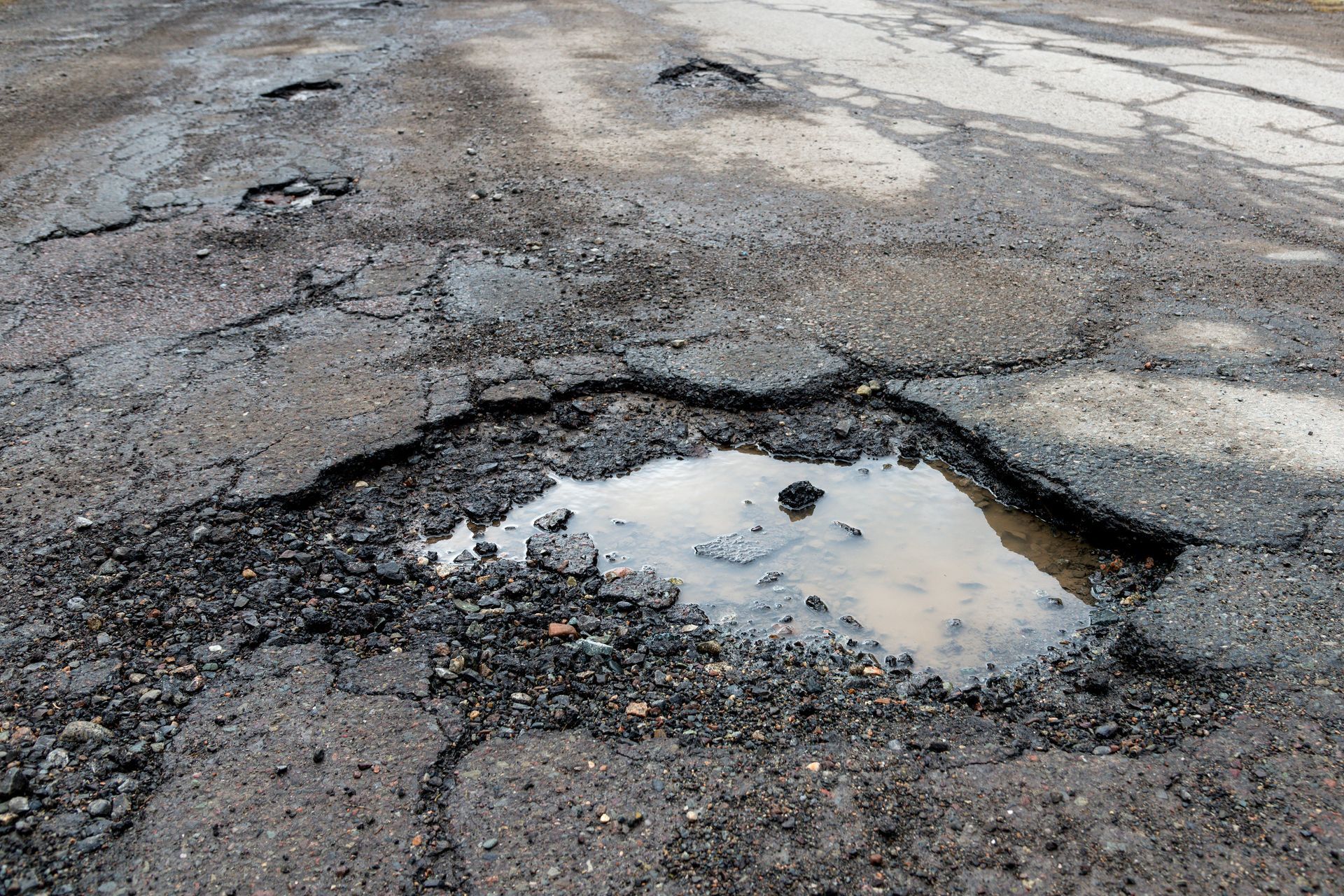
When cracks or damaged areas allow moisture to penetrate the pavement, that water can reach areas beneath the asphalt surface. As temperatures fluctuate around freezing, moisture can freeze, thaw, and contribute to continued pavement deterioration.
PennDOT explains that winter potholes develop as precipitation reaches areas beneath pavement and temperatures fluctuate between mild and freezing conditions. Water freezes and expands, and subsequent thawing can leave gaps beneath the pavement that contribute to additional damage.
For homeowners, the takeaway is straightforward: limiting water intrusion and addressing pavement problems before winter can be an important part of preventative asphalt maintenance.
Homeowners who already see cracks should not rely on sealcoat alone. The Federal Highway Administration identifies crack sealing and filling as pavement maintenance techniques used to reduce the infiltration of water and debris into pavement cracks.
That is why proper driveway maintenance may involve both crack treatment and sealcoating rather than simply covering the surface.
How Does Sealcoating Help Protect Asphalt Before Winter?
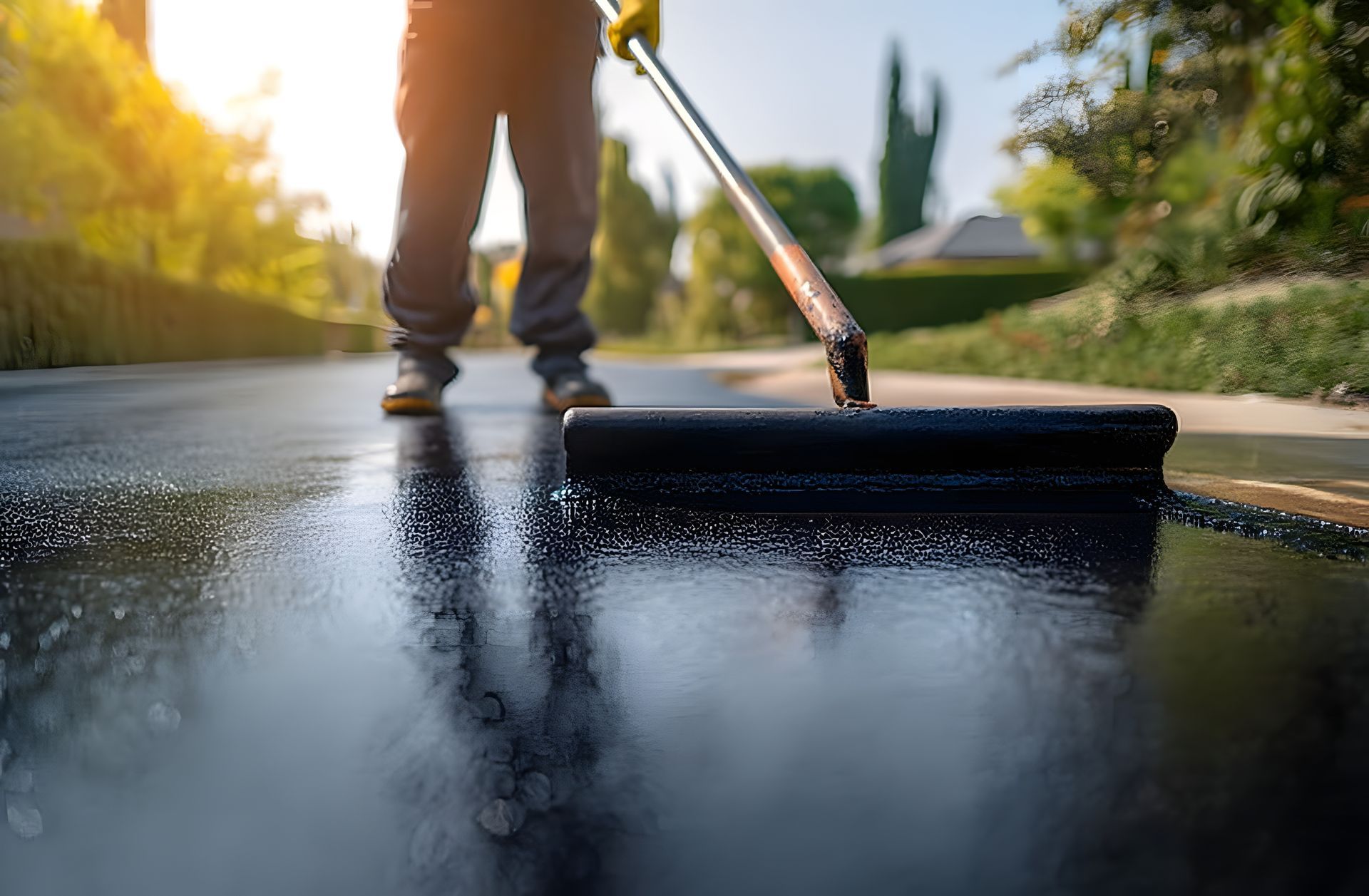
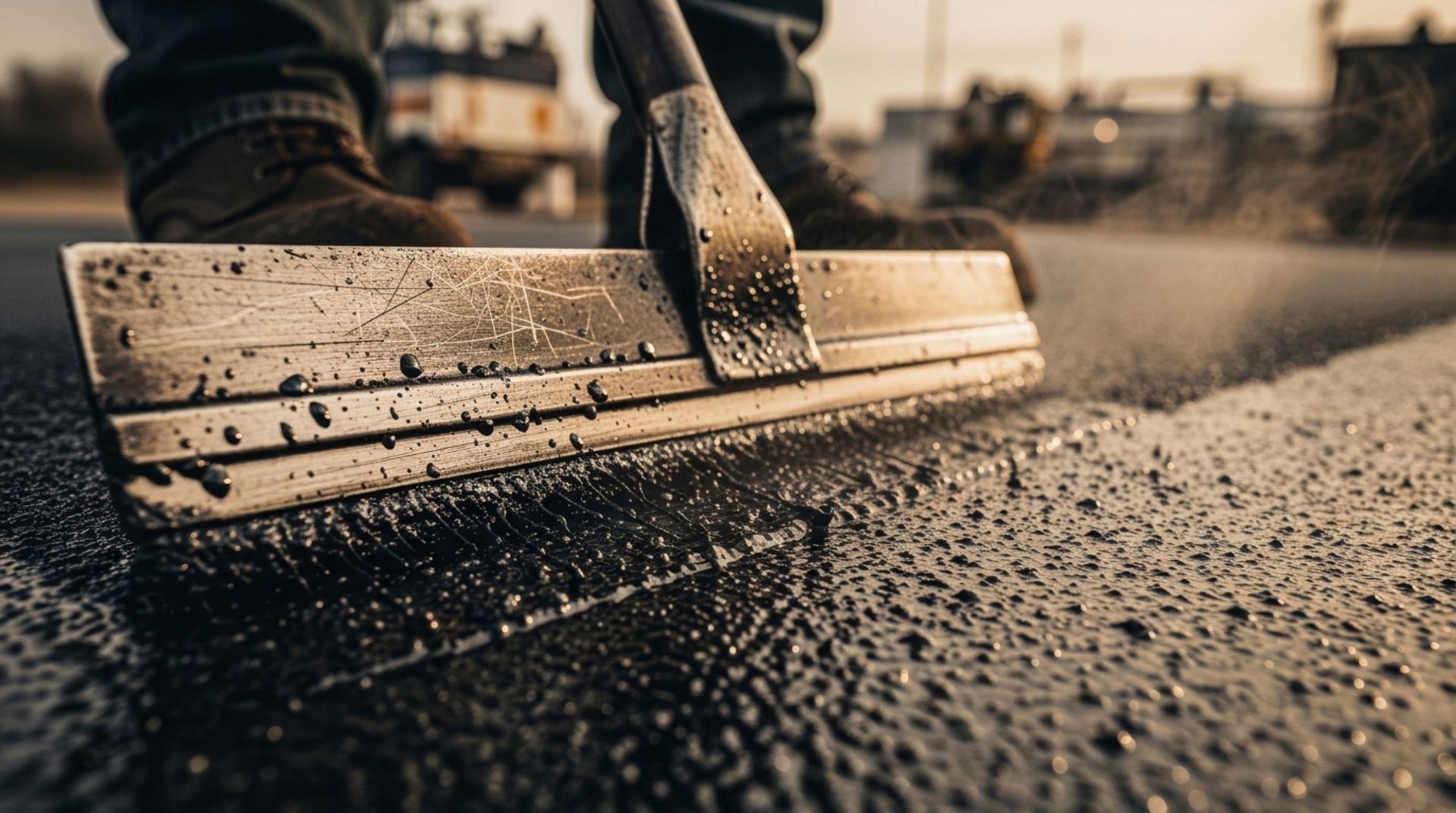
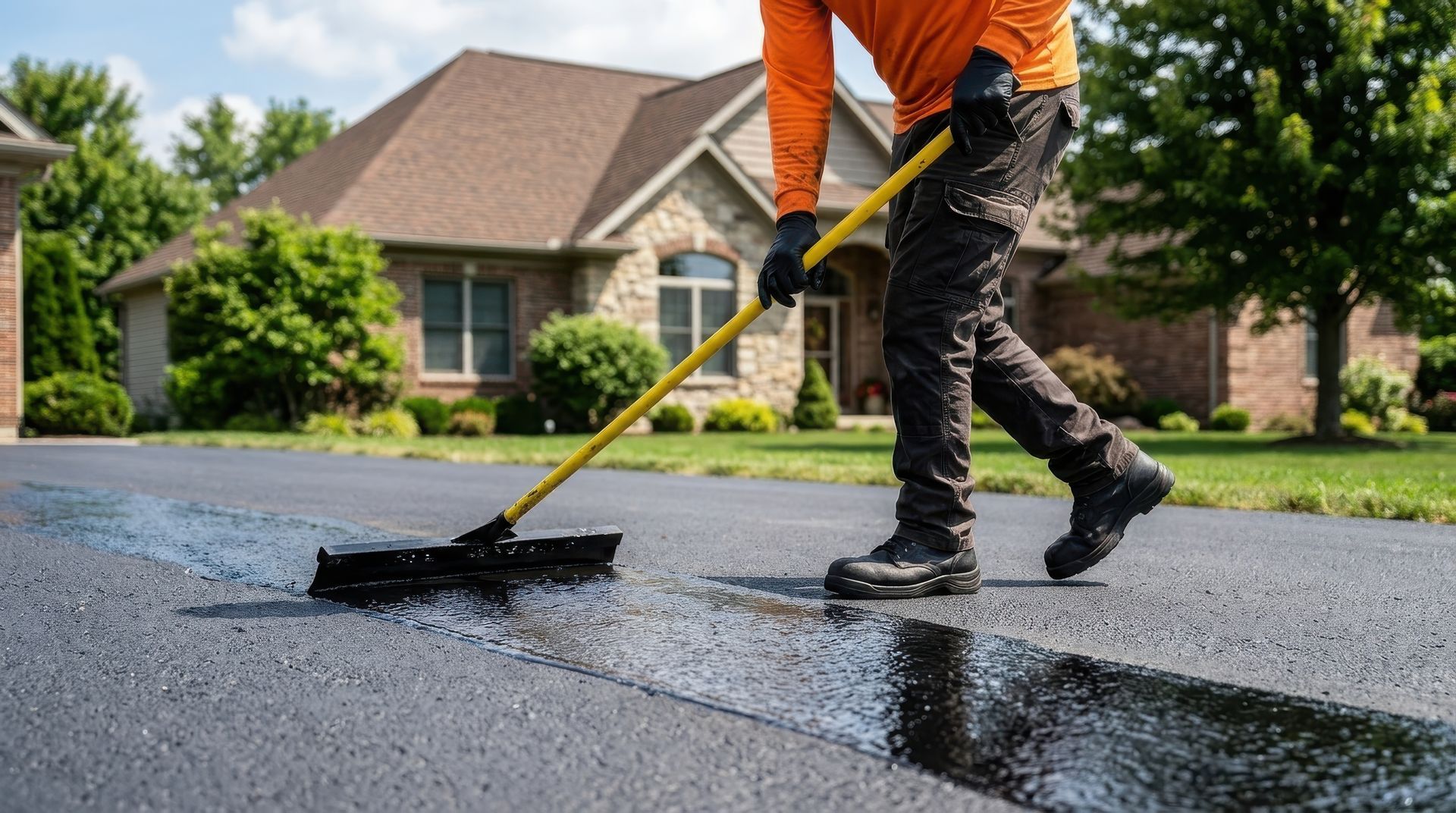
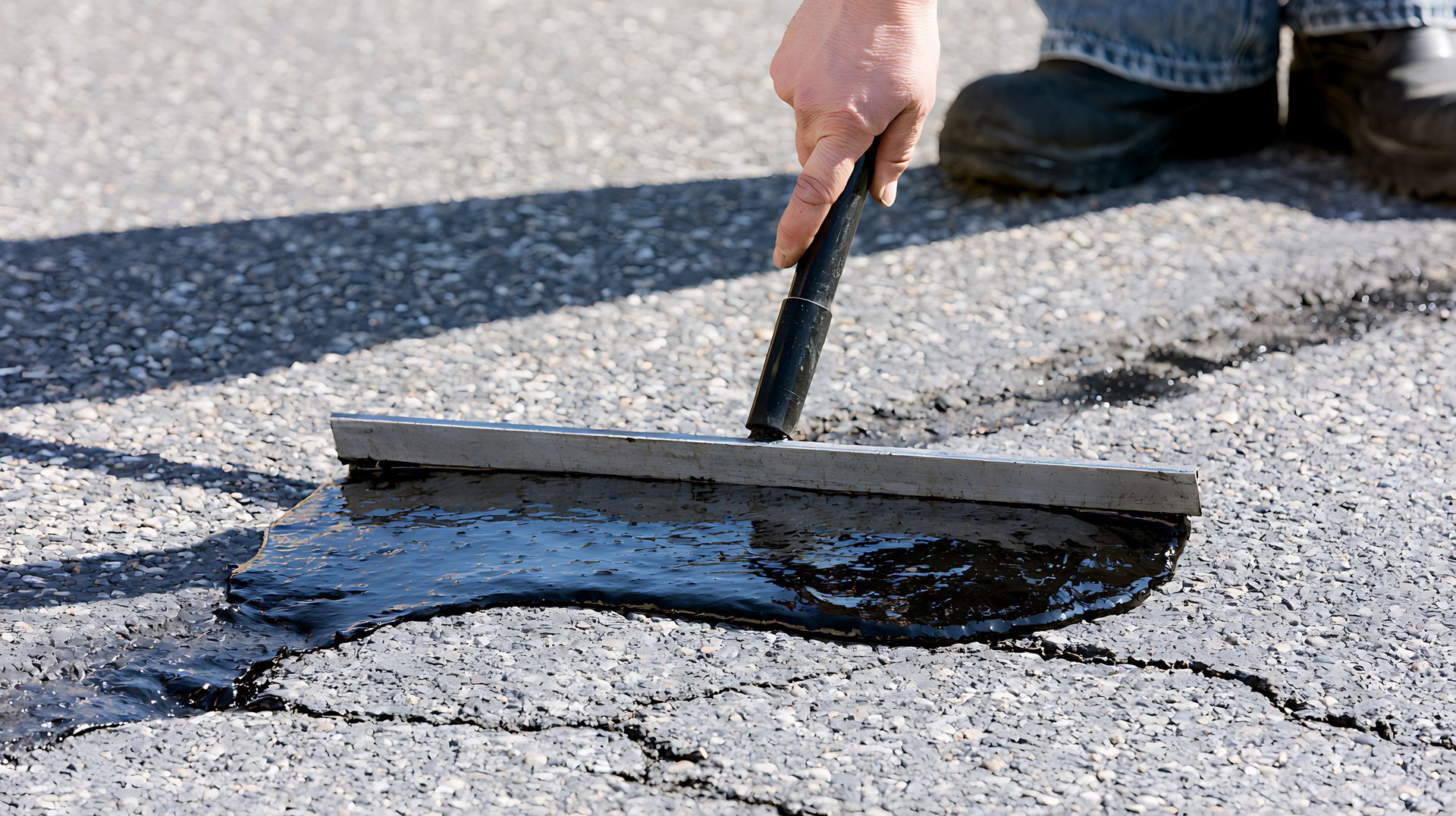
Sealcoating creates a protective layer over the existing asphalt surface.
That layer helps reduce the pavement's direct exposure to moisture, sunlight, oil, road salt, and other environmental stresses. It also restores the darker, more uniform appearance that asphalt gradually loses as it ages.
For a driveway heading into winter, the main benefits include:
- Helping limit moisture from penetrating the asphalt surface
- Providing another layer of protection against road salt and environmental exposure
- Protecting against oxidation and UV exposure before and after winter
- Preserving asphalt that is still in serviceable condition
- Restoring a clean, dark appearance before the colder months
- Supporting a longer-term preventative maintenance plan
Sealcoating is most useful when it is applied before the pavement has experienced serious deterioration.
If you want to better understand what the treatment includes, NextGen Great Sealcoating's residential driveway sealcoating services explain how the asphalt is prepared, cleaned, treated, and sealed.
Does Sealcoating Prevent Freeze-Thaw Damage?
Sealcoating can help protect asphalt from moisture exposure, but it should not be viewed as a guarantee against all winter pavement damage.
Freeze-thaw deterioration becomes especially concerning when water can enter existing cracks, voids, or damaged areas.
PennDOT notes that water beneath pavement can freeze and expand during cold weather, contributing to pavement movement and deterioration. Keeping pavement maintained and reducing opportunities for water intrusion can therefore help protect the surface heading into winter.
However, a coat of sealer cannot rebuild damaged asphalt or correct problems below the pavement.
That distinction is important.
Sealcoating is preventative maintenance, not structural repair.
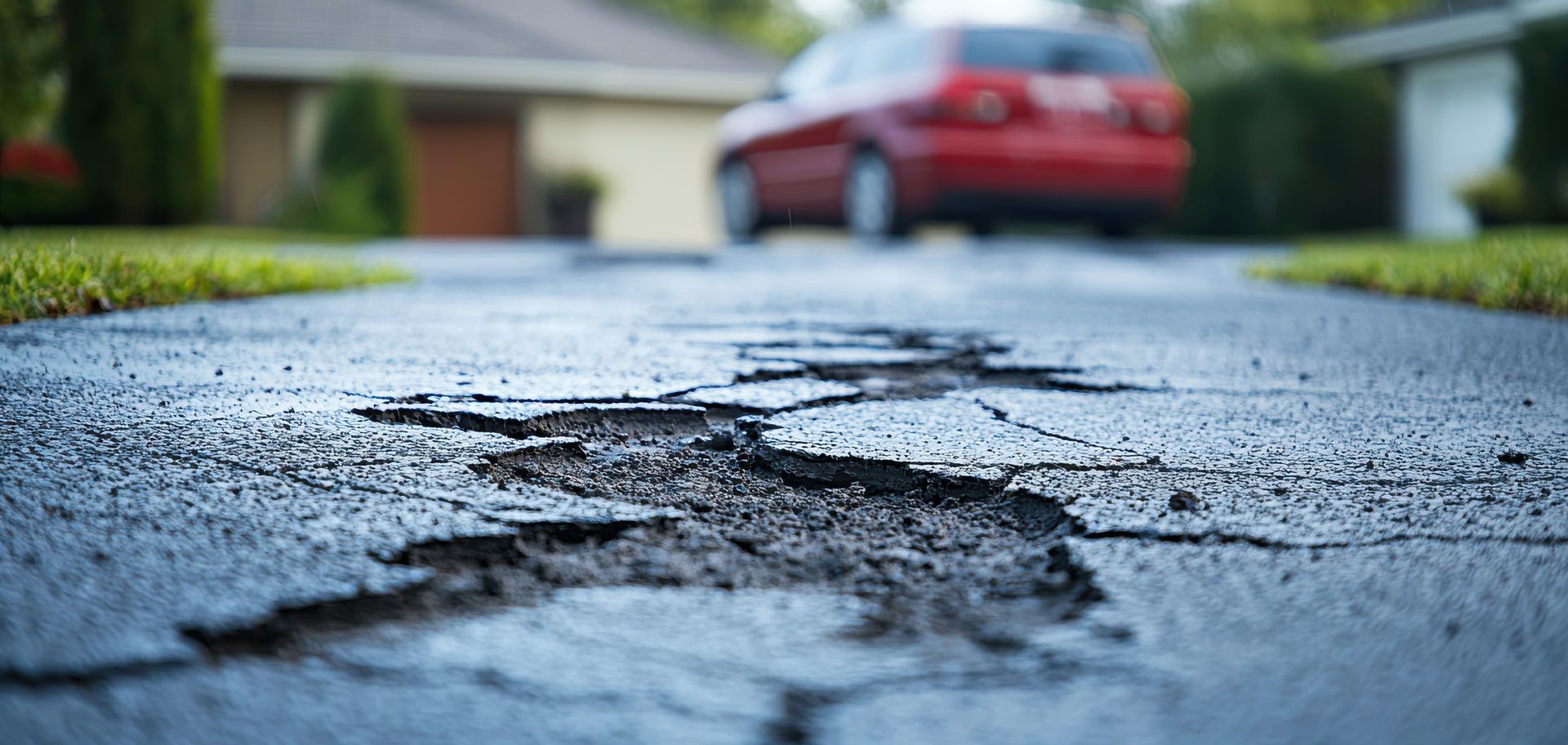
If your driveway already has widespread alligator cracking, potholes, sinking areas, severe deterioration, or other signs of pavement failure, it should be evaluated before you schedule sealcoating.
Homeowners who are unsure can review 7 signs your driveway may be too damaged for sealcoating to better understand when another asphalt service may be necessary.
Should Driveway Cracks Be Treated Before Winter?
Visible structural cracks should be evaluated before sealcoating.
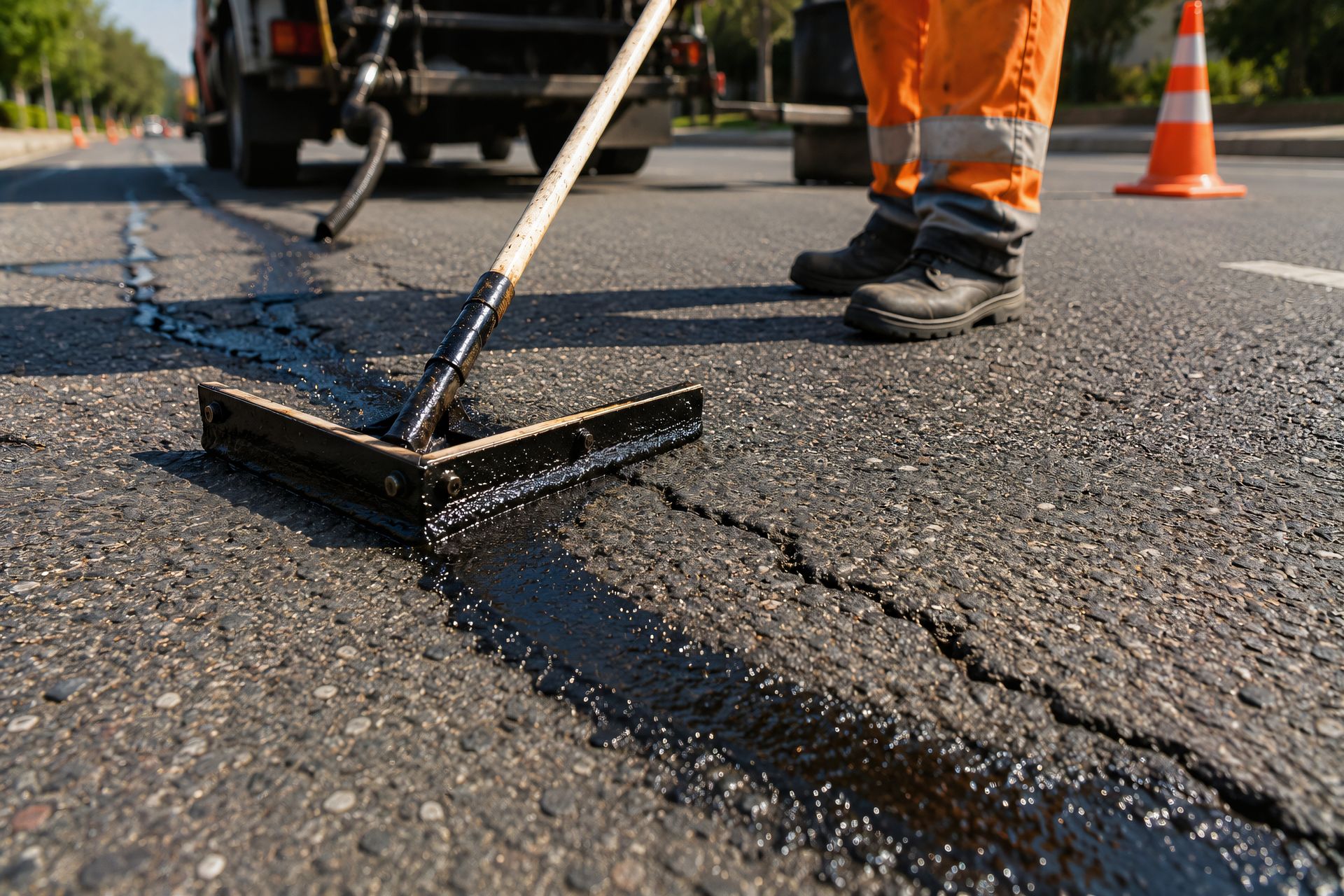
Simply applying sealer over a substantial crack does not provide the same function as properly treating the crack itself. Crack treatment is intended to address openings in the pavement, while sealcoating protects the broader asphalt surface.
The Federal Highway Administration describes crack sealing as a preventative pavement maintenance technique designed to reduce water and incompressible materials entering pavement cracks.
At NextGen Great Sealcoating, cracks and joints are cleaned as required during driveway preparation, and appropriate structural cracks can be treated with hot rubberized material as part of the residential sealcoating process.
Addressing these areas before winter is especially valuable because open cracks can give rain and melting snow another path into the pavement.
Is Fall a Good Time to Sealcoat a Driveway?
Fall can provide an opportunity to sealcoat before winter, but weather conditions matter more than the date on the calendar.
Sealcoat needs appropriate temperatures and dry conditions to apply and cure properly. As fall progresses, shorter days, colder nights, increased moisture, and changing weather can reduce the number of suitable application windows.
This is why homeowners should avoid waiting until the first freeze is in the forecast before thinking about their driveway.
Professional pavement specifications also illustrate why temperature matters for asphalt surface treatments. PennDOT, for example, establishes seasonal and temperature limitations for certain seal-coat applications rather than allowing them to be installed regardless of conditions.
Residential sealcoating products and applications are not identical to highway seal coats, so homeowners should follow the requirements of the specific product and professional service being used.
The practical rule is simple:
Schedule based on suitable weather and pavement conditions, not simply because it is technically still fall.
If you are deciding when to schedule, our guide to late-summer driveway sealcoating also explains how temperature, rain, pavement condition, and curing time affect the decision.
How Late in the Year Can You Sealcoat a Driveway?
There is no single calendar date that works for every property or every year.
A warm, dry stretch during early fall may provide appropriate conditions, while a colder or wetter period may not. Application requirements can also vary depending on the sealer being used.
Factors that need to be considered include:
- Air temperature
- Pavement temperature
- Overnight temperatures
- Rain in the forecast
- Surface moisture
- Available daylight and curing time
- The condition of the asphalt
As temperatures become consistently colder, the sealcoating season eventually comes to an end.
For that reason, homeowners considering fall sealcoating should schedule an evaluation early enough to allow for changing weather rather than assuming there will always be another suitable weekend later in the season.
Is Your Driveway in Good Enough Condition to Sealcoat?
Before scheduling sealcoating, look at the asphalt itself.
A faded or weathered driveway with manageable wear may be a good candidate for preventative maintenance. A driveway with significant structural failure may not be.
Signs that your driveway may be ready for professional attention include:
- The asphalt has faded from black to gray
- Previous sealcoat has noticeably worn away
- Structural cracks have appeared
- Pavement edges are beginning to deteriorate
- The surface shows increasing weather-related wear
- It has been several years since the last sealcoating service
NextGen generally recommends sealcoating residential asphalt driveways every two to three years, although actual timing depends on factors such as pavement age, traffic, weather exposure, and current condition.
If you are uncertain, a professional assessment can determine whether sealcoating, crack treatment, repair, or another service is appropriate.
What Happens During Professional Fall Driveway Sealcoating?
Preparing the pavement correctly is an important part of getting it ready for a protective coating.
NextGen Great Sealcoating's residential process begins with trimming and cleaning driveway edges where appropriate. The asphalt is then thoroughly cleaned using equipment such as wire brushes, power brooms, or power blowers, and cracks and joints are cleaned as required.
Oil spots and similar areas may receive special primer treatments to promote proper adhesion.
Necessary crack treatment and preparation are addressed before the sealer is applied. NextGen uses EcoAmigo asphalt sealer to create the finished protective surface.
After application, the driveway is barricaded for approximately 24–48 hours to allow the surface adequate drying time before normal vehicle use resumes.
For a complete walkthrough, see what to expect when your driveway is professionally sealcoated.
Should You Wait Until Spring Instead?
Sometimes, yes.
If temperatures have already become too cold, wet weather is persistent, or your driveway requires repairs before sealcoating, waiting for appropriate conditions may be better than forcing a late-season application.
The goal is not simply to get sealer onto the driveway before the first snow.
The goal is to apply the correct treatment under conditions that allow it to perform as intended.
On the other hand, if the asphalt is in suitable condition and there is still an appropriate application window, completing preventative maintenance before winter can give the surface additional protection heading into months of moisture, snow, ice, salt, and temperature changes.
Protect Your Asphalt Before Winter Arrives
Winter can be demanding on asphalt, especially when cracks and deteriorated areas give water opportunities to penetrate the pavement.
Sealcoating before winter can help protect a driveway that is still in good condition by creating a protective barrier against moisture, UV rays, road salt, oil, and everyday environmental exposure. When necessary crack treatment and proper surface preparation are completed first, sealcoating can become an important part of a long-term asphalt maintenance plan.
NextGen Great Sealcoating provides professional residential sealcoating services throughout its service areas in Pennsylvania and New Jersey. Our team can evaluate your pavement, determine whether sealcoating is appropriate, and help you prepare your driveway for the colder months ahead.
Explore our sealcoating service areas to find service near you, or contact NextGen Great Sealcoating for a free quote.
Is it worth sealcoating a driveway before winter?
Yes, when the asphalt is in serviceable condition and weather conditions allow proper application and curing. Sealcoating helps reduce direct exposure to water, road salt, UV rays, oil, and other elements that contribute to asphalt deterioration.
Does sealcoating protect asphalt from snow and ice?
Sealcoating provides a protective barrier that helps limit moisture and environmental exposure, but it cannot prevent every form of winter damage. Existing cracks and structural problems should be addressed appropriately rather than relying on sealer to cover them.
Can you sealcoat a driveway in cold weather?
Sealcoating requires suitable air and pavement temperatures as well as dry conditions. Specific requirements depend on the product being applied. Once fall weather becomes consistently too cold or wet, it may be better to wait for an appropriate application window.
Should cracks be filled before sealcoating?
Appropriate structural cracks should be treated as part of pavement preparation rather than expecting the surface sealer to function as a crack repair. NextGen cleans cracks and joints as required and uses hot rubberized material for appropriate structural cracks during its residential process.
How often should an asphalt driveway be sealcoated?
NextGen generally recommends sealcoating residential driveways every two to three years. The appropriate schedule can vary depending on weather exposure, traffic, pavement age, previous maintenance, and the condition of the asphalt.
Is fall or spring better for sealcoating?
Either season may provide suitable conditions depending on temperature, moisture, pavement condition, and the product being used. Fall can be especially useful for homeowners who want to complete preventative maintenance before winter, but the work should not be performed when conditions are unsuitable.