How Often Should You Sealcoat an Asphalt Driveway?
Most residential asphalt driveways should be evaluated for sealcoating every two to three years, although the right schedule depends on pavement condition, weather exposure, traffic, age, and previous maintenance. Some driveways may need attention sooner, while others may remain adequately protected for longer.
The important thing is not to sealcoat according to the calendar alone.
Your driveway's appearance and condition can tell you a lot about whether it is time for another application. Fading asphalt, increasing surface wear, cracks, and the loss of a previous protective coating are all reasons to take a closer look.
Understanding what affects sealcoating frequency can help you maintain your asphalt without waiting too long or applying sealer more often than necessary.
What Is the Recommended Driveway Sealcoating Schedule?
NextGen Great Sealcoating generally recommends sealcoating residential asphalt driveways every two to three years.
This schedule helps maintain the protective surface as the asphalt is exposed to sunlight, precipitation, vehicle traffic, road salt, oil, gas, and seasonal weather.
However, two to three years should be treated as a general maintenance guideline rather than an automatic rule.
Two driveways sealed on the same day can age differently.
One may receive heavy daily traffic and constant sunlight, while another receives less traffic and is partially shaded. Pavement age, drainage, winter conditions, previous applications, and the original asphalt condition can also affect how quickly the protective coating wears.
For that reason, the best sealcoating schedule combines a general maintenance interval with regular inspection of the pavement itself.
Why Does an Asphalt Driveway Need to Be Resealed?
Asphalt spends its entire service life exposed to the elements.
Sunlight, oxygen, rain, snow, ice, road salt, vehicle fluids, and traffic gradually affect the pavement surface. Over time, asphalt can fade from a deep black color to gray and become increasingly vulnerable to deterioration.
Sealcoating applies a protective coating over the asphalt to help reduce exposure to these environmental factors.
NextGen Great Sealcoating uses EcoAmigo asphalt sealer, which is designed to help protect asphalt from water, UV exposure, oil, gas, road salt, and other conditions that contribute to pavement deterioration.
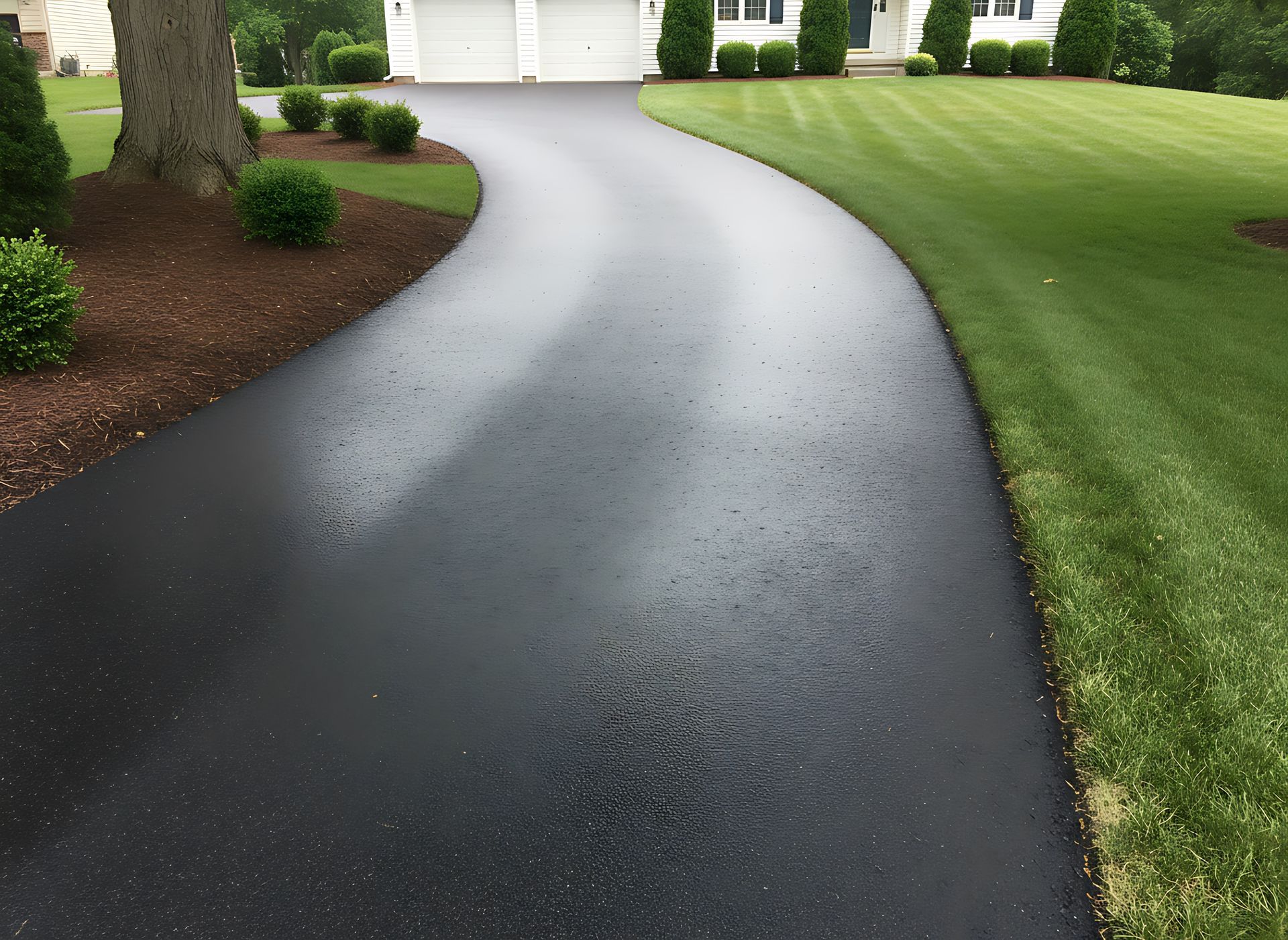
Sealcoating also restores the rich, dark appearance associated with well-maintained asphalt.
But the coating does not last forever.
Normal weather and traffic gradually wear it down, which is why periodic reapplication is part of a preventative asphalt maintenance plan.
What Determines How Often You Should Sealcoat Your Driveway?
Several factors can change the ideal maintenance schedule.
1. Weather Exposure
Asphalt in Pennsylvania and New Jersey experiences significant seasonal changes.
Summer heat and UV exposure are followed by rain, freezing temperatures, snow, ice, and winter maintenance materials. These conditions can gradually wear on an asphalt surface throughout the year.
A driveway exposed to particularly demanding conditions may show signs of wear sooner than one in a more protected setting.
2. Sunlight and UV Exposure
Direct sunlight contributes to oxidation and fading.
A driveway exposed to strong sunlight for much of the day may gradually lose its dark appearance and protective surface faster than pavement that receives more shade.
Sealcoating helps create a barrier between the asphalt and continued environmental exposure.
3. Vehicle Traffic
The amount and type of traffic using the driveway also matter.
A lightly used residential driveway experiences different wear than one supporting multiple vehicles every day.
Frequent turning, parking, and vehicle movement can contribute to surface wear over time.
4. Pavement Age
Older asphalt may require closer monitoring.
Even when a driveway has been maintained consistently, the underlying pavement continues to age. Cracking, oxidation, edge deterioration, and other changes can eventually become more noticeable.
Sealcoating can help preserve serviceable asphalt, but it cannot reverse structural deterioration.
5. Previous Maintenance
A driveway that has been consistently maintained may behave differently from one that has gone many years without attention.
Previous crack treatment, sealcoating, drainage conditions, and repairs can all affect what maintenance is appropriate next.
6. Current Pavement Condition
The condition of the asphalt should ultimately guide the decision.
If the pavement is fading and the previous protective coating has worn away, it may be time to consider resealing.
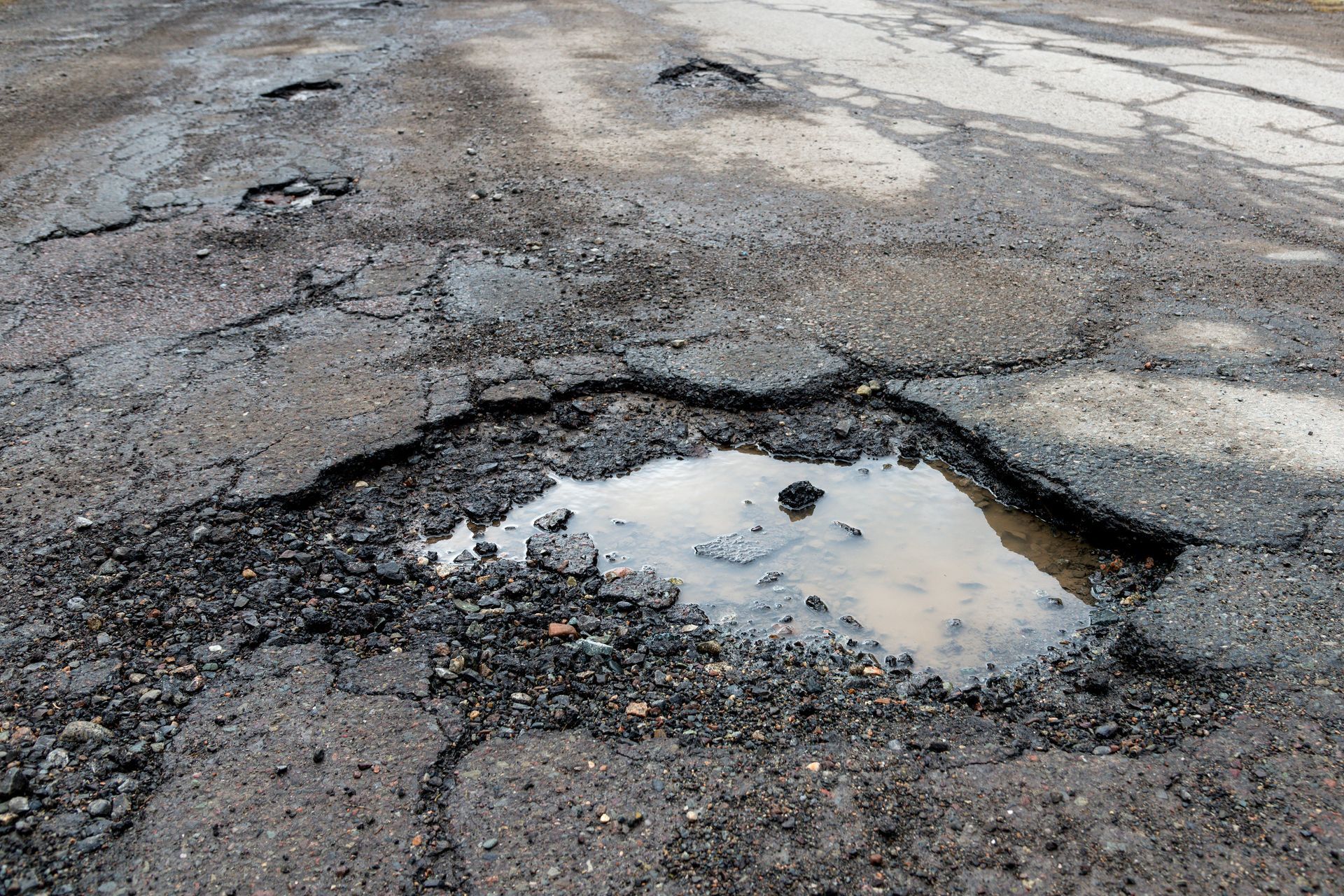
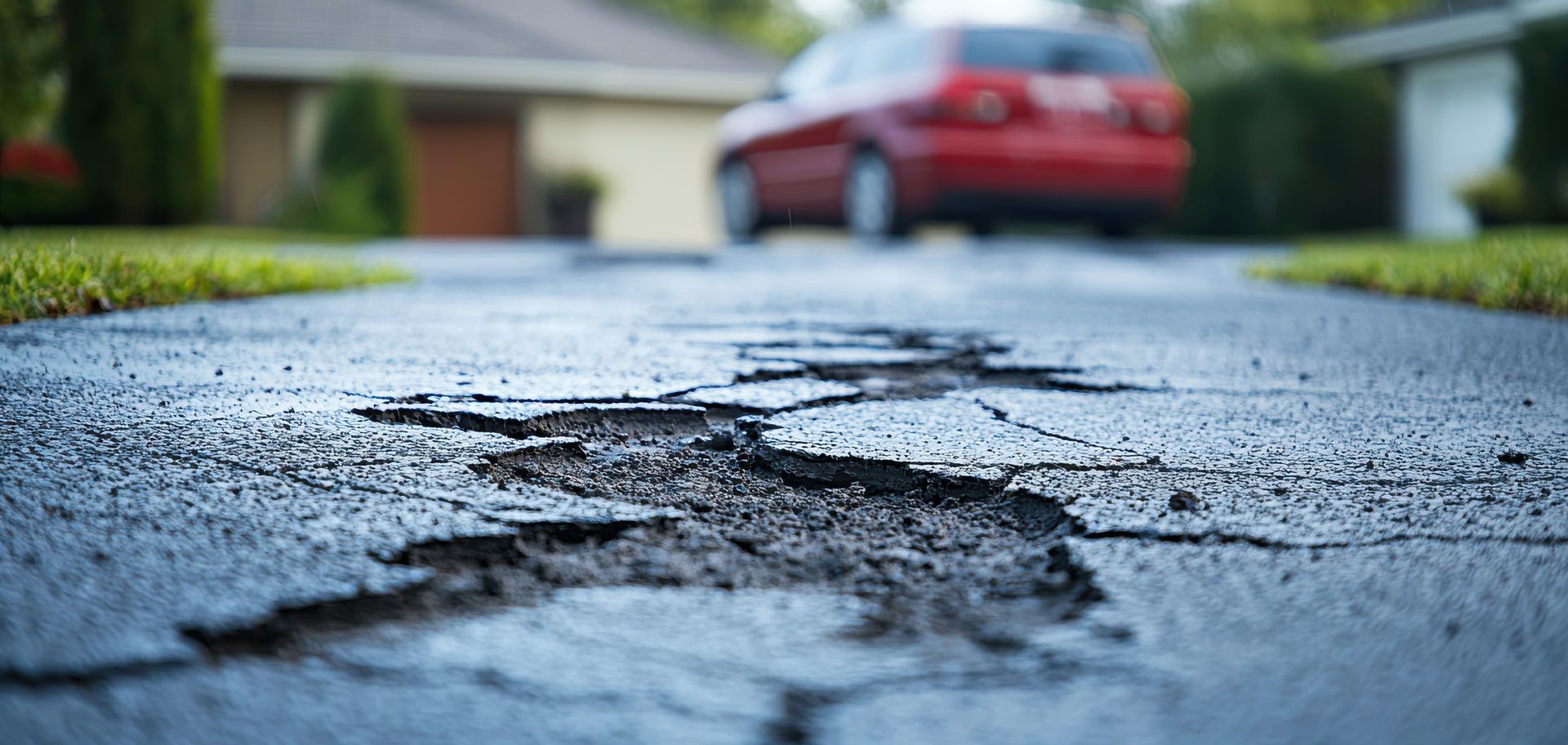
If the driveway instead has potholes, extensive alligator cracking, major low spots, or structural failure, applying another coat of sealer may not be the appropriate solution.
What Are the Signs Your Driveway Needs Sealcoating?
You do not need to remember the exact date of your last application to recognize that your driveway may need attention.
Look for changes in the asphalt itself.
Common signs include:
- Asphalt that has faded from black to gray
- A previous sealcoat that appears noticeably worn
- Increasing surface weathering
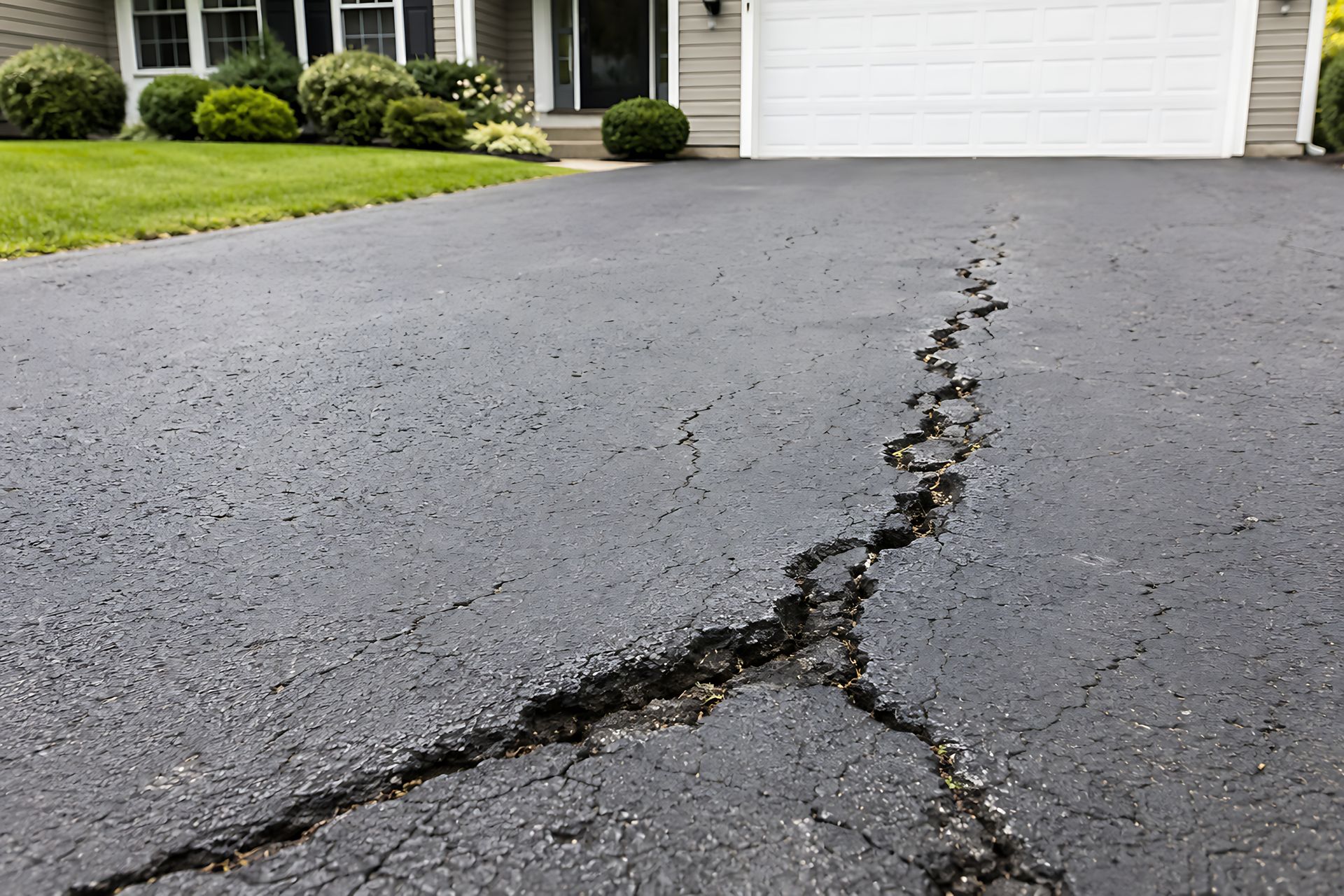
- Structural cracks that need evaluation or treatment
- Dry or aged-looking pavement
- Areas receiving significant sun or vehicle exposure
- Several years having passed since the last sealcoating service
A faded driveway does not automatically mean the pavement is failing.
In many cases, it may indicate that the protective surface has worn down and the asphalt should be evaluated for preventative maintenance.
If your driveway is showing several of these signs, professional residential driveway sealcoating services can help determine whether the pavement is ready for another application.
Can You Sealcoat a Driveway Too Often?
Yes. More sealcoat is not automatically better.
Sealcoating is intended to be applied as part of a maintenance cycle, not continuously layered onto asphalt simply to keep it looking freshly black.
Applying additional material before it is needed can create excessive buildup and may not provide meaningful additional protection.
This is why NextGen recommends evaluating the pavement rather than treating sealcoating as an annual cosmetic service.
A properly maintained driveway should be given time between applications based on the condition of the existing coating and asphalt.
The goal is protection, not maximum coating thickness.
If your driveway still has an intact protective surface and is performing well, another application may not yet be necessary.
Should You Sealcoat Your Driveway Every Year?
For most residential driveways, annual sealcoating is unnecessary.
NextGen's general recommendation is every two to three years, depending on the condition of the asphalt and its exposure to traffic and weather.
Rather than automatically scheduling sealcoating every year, homeowners should inspect the driveway annually.
An annual inspection can help identify:
- New structural cracks
- Previously treated cracks that have reopened
- Areas of unusual wear
- Edge deterioration
- Drainage concerns
- Potholes or low spots
- Significant fading
- Damage that may require repair rather than sealcoating
This approach allows maintenance to be performed when it is actually needed.
Should Cracks Be Treated Between Sealcoating Services?
Cracks should be monitored between full sealcoating applications.
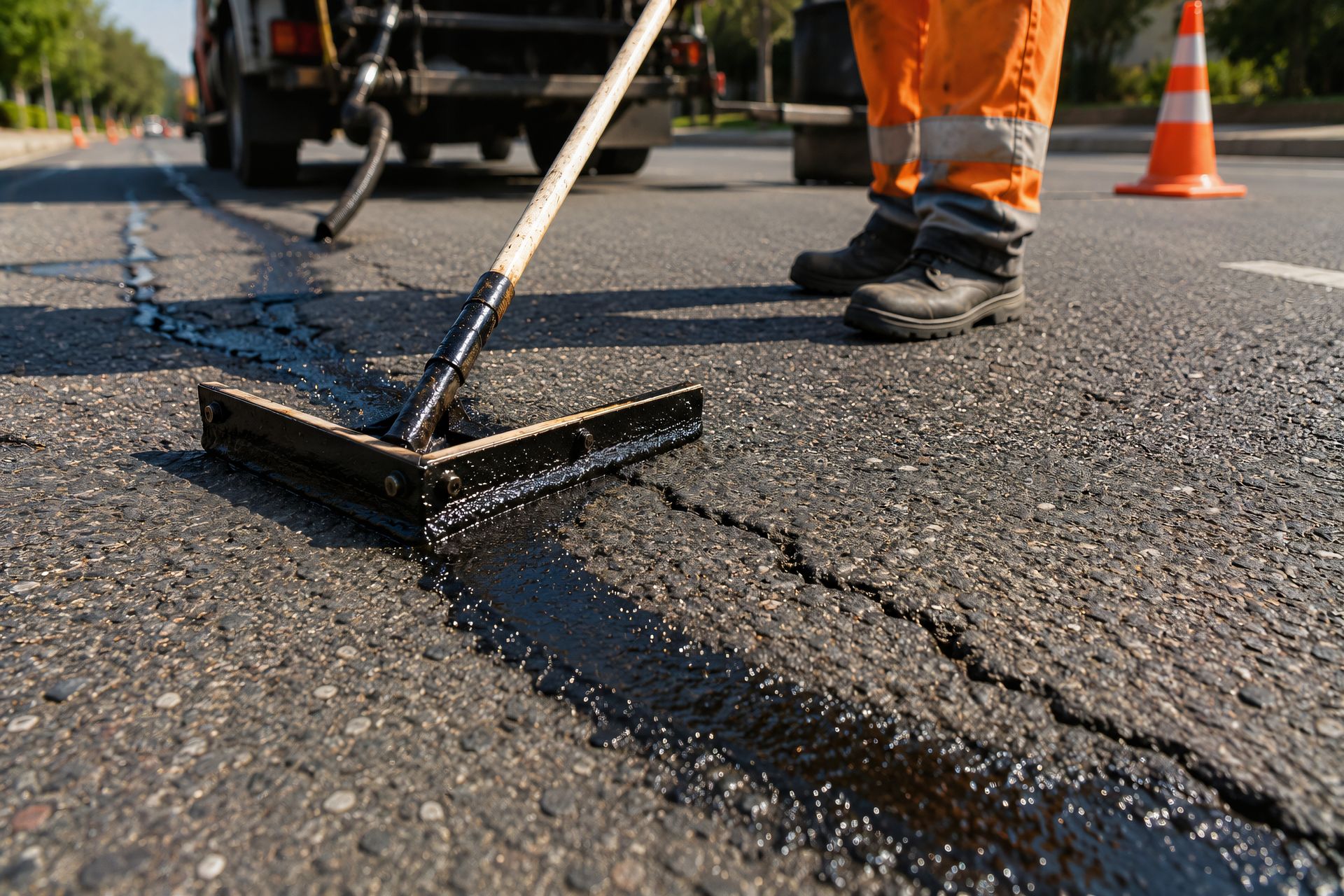
NextGen recommends annual inspections and touch-ups as required because cracks can reopen or migrate due to weather, ground movement, traffic, and other stresses.
Waiting until the next complete sealcoating service to look at the driveway could allow an open structural crack to remain exposed longer than necessary.
This matters because cracks can provide pathways for water to enter the pavement.
The Federal Highway Administration has identified crack sealing and filling as preventative pavement maintenance techniques used to reduce water infiltration into asphalt pavement.
Our guide to how water gets into asphalt cracks explains why these openings deserve attention, particularly before freezing winter conditions arrive.
Does a New Asphalt Driveway Need Immediate Sealcoating?
A newly paved asphalt driveway should not automatically be sealcoated immediately after installation.
New asphalt needs time to cure and release oils before a surface coating is applied. Applying sealer too early may interfere with that natural process.
The appropriate waiting period depends on the pavement and product requirements, so homeowners should follow the recommendations of their asphalt contractor and sealcoating professional.
Once the new pavement has cured sufficiently and becomes an appropriate candidate for sealcoating, preventative maintenance can begin.
From there, regular inspections and an appropriate resealing schedule can help preserve the surface as it ages.
Does an Older Driveway Need Sealcoating More Often?
Not necessarily.
An older driveway may need closer attention, but that does not mean increasingly frequent sealcoating will solve every problem.
As asphalt ages, deterioration can eventually progress beyond what a protective coating can address.
If the driveway has widespread alligator cracking, significant structural damage, potholes, major depressions, or failing pavement, applying another layer of sealer will not rebuild those areas.
Sealcoating is designed to preserve asphalt that is still in serviceable condition.
It is not a substitute for patching, structural repair, or repaving.
If you are unsure where your driveway falls, review 7 signs your driveway may be too damaged for sealcoating before assuming another application is the answer.
How Long Does Driveway Sealcoating Last?
There is no exact lifespan that applies to every driveway.
NextGen's general two-to-three-year maintenance recommendation provides a useful starting point, but actual performance depends on the property.
Factors that can influence how quickly the coating wears include:
- Traffic volume
- Vehicle turning and parking patterns
- Sun exposure
- Snow and ice
- Road salt
- Rain and drainage
- Oil or fuel exposure
- Asphalt condition
- Quality of surface preparation
- Previous pavement maintenance
This is why a driveway should be inspected periodically rather than resealed based solely on an estimated lifespan.
What Happens If You Wait Too Long Between Sealcoating Services?
Missing an exact two- or three-year interval does not mean a driveway will suddenly fail.
However, allowing the protective coating to wear away can leave the asphalt more directly exposed to environmental conditions.
As pavement continues aging, homeowners may notice increased fading, oxidation, cracking, and surface deterioration.
The greater concern is waiting until asphalt has developed extensive damage and then expecting sealcoating to restore it.
Preventative maintenance is generally most effective before significant deterioration occurs.
If the pavement is already badly damaged, repairs or replacement may become more appropriate than another sealcoat application.
What Happens During Professional Driveway Sealcoating?
Professional sealcoating involves more than applying a black coating over the pavement.
At NextGen Great Sealcoating, preparation is a critical part of the residential process.
The driveway is thoroughly cleaned using methods such as wire brushing, power brooming, and power blowing. Cracks and joints are cleaned as required, and oil spots may receive primer treatments to promote proper adhesion.
Appropriate structural cracks are treated before the sealer is applied.
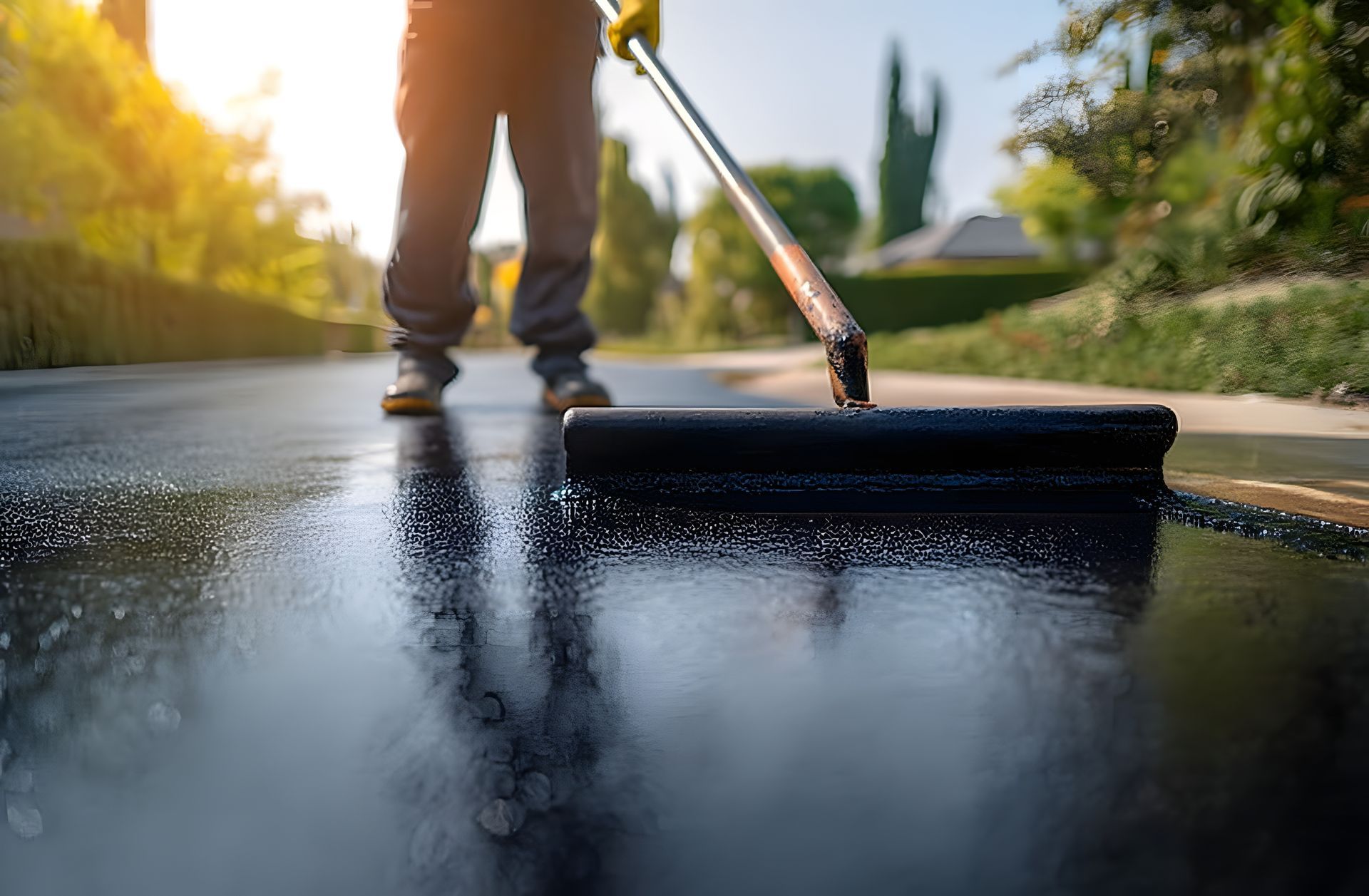
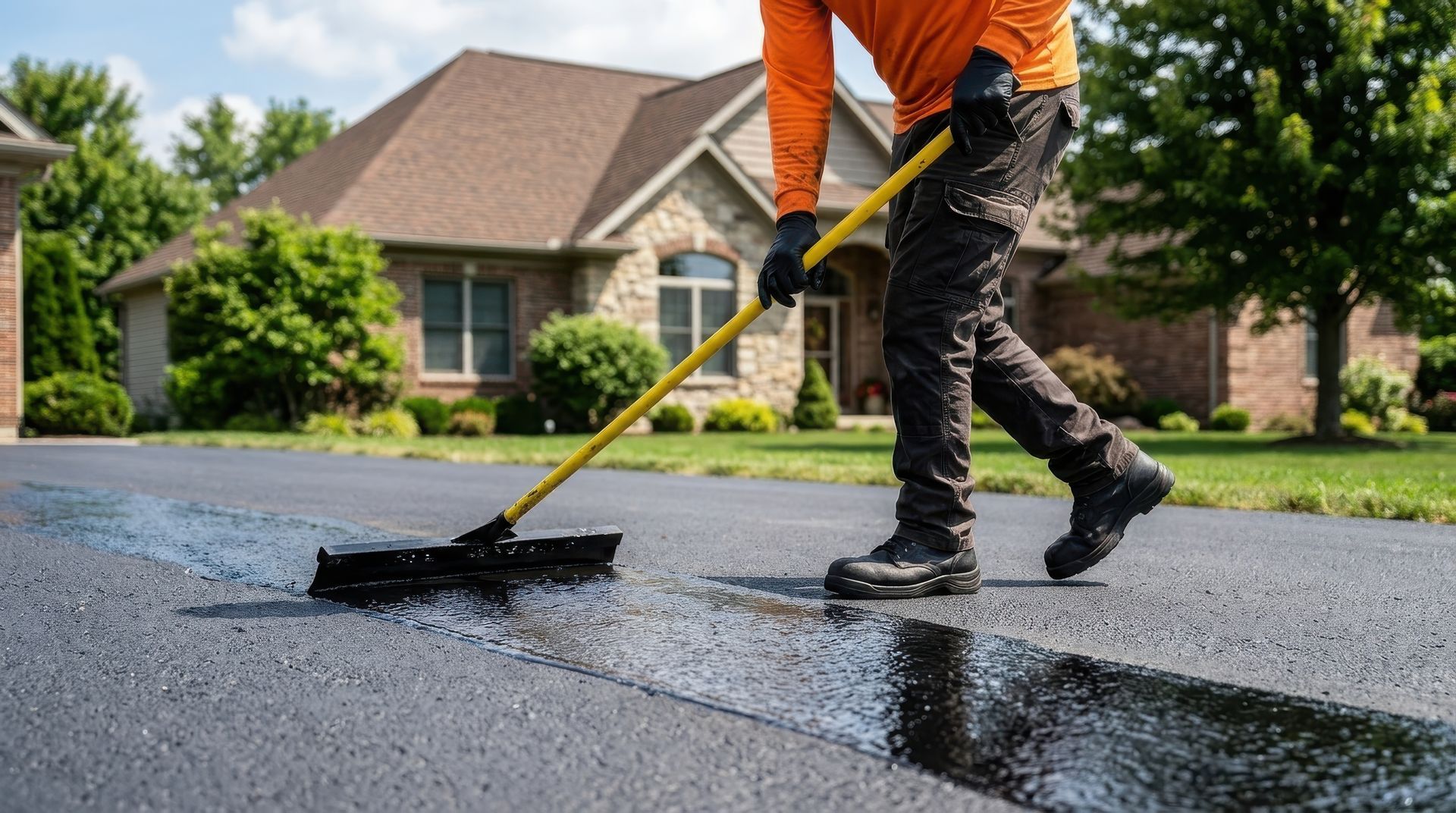
NextGen then applies EcoAmigo asphalt sealer across the prepared pavement.
After application, the driveway is barricaded for approximately 24–48 hours so the surface has adequate drying time before normal vehicle traffic resumes.
For a more detailed breakdown, see what to expect when your driveway is professionally sealcoated.
How Can You Create a Better Asphalt Maintenance Schedule?
Instead of treating driveway maintenance as something you think about only when the pavement looks bad, create a simple routine.
Inspect the Driveway Every Year
Walk the pavement and look for new cracks, reopened cracks, fading, edge deterioration, drainage issues, potholes, and other changes.
Address Problems as They Develop
Do not assume every problem can wait until the next sealcoating application. Appropriate cracks or pavement damage may need separate attention.
Consider Sealcoating Every Two to Three Years
Use NextGen's recommended interval as a starting point, then adjust based on actual pavement condition.
Pay Attention to Seasonal Conditions
Weather affects both asphalt deterioration and when maintenance can be performed. Plan ahead rather than waiting until conditions are no longer appropriate for application.
Get an Evaluation When You Are Unsure
If you cannot tell whether the driveway needs sealcoating, crack treatment, repair, or another service, a professional evaluation can help you avoid applying the wrong treatment.
Is It Time to Sealcoat Your Driveway?
If it has been two to three years since your last sealcoating service, it is a good time to inspect your asphalt.
Look at more than the color.
Consider the condition of the existing coating, cracking, surface wear, traffic, drainage, weather exposure, and the overall condition of the pavement.
Sealcoating at the appropriate time can help protect asphalt from water, UV rays, road salt, oil, gas, and other environmental stresses while restoring a clean, dark appearance.
NextGen Great Sealcoating provides professional residential driveway sealcoating throughout its service areas in Pennsylvania and New Jersey. Our team can evaluate your asphalt, complete the necessary preparation, address appropriate structural cracks, and determine whether your driveway is ready for another sealcoating application.
Explore our sealcoating service areas to find service near you, or contact NextGen Great Sealcoating for a free quote.
How often should you sealcoat an asphalt driveway?
NextGen Great Sealcoating generally recommends sealcoating residential asphalt driveways every two to three years. The exact timing depends on pavement condition, weather exposure, traffic, age, and previous maintenance.
Is it bad to sealcoat a driveway every year?
Annual sealcoating is generally unnecessary for most residential driveways. Applying sealer more frequently than needed can result in excessive coating buildup. The condition of the asphalt and existing coating should guide the maintenance schedule.
How do I know when my driveway needs to be resealed?
Fading from black to gray, a visibly worn previous coating, increased surface weathering, and several years since the last application can indicate that it is time to have the driveway evaluated.
Should driveway cracks be treated between sealcoating applications?
Appropriate cracks should be monitored and addressed as needed rather than automatically waiting until the next full sealcoating service. NextGen recommends annual inspections and touch-ups as required.
Does older asphalt need to be sealcoated more often?
Not necessarily. Older pavement should be monitored closely, but additional sealcoating cannot correct structural failure. Severely deteriorated asphalt may require repair or replacement instead.
How long does sealcoating last on a driveway?
There is no universal lifespan for every application. NextGen generally recommends a two-to-three-year residential maintenance interval, but traffic, sunlight, weather, drainage, pavement condition, and other factors can affect how quickly the protective coating wears.
Can I sealcoat a brand-new asphalt driveway immediately?
A newly paved asphalt driveway should be allowed to cure before sealcoating. The appropriate waiting period can vary, so homeowners should follow the recommendations of their asphalt and sealcoating professionals rather than applying sealer immediately.