How to Prepare a Commercial Parking Lot for Fall and Winter
The best way to prepare a commercial parking lot for fall and winter is to inspect the pavement early, address cracks and drainage concerns, evaluate whether sealcoating is appropriate, refresh worn pavement markings, and plan ahead for snow and ice management. Taking care of these issues before colder weather arrives can help protect the asphalt and keep your property organized throughout the winter.
Commercial parking lots face demanding conditions year-round, but winter introduces additional challenges. Water, freezing temperatures, snow, ice, deicing materials, plowing, and continued vehicle traffic can all place stress on pavement.
For property owners and facility managers, fall is an opportunity to identify problems before winter weather makes them harder to address.
Use this commercial parking lot maintenance checklist to determine where your property may need attention.
Why Should You Prepare Your Parking Lot Before Winter?
A parking lot does not stop working when temperatures drop.
Customers, employees, tenants, delivery vehicles, and service providers continue using the pavement throughout winter. Meanwhile, the asphalt may be exposed to repeated moisture, freezing temperatures, snow removal, road salt, and other seasonal conditions.
Existing pavement problems can become particularly important when water is involved.
PennDOT explains that poorly functioning drainage can allow water to collect on pavement, creating potential icing conditions during winter and weakening pavement in ways that can contribute to potholes.
Preparing before winter gives property managers an opportunity to identify these vulnerabilities while maintenance conditions may still be suitable.
A proactive approach can also make budgeting and scheduling easier than waiting until pavement problems become more severe.
1. Inspect the Entire Parking Lot
Start with a thorough visual inspection.
Walk the parking lot instead of evaluating it only from a vehicle. Look closely at parking spaces, traffic lanes, entrances, pavement edges, loading areas, dumpster areas, and other high-use sections.
Pay attention to:
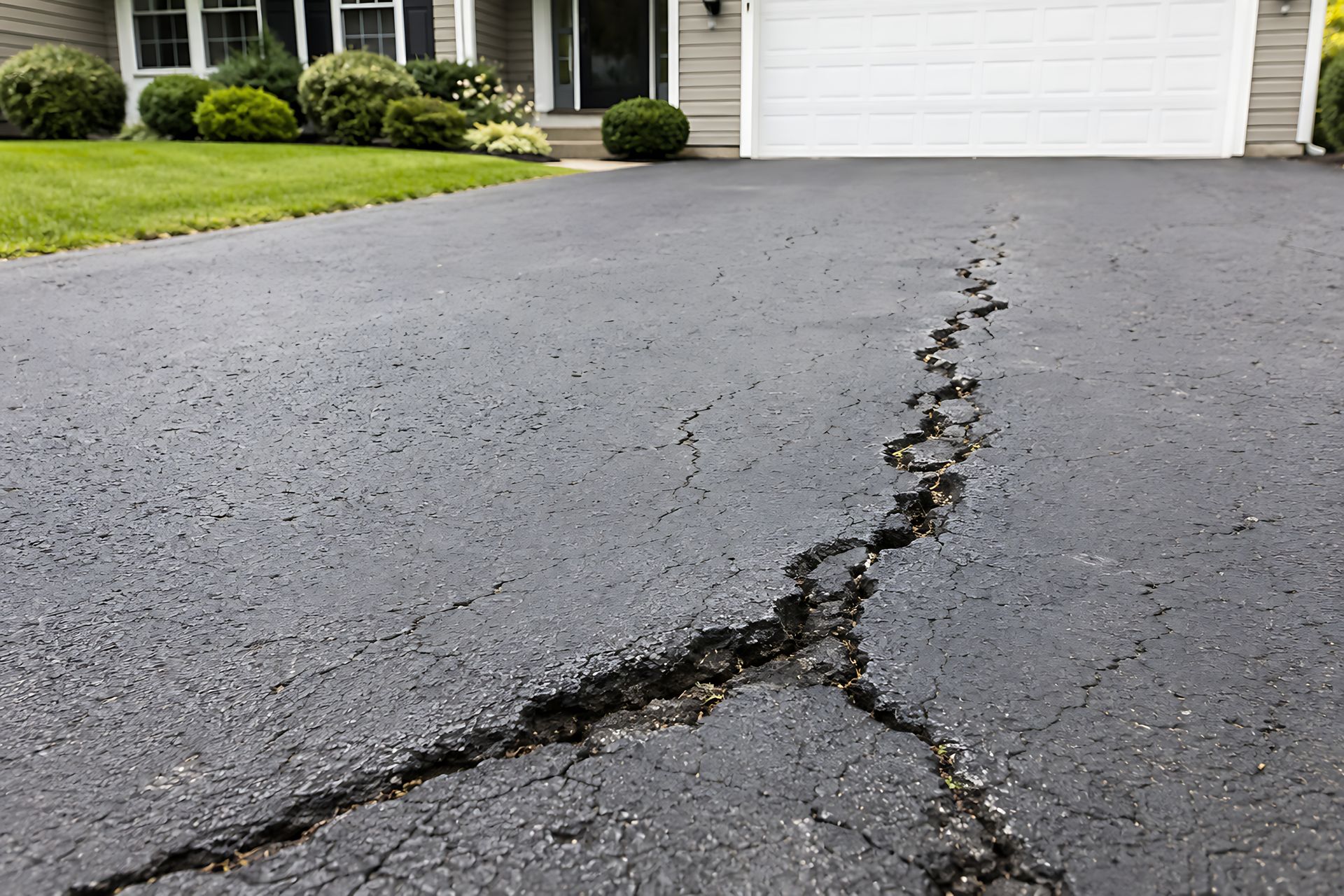
- Open cracks
- Previously treated cracks that have reopened
- Alligator cracking
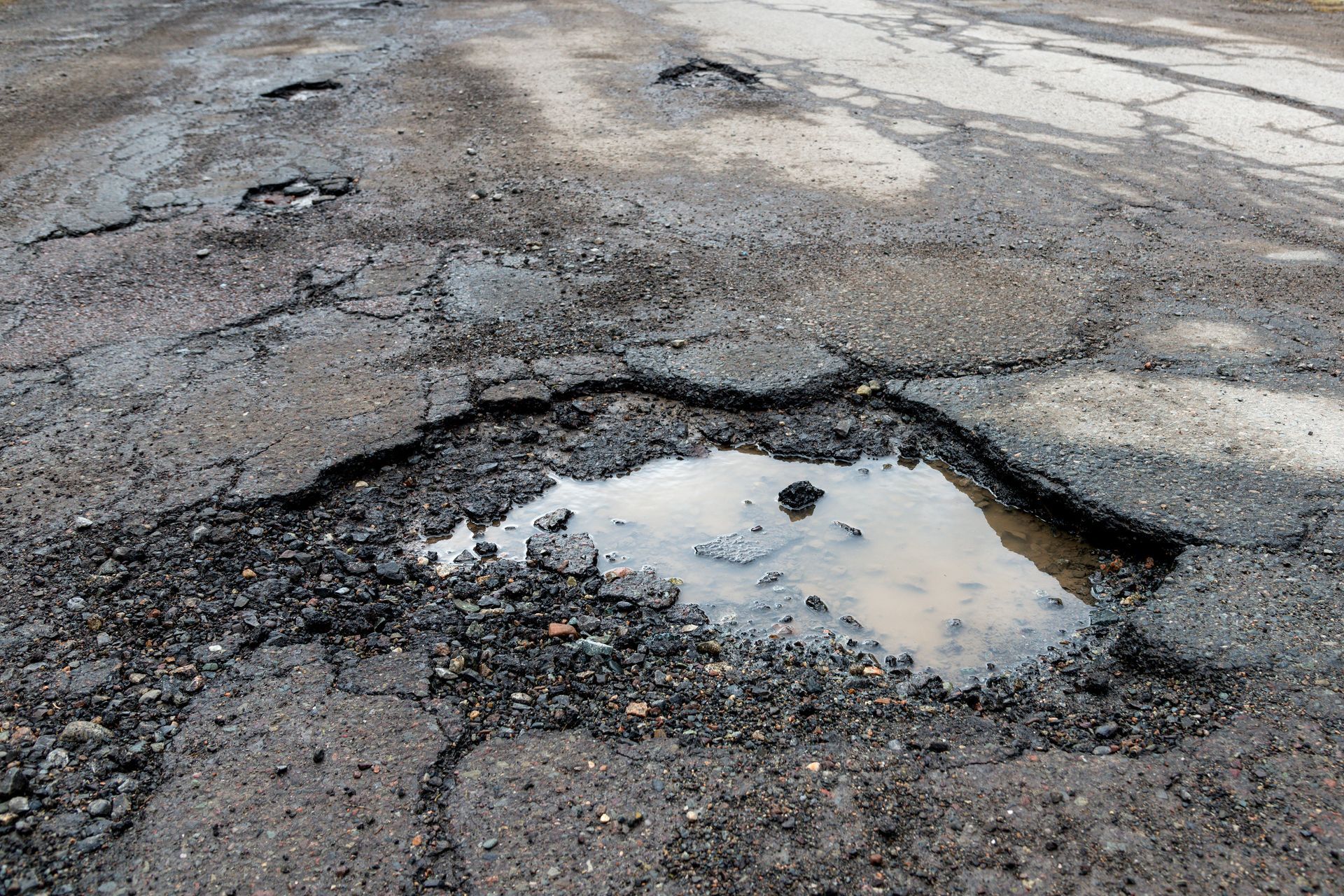
- Potholes
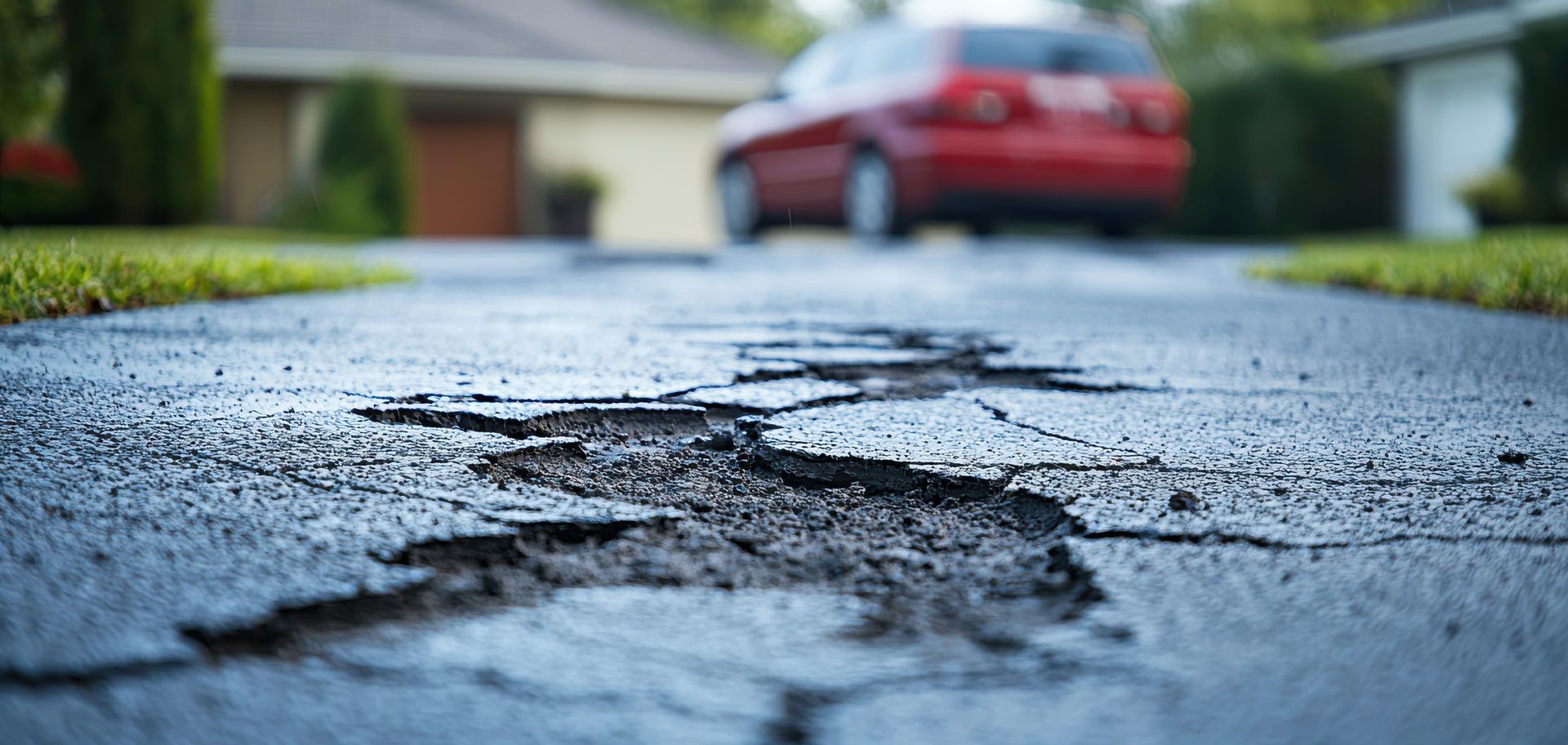
- Depressed or uneven areas
- Crumbling pavement edges
- Areas where water collects
- Faded asphalt
- Worn parking lines
- Faded arrows or traffic markings
- Damaged areas near drains
- High-traffic areas showing accelerated wear
Documenting these conditions can help you prioritize maintenance.
Photos are especially useful for commercial properties because they provide a record of pavement conditions and make it easier to compare changes from one season to the next.
If you notice multiple warning signs, review 7 signs your commercial parking lot needs maintenance for a more detailed look at pavement conditions that deserve attention.
2. Address Asphalt Cracks Before Winter
Cracks are more than a cosmetic concern.
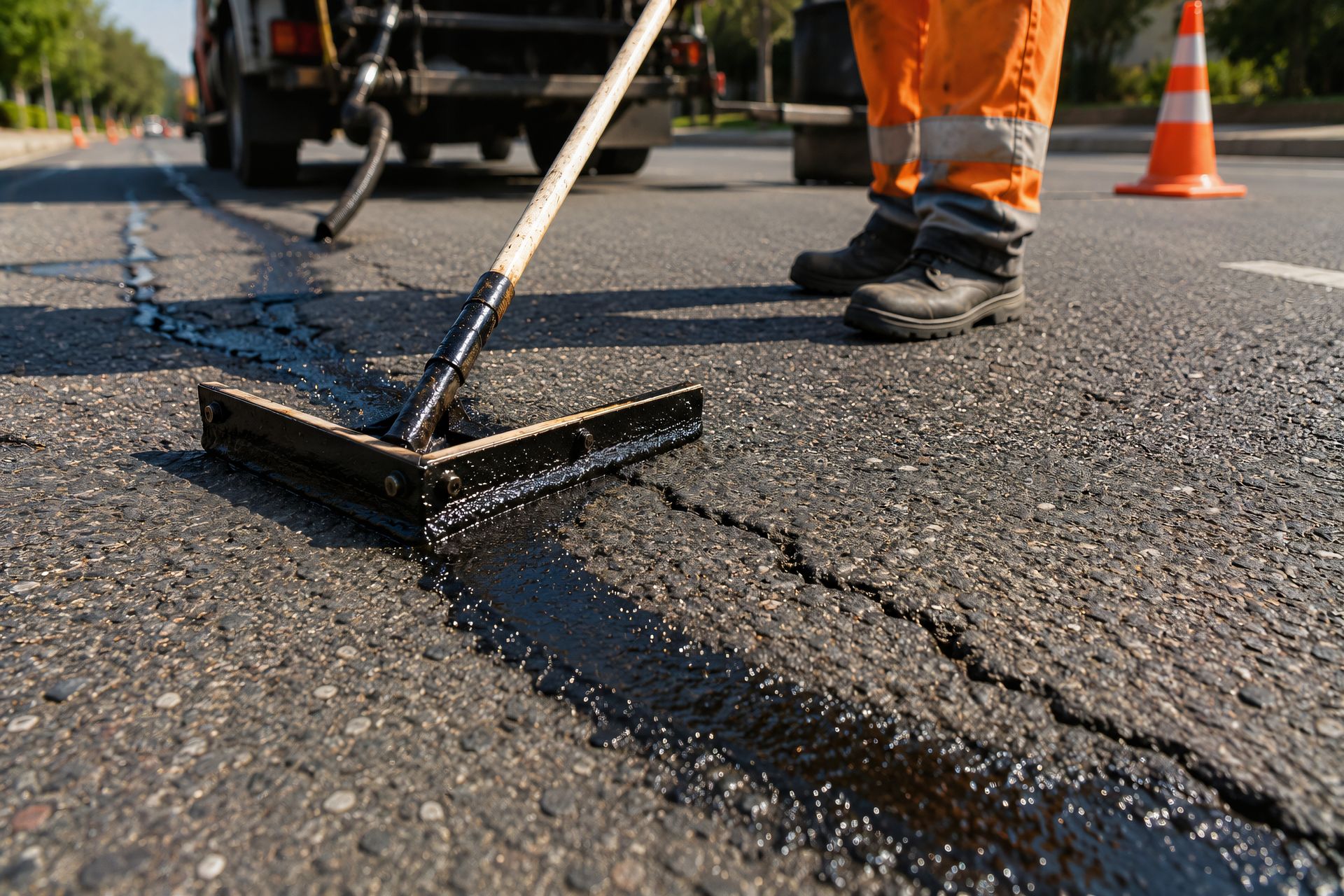
An open crack can provide a pathway for water to penetrate the pavement. As temperatures fluctuate during colder months, existing moisture and pavement movement can contribute to continued deterioration.
That makes fall a valuable time to identify structural cracks that may need treatment.
NextGen Great Sealcoating uses hot rubberized material to treat appropriate structural cracks during its commercial pavement preparation process. Crack sealing materials are selected to meet applicable quality specifications.
Crack treatment and sealcoating should not be confused, however.
Crack treatment addresses specific openings in the pavement, while sealcoating protects the broader asphalt surface.
A layer of sealer should not be expected to repair major structural pavement damage.
If cracks have progressed into widespread alligator cracking or other significant deterioration, the area may require a different treatment.
3. Check Parking Lot Drainage
Pay particular attention to where water goes after it rains.
Drainage is one of the most important issues to evaluate before winter because standing water can become a pavement problem and a winter operations concern.
PennDOT notes that effective drainage allows water to leave pavement areas. When drainage systems do not function properly, water can collect, contribute to pavement weakening, and create potential icing conditions during winter.
Walk the property after rainfall and look for:
- Puddles that remain for extended periods
- Water collecting near drains
- Blocked drainage paths
- Low areas in the pavement
- Water accumulating near curbs
- Debris blocking inlets
- Areas where runoff repeatedly crosses pedestrian routes
Sealcoating will not change the grade of a parking lot or correct a significant drainage problem.
If pavement has settled or developed low areas, the appropriate repair should be evaluated separately.
Keeping drains and drainage paths clear of leaves and debris during fall can also help water move away from the pavement as intended.
4. Decide Whether the Parking Lot Is a Candidate for Sealcoating
If the asphalt is still structurally serviceable, fall may provide an opportunity for preventative sealcoating when weather conditions are appropriate.
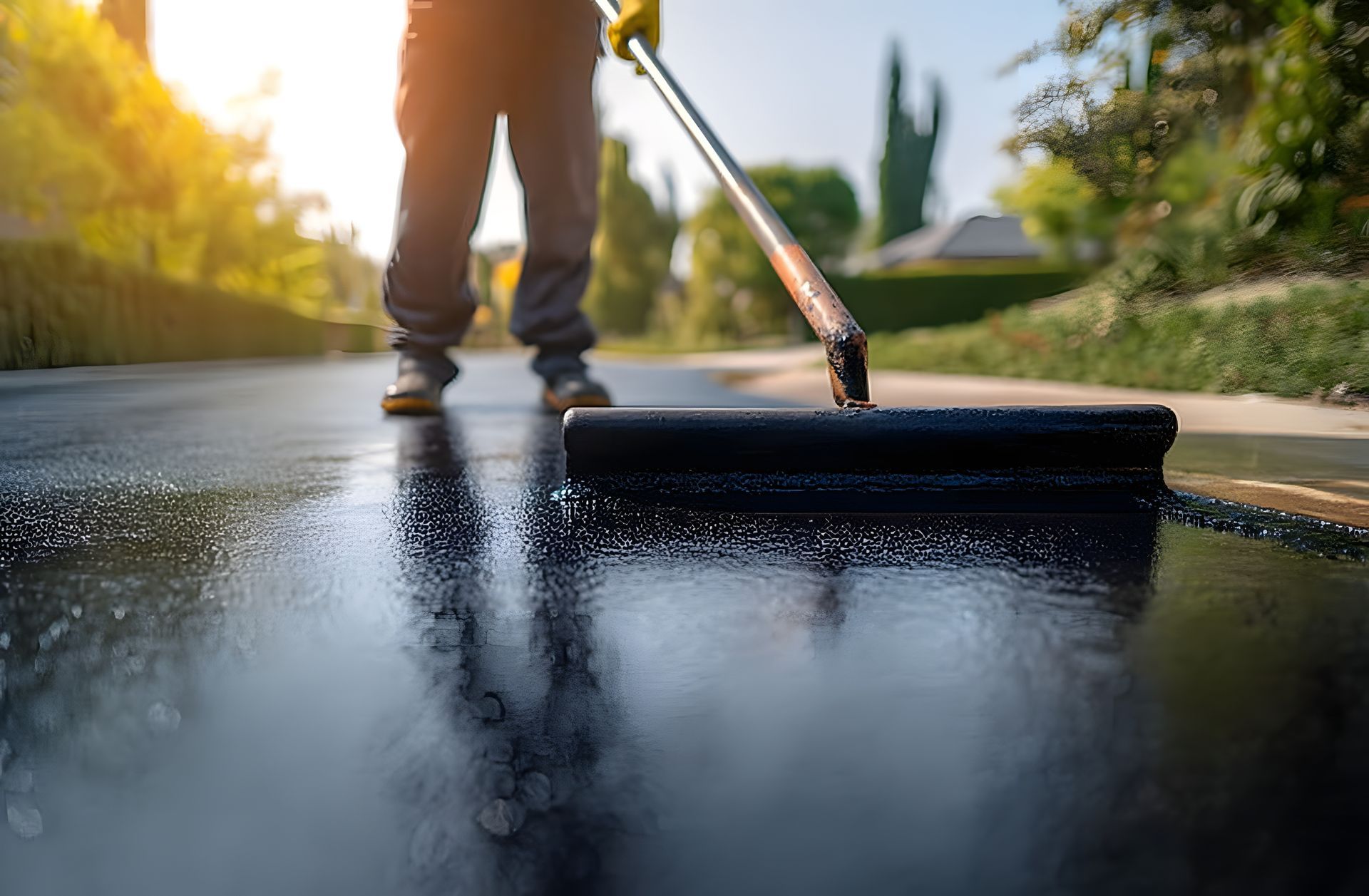
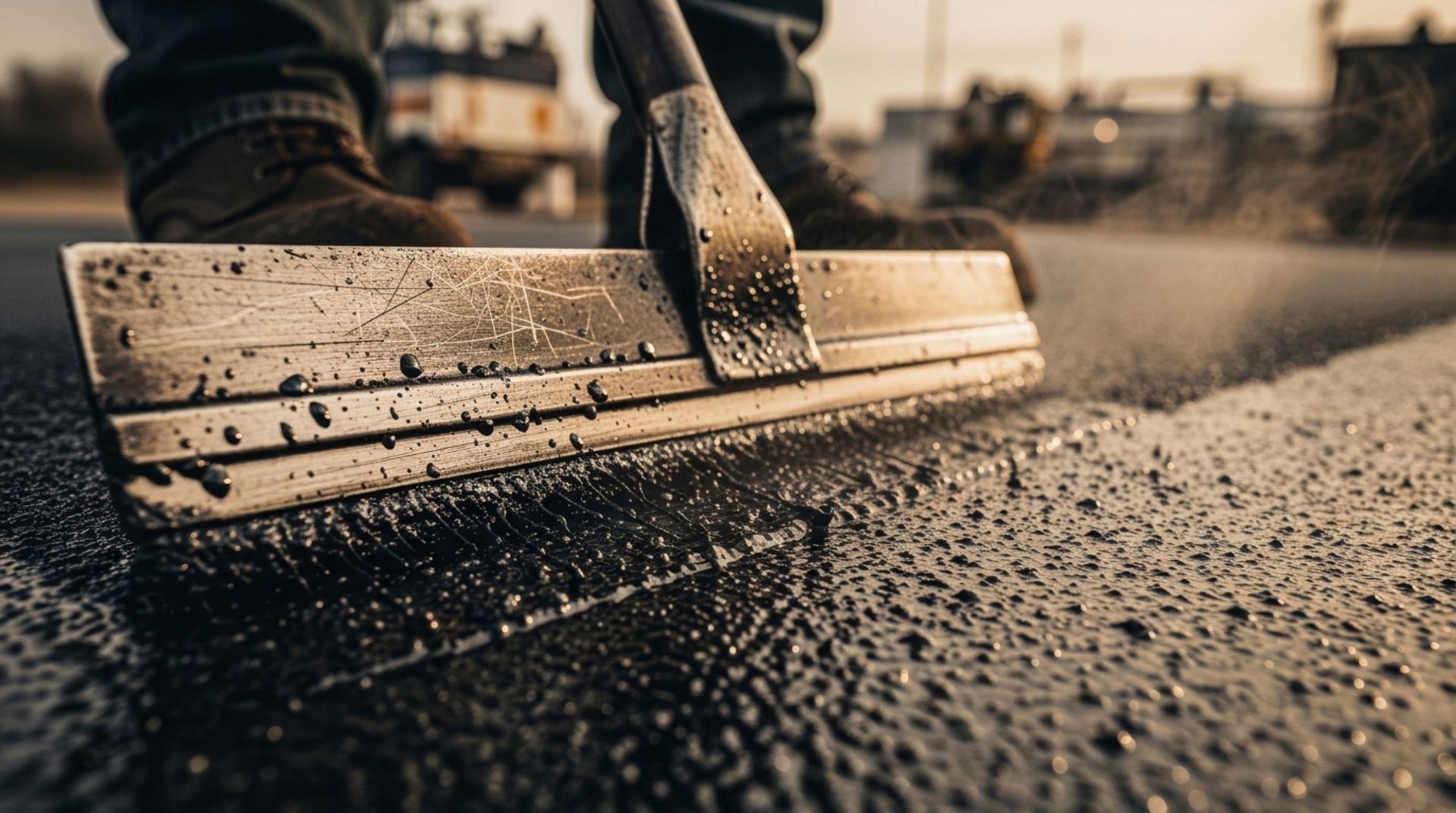
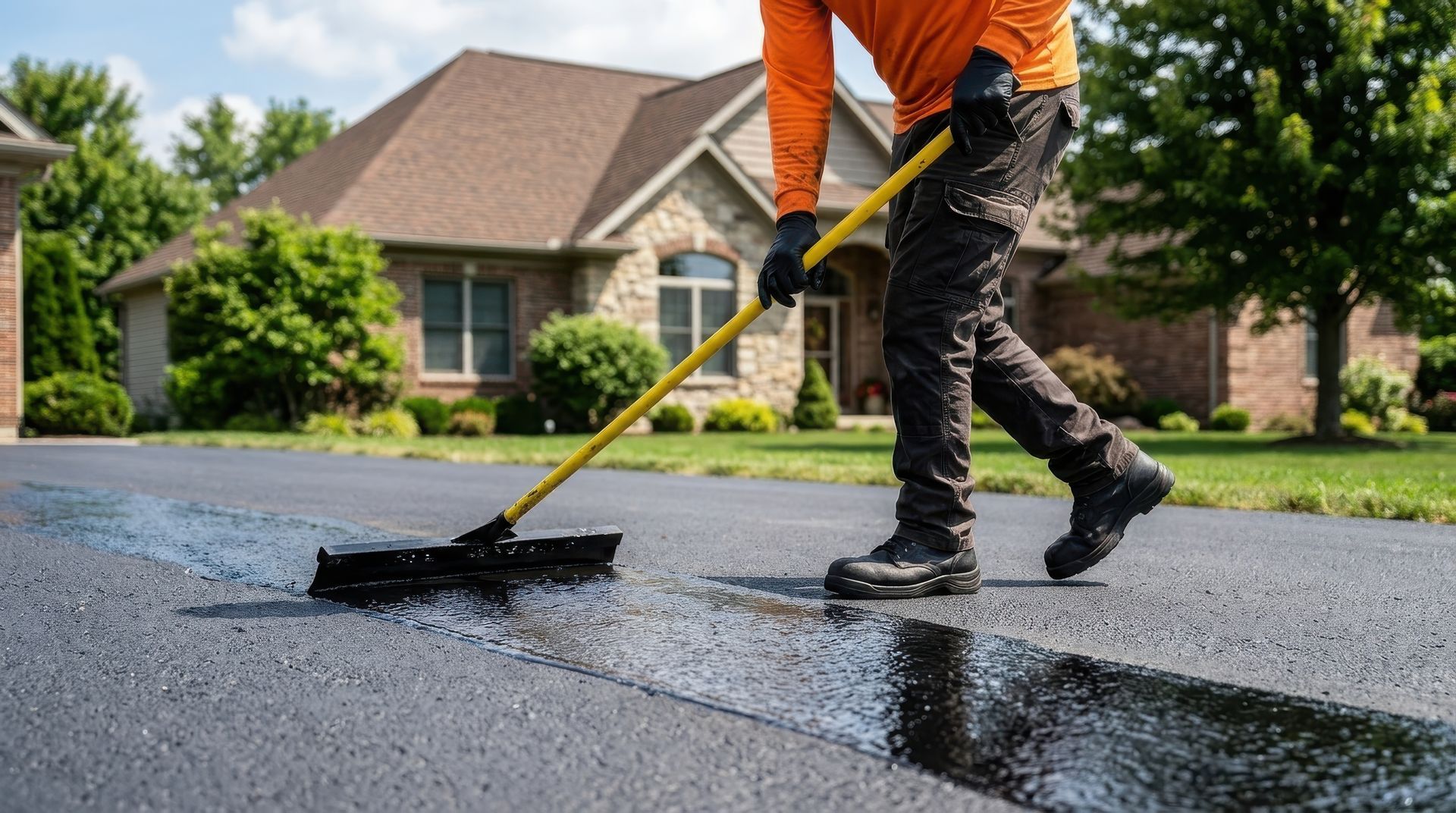
Commercial sealcoating applies a protective layer over asphalt to help shield the pavement from environmental exposure.
NextGen Great Sealcoating uses EcoAmigo asphalt sealer, which is designed to help protect asphalt against water, UV exposure, oil, gas, road salt, freeze-thaw conditions, and everyday wear.
Sealcoating can also restore the darker appearance of faded asphalt, helping a commercial property look cleaner and better maintained.
But pavement condition matters.
Sealcoating is intended to preserve asphalt, not rebuild failed pavement.
Potholes, severe alligator cracking, major depressions, and structural failures may require repair before sealcoating is appropriate.
Professional commercial parking lot sealcoating can help property managers determine whether preventative maintenance is suitable for the existing pavement.
5. Do Not Wait Until the First Freeze to Schedule Maintenance
One of the biggest mistakes property managers can make is waiting until winter is already arriving to think about pavement maintenance.
Sealcoating and other asphalt treatments require suitable weather conditions. Temperature, pavement moisture, precipitation, curing time, and the specific products being used all affect scheduling.
As fall progresses, suitable application windows can become more limited.
That does not mean maintenance should be rushed under poor conditions simply to finish before winter.
Instead, commercial property managers should evaluate pavement early enough to leave room for scheduling, preparation, weather delays, and curing.
For businesses concerned about access during maintenance, parking lot preservation scheduling can help reduce operational disruption by coordinating work around property needs.
6. Inspect Your Parking Lot Striping and Pavement Markings
Fall pavement preparation should include more than the asphalt itself.
Look at the markings that organize vehicles and pedestrians throughout the property.
These may include:
- Parking stall lines
- Directional arrows
- Crosswalks
- Fire lanes
- Accessible parking markings
- Loading areas
- No-parking zones
- Curb markings
- Traffic flow indicators
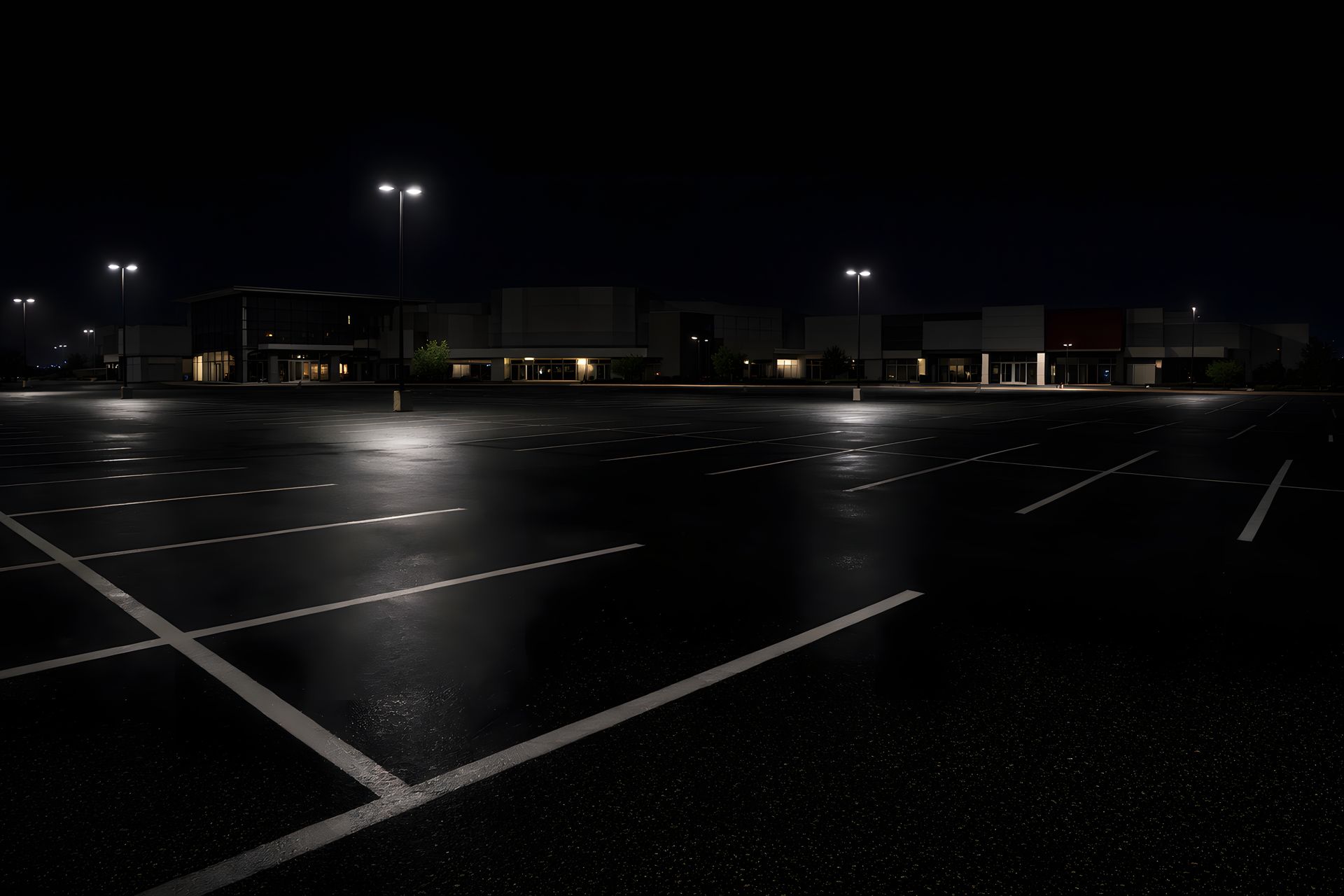
Faded markings can make a parking lot look neglected and make the intended layout harder for drivers and pedestrians to understand.
This becomes especially relevant during winter, when snow, slush, road salt, darkness, and wet pavement can further reduce visibility.
NextGen provides professional line striping and pavement marking services for commercial properties using Franklin Traffic Paints.
If your parking lot is being sealcoated, new striping will also be necessary because the fresh coating covers existing pavement markings.
7. Pay Attention to High-Traffic Areas
Not every part of a commercial parking lot experiences the same amount of wear.
Entrances, exits, drive lanes, loading zones, dumpster areas, and spaces near popular storefronts or building entrances often receive heavier vehicle activity than the outer sections of a lot.
During your fall inspection, spend additional time in these areas.
Look for:
- Accelerated surface wear
- Cracking
- Depressions
- Loose material
- Oil or fluid staining
- Damaged pavement near turning areas
- Worn markings
Heavy-use areas may require attention sooner than portions of the parking lot with limited traffic.
For larger commercial properties, keeping records of these areas can make future maintenance planning more efficient.
8. Clean Leaves and Debris From the Pavement
Fall leaves may seem unrelated to asphalt maintenance, but debris can interfere with drainage and conceal pavement problems.
Leaves and other materials can accumulate near curbs, drains, pavement edges, and low spots. Keeping these areas clear makes it easier for water to move through the property's intended drainage system.
Cleaning also gives property managers a better view of the asphalt.
A crack, pothole, or deteriorated edge is easier to identify when it is not covered by leaves or debris.
Professional sealcoating also requires thorough surface preparation. NextGen's commercial process includes cleaning pavement using methods such as wire brushing, power brooming, or power blowing, along with cleaning cracks and joints as necessary.
Proper preparation helps create suitable conditions for the treatments that follow.
9. Plan for Snow and Ice Management
Your pavement maintenance plan and winter operations plan should work together.
Before the first storm, property managers should understand how snow will be removed, where it will be placed, and which parts of the property need to remain accessible.
PennDOT's winter operations illustrate how significant snow and ice management becomes once winter weather begins, including plowing and the use of deicing and anti-skid materials.
A commercial property has different needs from a state highway, but advance planning is still valuable.
Consider:
- Where plowed snow will be stored
- How entrances and exits will remain accessible
- Which pedestrian routes need priority
- Where drainage structures are located
- Whether snow piles could block visibility
- How deicing materials will be managed
- Where pavement edges, curbs, islands, and other obstacles are located
Communicating pavement conditions and site features to your snow-removal provider can also help them understand the property before it is covered by snow.
10. Document Existing Pavement Damage
Before snow-removal operations begin, document the current condition of your parking lot.
Take photos of existing:
- Cracks
- Potholes
- Curbs
- Drainage structures
- Pavement edges
- Islands
- Wheel stops
- Markings
- Previously repaired areas
This provides a useful maintenance record and makes it easier to determine whether conditions changed during winter.
For larger commercial properties, annual pavement documentation can become part of a broader parking lot maintenance plan.
Instead of reacting to problems individually, property managers can track recurring areas of concern and plan preventative work more strategically.
What Parking Lot Maintenance Should Be Prioritized Before Winter?
Not every property will need every service before winter.
Priorities should be based on pavement condition, weather, drainage, traffic, and the severity of existing problems.
A practical order of evaluation is:
- Drainage and standing water — Identify areas where water collects or cannot drain properly.
- Potholes and significant pavement damage — Evaluate problems that go beyond preventative surface maintenance.
- Structural cracks — Address appropriate openings that can allow water into the pavement.
- Sealcoating — Determine whether serviceable asphalt would benefit from a protective coating.
- Pavement markings — Refresh faded lines and markings where appropriate.
- Winter operations planning — Coordinate snow removal, drainage, traffic flow, and pedestrian access before storms begin.
The goal is not simply to make the parking lot look better before winter.
It is to enter the season with a better understanding of the pavement and fewer preventable maintenance concerns.
Does Sealcoating Protect a Parking Lot During Winter?
Sealcoating can help protect serviceable asphalt from environmental exposure, including water, road salt, UV rays, oil, gas, and freeze-thaw conditions.
However, it is only one component of a commercial pavement maintenance strategy.
Sealcoating cannot correct poor drainage, rebuild potholes, eliminate structural pavement failure, or prevent every type of winter damage.
For the best results, it should be combined with appropriate pavement preparation, crack treatment, ongoing inspections, and repairs when necessary.
NextGen's commercial parking lot sealcoating services include pavement cleaning, crack treatment where appropriate, protective sealcoating, and professional line striping.
How Can Property Managers Reduce Disruption During Fall Maintenance?
Commercial properties often postpone maintenance because closing portions of a parking lot can affect customers, employees, tenants, and deliveries.
Planning ahead can make the process more manageable.
Depending on the property and project, work may be divided into sections so portions of the parking area remain available while another area is being serviced.
Property managers can also prepare by:
- Informing tenants or employees in advance
- Moving vehicles before work begins
- Coordinating deliveries
- Creating temporary traffic routes
- Clearly barricading work areas
- Scheduling around lower-traffic periods when practical
- Allowing adequate curing time before reopening treated pavement
Discussing operational needs during the planning stage helps the contractor develop an approach suited to the property.
Build Fall Parking Lot Maintenance Into Your Long-Term Plan
Preparing for winter should not be a one-time reaction.
A commercial parking lot benefits from regular inspections and preventative maintenance throughout its service life.
NextGen's existing guidance on why every commercial property needs a parking lot maintenance plan explains how routine pavement monitoring can help property managers identify problems earlier and plan maintenance more strategically.
Fall simply provides a useful checkpoint.
Before colder weather arrives, inspect the asphalt, identify cracks, evaluate drainage, review pavement markings, and determine whether preventative treatments are appropriate.
Then repeat the process as part of an ongoing maintenance program.
Prepare Your Commercial Parking Lot Before Winter Arrives
A little preparation in fall can make it easier to manage your commercial pavement through the colder months.
Start by inspecting the entire parking lot. Address appropriate cracks, pay close attention to drainage and standing water, evaluate the condition of the asphalt, check pavement markings, and coordinate winter operations before snow and ice arrive.
When the pavement is still in suitable condition, professional sealcoating can provide an additional protective barrier against water, road salt, UV exposure, oil, gas, and seasonal weather.
NextGen Great Sealcoating provides professional commercial asphalt maintenance, sealcoating, crack treatment, and line striping services. Commercial services are available throughout New Jersey and select areas of Pennsylvania and New York, with other regions considered upon request.
Explore our commercial parking lot services, review our service areas, or contact NextGen Great Sealcoating for a free quote to discuss your property's pavement maintenance needs.
How should you prepare a commercial parking lot for winter?
Inspect the pavement for cracks and damage, check drainage and standing water, address appropriate maintenance before cold weather, inspect pavement markings, clear debris, and coordinate a snow and ice management plan before winter storms arrive.
Should parking lot cracks be sealed before winter?
Appropriate structural cracks should be evaluated and treated when conditions allow. Open cracks can provide pathways for water to enter pavement, making them an important part of a pre-winter asphalt inspection.
Is fall a good time to sealcoat a commercial parking lot?
Fall may provide suitable sealcoating conditions, but temperature, pavement moisture, precipitation, curing requirements, and product specifications determine whether application is appropriate. Property managers should schedule evaluations early rather than waiting until consistently cold weather arrives.
Can sealcoating fix potholes in a parking lot?
No. Sealcoating is a preventative surface treatment and does not rebuild potholes or failed pavement. Significant damage should be evaluated for the appropriate repair before sealcoating.
Why should parking lot drainage be checked before winter?
Poor drainage can allow water to collect on pavement. Standing water can contribute to pavement deterioration and may create icing concerns when temperatures fall below freezing.
Should parking lot lines be refreshed before winter?
Worn markings should be evaluated before winter, particularly when they are becoming difficult to see. Clear parking stalls, traffic arrows, crosswalks, and other markings help organize vehicle and pedestrian movement. Restriping is also necessary after sealcoating covers existing markings.
How can businesses keep a parking lot open during asphalt maintenance?
Depending on the property and scope of work, maintenance may be completed in planned sections or scheduled around lower-traffic periods. Advance communication, barricades, temporary traffic routes, and adequate curing time can help minimize disruption.