How Water Gets Into Asphalt Cracks, and Why It Matters Before Winter
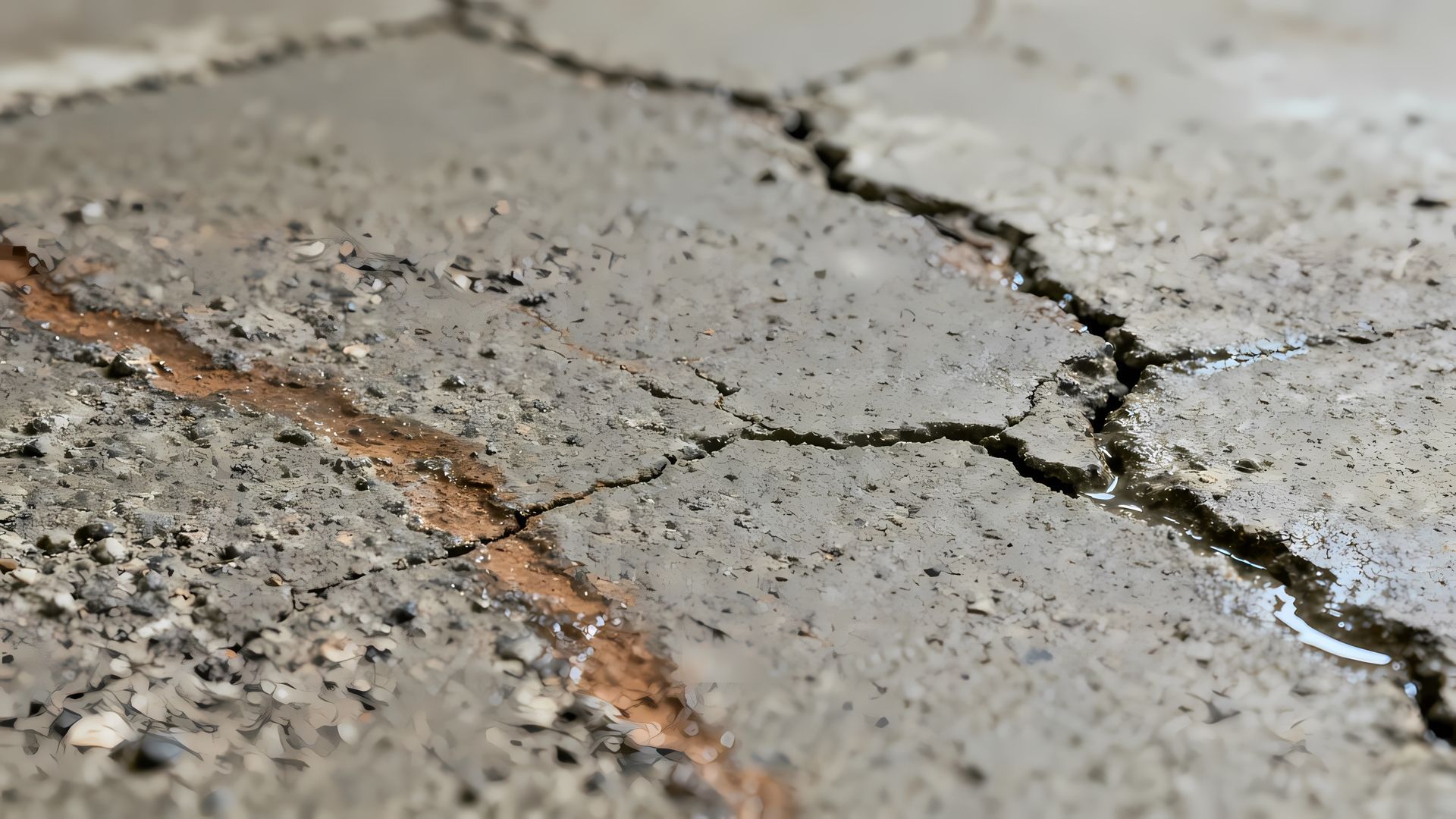
Water can enter an asphalt driveway through cracks, deteriorated areas, and pavement edges, allowing moisture to reach the layers beneath the surface. As temperatures fall, that moisture can contribute to additional pavement deterioration, making existing cracks and drainage problems especially important to address before winter.
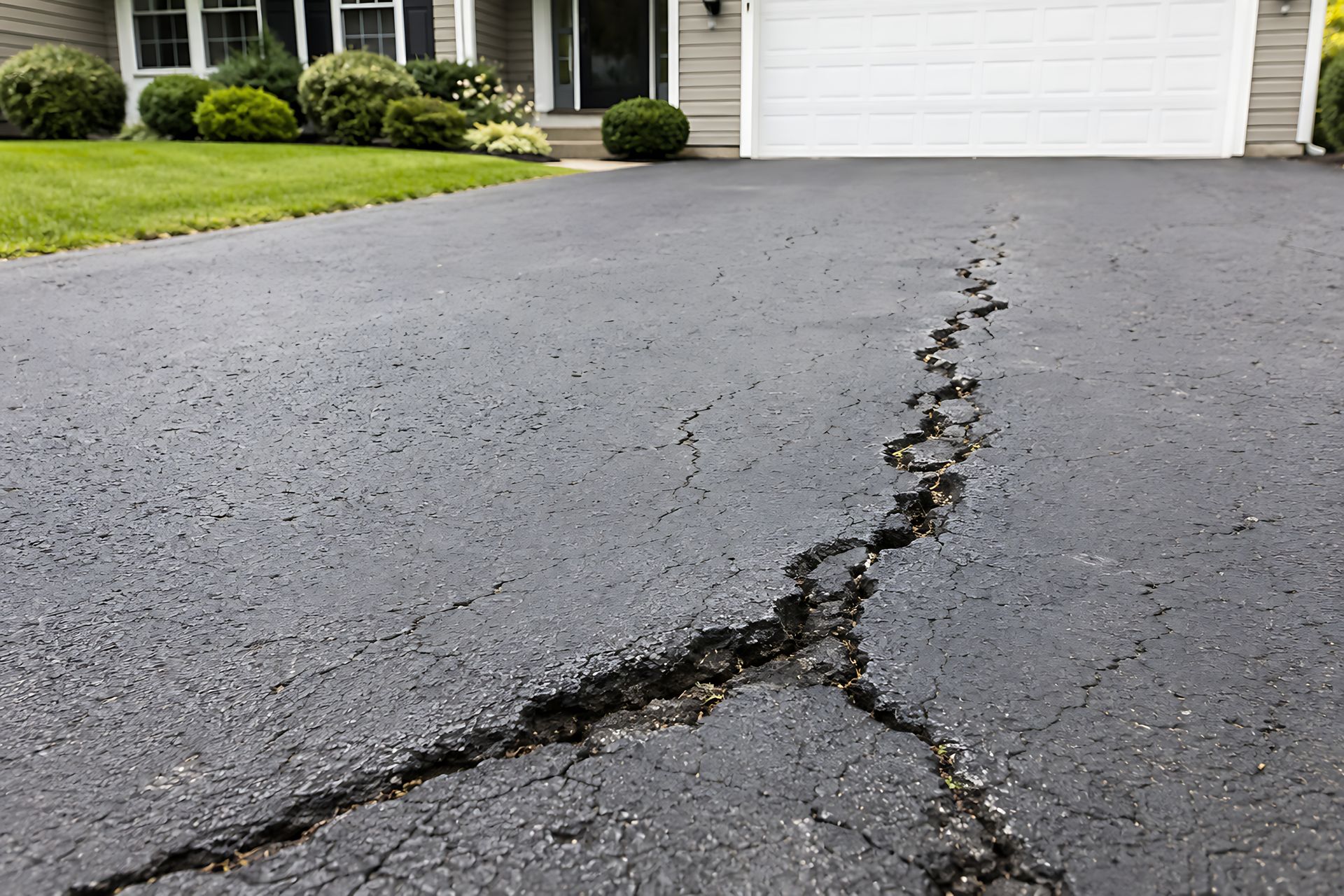
A small driveway crack may not look like an urgent problem. But once asphalt develops an opening, rain and melting snow have another pathway into the pavement system.
Over time, repeated moisture exposure, freezing temperatures, traffic, and normal pavement movement can turn manageable asphalt problems into more significant deterioration.
Understanding how water affects asphalt can help homeowners recognize why crack treatment and preventative maintenance are important before another winter arrives.
Why Is Water a Problem for Asphalt?
Asphalt is designed to withstand outdoor conditions, but pavement does not remain unchanged forever.
As a driveway ages, exposure to sunlight, precipitation, vehicles, temperature changes, and other environmental factors can gradually affect the surface. Cracks and deteriorated areas can then provide pathways for water to enter the pavement structure.
The Federal Highway Administration's pavement guidance explains that surface cracks, pavement edges, and other defects can provide access paths for water. As pavement continues to age and cracks become wider or more numerous, more moisture may be able to enter the pavement structure.
Once moisture reaches the materials beneath the asphalt, it can contribute to conditions that weaken pavement performance.
That is one reason preventative asphalt maintenance focuses not only on how a driveway looks but also on limiting opportunities for water to penetrate the pavement.
What Happens When Water Gets Into Asphalt Cracks?
Water entering a crack does not necessarily cause immediate pavement failure.
Instead, it can contribute to a gradual process of deterioration.
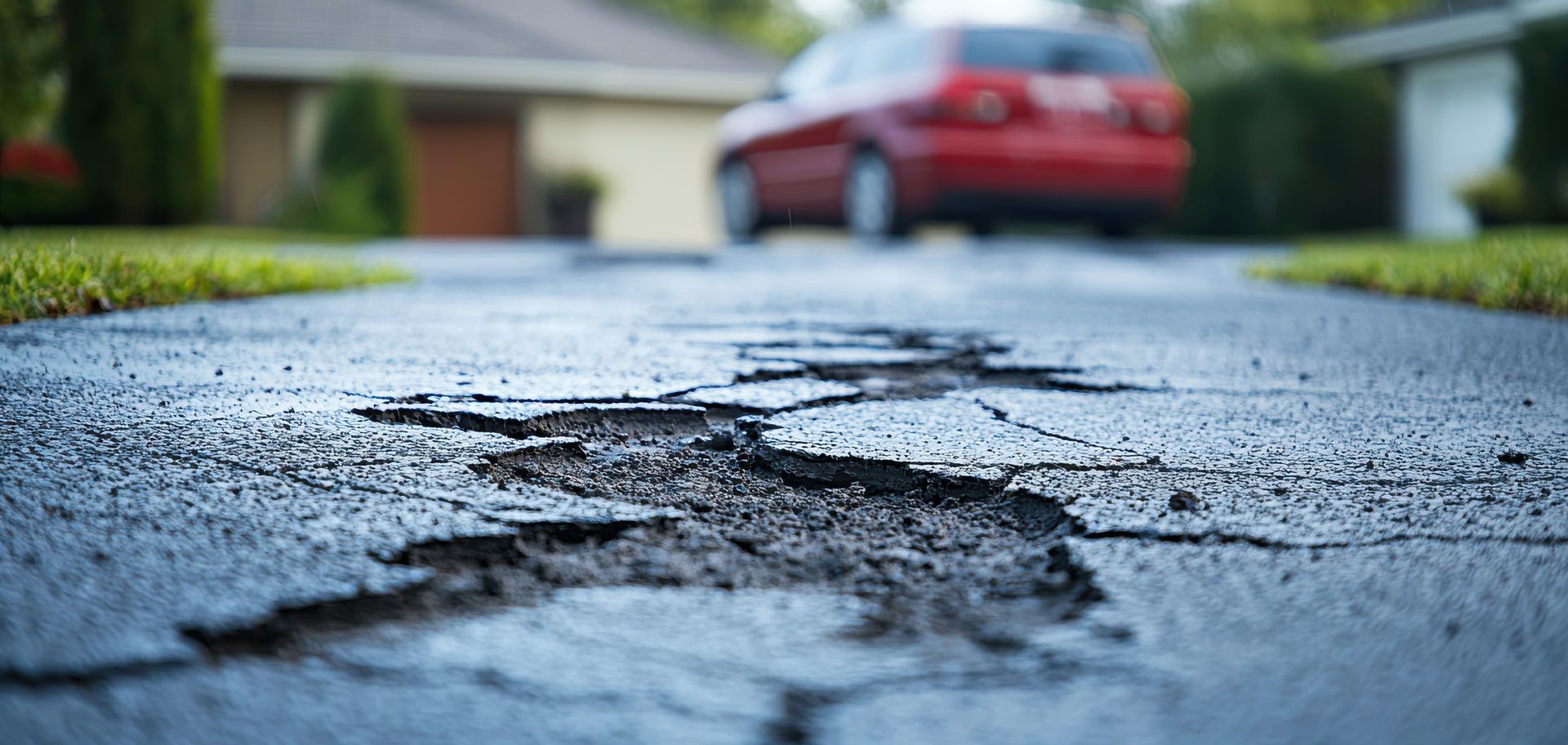
Once a crack creates an opening in the surface, moisture may travel farther into the pavement and reach the materials underneath. Excessive moisture can affect the stability of pavement layers and the soil supporting them.
As deterioration continues, homeowners may eventually notice:
- Cracks becoming wider or more noticeable
- New cracks developing near existing damage
- Loose or deteriorating asphalt
- Depressed or uneven areas
- Edge deterioration
- Potholes or broken pavement
- Areas where water repeatedly collects
The exact progression depends on the age of the driveway, drainage, construction, traffic, weather, and the condition of the underlying pavement structure.
However, ignoring cracks gives moisture more time to find its way into vulnerable areas.
Why Does Water in Asphalt Cracks Matter Before Winter?
Water intrusion becomes particularly concerning as temperatures begin fluctuating around freezing.
PennDOT explains that potholes can develop during winter as precipitation reaches areas beneath pavement and temperatures move between mild and freezing conditions. Water freezes and expands, and subsequent thawing can contribute to gaps and deterioration beneath the pavement.
This is why a crack that appears relatively minor during warmer weather may deserve more attention before winter.
Cold-weather pavement damage is not caused by one factor alone, and a residential driveway is different from a highway. However, the underlying principle is important for homeowners:
Cracks give water an easier route into pavement, and winter conditions can make existing moisture-related problems more difficult to ignore.
Addressing appropriate cracks before winter can help reduce one of the pathways water uses to enter the pavement.
Does Water Make Asphalt Cracks Bigger?
It can contribute to continued deterioration, although water is not necessarily the original cause of every crack.
Driveway cracks can develop for many reasons, including pavement age, ground movement, temperature changes, heavy loads, construction conditions, and deterioration of the asphalt itself.
Once a crack exists, however, water has an opening.
The Federal Highway Administration notes that cracks in asphalt pavement provide pathways for water to infiltrate the pavement structure. FHWA research into asphalt crack treatments has also examined crack sealing and filling specifically as methods used to prevent or substantially reduce water infiltration.
That means homeowners should think of a crack as more than a cosmetic line on the driveway.
It is also a potential entry point.
Should You Fill Asphalt Cracks Before Winter?
Appropriate structural cracks should be treated rather than simply ignored until spring.
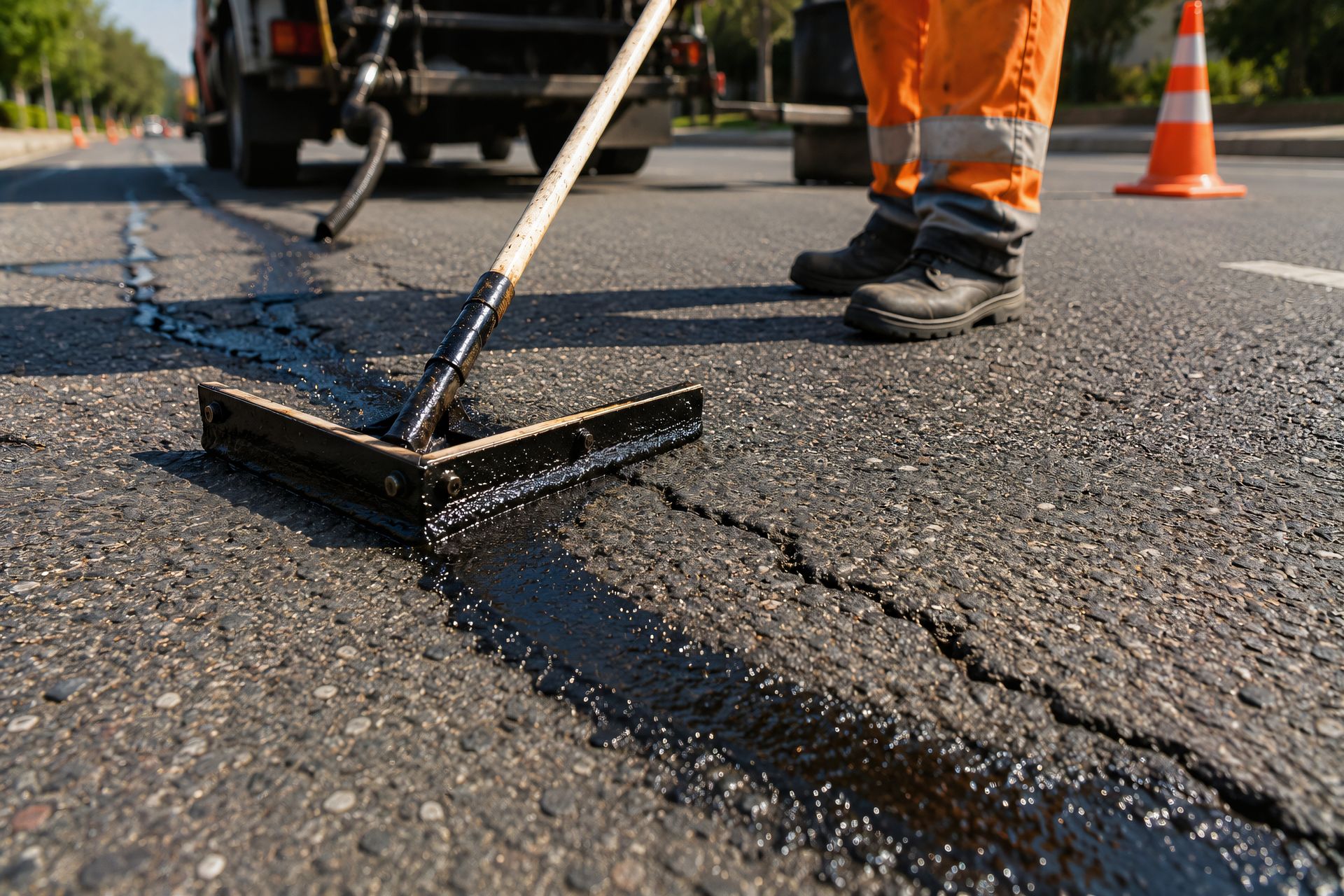
At NextGen Great Sealcoating, crack treatment is part of the preparation process when appropriate. Cracks are cleaned first, and structural cracks measuring 3/8 inch or larger are treated with an approved rubberized crack sealant before sealcoating unless otherwise specified.
NextGen uses hot rubberized material for structural crack treatment. After the material is placed, a fine sand-like material is applied to help prevent tracking.
The goal is to help seal the opening and reduce water penetration while allowing the crack treatment to remain flexible as the pavement experiences seasonal movement.
However, crack treatment has limitations.
Ground movement, weather, heavy equipment, and other stresses can cause cracks to reopen or migrate over time. NextGen therefore recommends annual inspections and touch-ups as required between full sealcoating services.
For homeowners, this means crack treatment should be viewed as preventative pavement maintenance, not a promise that the asphalt will never crack again.
What Is the Difference Between Structural and Surface Cracks?
Not every crack in a driveway receives the same treatment.
NextGen distinguishes between larger structural cracks and smaller surface cracking.
Structural Cracks
Structural cracks are larger openings that may require dedicated crack treatment. NextGen treats appropriate structural cracks with hot rubberized material before sealcoating.
These cracks are cleaned before treatment so the material can properly reach the area being addressed.
Surface Cracks
Surface cracks are smaller fissures in the asphalt surface.
According to NextGen's driveway guidance, conventional crack sealers are not necessarily appropriate for these small surface cracks. Sealcoating can help seal these areas against water penetration, but it does not physically fill them in the same way a structural crack treatment does.
That distinction is important because homeowners sometimes expect every visible crack to disappear after sealcoating.
It may not.
Sealcoating is intended to protect and preserve asphalt, not make existing pavement defects disappear.
Can Sealcoating Fix Driveway Cracks?
Sealcoating and crack treatment perform different jobs.
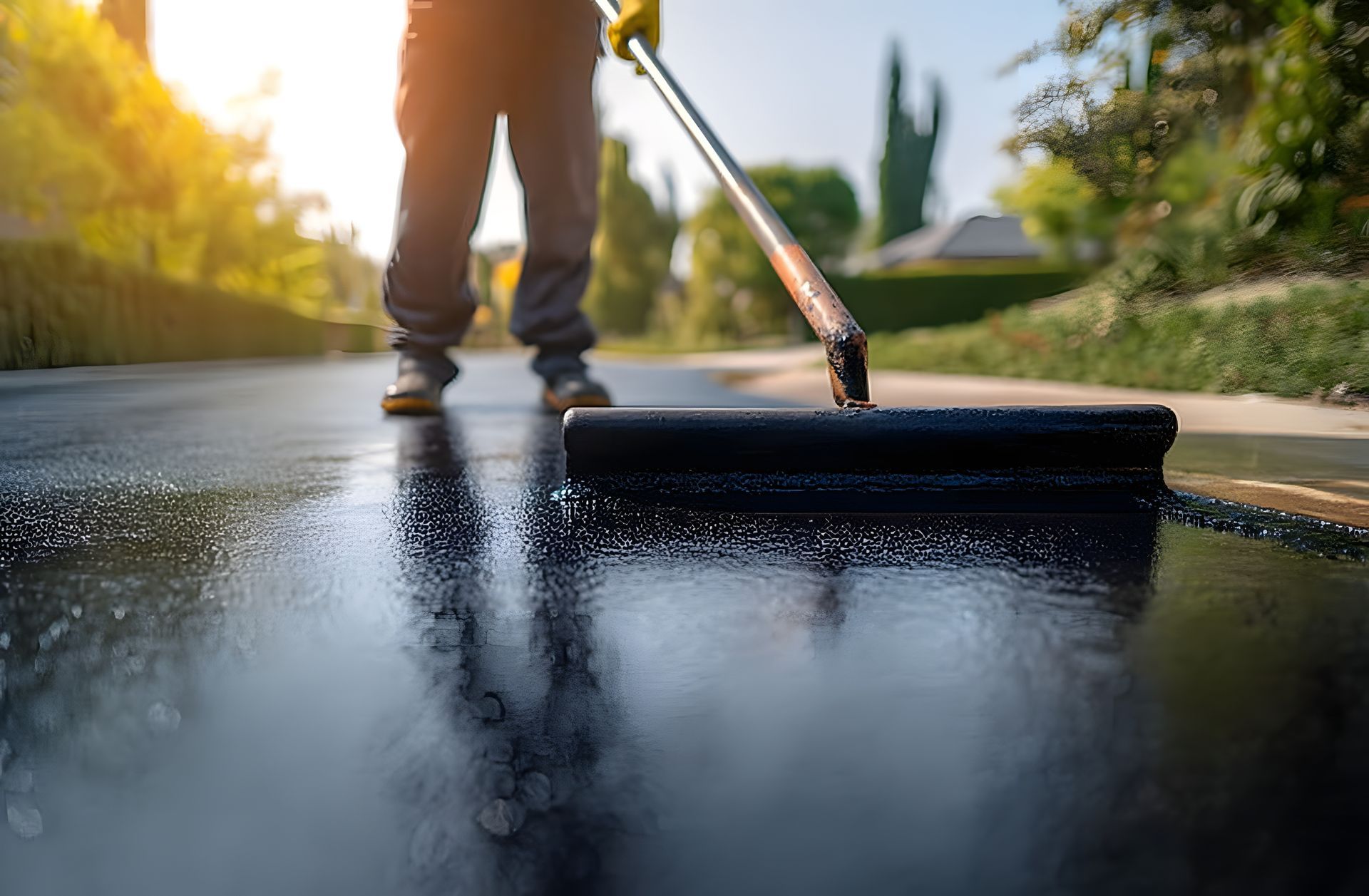
Crack treatment addresses appropriate openings in the pavement. Sealcoating applies a protective coating across the broader asphalt surface.
NextGen's EcoAmigo asphalt sealer is designed to protect pavement against environmental factors including water, UV exposure, oil, gas, road salt, and freeze-thaw conditions. It also restores the darker appearance associated with maintained asphalt.
But applying sealcoat over a significantly damaged driveway will not rebuild the pavement underneath.
Sealcoating cannot correct:
- Potholes
- Significant low spots
- Severe structural deterioration
- Failed pavement
- Major base problems
- Extensive alligator cracking
- Areas that require patching or repaving
If you are uncertain whether your asphalt is still a good candidate for preventative maintenance, review 7 signs your driveway may be too damaged for sealcoating before scheduling service.
How Do Crack Treatment and Sealcoating Work Together?
For an appropriate driveway, crack treatment and sealcoating can be complementary parts of the same maintenance process.
Think of them as addressing two different vulnerabilities.
Crack treatment focuses on specific openings where water can enter.
Sealcoating protects the broader asphalt surface from environmental exposure.
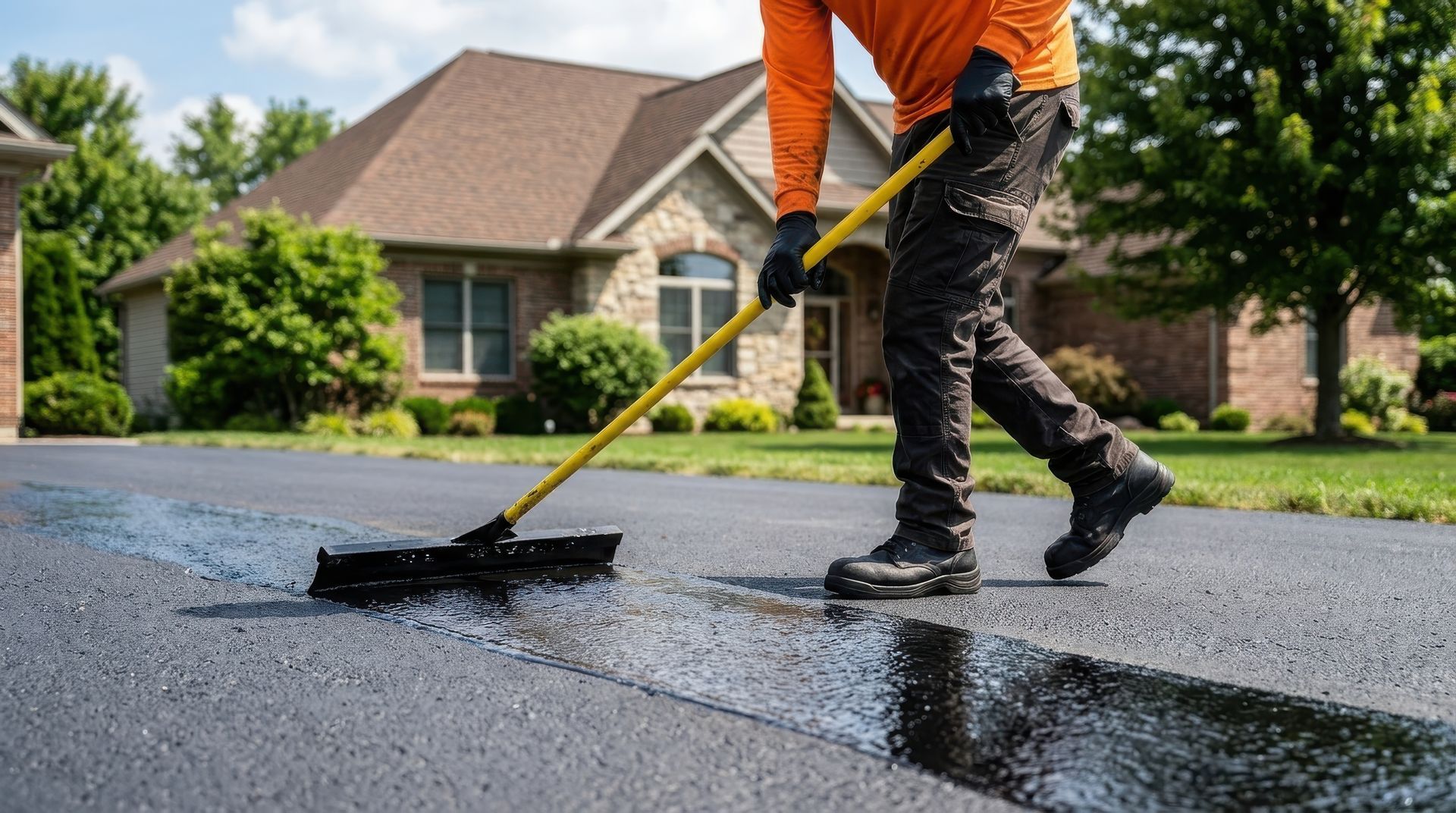
During NextGen's residential process, the driveway is thoroughly prepared before the final sealer is applied. This includes cleaning the pavement, treating oil spots when necessary, cleaning cracks and joints, and addressing appropriate structural cracks.
Once the preparation is complete, the EcoAmigo sealer is applied across the asphalt surface.
This process is one reason professional sealcoating involves more than simply spreading a black coating over a driveway.
Learn more about the complete process in what to expect when your driveway is professionally sealcoated.
What About Water That Pools on the Driveway?
Standing water can indicate a different problem.
If your driveway has a low spot where water consistently collects, sealcoating will not change the shape or grade of the pavement.
NextGen's guidance specifically notes that sealers are designed to protect, preserve, and improve the appearance of asphalt. They are not designed to correct low spots or smooth out existing pavement defects.
A low area, sometimes called a "bird bath," may require patching, repaving, or another corrective solution depending on the cause and severity.
This is an important distinction because water problems are not always caused by cracks.
Sometimes the issue is drainage or the physical shape of the pavement itself.
What Driveway Problems Should You Check Before Winter?
Early fall is a good time to visually inspect your driveway and identify areas that may need attention before colder conditions arrive.
Walk the pavement and look for:
- Open structural cracks
- Areas where cracks have become wider
- Clusters of interconnected cracks
- Crumbling pavement edges
- Potholes
- Low spots that hold water
- Areas where previous crack treatment has reopened
- Faded or weathered asphalt
- Sections showing significant deterioration
Also pay attention after rainfall.
Watching where water travels and where it remains can help you identify drainage issues or damaged areas that may not be as obvious when the pavement is dry.
If you find substantial deterioration, do not assume sealcoating alone is the solution. A professional evaluation can help determine whether the pavement is suitable for crack treatment and sealcoating or whether another repair is needed.
Can You Just Wait Until Spring to Address Driveway Cracks?
Waiting may give existing cracks additional time to experience moisture, freezing temperatures, snow, ice, and normal winter stresses.
That does not mean every hairline mark requires immediate repair. Different types of cracking require different approaches.
However, known structural cracks should not be ignored simply because the driveway is still usable.
If weather conditions are appropriate and the pavement is a suitable candidate for preventative maintenance, addressing cracks before winter can help reduce water infiltration before months of freezing and thawing conditions.
If it is already too cold for the appropriate treatment or the pavement requires more extensive repairs, waiting for suitable conditions may be necessary.
The important step is to understand the condition of the driveway rather than covering damage without evaluating it.
How Can You Help Protect an Asphalt Driveway From Water Damage?
There is no way to prevent an outdoor asphalt surface from ever coming into contact with water.
Instead, the goal is to maintain the pavement so water has fewer opportunities to penetrate vulnerable areas and contribute to deterioration.
A practical maintenance approach includes:
- Inspect the driveway regularly. Watch for new cracks, reopening cracks, edge deterioration, and areas where water collects.
- Address appropriate structural cracks. Treating cracks can help reduce water infiltration into the pavement structure.
- Correct significant drainage or pavement defects. Sealcoating will not repair low spots, potholes, or failed pavement.
- Sealcoat on an appropriate maintenance schedule. NextGen generally recommends sealcoating residential driveways every two to three years, depending on pavement age, weather, traffic, and condition.
- Have deteriorated pavement evaluated. If damage has progressed beyond preventative maintenance, repairs may be needed before sealcoating makes sense.
For homeowners whose asphalt is still in serviceable condition, professional residential driveway sealcoating services can help protect the surface while addressing appropriate structural cracks during preparation.
Protect Your Driveway Before Water and Winter Take Their Toll
Water may seem harmless on an asphalt driveway, but cracks can give moisture a direct pathway into vulnerable areas of the pavement.
As winter approaches, those openings become increasingly important. Moisture, freezing temperatures, pavement movement, and existing deterioration can work together to make asphalt problems worse over time.
Treating appropriate structural cracks and maintaining the asphalt surface can help reduce water intrusion and slow deterioration.
NextGen Great Sealcoating provides professional driveway sealcoating and crack treatment throughout its service areas in Pennsylvania and New Jersey. Our team prepares the pavement, addresses appropriate structural cracks, and applies professional-grade sealer to help protect asphalt from water and environmental exposure.
Explore our sealcoating service areas to find service near you, or contact NextGen Great Sealcoating for a free quote.
What happens if water gets into cracks in an asphalt driveway?
Cracks can allow water to reach areas beneath the pavement surface. Excessive moisture within a pavement structure can contribute to deterioration, particularly when combined with aging, traffic, poor drainage, and seasonal temperature changes.
Can water make driveway cracks worse during winter?
Water entering pavement cracks can contribute to winter deterioration. When temperatures fluctuate around freezing, moisture beneath pavement can freeze and expand, while thawing can contribute to continued movement and deterioration.
Should asphalt cracks be treated before sealcoating?
Appropriate structural cracks should generally be addressed during pavement preparation rather than relying on sealcoat alone. NextGen cleans cracks and treats structural cracks measuring 3/8 inch or larger with rubberized crack sealant unless otherwise specified.
Does sealcoating fill all asphalt cracks?
No. Sealcoating protects and preserves the asphalt surface but is not a replacement for structural crack treatment. Smaller surface cracks may be sealed by the sealcoating process, but they cannot necessarily be filled or made invisible.
Will crack treatment permanently stop a driveway from cracking?
No. Crack treatment can help reduce water penetration and preserve the surrounding pavement, but weather, ground movement, heavy loads, and other stresses may cause cracks to reopen or migrate. Periodic inspection and maintenance may be necessary.
Can sealcoating fix areas where water pools?
No. Sealcoating does not change the grade or shape of an asphalt driveway. Low spots where water collects may require patching, repaving, drainage improvements, or another corrective treatment depending on the cause.