How Often Should You Reapply Sealcoating?
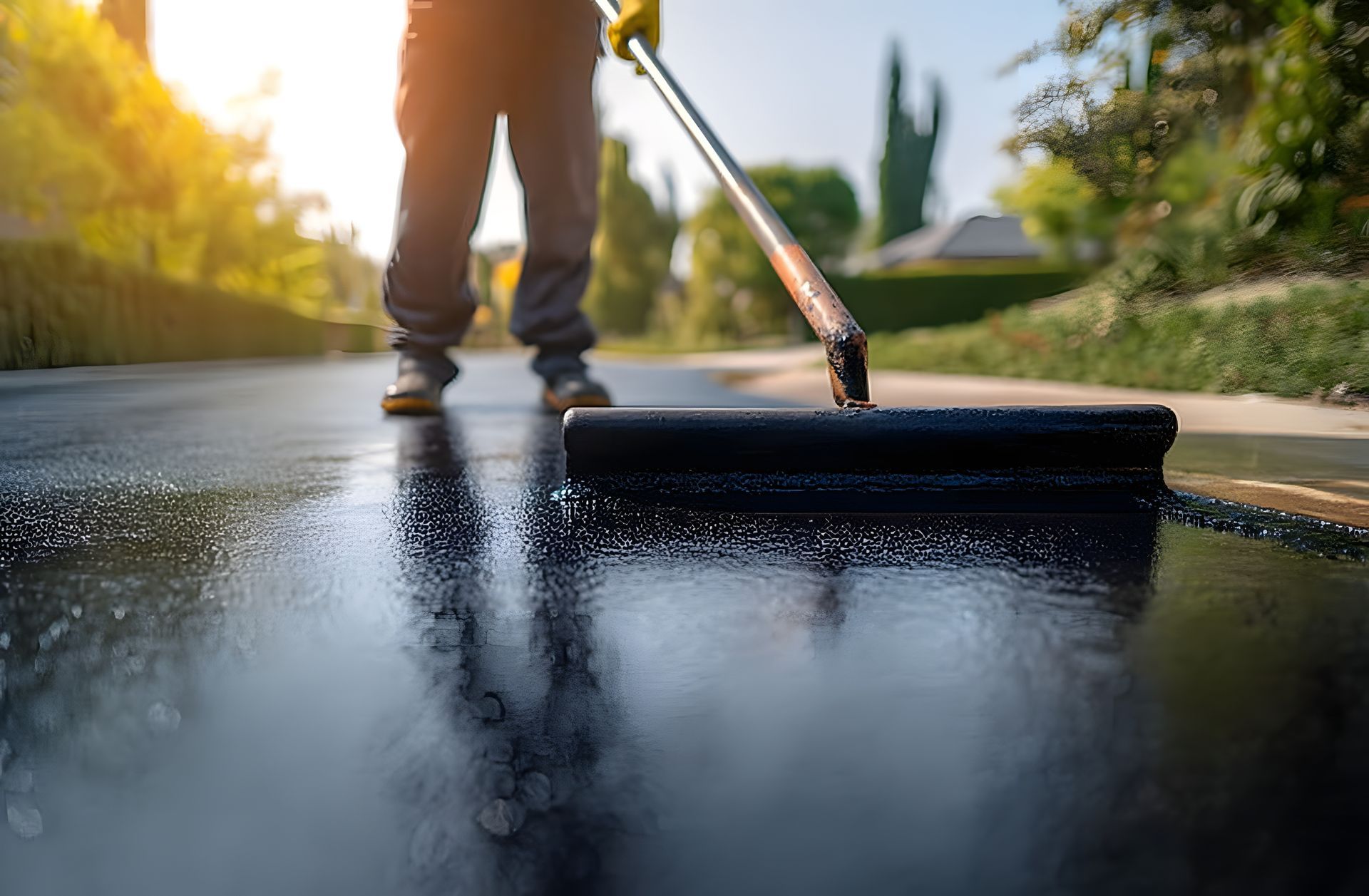
Maintaining asphalt surfaces is critical for extending the lifespan of driveways, parking lots, and commercial lots. One of the most effective maintenance strategies is sealcoating, which protects asphalt from water, UV damage, oil stains, and general wear. However, a common question we hear at NextGen Great Sealcoating is: How often should you reapply sealcoating? Understanding the timing and frequency of sealcoat applications can save money, enhance safety, and preserve your investment.
1. Standard Sealcoating Frequency
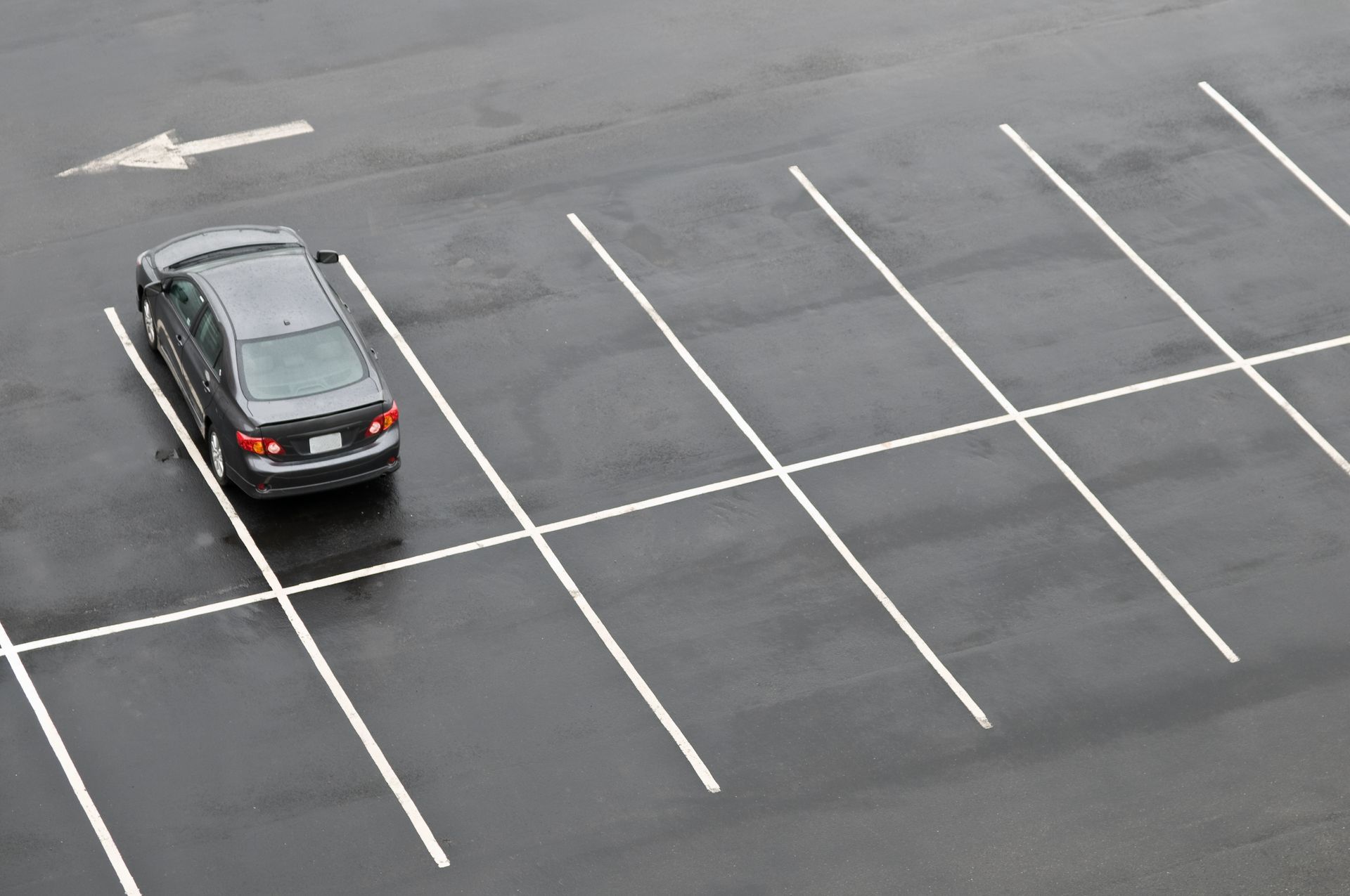
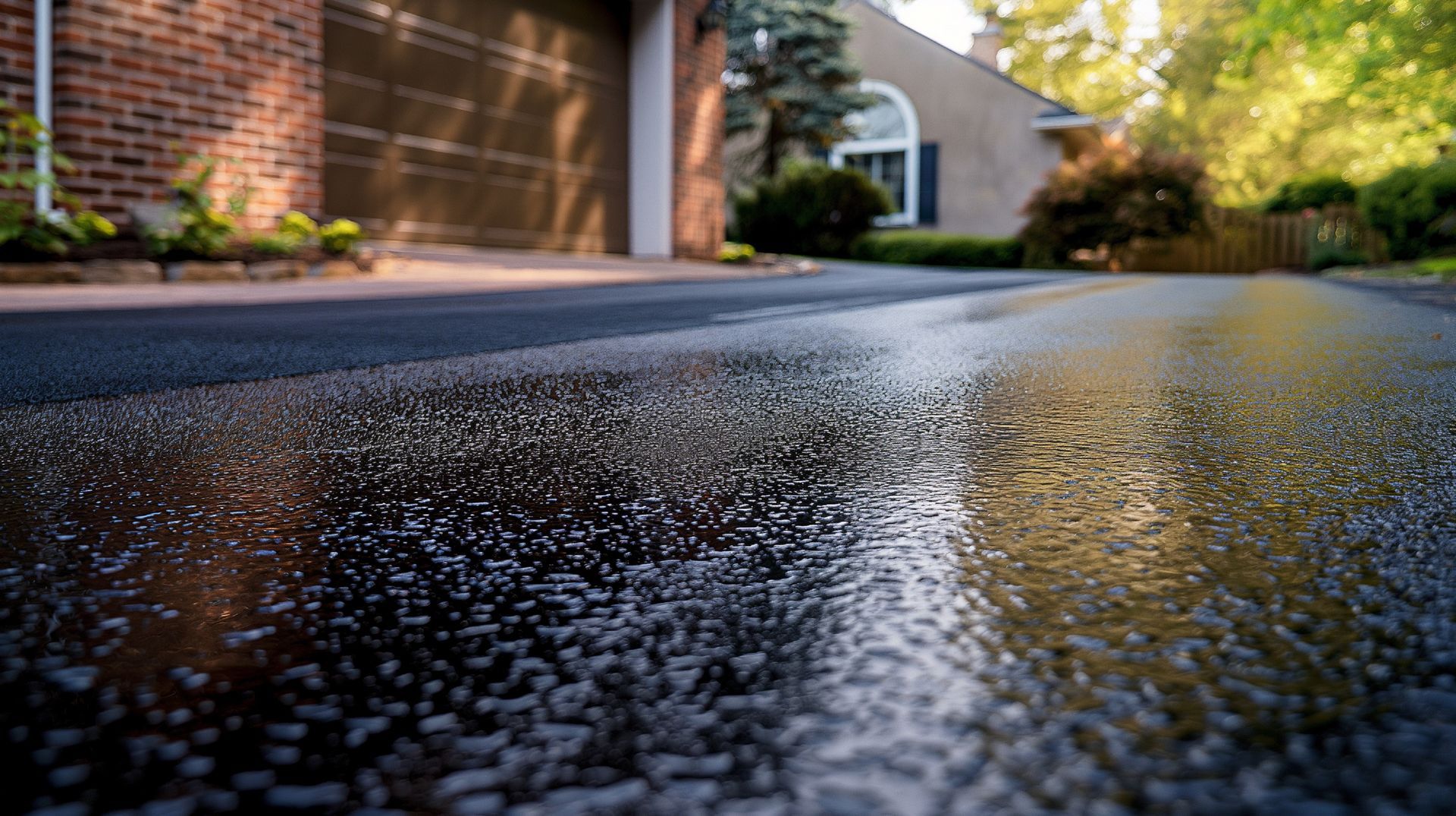
For most asphalt surfaces, reapplying sealcoating every 2–3 years is recommended. This interval balances cost and effectiveness, providing a strong protective layer without overapplying. Residential driveways may last slightly longer between applications due to lighter traffic, while commercial parking lots often require more frequent maintenance due to heavy vehicle use.
Key considerations:
- Lighter traffic areas may extend the reapplication window to 4 years
- Heavily trafficked lots may require yearly or biennial applications
- Frequent inspections can determine if early reapplication is needed
2. Asphalt Age and Condition
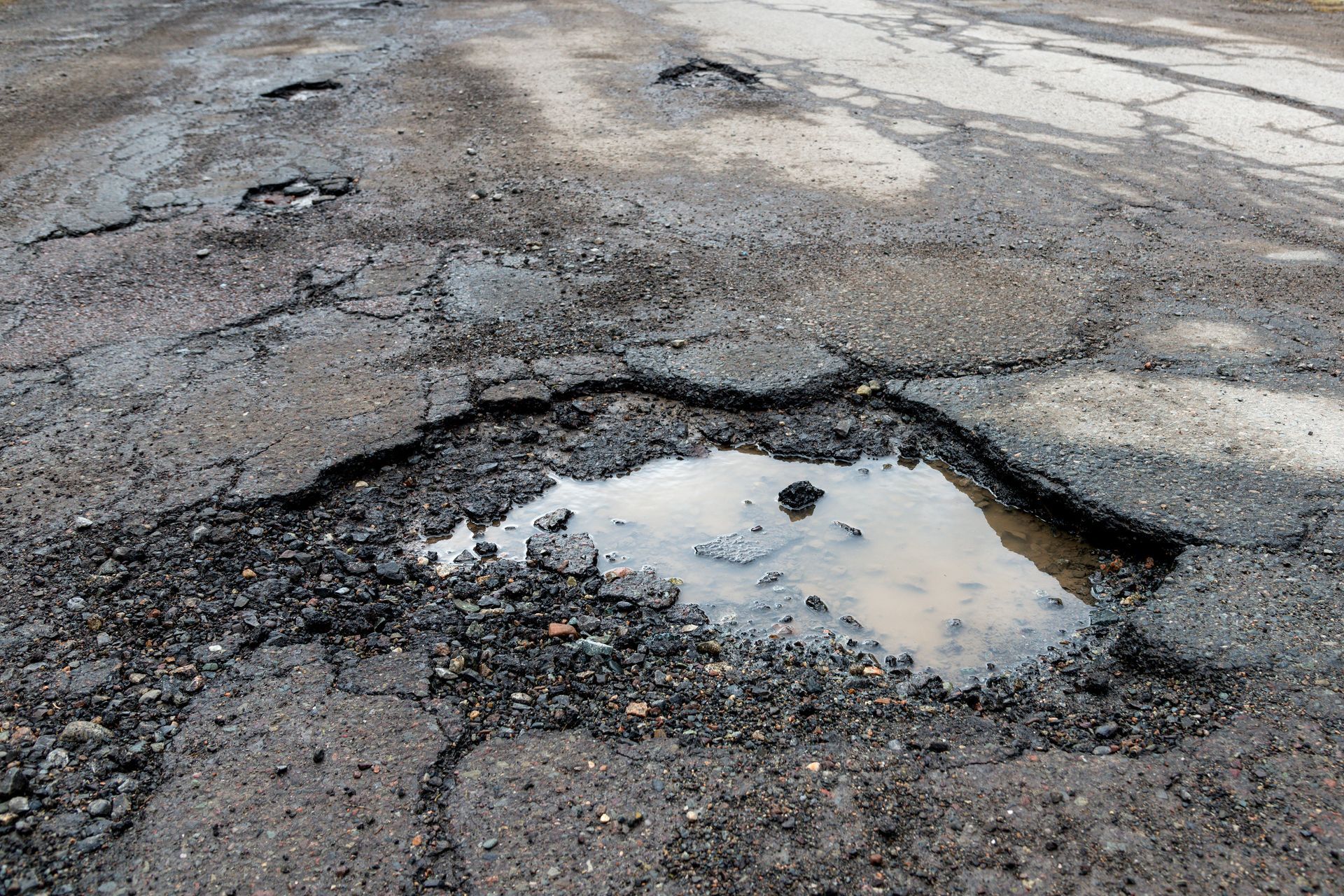
The age and condition of your asphalt play a major role in sealcoating frequency. Older asphalt or surfaces with cracks, potholes, or wear may require more frequent sealcoat application. Freshly paved surfaces typically need to cure for at least 6–12 months before the first sealcoating to ensure proper adhesion.
Inspection tips:
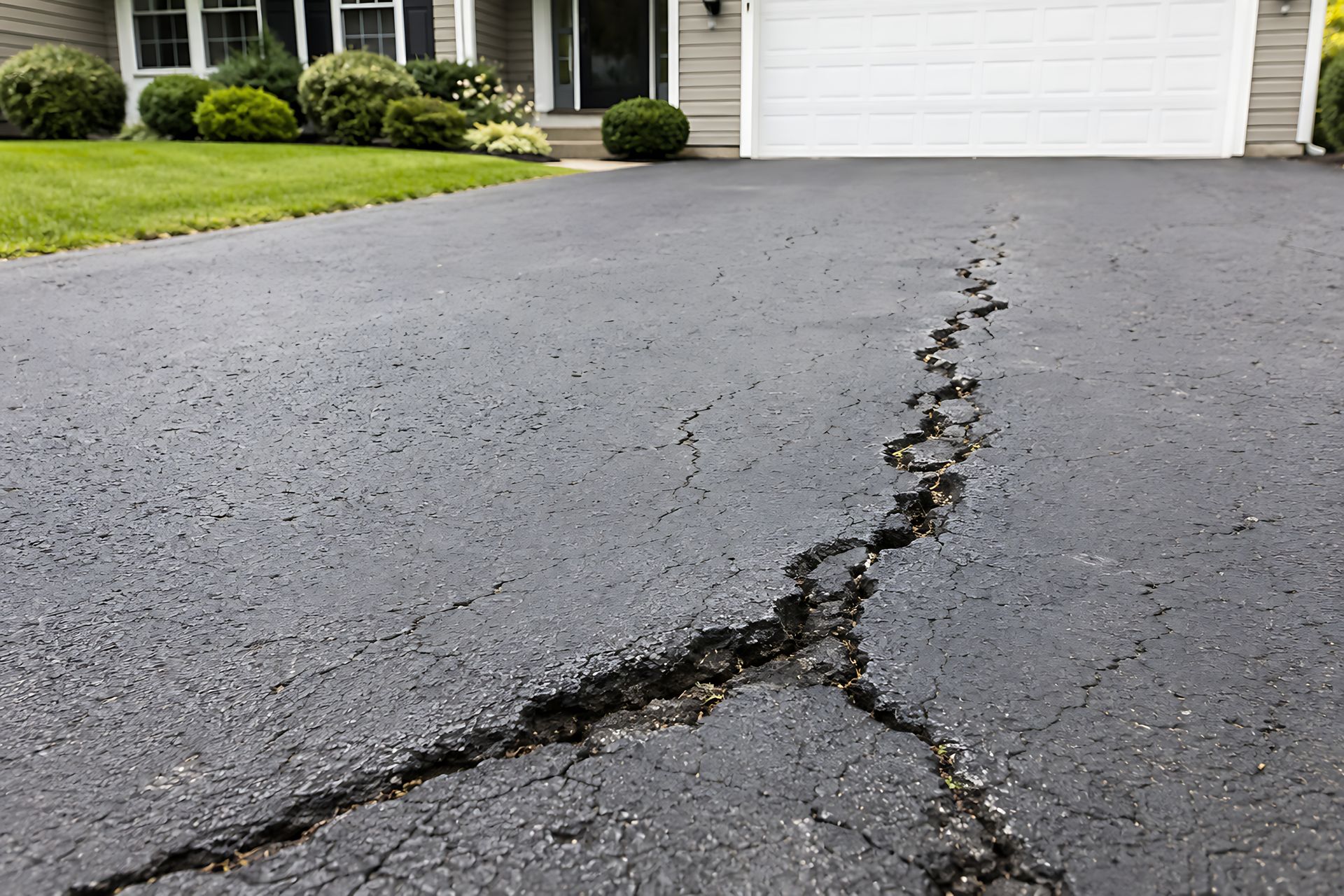
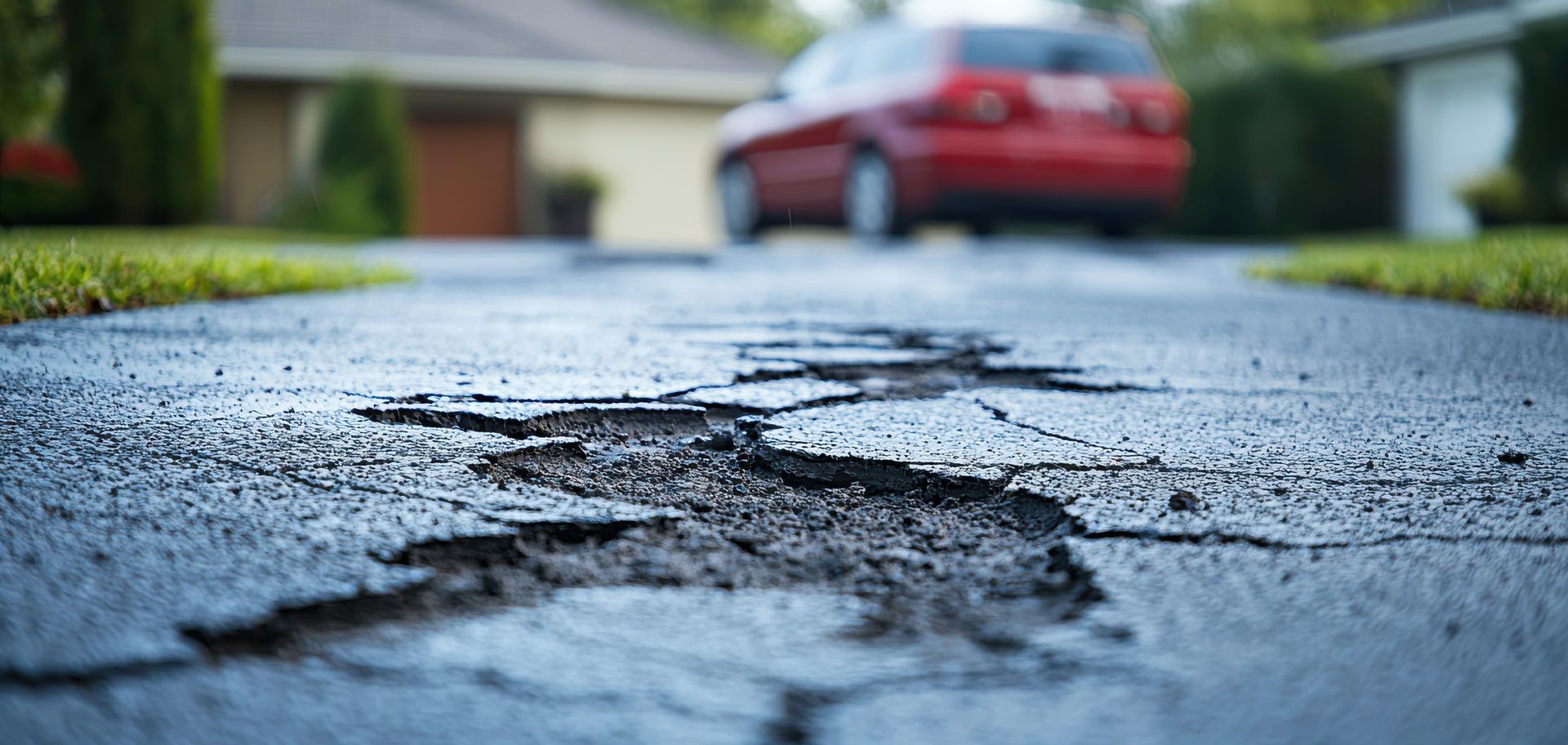
- Look for surface fading, cracking, or chipping
- Check for pooling water after rain, which may indicate sealant degradation
- Schedule maintenance sooner for high-traffic commercial lots
3. Climate and Environmental Factors
Weather conditions significantly affect how often sealcoating should be applied. In Pennsylvania, temperature fluctuations, rain, snow, and ice can impact asphalt durability. Surfaces exposed to intense sun, heavy rainfall, or snowplow activity may require more frequent sealcoat maintenance.
Environmental considerations:
- UV rays can cause asphalt to oxidize, fading its color and integrity
- Freeze-thaw cycles can lead to cracks, which sealcoating helps prevent
- Salt and chemical exposure from winter road maintenance may wear down sealant faster
4. Traffic and Usage
The amount of traffic your asphalt sees is a major factor in reapplication frequency. Driveways with minimal use may last longer between sealcoat applications, whereas commercial parking lots, drive-throughs, and industrial areas often require more regular maintenance.
Traffic tips:
- Monitor areas with heavy vehicle turning or braking for early wear
- Consider sealcoating annually for high-traffic commercial lots
- Combine sealcoating with regular crack filling and asphalt patching for optimal results
5. Signs It’s Time to Reapply Sealcoating
Even with standard schedules, it’s important to watch for visual cues that sealcoating is wearing off. NextGen Great Sealcoating recommends reapplication when you notice:
- Faded black color or gray patches on the surface
- Small cracks or surface erosion
- Areas where sealcoat has peeled or worn thin
Ignoring these signs can lead to costly asphalt repairs or full resurfacing. Regular maintenance ensures your surface remains safe, smooth, and visually appealing.
6. Professional Recommendations
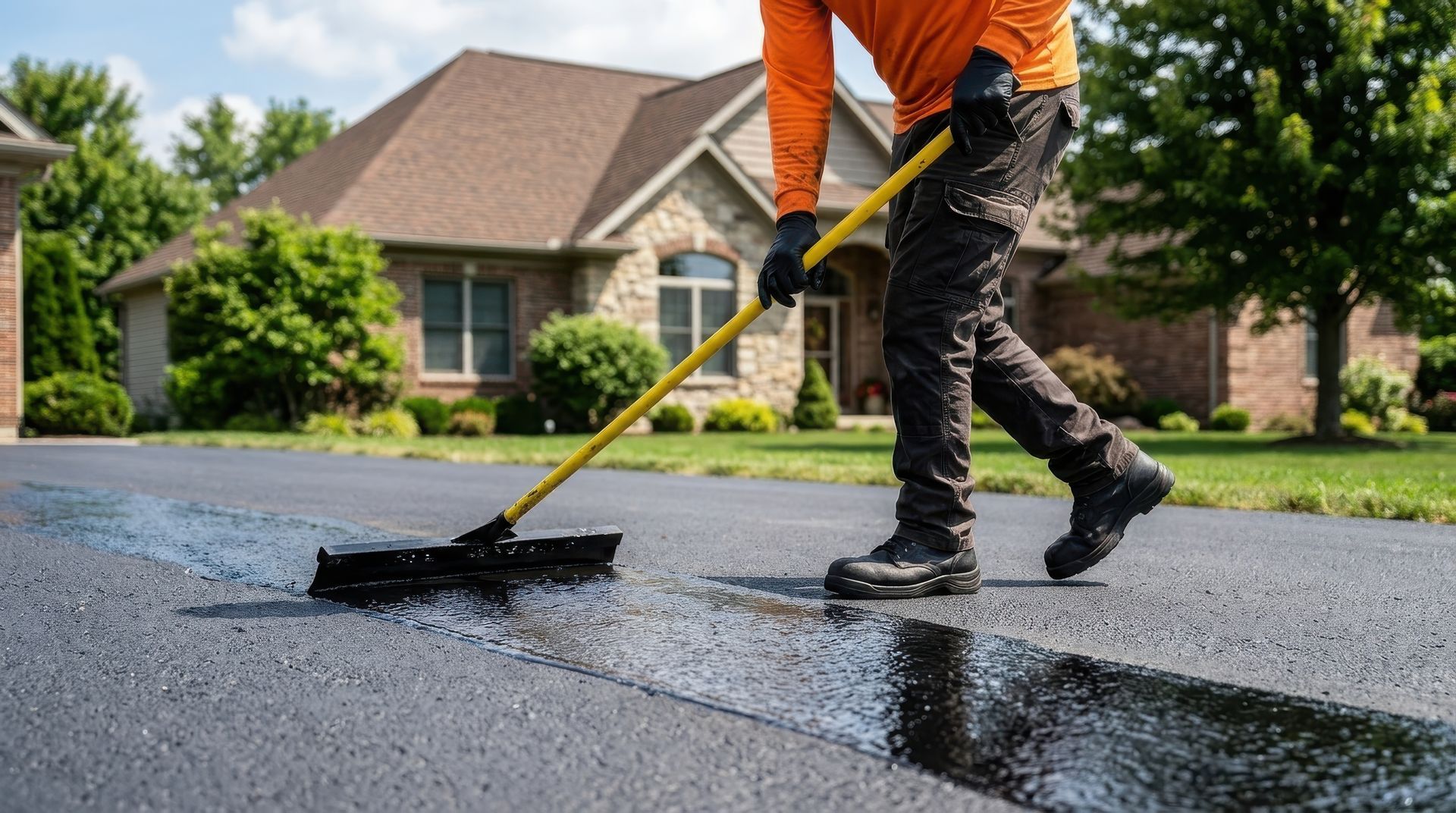
Professional sealcoating contractors like NextGen Great Sealcoating can provide tailored advice based on your property size, traffic patterns, and local weather conditions. With expertise in both residential and commercial sealcoating, we ensure:
- Proper surface preparation before sealcoat application
- Use of high-quality sealant materials for long-lasting results
- Timing that maximizes asphalt protection without unnecessary costs
Conclusion
Knowing how often to reapply sealcoating is crucial for protecting your asphalt investment. Factors such as traffic, climate, asphalt age, and surface condition all influence timing. At NextGen Great Sealcoating, we provide professional sealcoating services tailored to your property’s needs, extending the life of driveways and parking lots while keeping them safe and visually appealing.
Contact us today to schedule your free estimate and learn the ideal sealcoating schedule for your asphalt surfaces. Protect your investment with expert maintenance from NextGen Great Sealcoating!