How Do Potholes Form with NextGen Great Sealcoating
Potholes are more than just a nuisance for drivers; they can cause significant damage to vehicles and pose safety risks. Understanding how potholes form is crucial to developing strategies for road maintenance and pothole prevention. In this comprehensive guide, we'll delve into the science behind pothole formation, the impact of the freeze-thaw cycle, and how road repairs can be managed effectively to ensure smoother and safer roads.
The Science Behind Pothole Formation
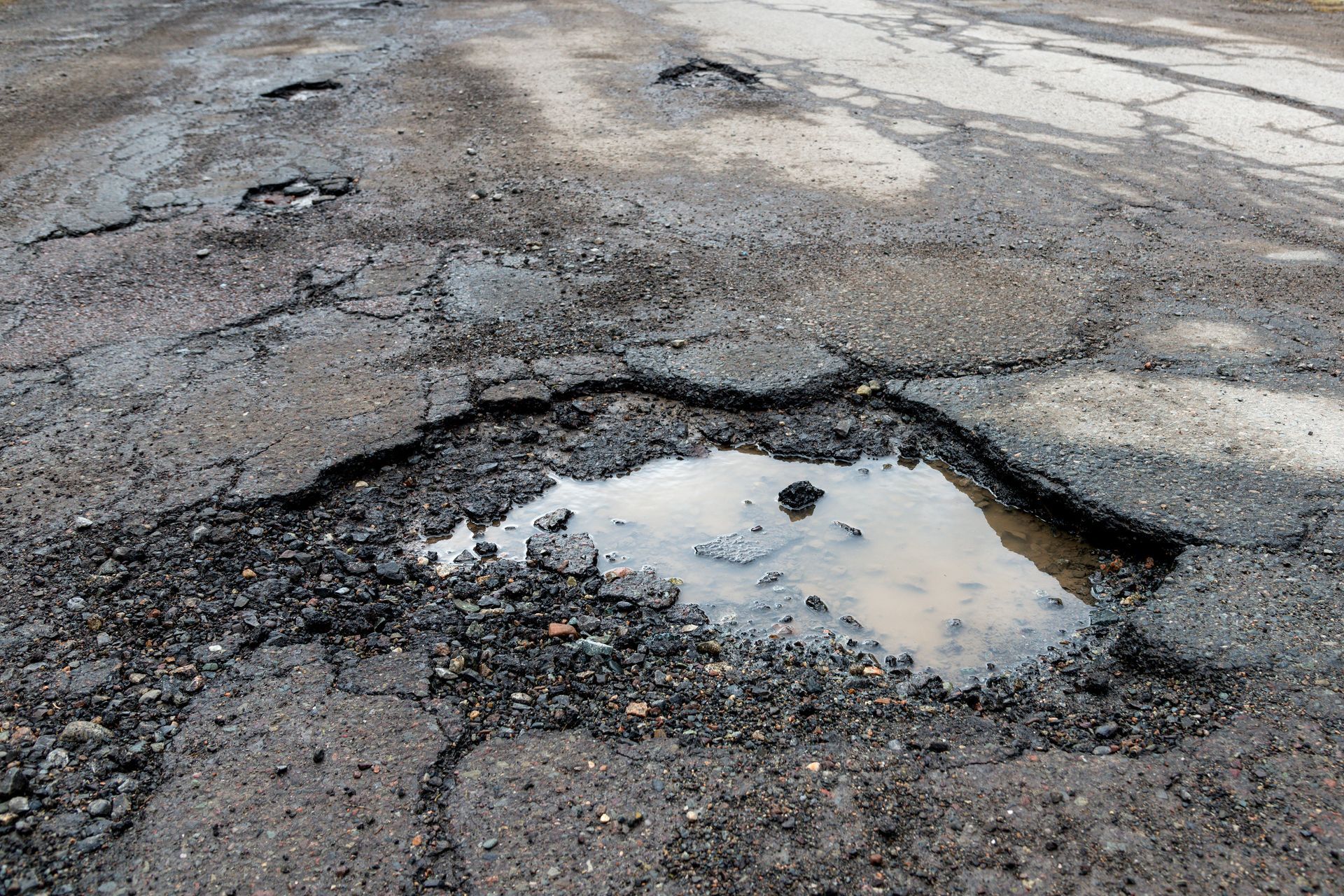
Potholes are a common sight, especially in regions that experience severe weather changes. But what causes these gaping holes to appear in our roads?
The Role of Water in Pothole Formation
Water is the primary culprit in the creation of potholes. When water seeps into the soil beneath the pavement, it can weaken the material that supports the road's surface. This process is exacerbated when the water freezes and thaws, a cycle that can lead to the expansion and contraction of the ground material.
Freeze-Thaw Cycle: The Main Trigger
Thefreeze-thaw cycle is particularly damaging to roadways. When water trapped under the road surface freezes, it expands by approximately 9%. This expansion can cause the pavement to bulge and crack, creating space for even more water to enter. As the ice melts, it leaves behind a void where the pavement can collapse, leading to the formation of a pothole.
Asphalt Deterioration Over Time
Asphalt, the material most commonly used for road surfaces, is not immune to the effects of weather and traffic. Over time, the combination of heavy traffic loads and exposure to the elements can lead to the deterioration of the asphalt, making it more susceptible to damage from the freeze-thaw cycle.
The Impact of Roadway Degradation
Roadway degradation is not only a problem for vehicle owners but also for municipalities that have to allocate funds for road repairs. Potholes can cause a variety of issues that have long-term consequences.
Safety Concerns and Vehicle Damage
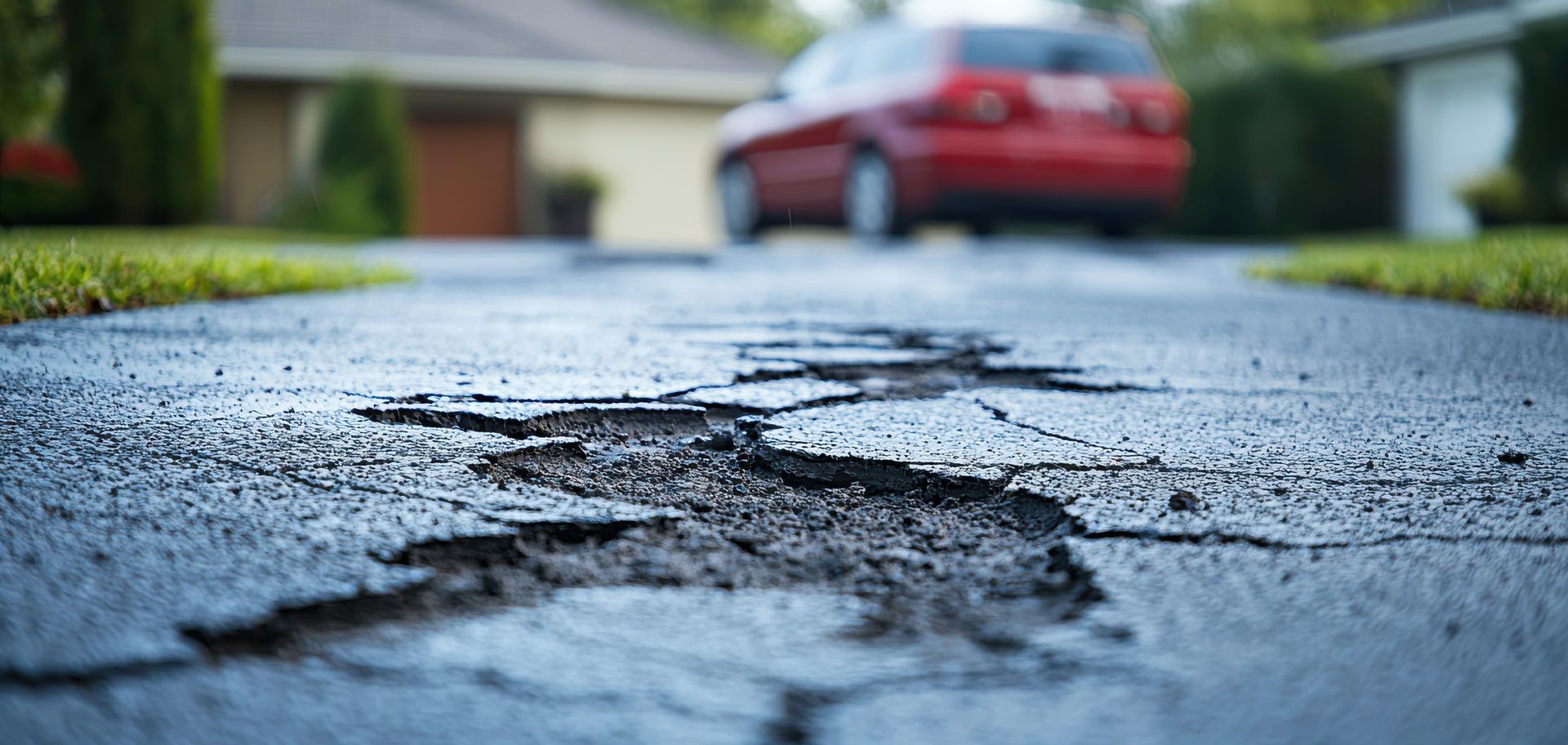
Potholes present a significant hazard to drivers. Swerving to avoid them can lead to accidents, while driving over them can cause tire punctures, bent wheels, and even suspension damage. For motorcyclists and bicyclists, potholes pose an even greater danger.
Economic Impacts of Road Damage
The economic impact of potholes is significant, with millions spent annually on vehicle repairs and road maintenance. This cost is shared by both individual drivers and the public sector, which is responsible for maintaining road infrastructure.
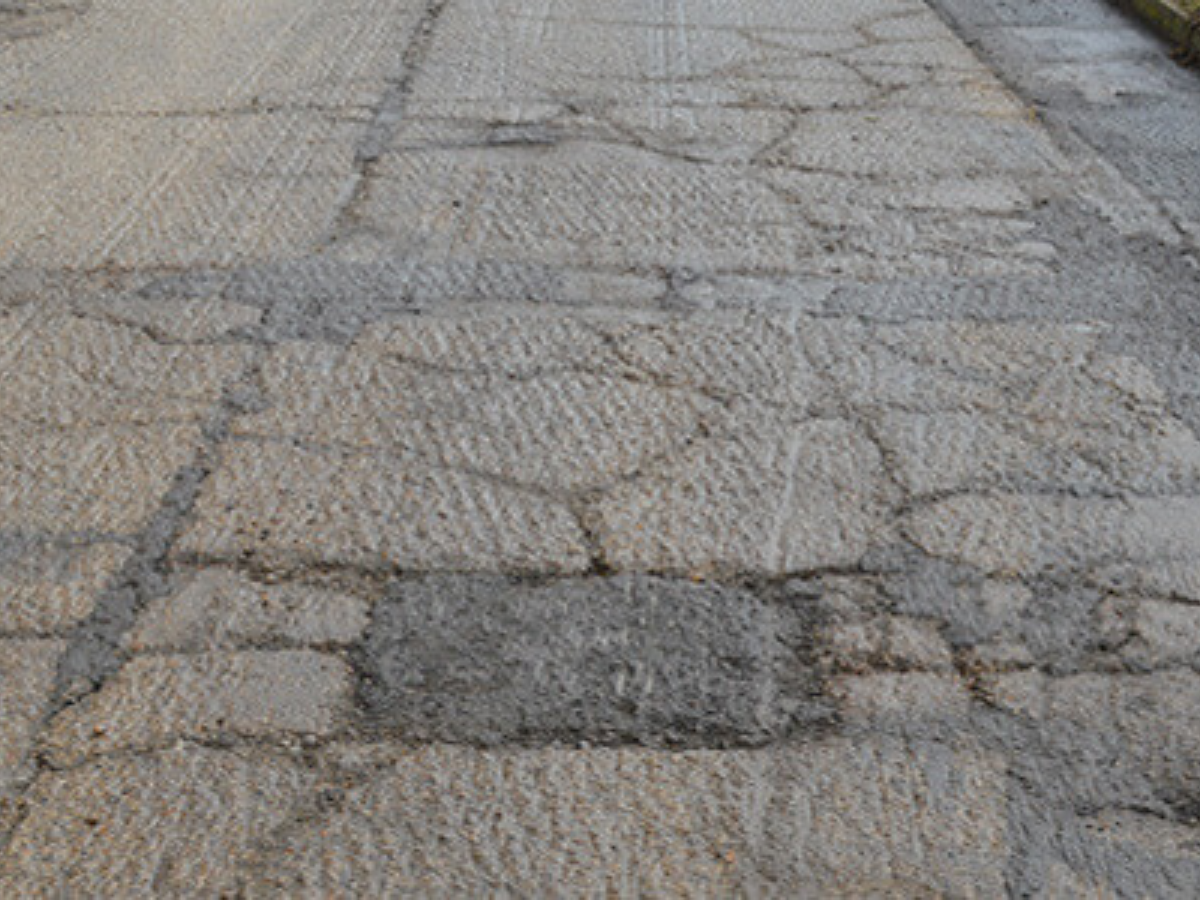
Photo by: Tensar
Road Repairs and Maintenance Strategies
Preventing potholes and repairing them promptly when they do occur is vital for road safety and longevity. Here are some strategies used in road repairs and maintenance.
Immediate Response to Road Damage
When potholes are detected, an immediate response is essential to prevent them from growing larger and causing more damage. Temporary fillings can be used as a quick fix, but they do not address the underlying issues that cause potholes.
Long-Term Asphalt Repair Solutions
For a more permanent solution, road maintenance crews often remove the damaged section of the road and replace it with new asphalt. This process involves cutting around the pothole, removing the debris, and filling the hole with fresh asphalt that is then compacted to create a smooth surface.
Innovative Pothole Prevention Techniques
Research into pothole prevention has led to innovative techniques such as the use of high-tech materials that are more resistant to the freeze-thaw cycle. For example, rubberized asphalt, which incorporates recycled tires, has shown increased flexibility and durability.
Pothole Prevention: Minimizing Roadway Degradation
Preventing potholes is preferable to repairing them. Several strategies can be implemented to minimize roadway degradation and extend the life of road surfaces.
Regular Inspections and Maintenance
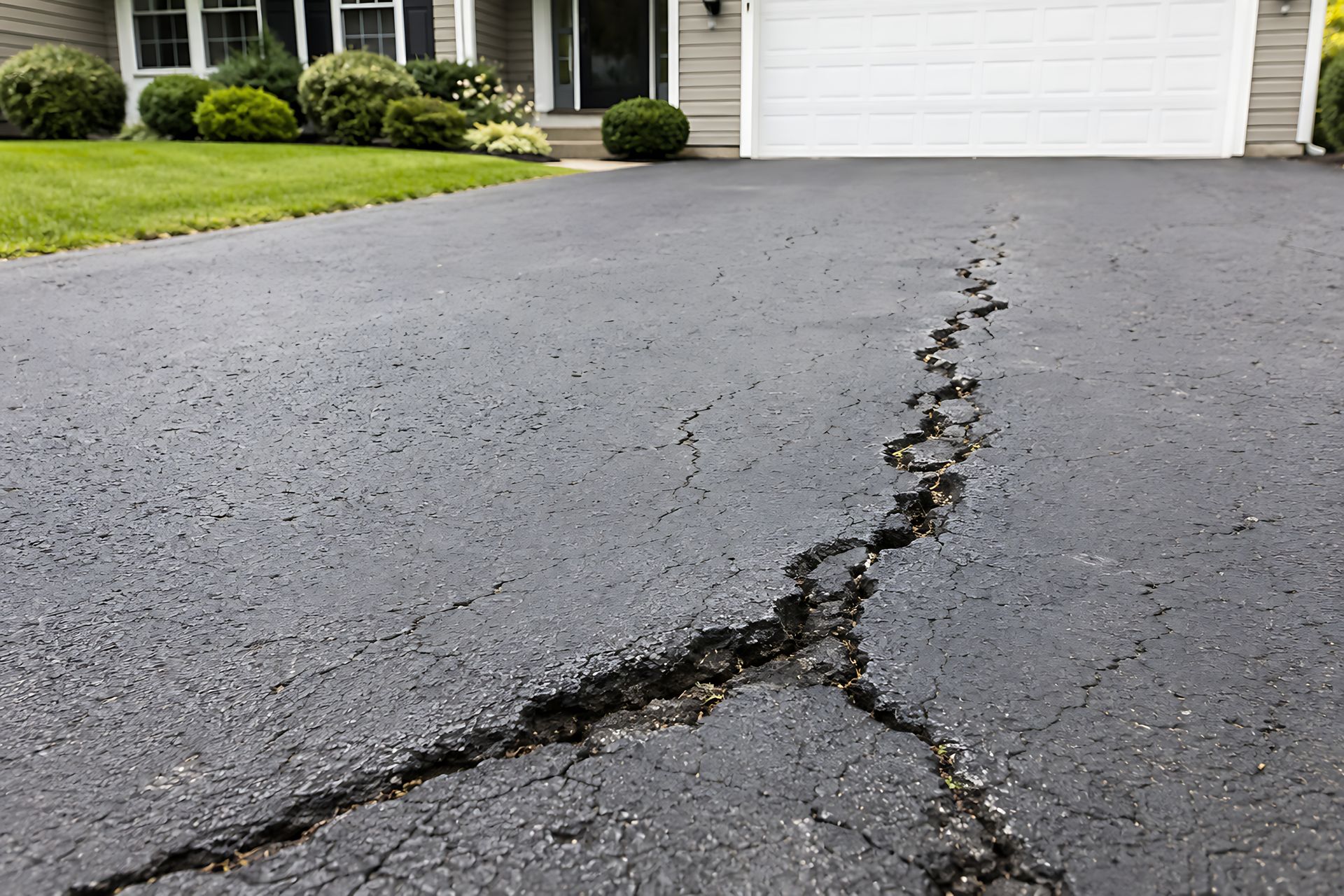
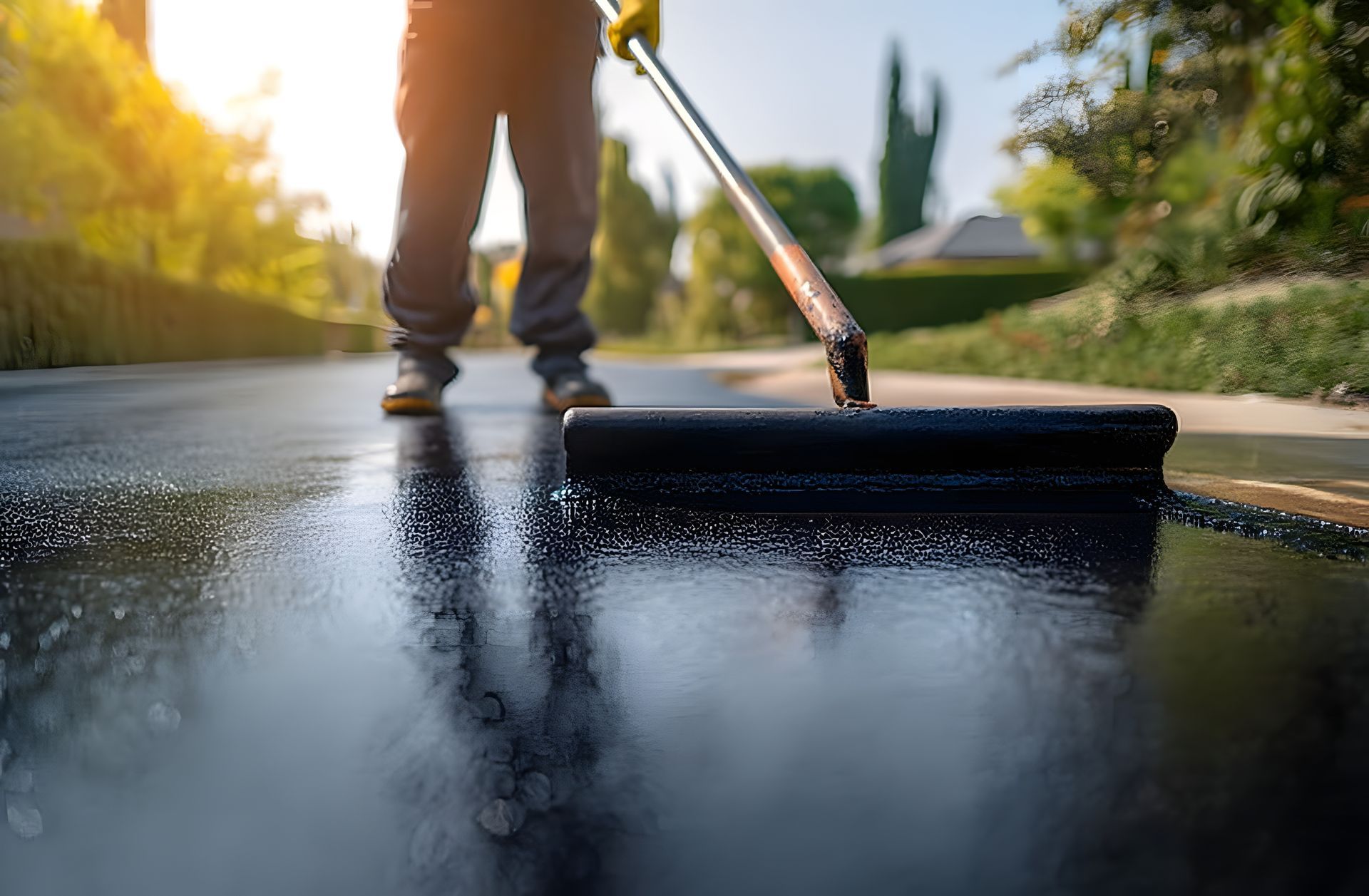
Regular inspections can identify potential problems before they turn into potholes. Maintenance strategies such as crack sealing can prevent water from penetrating the road surface and causing damage.
Improving Drainage Systems
Enhanced drainage systems can help prevent water from accumulating on the road surface or under it. Proper drainage ensures that water is quickly channeled away from the pavement, reducing the risk of pothole formation.
Material Innovation and Road Design
The use of innovative materials that are better suited to withstand the freeze-thaw cycle can reduce the occurrence of potholes. Additionally, designing roads with a stronger foundation can help resist the pressures that lead to pothole formation.
The Future of Road Maintenance
Advancements in technology and materials science are paving the way for more resilient road surfaces. From smart sensors that detect early signs of pavement distress to self-healing asphalt, the future of road maintenance looks promising.
Smart Road Technology
Smart sensors embedded within road surfaces can provide real-time data on the condition of the pavement, allowing for proactive maintenance and repairs before significant damage occurs.
Self-Healing Asphalt and Other Innovations
Self-healing asphalt contains special additives that enable it to repair small cracks automatically, reducing the likelihood of pothole formation. Other innovations include the use of nanotechnology and advanced polymers to create longer-lasting road surfaces.
Conclusion
At NextGen Great Sealcoating, we pride ourselves on providing exceptional sealcoating services that enhance road safety and longevity. Our team is dedicated to delivering top-quality sealants and advanced techniques to prevent potholes and preserve road surfaces effectively. With a focus on innovation and excellence, we strive to revolutionize road maintenance and ensure the durability of our infrastructure for the benefit of communities and travelers.
By partnering with NextGen Great Sealcoating, you can trust in our commitment to proactive road preservation and superior service.
Contact us today and together we can create smoother, safer, and more resilient roadways that uphold the highest standards of quality and performance. Let us pave the way for a brighter future in road maintenance and join us in building a better, more sustainable transportation network.