How to Protect Your Asphalt from Salt Damage During Winter
Winter brings many challenges, and for those with asphalt surfaces, salt damage is a major concern. Road salt, while effective for melting ice, can wreak havoc on your black top driveway or parking lot.
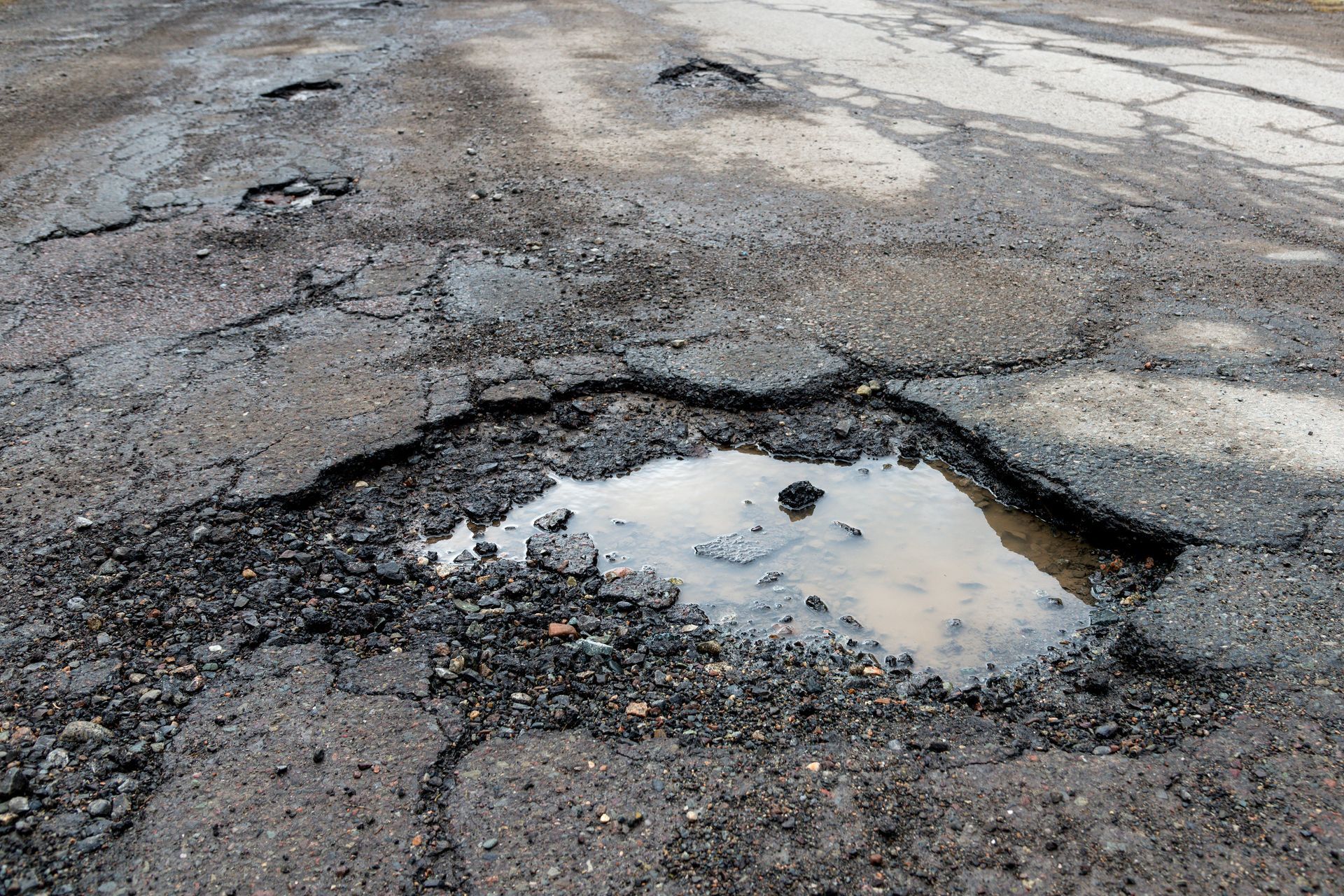
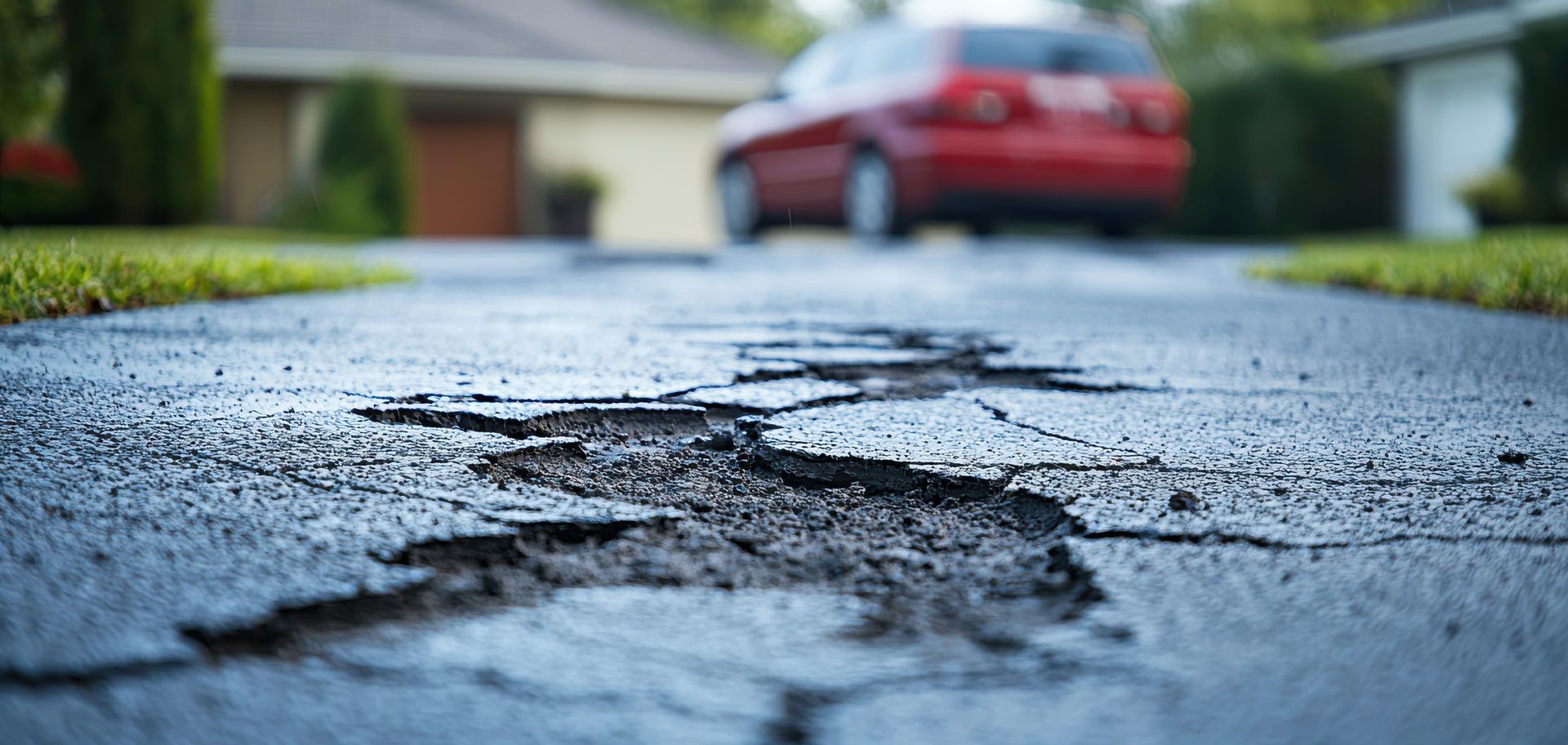
The freeze-thaw cycle, intensified by salt, can lead to cracks and potholes. This damage not only mars the appearance of your property but can also lead to costly repairs or even blacktop replacement.
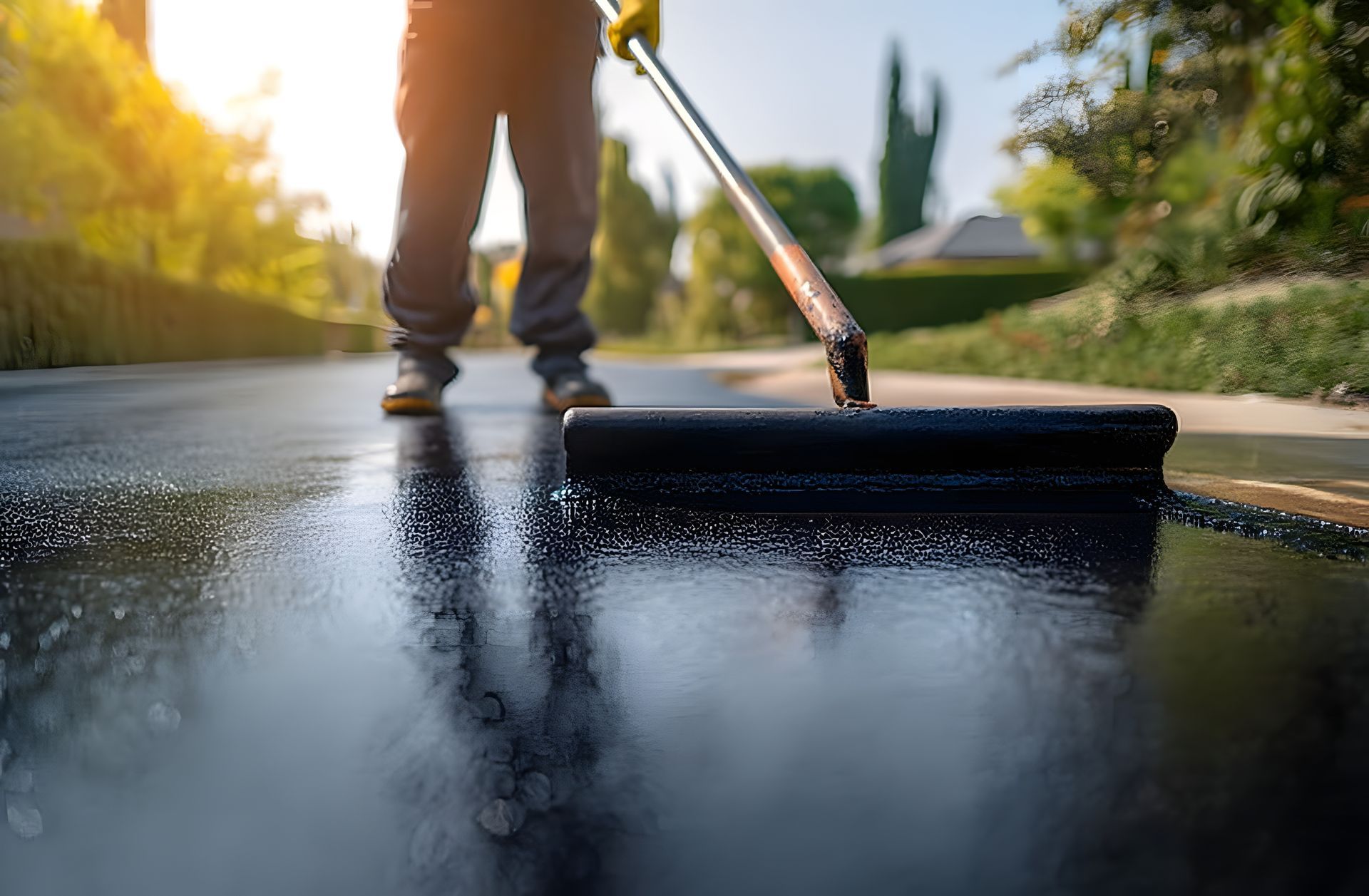
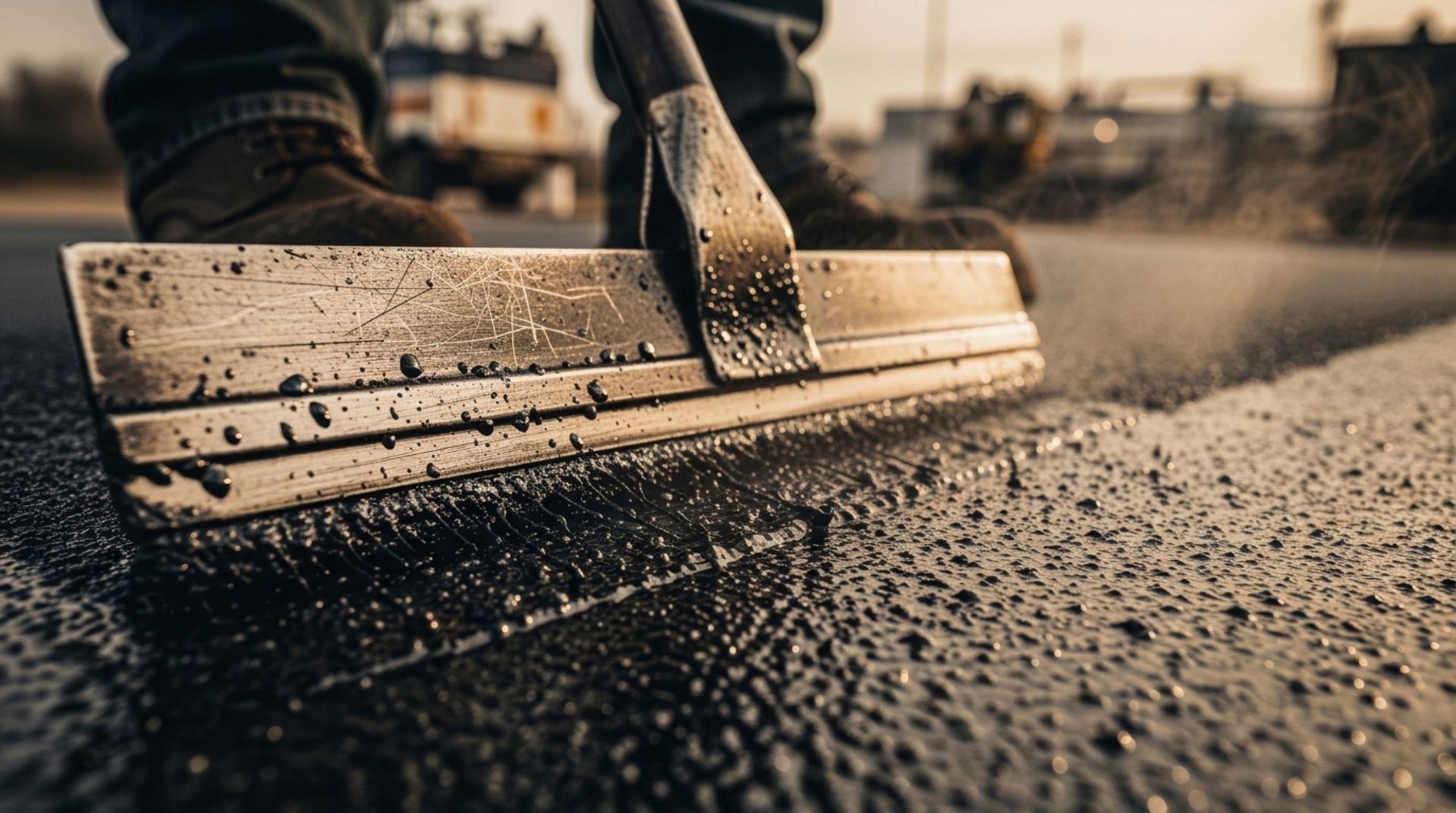
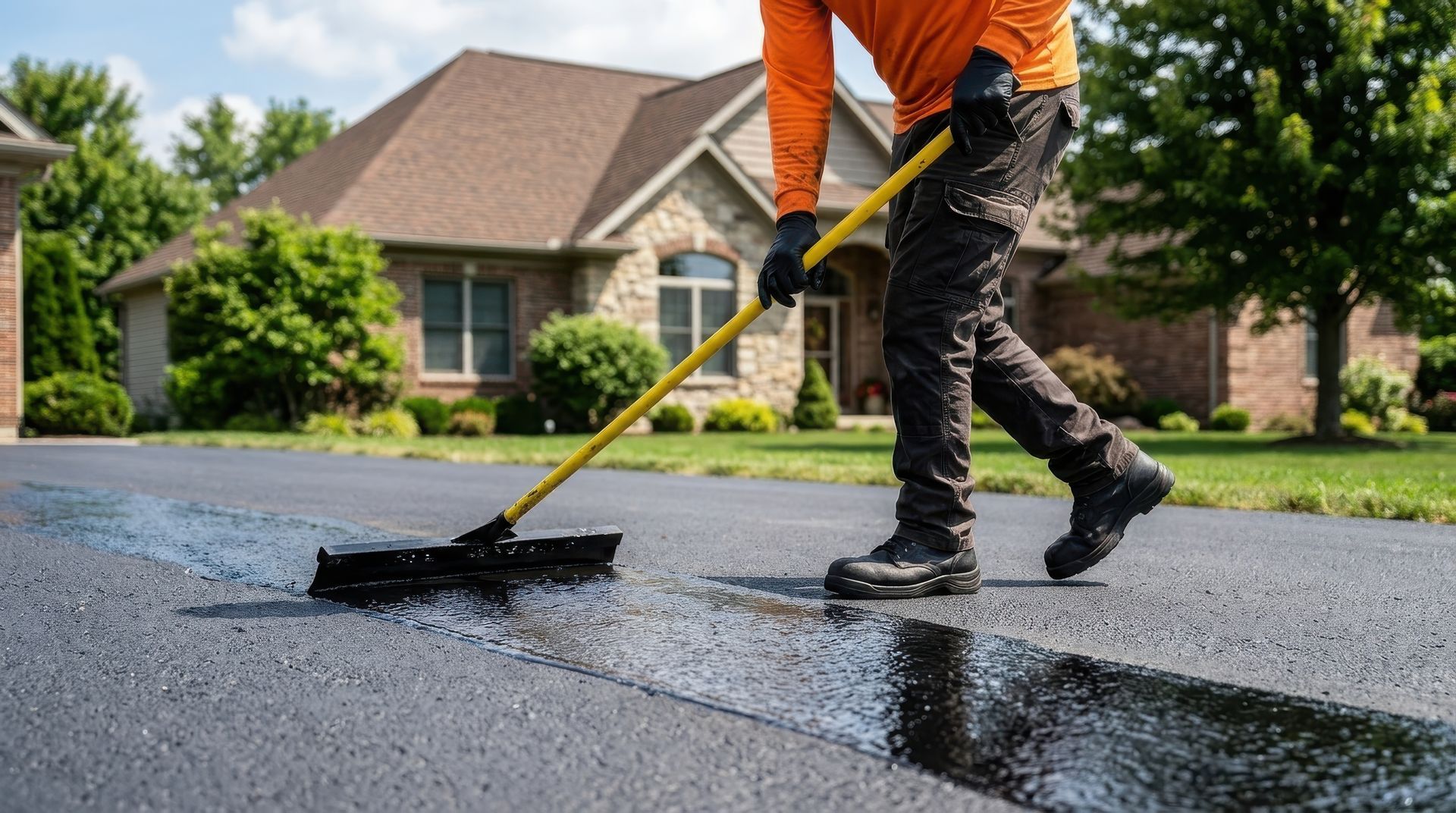
But fear not, there are ways to protect your asphalt from salt damage. One of the most effective methods is sealcoating. This protective layer can prevent salt from penetrating the asphalt, extending its lifespan.
However, many wonder, is sealcoating asphalt necessary? And if so, how often should you seal coat your driveway? These are valid questions that this guide aims to answer.
We will also explore other asphalt repair solutions and preventative measures. Our goal is to help you maintain your asphalt surfaces, ensuring they remain in top condition despite the harsh winter conditions.
So, let's delve into the world of asphalt salt damage prevention and discover how to keep your driveway looking its best all year round.
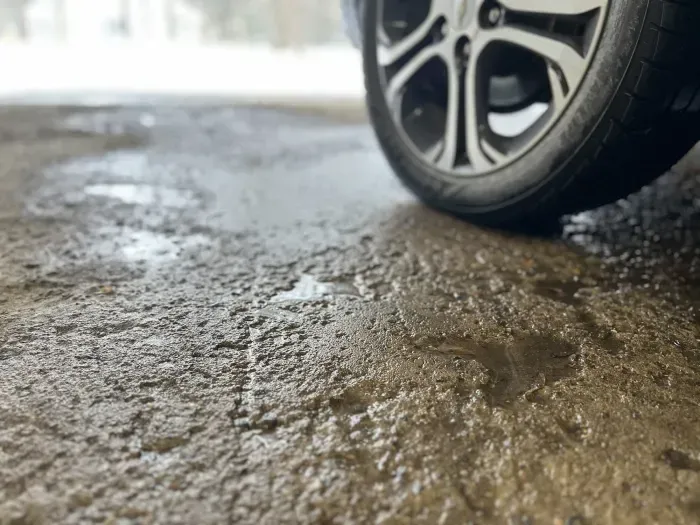
Photo By: Mens Journal
Understanding Asphalt Salt Damage
Asphalt salt damage is a common issue during winter months. Salt is essential for ice control, but it negatively affects asphalt surfaces. It accelerates the freeze-thaw process, causing the asphalt to crack and weaken over time.
When water seeps into these cracks, it freezes and expands, leading to more significant damage. Over time, this can result in potholes and severe surface deterioration. Understanding this process is vital for implementing effective asphalt salt damage prevention measures.
The Science Behind Salt and Asphalt Interaction
Salt works by lowering the freezing point of water, helping to melt ice and snow. However, this beneficial property comes with a downside for asphalt surfaces. Salt can penetrate the asphalt, reaching the aggregate layer and creating a porous structure.
The
freeze-thaw cycle then exacerbates this effect, leading to structural integrity loss. Understanding how salt interacts with asphalt helps in recognizing the importance of preventative measures.
Identifying Signs of Salt Damage
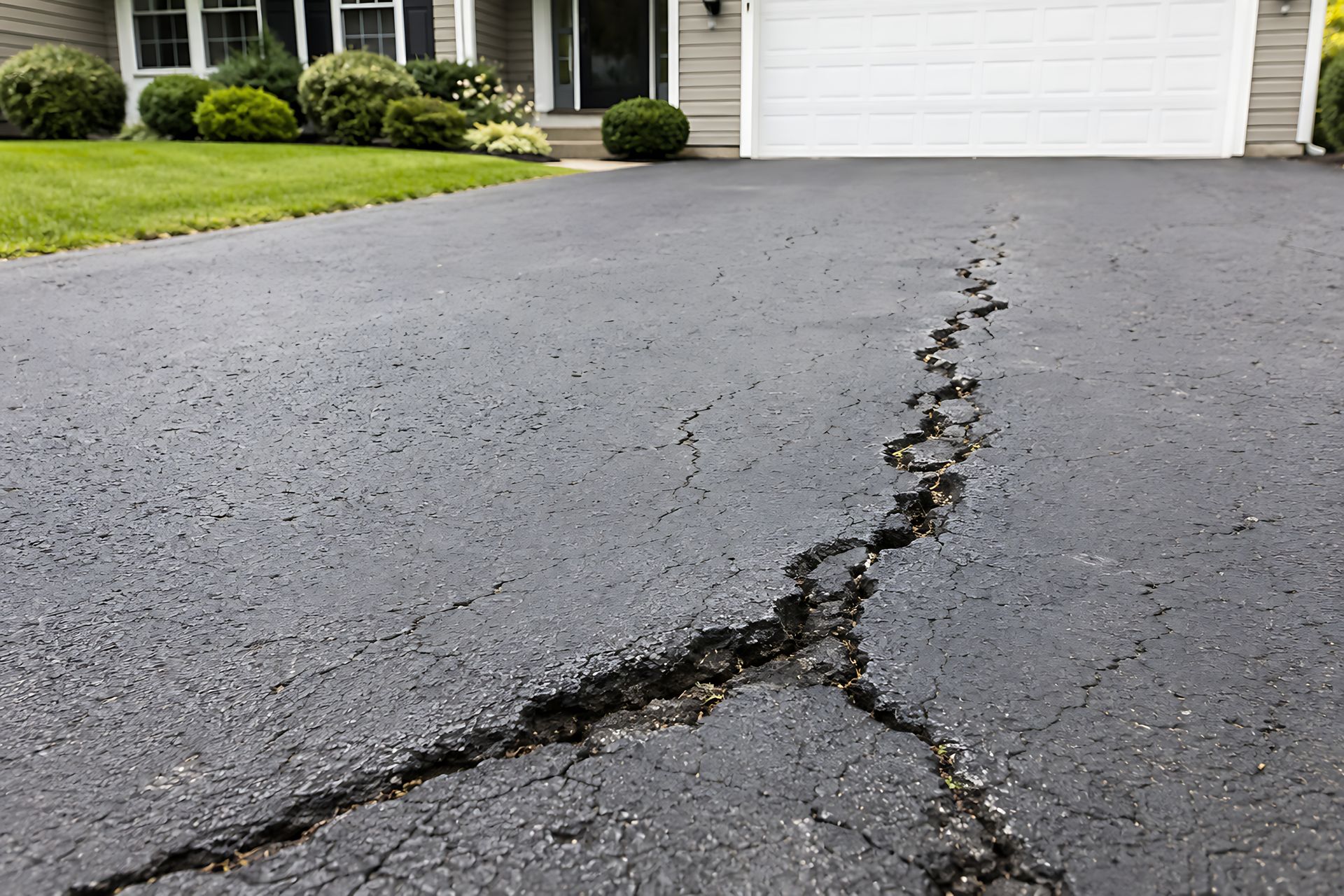
Detecting salt damage early can save both time and money. Look for visible cracks and surface flaking on your asphalt. These are early signs indicating that salt has started to infiltrate.
Also, watch for any discoloration or warping of the surface. Addressing these signs promptly with repair solutions can prevent more extensive damage in the future.
Is Sealco netration, but it also enhances the appearance of driveways.
While some may question its necessity, sealcoating extends the lifespan of asphalt. It reduces the need for costly repairs, making it a worthwhile investment. In regions with harsh winters, sealcoating asphalt is particularly crucial.
Applying a sealcoat before winter can save you from expensive repairs later. It forms a barrier against moisture, reducing the impact of the freeze-thaw cycle.
Benefits of Sealcoating Your Driveway
Sealcoating provides significant benefits beyond just protection. It revives the look of your driveway, giving it a fresh, black finish. This aesthetic boost can enhance your property's curb appeal.
Moreover, it fills small surface voids, reducing exposure to oxygen and sunlight. This helps in slowing oxidation and the breakdown of the top layer. With regular sealcoating, your driveway remains durable and visually appealing.
Additionally, sealcoating offers minor waterproofing, preventing water infiltration. This can further defend against cracking and other damage associated with water exposure.
How Often to Seal Coat Your Driveway
The frequency of sealcoating depends on various factors. Typically, experts recommend applying a new sealcoat every 2-3 years. This ensures continuous protection and maintenance of surface quality.
However, if your driveway experiences heavy traffic, consider more frequent applications. Conditions like local climate and weather patterns play a role too. Observing these factors can help determine the optimal sealcoating schedule.
Regular assessment of your driveway's condition is also important. This allows for adjustments in your maintenance schedule, ensuring long-lasting protection.
Preventative Measures for Asphalt Salt Damage
Preventing salt damage involves strategic actions. These measures can preserve your driveway through harsh winters. A proactive approach minimizes the need for extensive repairs later.
Start with regular inspections of your asphalt surfaces. Identifying small issues early on can prevent costly damage. Also, keep your driveways clean of debris to avoid moisture traps.
Consider these best practices for asphalt maintenance:
- Apply a sealcoat before winter.
- Use suitable de-icing alternatives.
- Maintain proper drainage systems.
- Conduct timely repairs for minor damages.
Being consistent with these steps ensures the longevity of your asphalt.
Choosing the Right De-icing Products
Picking the right de-icer is crucial. Traditional salts are effective but harsh on asphalt. Non-chloride options, like calcium magnesium acetate, offer safer alternatives.
These products are less corrosive and gentler on both asphalt and the environment. They dissolve ice without causing significant harm. Assess your local climate needs when selecting a product.
Proper Snow Removal Techniques
Snow removal must be done with care. Mechanical removal can damage asphalt if not done correctly. Use a shovel with a plastic edge instead of metal.
Another option is to hire professionals trained in asphalt-safe methods. They use equipment and techniques that minimize surface abrasion. Gentle methods preserve the asphalt’s condition throughout winter.
Maintaining Good Drainage
Effective drainage prevents water accumulation. Standing water can worsen the impact of salt on asphalt. Ensure that your driveway has a gentle slope for water runoff.
Regularly check and clear gutters and drains. This keeps the paths free for water to escape, reducing potential
freeze-thaw damage. Proper drainage strategies complement other maintenance efforts.
Asphalt Repair Solutions and When to Use Them
Timely repairs can save your driveway from full deterioration. Asphalt repair solutions include crack filling, patching, and more. Each method addresses specific issues, maintaining both appearance and function.
Cracks and small holes can lead to water infiltration. As water seeps in, it expands and contracts with temperature changes. This can significantly escalate damage over time.
Addressing these issues quickly with appropriate repair solutions is crucial. Timely interventions reduce the need for extensive renovations. Opt for professional advice if you're unsure about the right solution for your asphalt.
Crack Filling and Patching
Crack filling is a straightforward method. It involves sealing small cracks with specialized materials. This prevents water from penetrating and causing further damage.
Patching, on the other hand, addresses more substantial surface issues. It's used for minor holes or deteriorating sections. Patching extends the lifespan of your driveway by restoring compromised areas.
When to Consider Blacktop Replacement
Severe damage may demand blacktop replacement. When repairs are no longer viable, consider a complete overhaul. Indications include pervasive cracking or sinking.
An evaluation by a professional can determine whether replacement is warranted. It’s an investment, ensuring safety and longevity. Although costly, it provides a fresh, durable surface prepared for future demands.
Seasonal Maintenance Checklist
Regular maintenance can ward off extensive asphalt damage. A proactive approach keeps your driveway in top condition year-round. Here’s a simple checklist to guide your seasonal efforts.
- Clean Debris: Remove leaves, dirt, and other debris.
- Inspect for Cracks: Check for new or enlarging cracks.
- Sealcoat: Schedule sealcoating every 2-3 years.
- Check Drainage: Ensure water flows away from your driveway.
- Edge Trimming: Keep edges clear of overgrowth.
Consistent upkeep takes minimal effort compared to substantial repairs. These routine tasks ensure your asphalt stays resilient through every season.
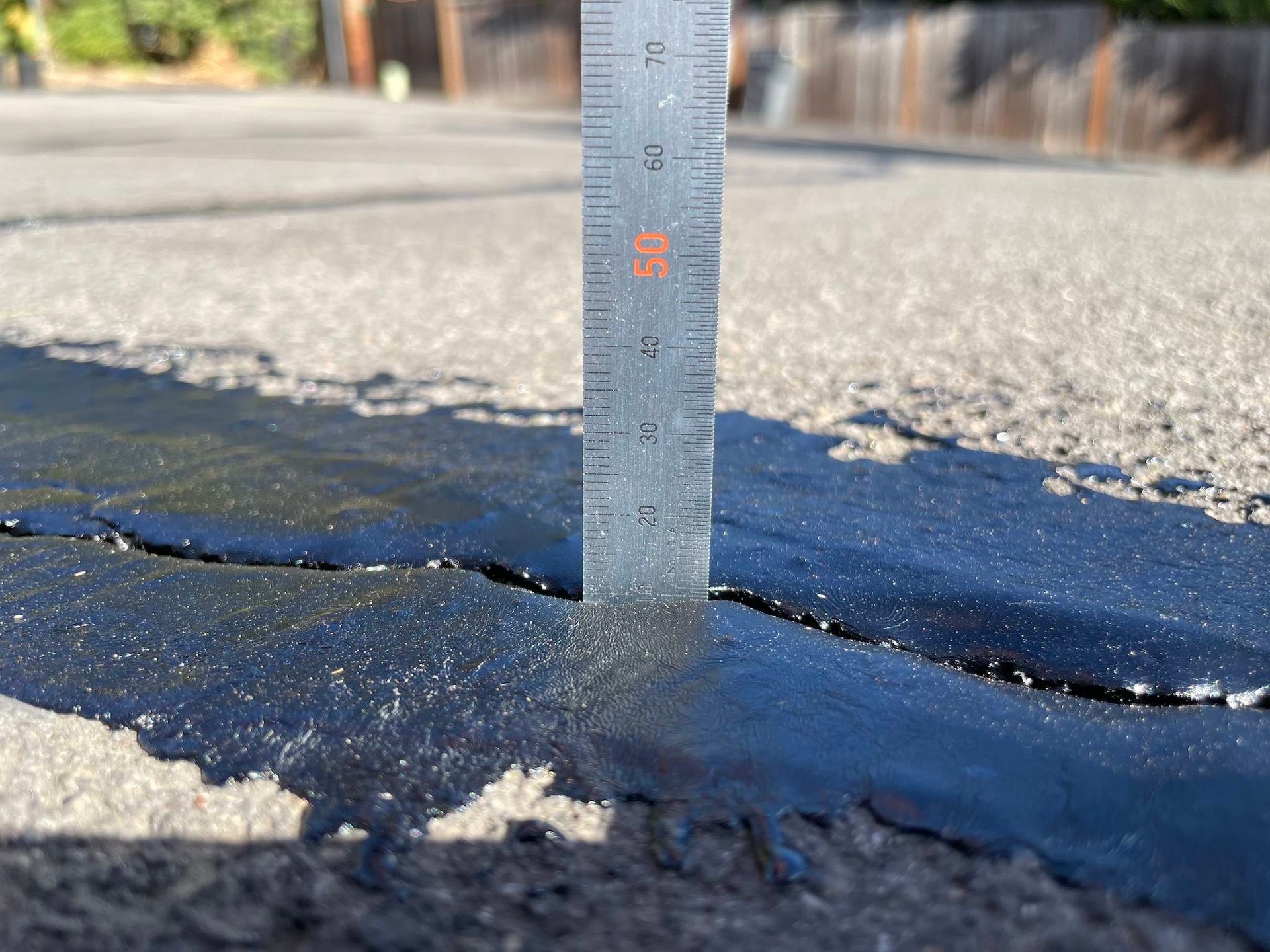
Photo By: Home Improvement
FAQs on Asphalt Care and Salt Damage Prevention
How does salt damage asphalt?
Salt promotes the freeze-thaw cycle, leading to cracks and potholes in asphalt.
Is sealcoating asphalt necessary?
Yes, sealcoating acts as a protective layer and enhances the appearance of your driveway.
How often should I seal coat my driveway?
Experts recommend every 2-3 years, depending on climate and wear.
What are some alternatives to salt for de-icing?
Consider using sand, non-chloride salts, or eco-friendly options like beet juice.
Conclusion
In conclusion, winter can be harsh on your asphalt surfaces, but with NextGen Great Sealcoating, you can protect your investment. Our expert sealcoating services are designed to shield your blacktop driveway from salt damage and extend its lifespan.
Take action now to ensure your asphalt remains durable and attractive all year round.
Contact us today to schedule your sealcoating service and let us be your trusted partner in asphalt care!