How Winter Weather Damages Asphalt and Why Sealcoating Helps
Winter weather can be harsh on asphalt surfaces, causing damage that can be both unsightly and costly to repair. Understanding how winter conditions affect asphalt and how sealcoating can protect your driveway or commercial parking lot is essential for maintaining its longevity and appearance. In this article, we'll delve into the effects of winter weather on asphalt and explain why sealcoating is a crucial step in asphalt maintenance.
The Impact of Winter Weather on Asphalt
Freeze-Thaw Cycle
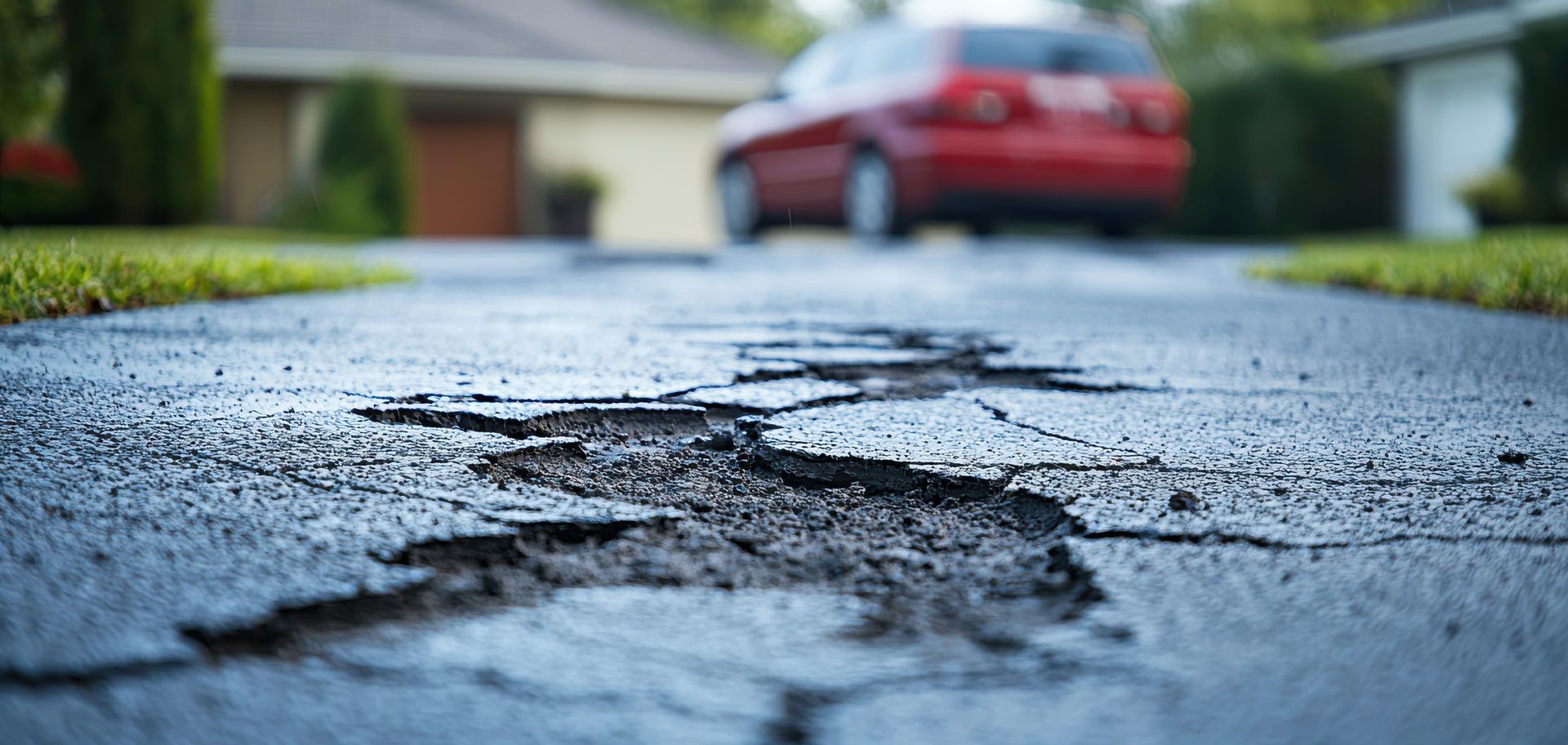
One of the biggest threats to asphalt during winter is the freeze-thaw cycle. Water seeps into small cracks and pores in the asphalt. When temperatures drop, the water freezes and expands, causing the cracks to widen. As the ice thaws, the cycle repeats, gradually deteriorating the asphalt surface.
Snow and Ice
Accumulation of snow and ice on asphalt surfaces can lead to further damage. As vehicles drive over these surfaces, the pressure can cause the ice to grind against the asphalt, leading to further wear and tear. The use of snowplows and salt can also contribute to the degradation of asphalt surfaces.
De-icing Chemicals
While
de-icing chemicals are essential for safety, they can have a detrimental effect on asphalt. These chemicals can accelerate the breakdown of asphalt by increasing the rate of freeze-thaw cycles and causing chemical reactions that weaken the material.
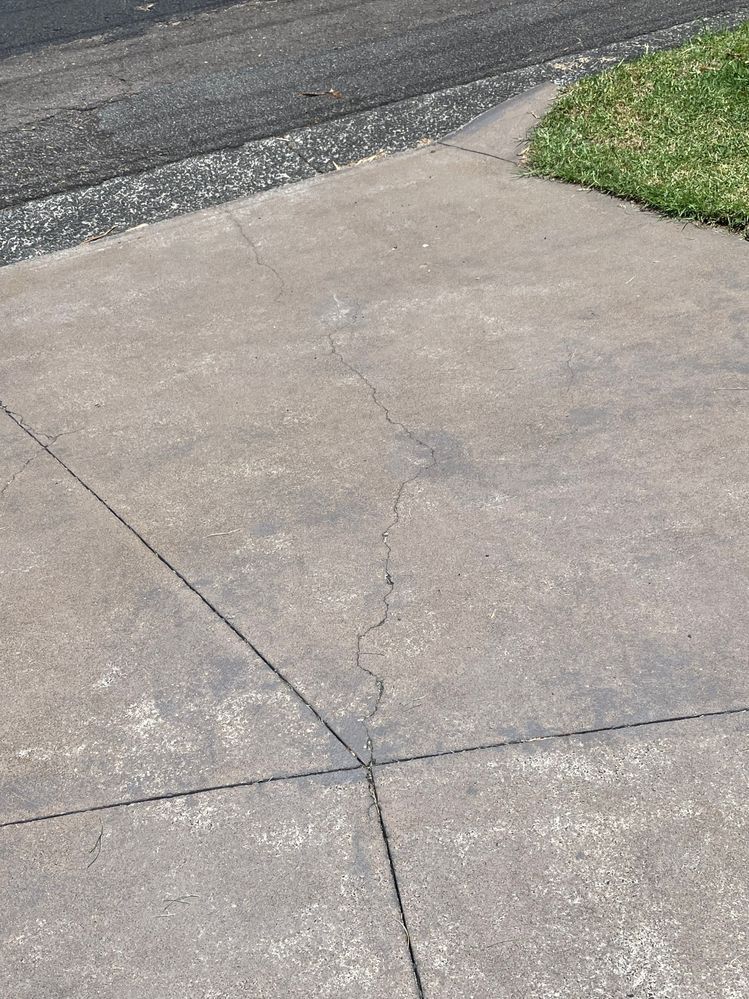
Photo By: Bunnigs Workshop
Why Sealcoating is Essential
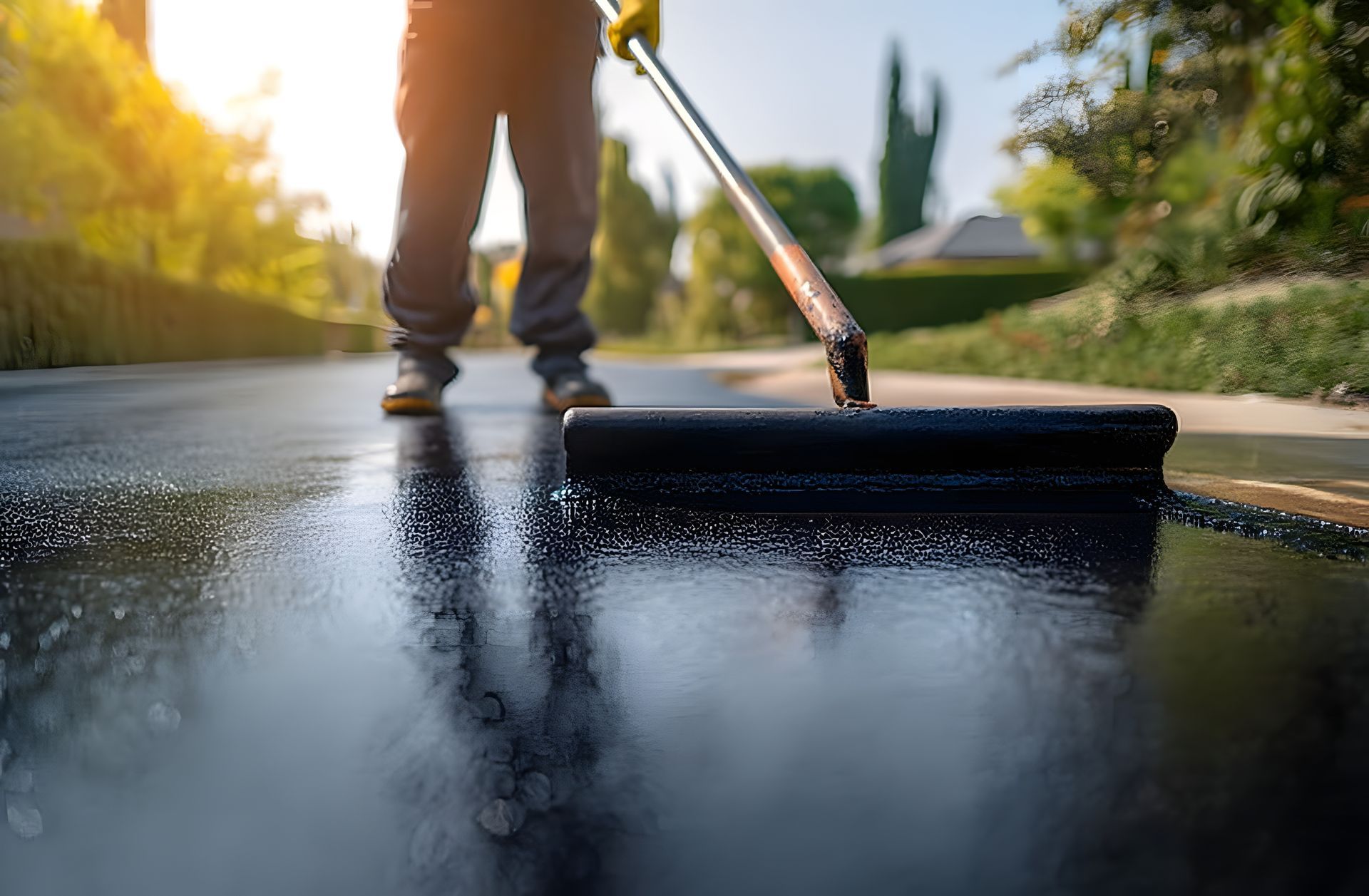
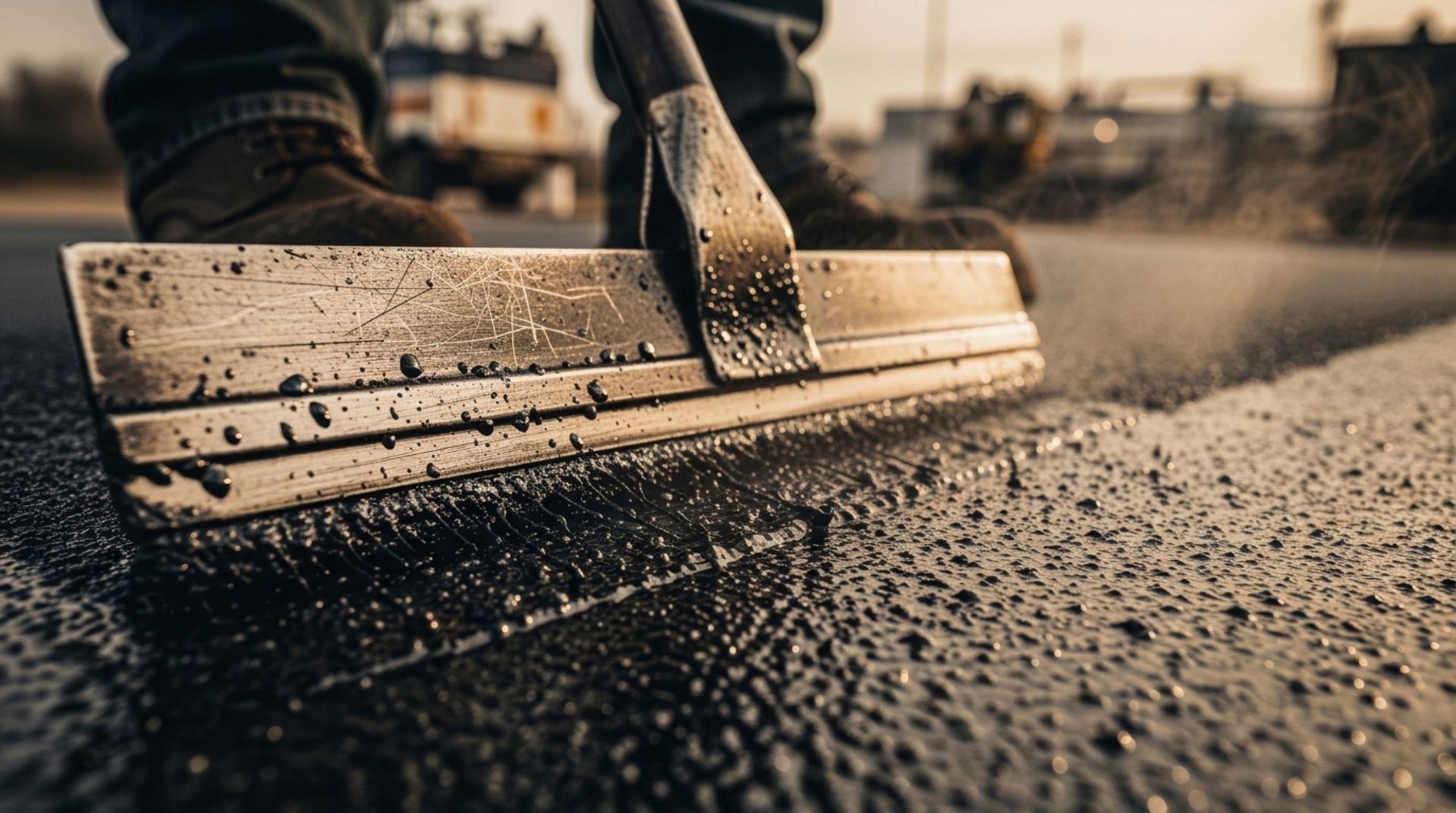
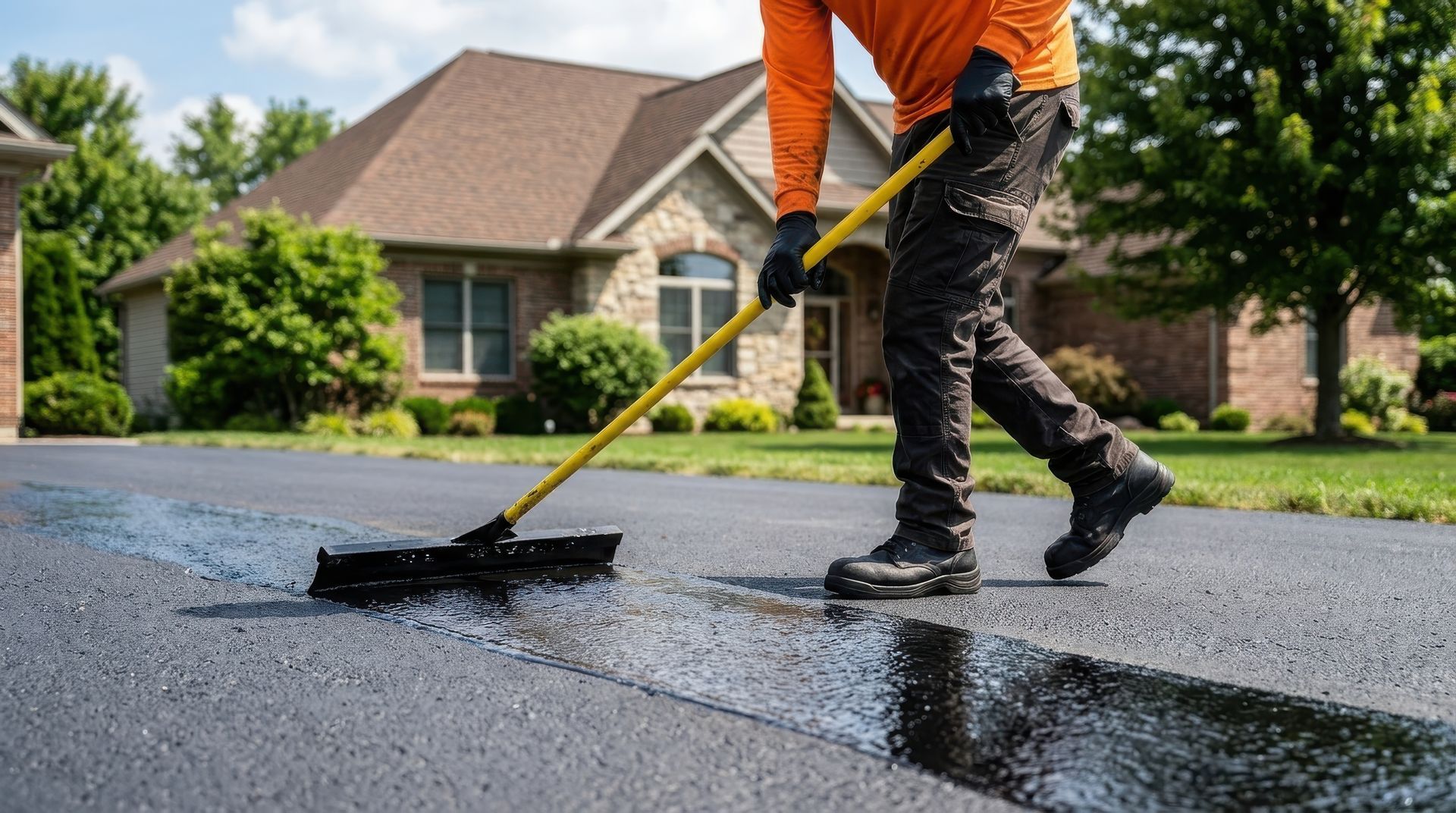
Sealcoating is a protective layer applied over asphalt surfaces to shield them from the elements. Here's why it's essential:
Protection Against Moisture
Sealcoating creates a barrier that prevents moisture from penetrating the asphalt. By sealing small cracks and pores, it reduces the risk of damage caused by the freeze-thaw cycle, thereby extending the life of the asphalt surface.
UV Ray Protection
Exposure to the sun's ultraviolet (UV) rays can cause asphalt to dry out and become brittle. Sealcoating provides a layer of protection that helps maintain the asphalt's flexibility and prevents it from cracking.
Enhancing Appearance
A fresh coat of sealant can significantly improve the appearance of asphalt surfaces, giving driveways and parking lots a clean, black finish. This not only enhances curb appeal but can also increase property value.
Cost-Effective Maintenance
Regular sealcoating is a cost-effective way to maintain asphalt surfaces. By preventing damage before it occurs, sealcoating can save property owners from expensive repairs down the line.
When to Reseal Your Driveway
Knowing when to
reseal your driveway is crucial for ensuring it remains in good condition. Typically, asphalt surfaces should be resealed every 2-3 years. However, factors such as climate, traffic, and the quality of the original asphalt can affect this timeline. Look for signs such as fading, small cracks, or a rough texture as indicators that it's time to reseal.
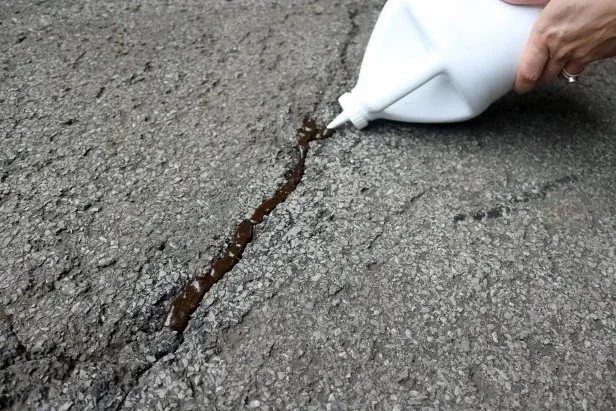
Photo By: HGTV
Asphalt Repair Options
Driveway Crack Repair
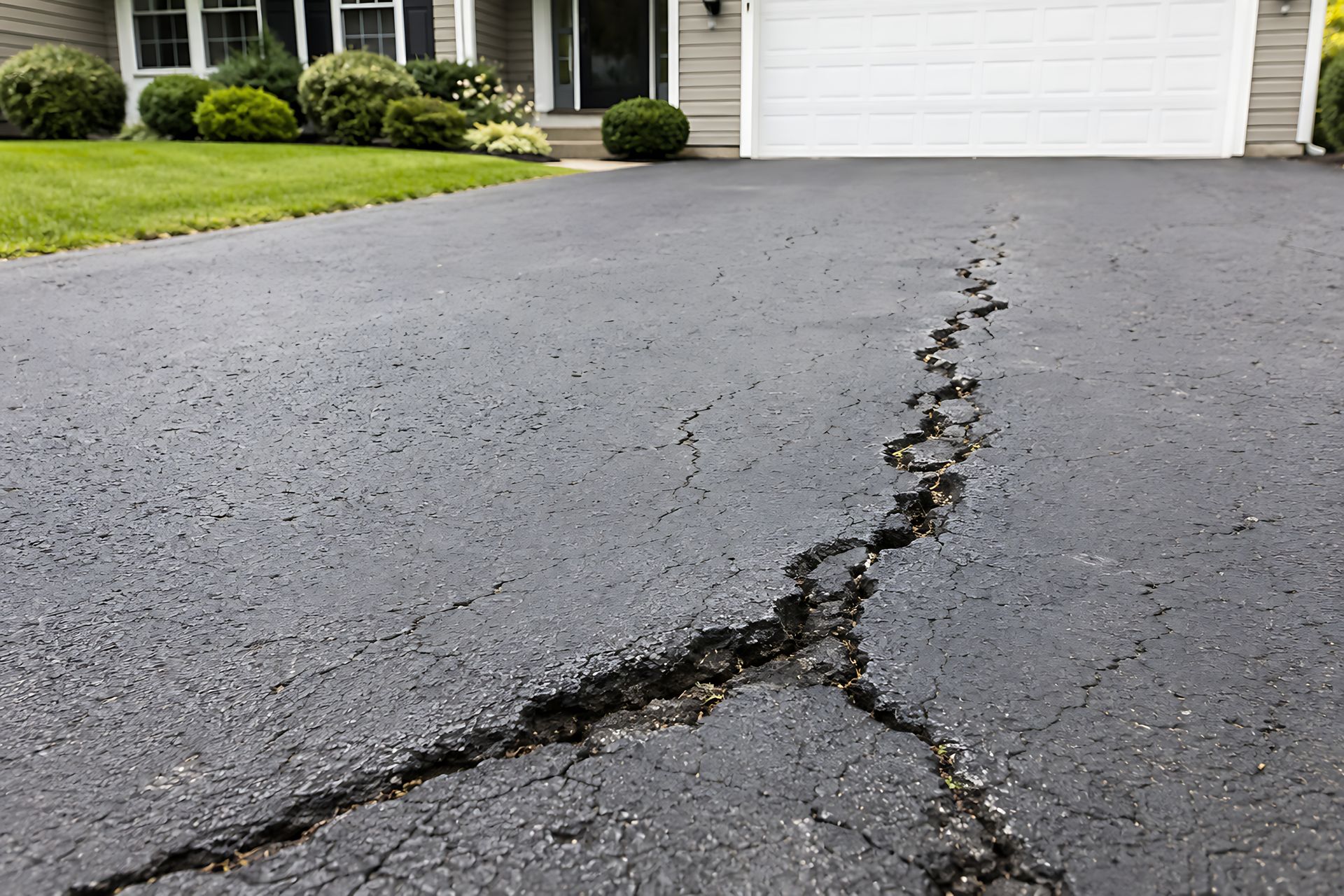
Addressing cracks promptly is vital for preventing further damage. Driveway crack repair involves cleaning the crack, filling it with a suitable material, and then sealing it to prevent moisture infiltration.
Cold Patch for Quick Fixes
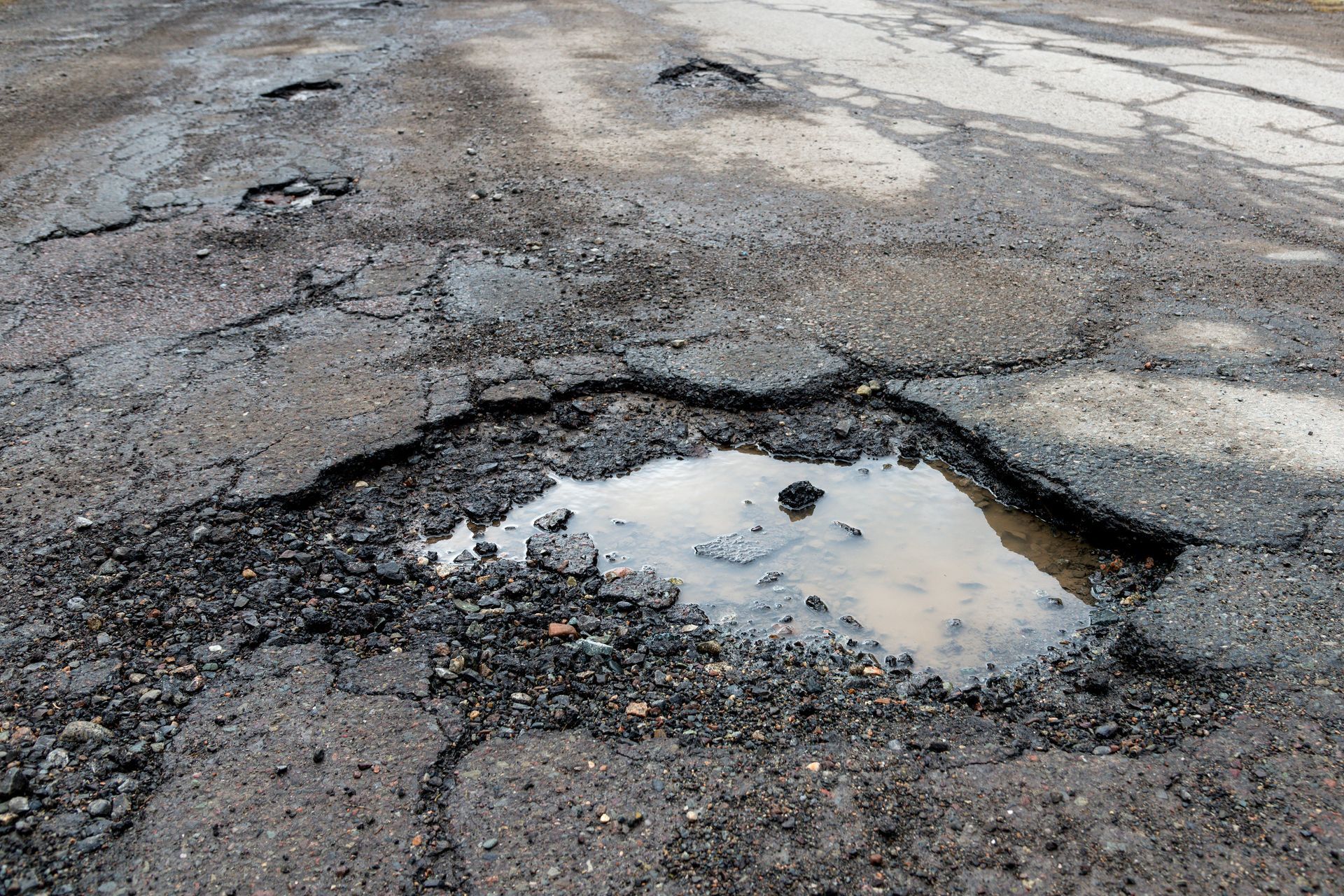
Cold patch is an easy-to-use solution for repairing small potholes or damaged areas in asphalt. It involves filling the damaged area with a pre-mixed asphalt patch, which can be compacted and left to cure.
Rubberized Asphalt Sealant
For more durable repair, rubberized asphalt sealant is a great option. This material is flexible and can expand and contract with temperature changes, making it ideal for areas that experience frequent freeze-thaw cycles.
How to Remove Oil from Your Driveway
Oil stains on driveways can be stubborn and unsightly. To remove oil from your driveway, start by blotting up excess oil with absorbent material like kitty litter or baking soda. Next, apply a degreaser or a mixture of dish soap and hot water to the stain, scrubbing it with a stiff brush. Rinse with water and repeat as necessary until the stain is gone.
How Long Does It Take for Driveway Coating to Dry?
The drying time for driveway coating can vary based on factors such as temperature, humidity, and the type of sealant used. Generally, it takes 24-48 hours for the coating to dry completely. It's important to avoid traffic on the surface during this time to ensure the best results.
Commercial Parking Lot Sealcoating
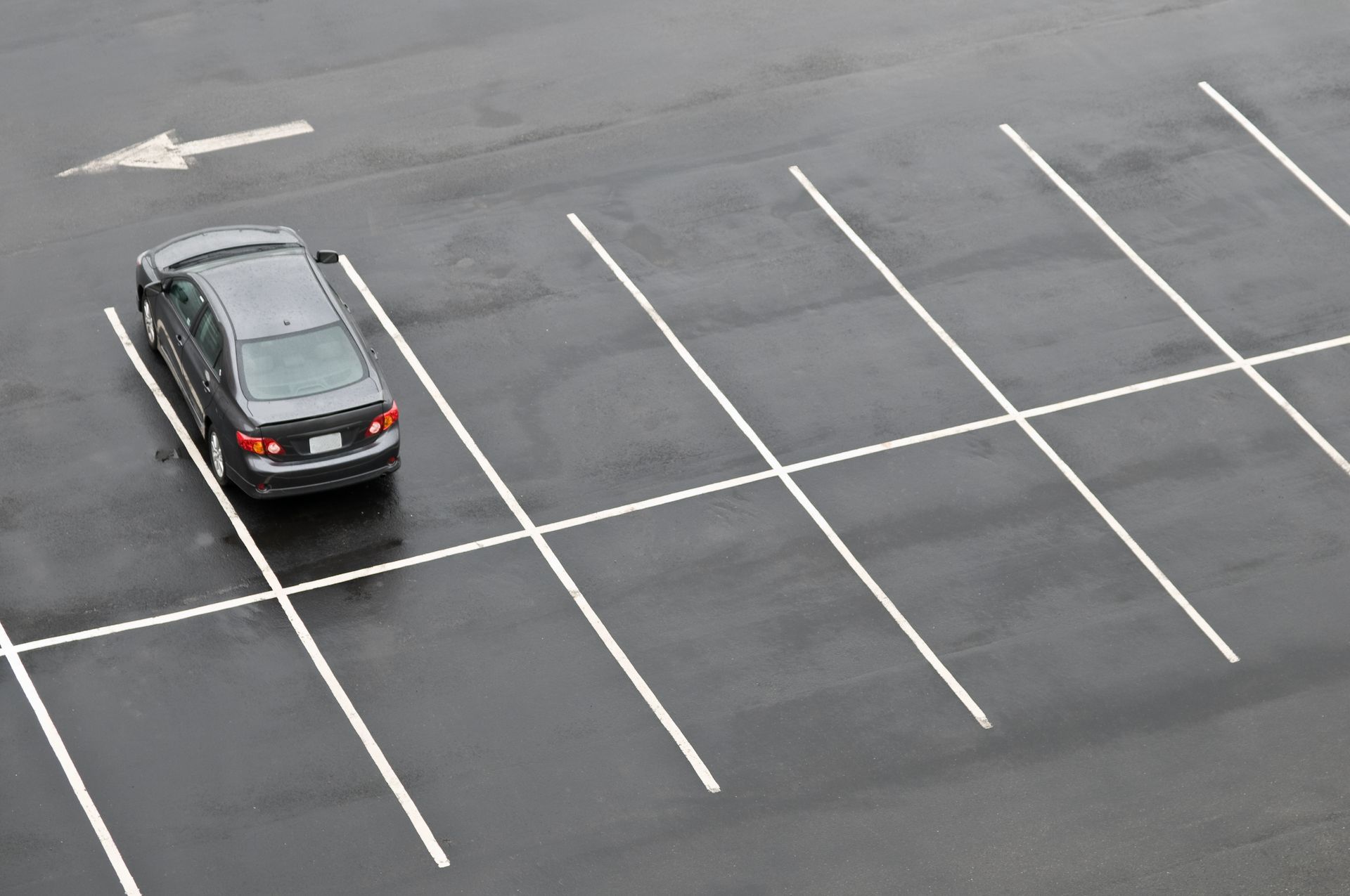
For commercial properties, parking lot maintenance is crucial for safety and aesthetics. Sealcoating commercial parking lots not only enhances their appearance but also extends their lifespan. Regular maintenance helps prevent damage and can reduce liability risks associated with potholes or other surface imperfections.
Benefits of Professional Sealcoating
Hiring professionals for sealcoating ensures that the job is done correctly and efficiently. Professionals have the equipment and expertise to apply the sealant evenly and address any underlying issues before they become major problems.
Conclusion
At NextGen Great Sealcoating, we understand that winter weather can pose significant challenges for asphalt surfaces, but with our expert sealcoating services, you can safeguard your investment. By staying informed about how winter affects asphalt and taking proactive measures, you'll extend the life of your driveway or commercial parking lot while saving on costly repairs.
Regularly scheduled resealing is essential, and our team is here to help you navigate the best maintenance practices. Don’t wait for cracks and potholes to become major issues—address them promptly with our professional driveway crack repair and cold patch solutions.
Contact NextGen Great Sealcoating today to schedule your sealcoating service and ensure your asphalt surfaces remain resilient and visually appealing throughout the year. Let us help you protect your property with our high-quality sealants and exceptional service. Visit our website or call us now to learn more about how we can assist you in maintaining your asphalt and enhancing your property's curb appeal!