New Driveway Care: When is the First Time You Should Sealcoat?
A new asphalt driveway is a major investment, and proper maintenance is key to keeping it looking great and lasting for years. One of the most common questions homeowners ask is when to apply the first sealcoating.
While it may seem like sealing your driveway right away is the best option, timing is everything. Applying sealcoating to a new driveway too soon or too late can impact both performance and longevity.
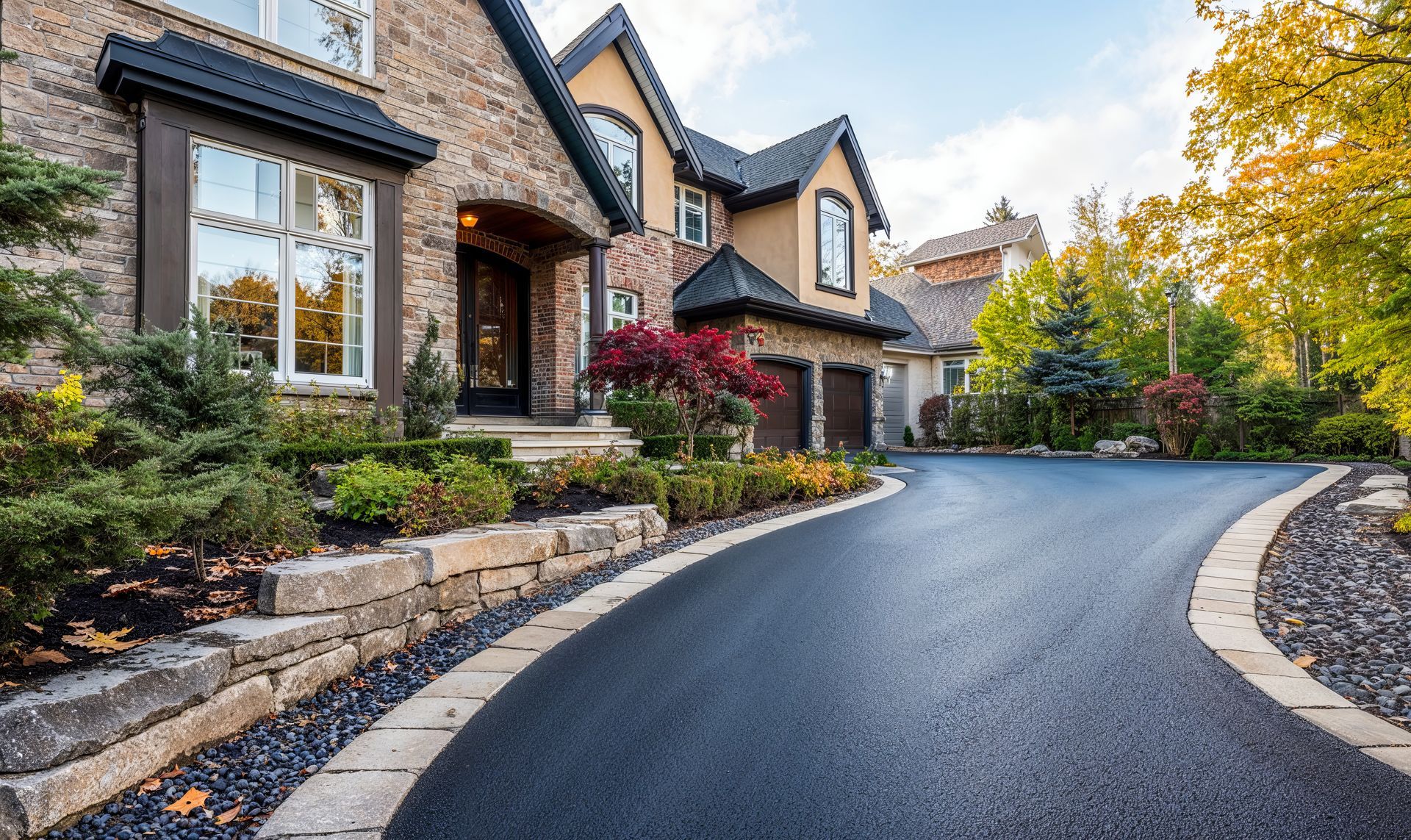
Why You Shouldn’t Sealcoat Right Away
Fresh asphalt needs time to cure before it can be sealed. During this curing process, oils in the asphalt gradually evaporate, allowing the surface to harden and stabilize.
If you apply sealcoating too early:
- The surface may not bond properly
- Oils can become trapped, weakening the asphalt
- The finish may not last as long
Letting your driveway fully cure ensures the sealcoat adheres correctly and provides long-term protection.
How Long Should You Wait Before Sealcoating?
Most professionals recommend waiting 6 to 12 months before applying the first driveway sealcoating.
This timeframe allows:
- Proper curing of the asphalt
- Improved surface strength
- Better sealcoat adhesion
Factors that can affect timing include:
- Weather conditions
- Amount of sun exposure
- Traffic on the driveway
A properly cured surface is essential for the best results.
Signs Your Driveway Is Ready for Sealcoating
Instead of relying on time alone, there are visible signs that indicate your driveway is ready for its first seal.
Look for:
- A faded gray color instead of deep black
- A firm, fully hardened surface
- Minimal surface oils or residue
- Small surface wear beginning to appear
These signs show that the asphalt has cured enough to accept sealcoating effectively.
Why Sealcoating Is So Important
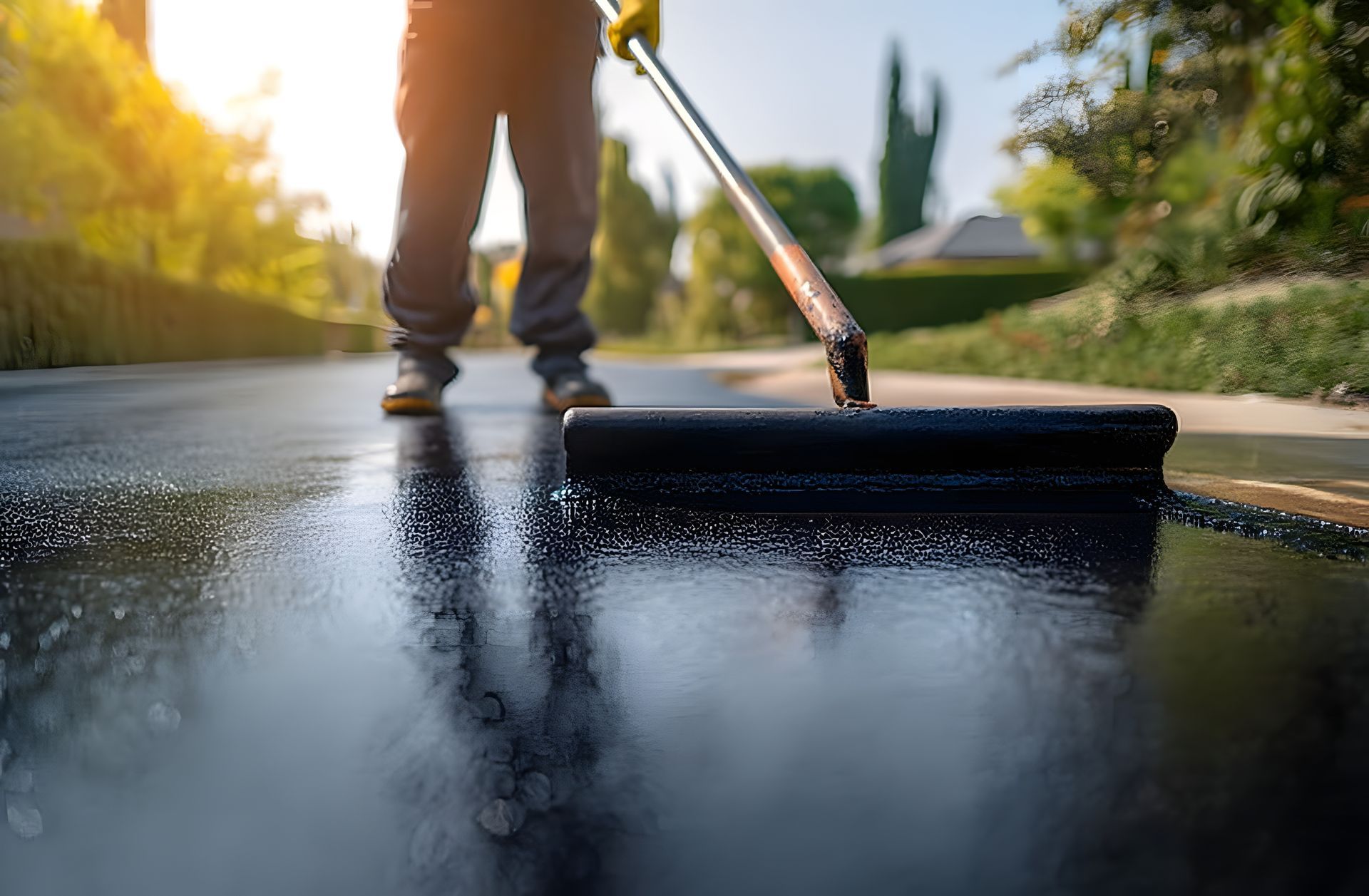
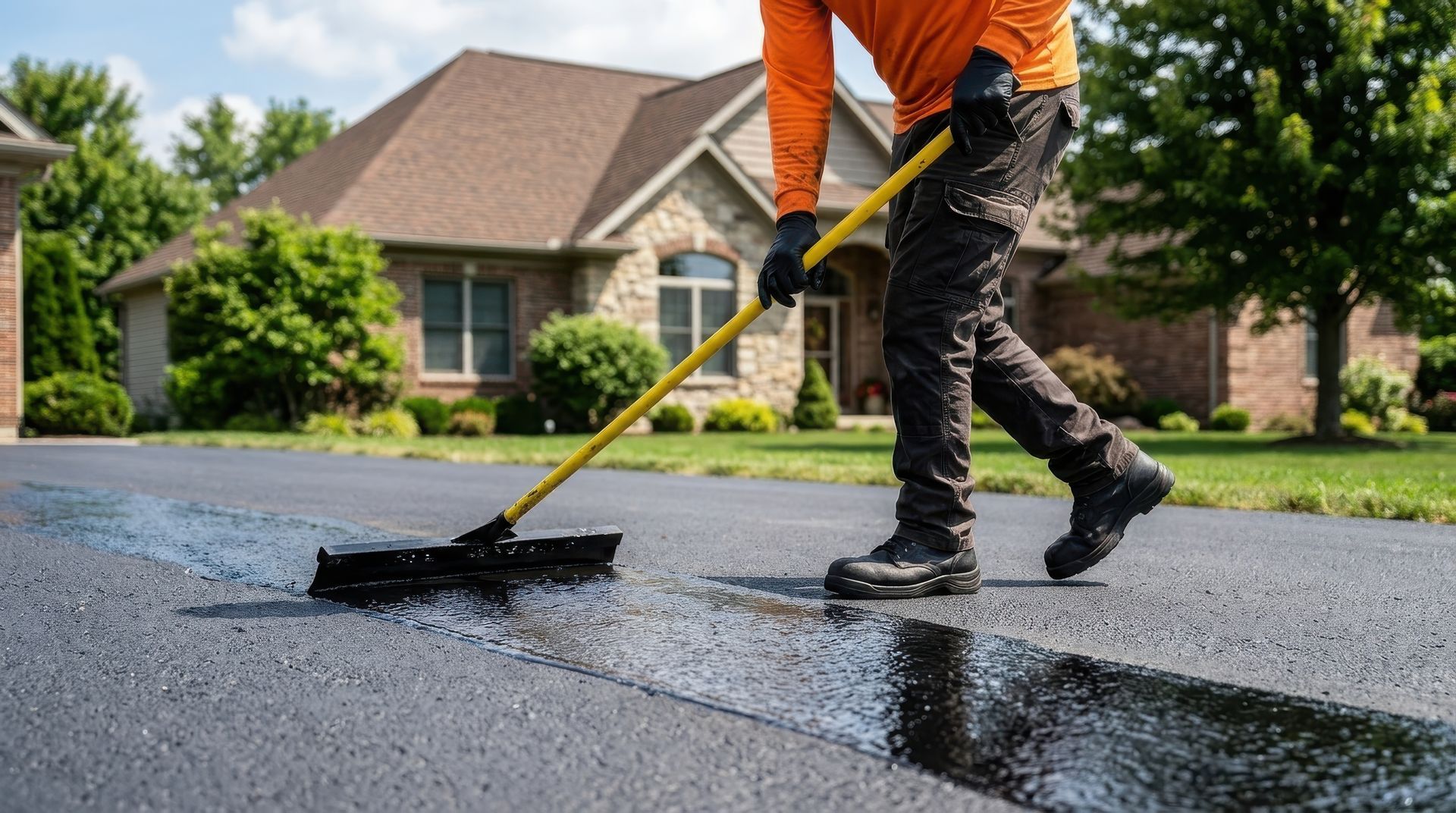
Once your driveway is ready, applying sealcoating provides essential protection.
Benefits include:
- Shielding against UV rays
- Preventing water penetration
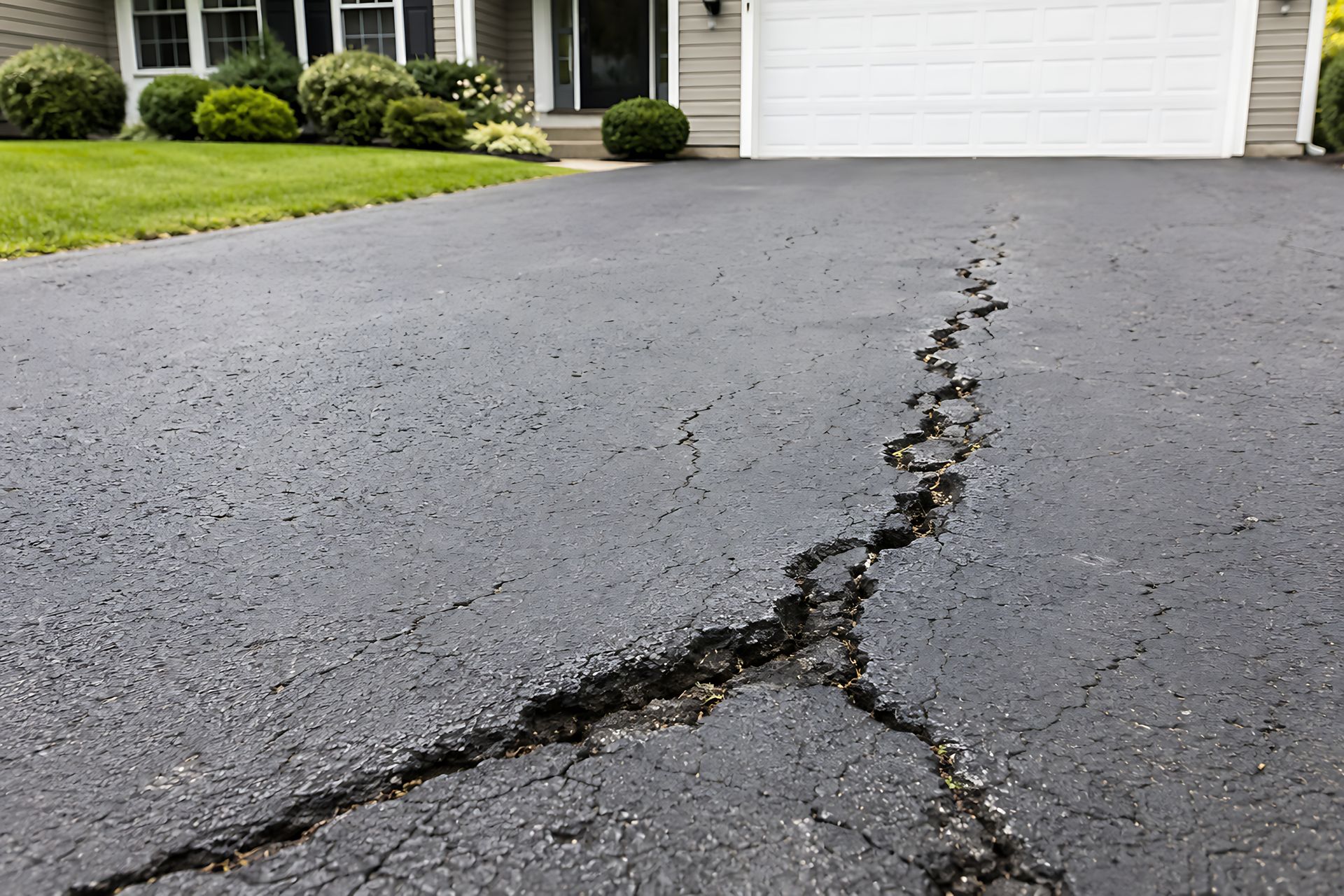
- Reducing cracks and surface damage
- Extending the lifespan of your driveway
- Improving overall appearance
Sealcoating acts as a protective barrier that keeps your asphalt in top condition.
What Happens If You Wait Too Long?
While sealing too early is a problem, waiting too long can also lead to damage.
If you delay driveway maintenance:
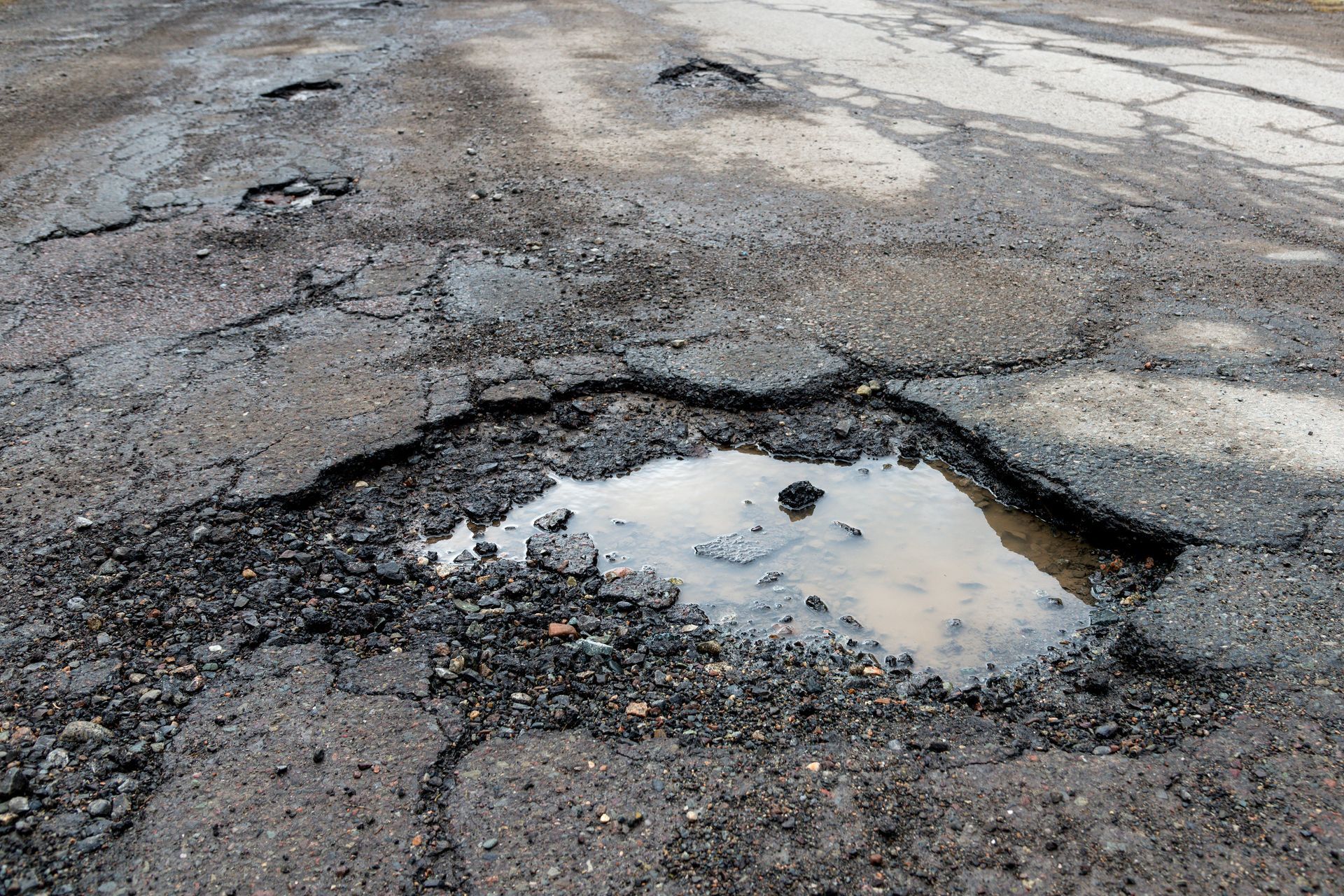
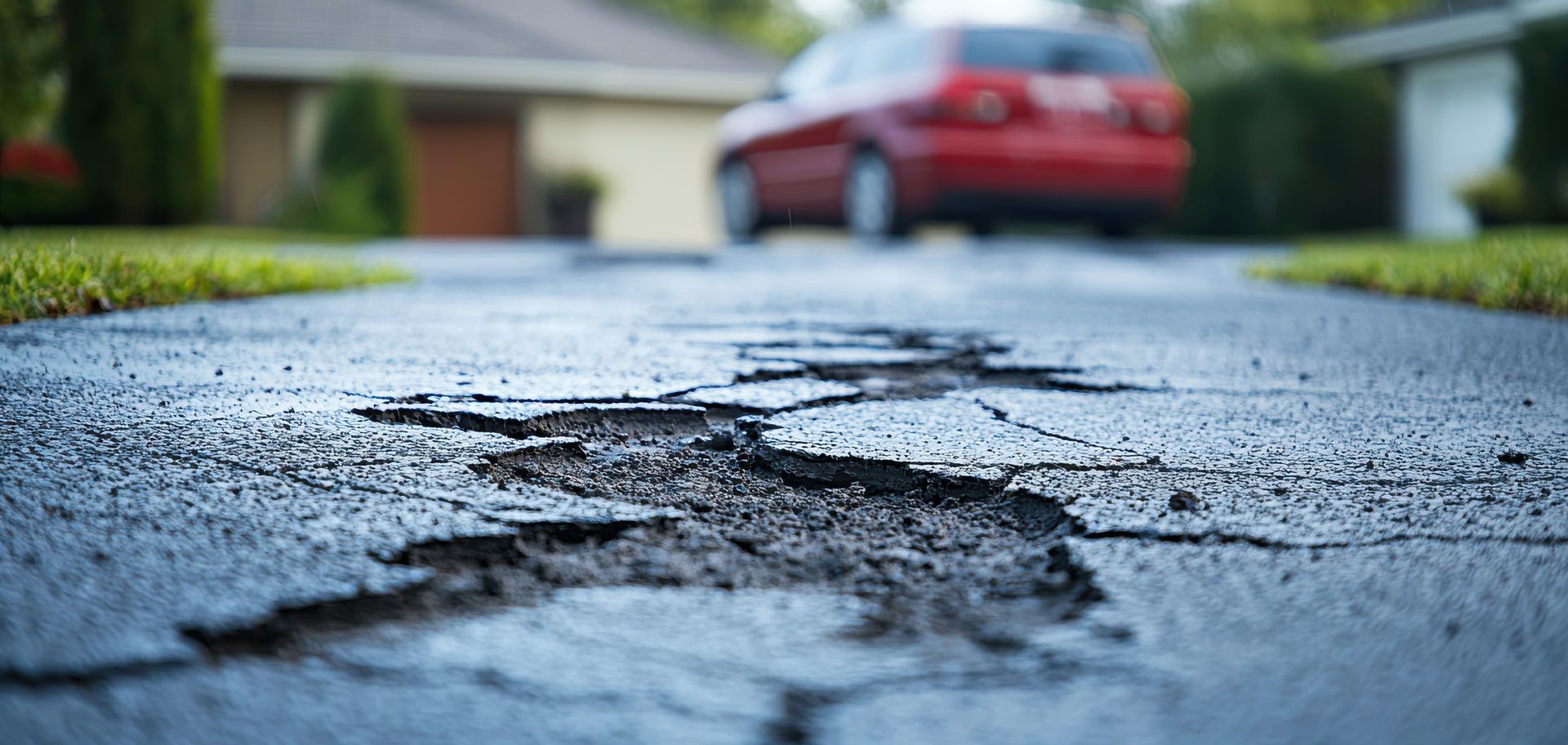
- Cracks may begin to form
- Water can penetrate the surface
- Oxidation can weaken the asphalt
- Repairs may become necessary
Applying sealcoat at the right time helps prevent these issues before they start.
How Often Should You Sealcoat After the First Time?
After the initial application, regular sealcoating maintenance keeps your driveway protected.
Most driveways benefit from:
- Sealcoating every 2 to 3 years
- More frequent sealing for high-traffic areas
Consistent maintenance ensures long-term durability and appearance.
Protect Your Driveway from Day One
Taking care of your new driveway starts with understanding proper timing. Waiting the right amount of time before applying your first sealcoating ensures maximum protection and long-lasting results.
NextGen Great Sealcoating helps homeowners protect and maintain their asphalt with professional services designed to extend the life of your driveway and keep it looking its best.
How long should I wait to sealcoat a new driveway?
You should typically wait 6 to 12 months before applying the first sealcoating.
Can I sealcoat my driveway right after installation?
No, fresh asphalt needs time to cure before it can properly bond with sealcoat.
What happens if I seal too early?
Sealcoating too early can trap oils and reduce the effectiveness of the coating.
How do I know my driveway is ready?
A faded color and hardened surface are signs your driveway is ready for sealing.
How often should I sealcoat my driveway?
Most driveways should be sealed every 2 to 3 years after the first application.