Pothole Repair 101: When Cold Patch Isn’t Enough.
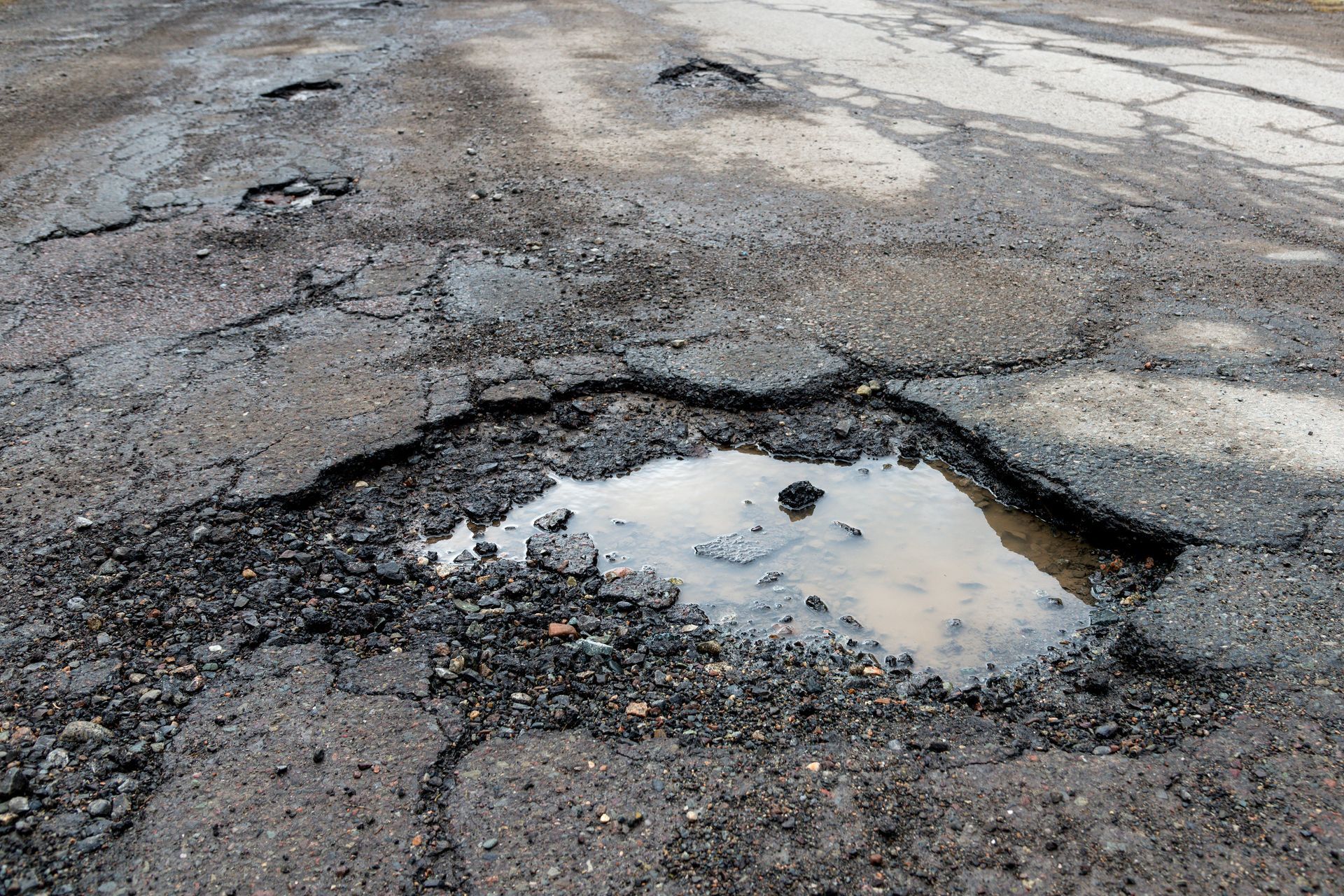
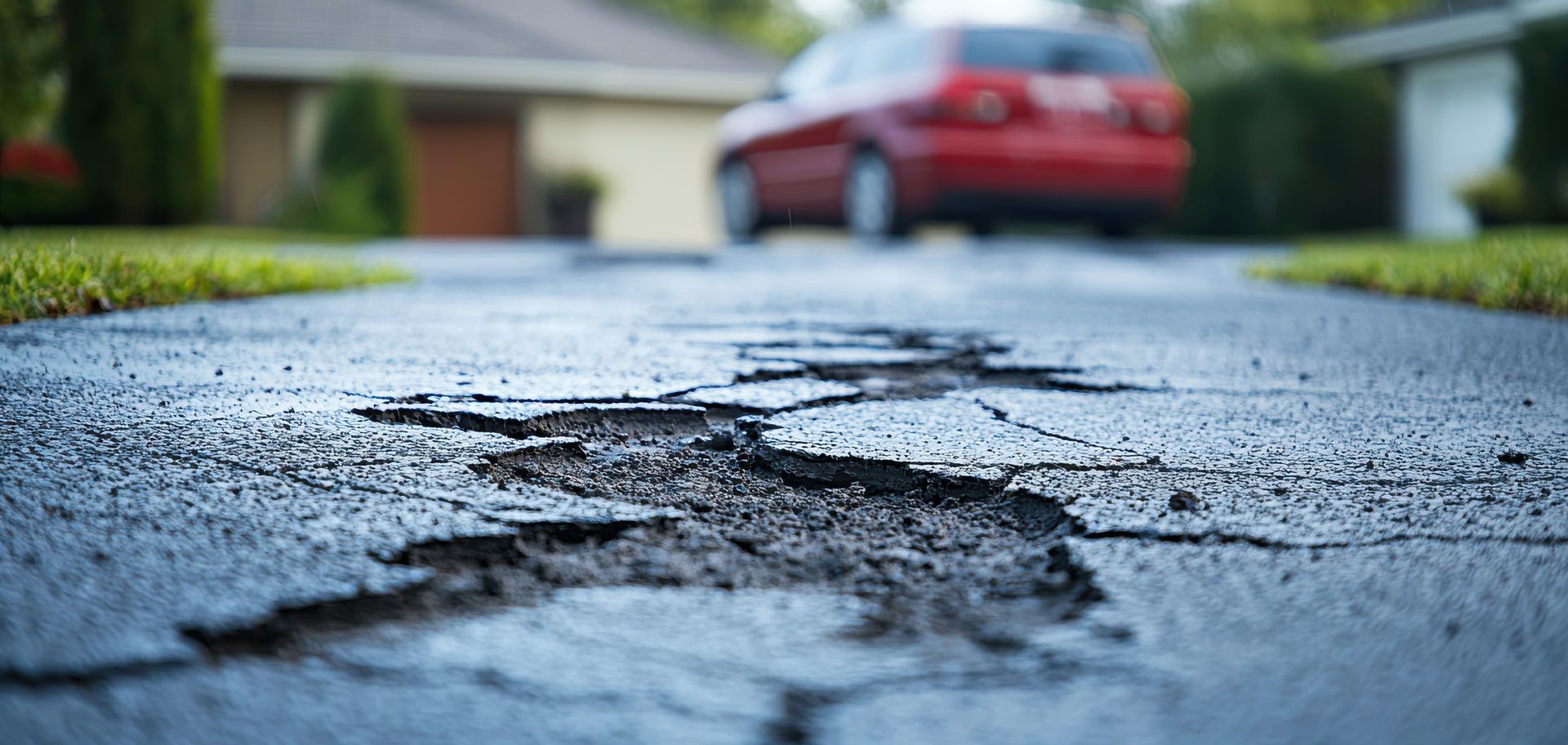
Potholes are more than just a nuisance. They are a sign of underlying asphalt damage that can worsen quickly if not addressed properly. While cold patch pothole repair is often used as a quick fix, it is not always the best long-term solution.
Knowing when cold patch isn’t enough can help you avoid repeated repairs, protect your pavement, and save money over time.
What Causes Potholes in Asphalt?
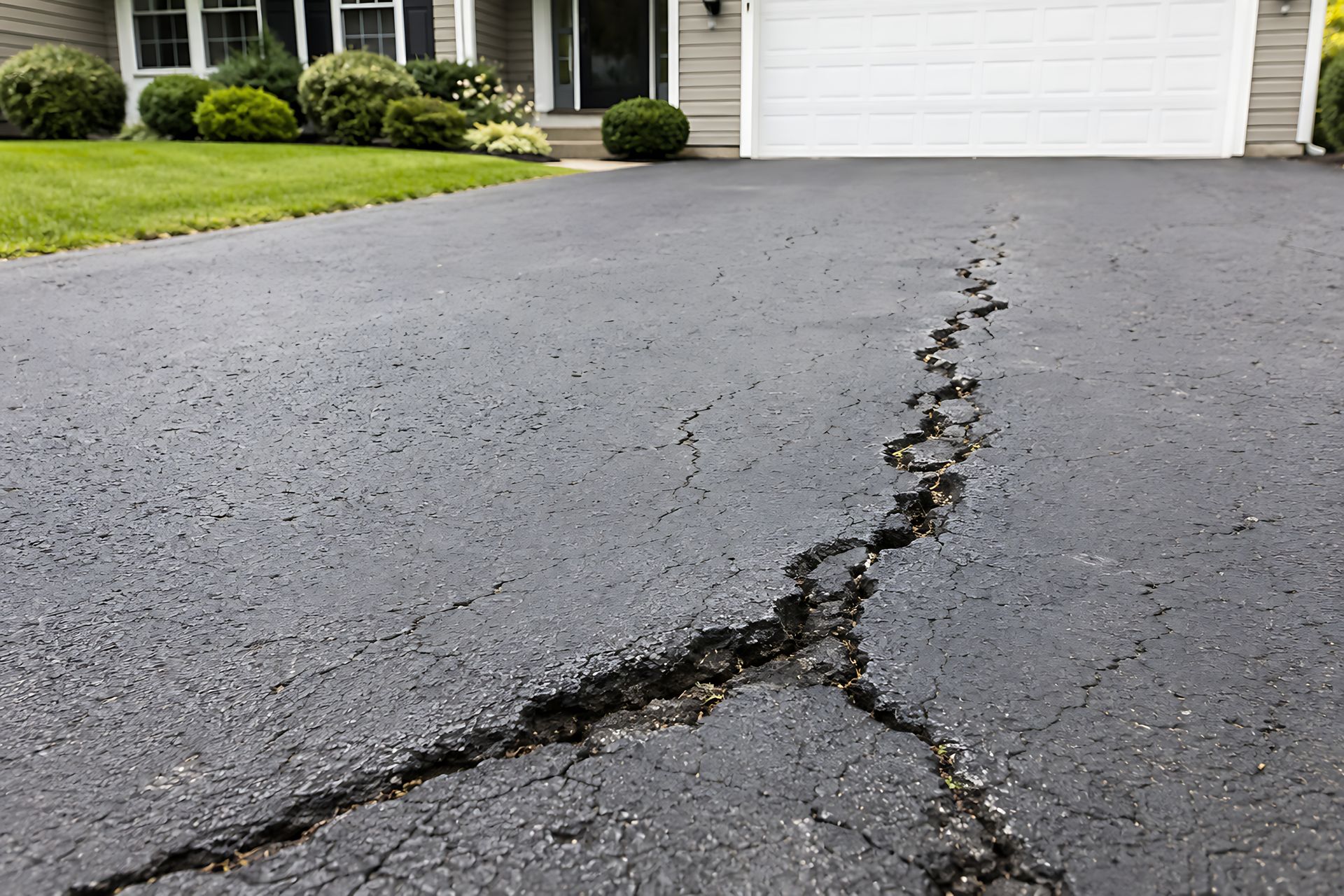
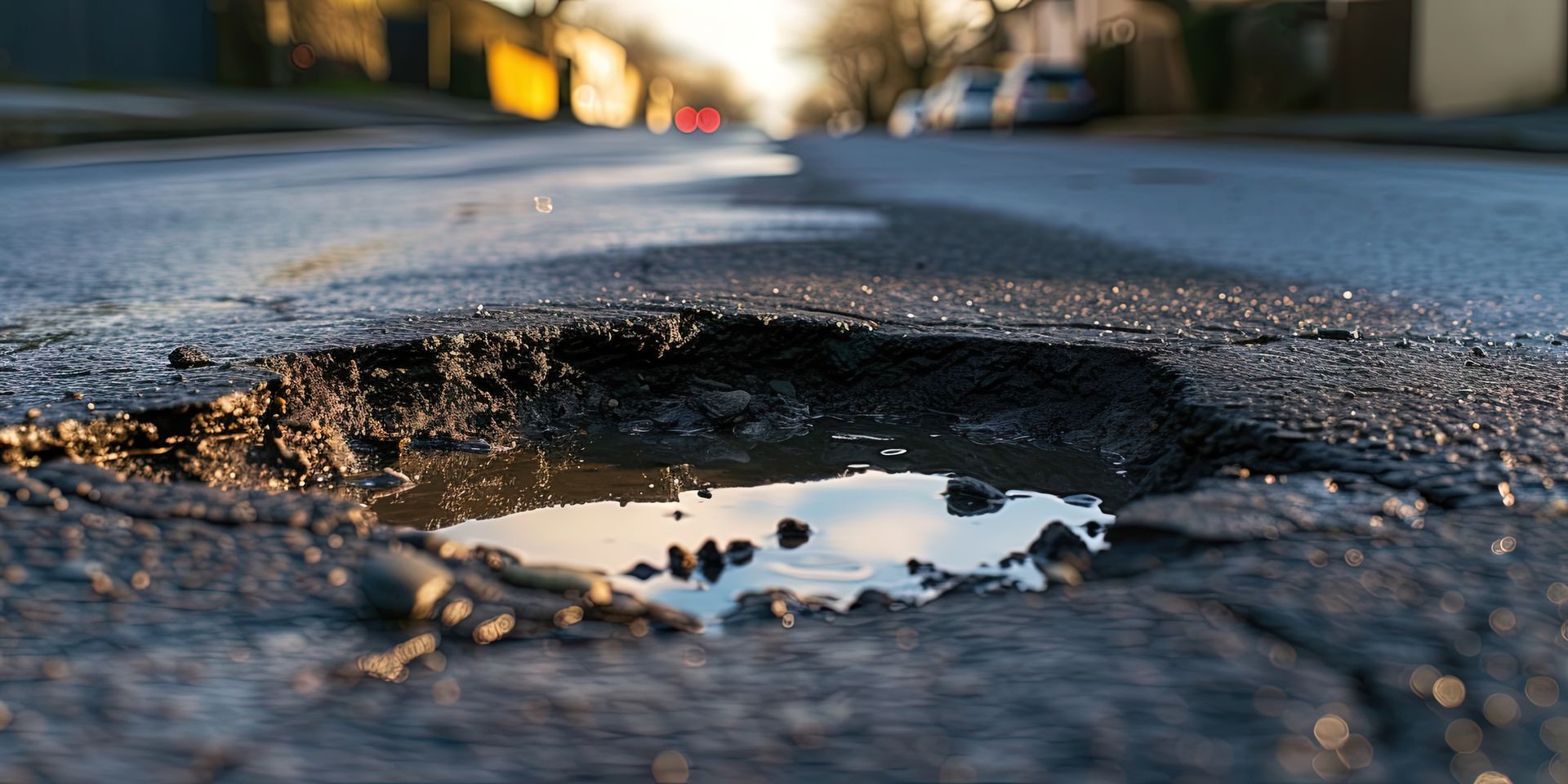
Potholes form when water seeps into cracks in the asphalt and weakens the base beneath the surface. As temperatures fluctuate, the pavement expands and contracts, causing the surface to break apart.
Common causes include:
- Water infiltration
- Freeze-thaw cycles
- Heavy traffic and weight
- Aging asphalt and oxidation
Once the base is compromised, the surface collapses and creates a pothole.
What Is Cold Patch Repair?
Cold patch asphalt repair is a temporary solution that involves filling a pothole with pre-mixed asphalt material that can be applied without heating.
It is commonly used for:
- Emergency repairs
- Quick fixes in colder weather
- Temporary surface patching
Cold patch is convenient, but it has limitations when it comes to durability.
When Cold Patch Works
There are situations where cold patch pothole repair is appropriate.
It can be effective for:
- Small potholes
- Short-term repairs
- Low-traffic areas
- Temporary fixes during winter months
In these cases, cold patch can help prevent further damage until a permanent repair is possible.
When Cold Patch Isn’t Enough
For more serious damage, cold patch simply will not hold up over time.
You should consider professional repair if:
- The pothole keeps coming back
- The area experiences heavy traffic
- The base layer is damaged
- The pothole is large or deep
In these situations, a more permanent solution is needed to fix the root of the problem.
The Problem with Repeated Temporary Fixes
Relying on temporary asphalt repair methods can lead to ongoing issues.
Repeated cold patching can:
- Fail to address underlying damage
- Break apart under pressure
- Require constant reapplication
- Increase long-term repair costs
Fixing the problem properly the first time is often more cost-effective.
Long-Term Pothole Repair Solutions
Professional pothole repair services go beyond surface-level fixes by addressing both the damaged asphalt and the base beneath it.
Permanent repair methods may include:
- Cutting out the damaged area
- Removing compromised material
- Rebuilding the base
- Applying hot mix asphalt
This process creates a strong, durable repair that blends seamlessly with the surrounding pavement.
How to Prevent Future Potholes
Preventative maintenance is key to avoiding recurring damage.
Steps include:
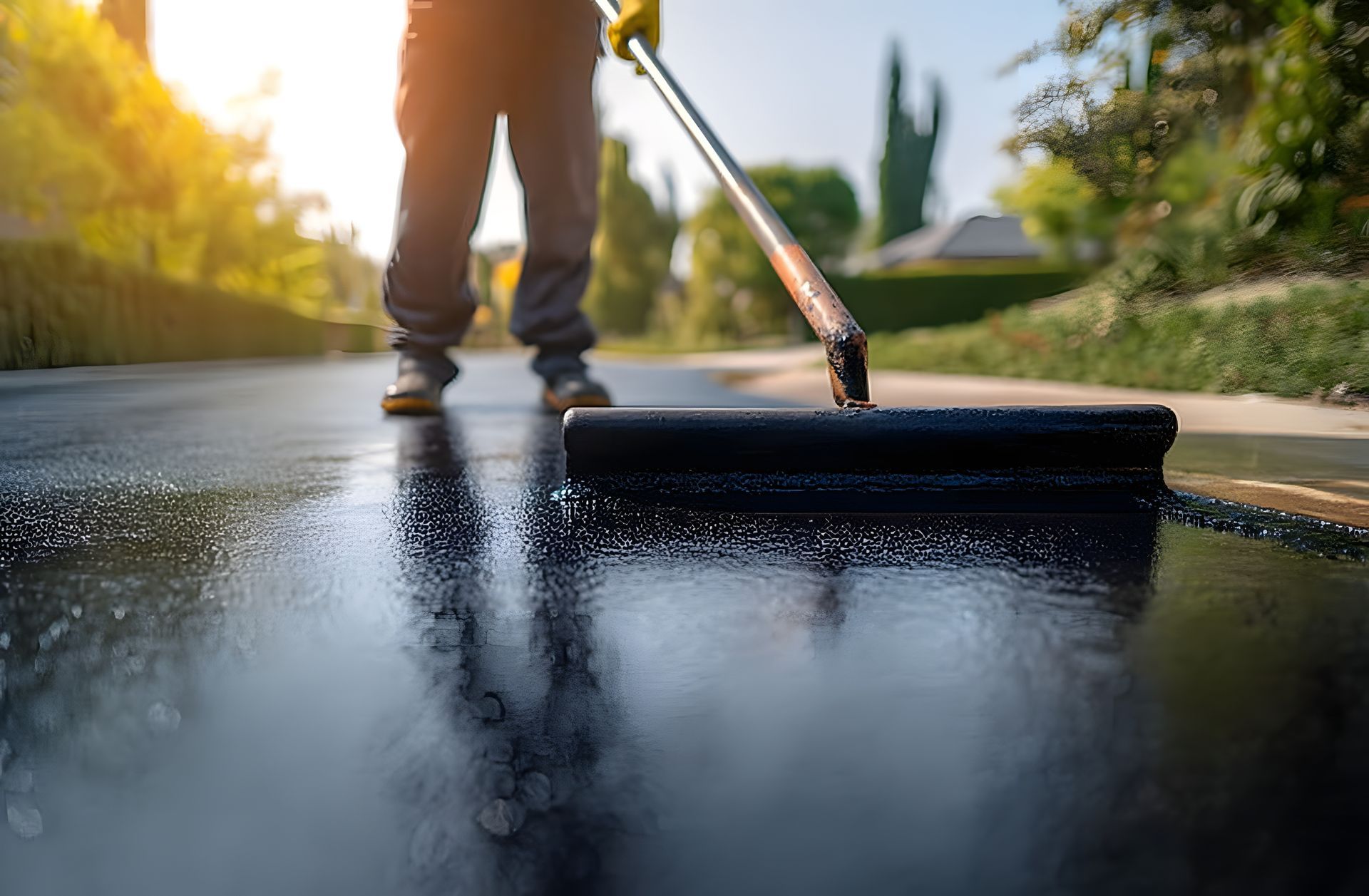
- Regular sealcoating to protect against moisture
- Filling cracks before water can enter
- Ensuring proper drainage
- Scheduling routine inspections
Taking these steps helps extend the life of your asphalt and reduces the risk of potholes.
Fix It Right the First Time
While cold patch has its place, it is not a long-term solution for serious asphalt damage. Understanding when to move beyond temporary fixes can save you time, money, and frustration.
NextGen Great Sealcoating provides professional repair solutions that address the root cause of potholes, delivering durable results that keep your pavement smooth, safe, and long-lasting.
What is cold patch pothole repair?
Cold patch is a temporary asphalt repair method used to fill potholes without heating the material.
How long does cold patch last?
It varies, but it is generally short-term and may need to be reapplied.
When should I choose a permanent repair?
If the pothole is large, recurring, or in a high-traffic area, a permanent solution is recommended.
What is the best way to fix a pothole?
Professional repair using hot mix asphalt and base restoration provides the most durable results.
How can I prevent potholes from forming?
Regular maintenance like sealcoating and crack filling helps protect your asphalt.