The Impact of Faded Lines: How Poor Striping Leads to Parking Lot Accidents.
Parking lots are often one of the busiest and most overlooked areas of a property. While they may seem simple, clear organization and visibility are critical for safety. When lines begin to fade, the risk of confusion, accidents, and liability increases significantly.
Proper parking lot striping is not just about appearance. It plays a direct role in traffic flow, pedestrian safety, and overall property management. Failing to maintain visible markings can lead to serious consequences for both drivers and property owners.
Why Parking Lot Striping Matters
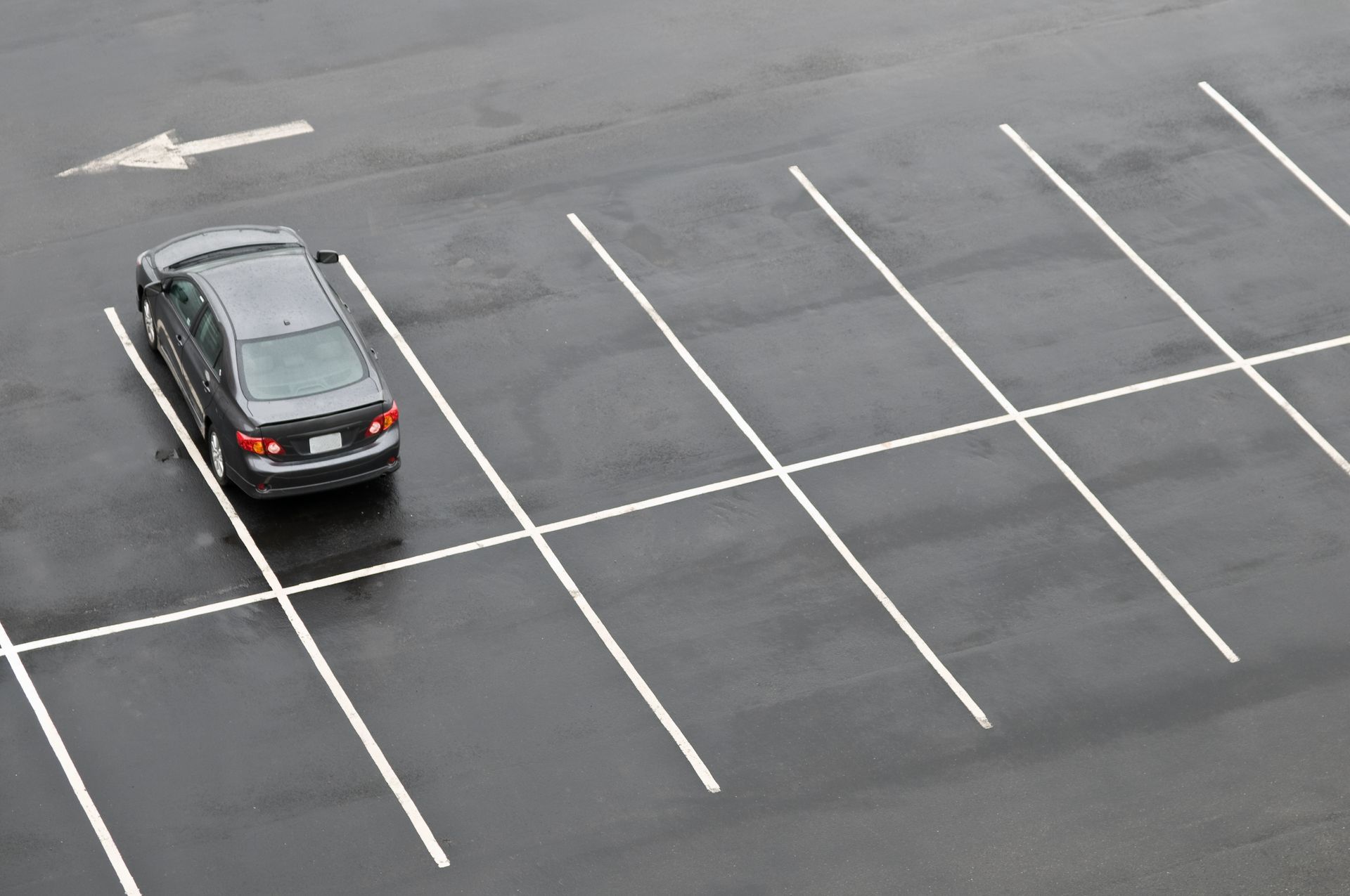
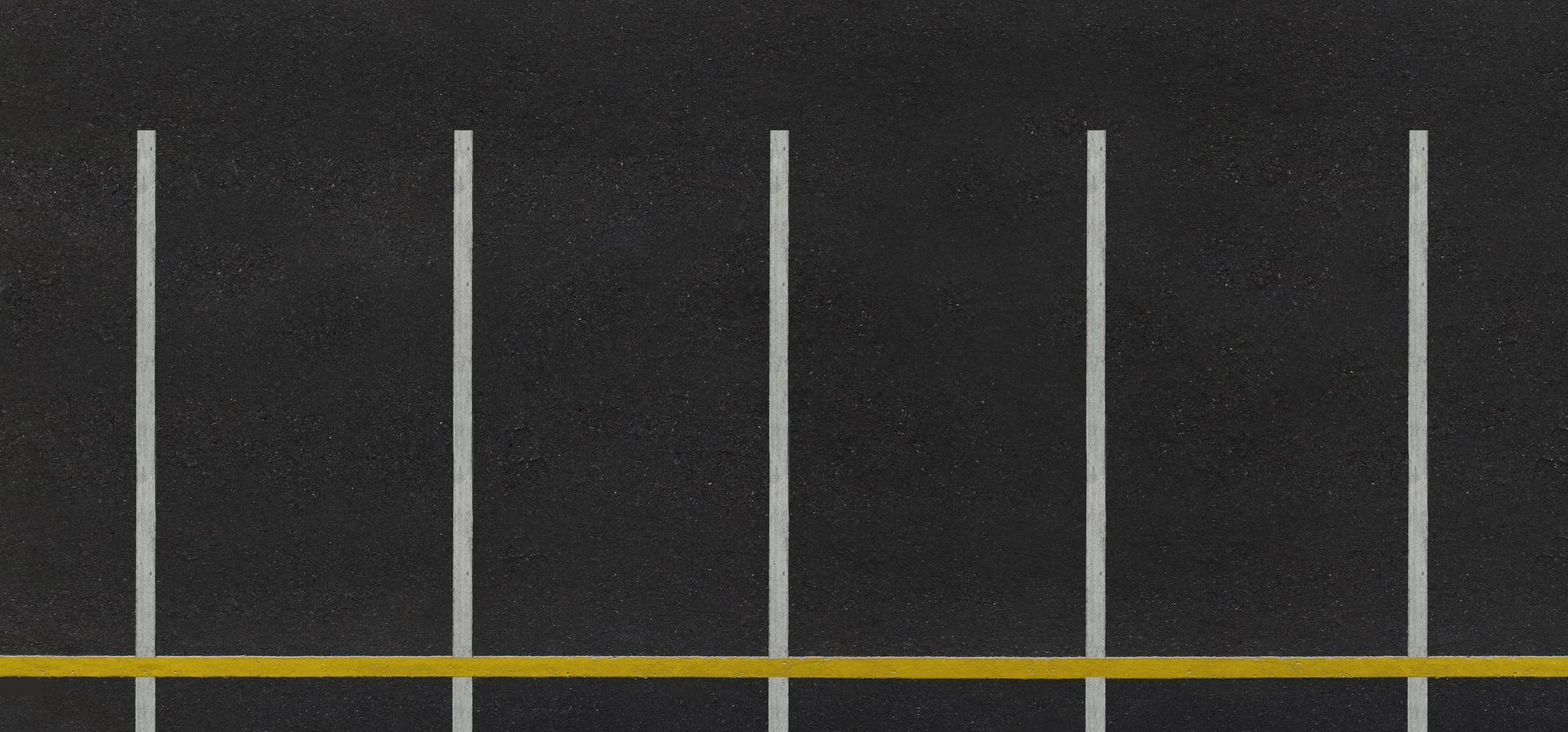
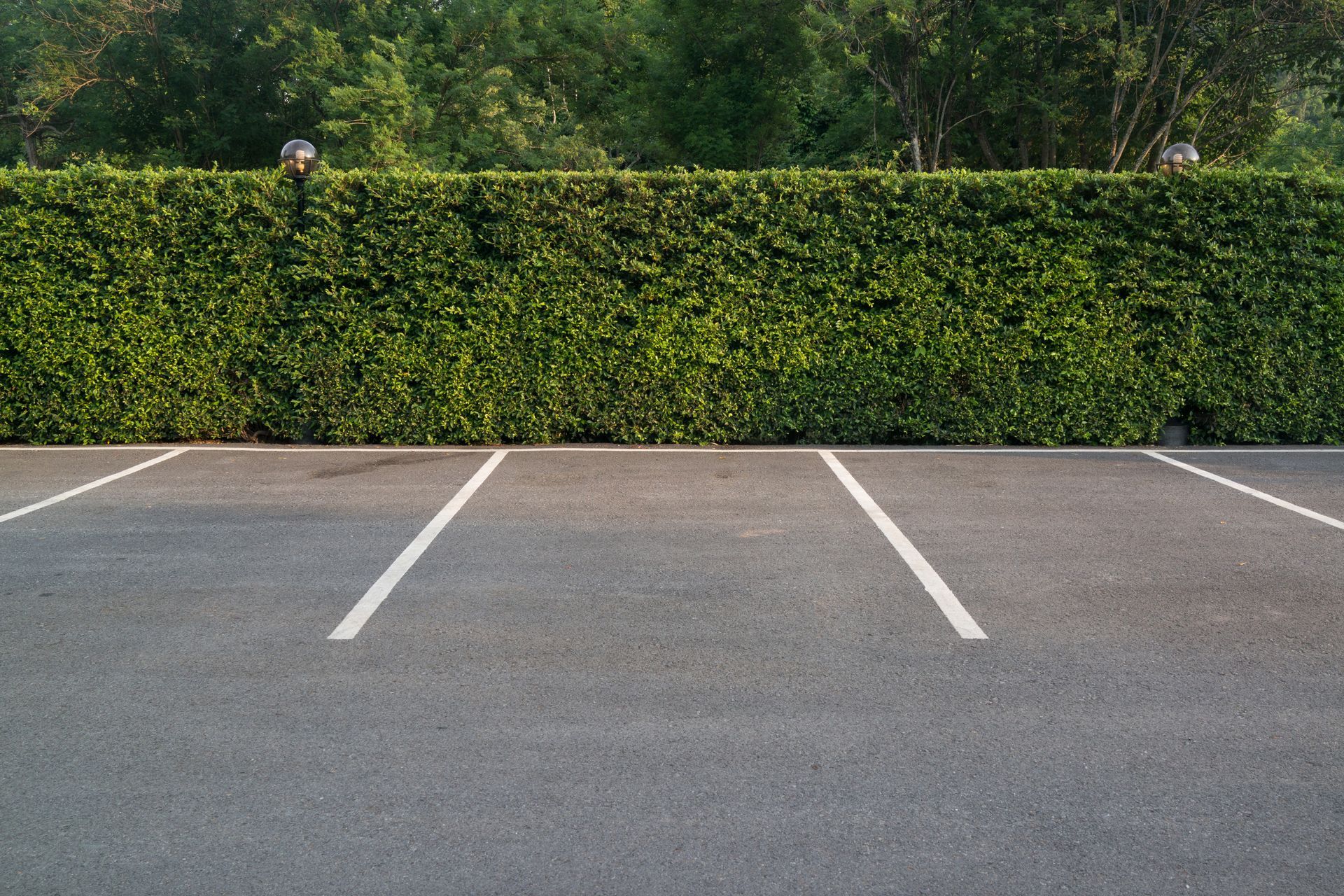
Clear parking lot line striping provides structure and guidance for everyone using the space.
Well-marked parking lots help:
- Direct vehicle movement safely
- Define parking spaces clearly
- Guide pedestrian pathways
- Improve overall organization
Without visible striping, drivers are left to guess where to park and how to navigate, increasing the likelihood of mistakes.
How Faded Lines Lead to Accidents
When striping fades, the entire layout of a parking lot becomes unclear. This lack of visibility can quickly create unsafe conditions.
Unclear Parking Spaces
Drivers may park unevenly or too close to other vehicles, increasing the risk of door dings and collisions.
Traffic Flow Confusion
Without clear directional markings, vehicles may move unpredictably, leading to near misses or accidents.
Reduced Pedestrian Safety
Faded crosswalks and walkways make it harder for drivers to identify where pedestrians may be present.
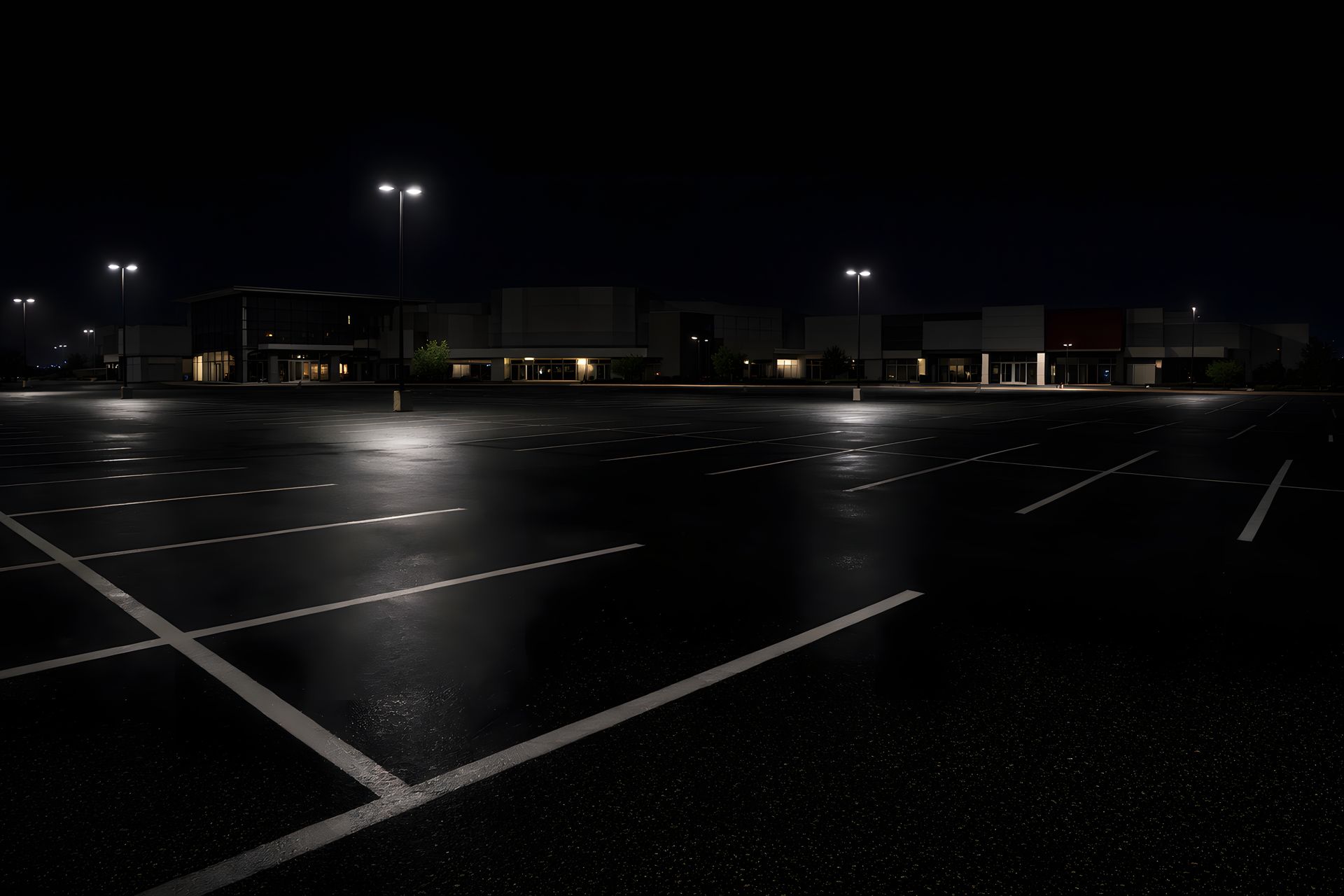
Poor Visibility at Night
Low-light conditions make faded lines even harder to see, further increasing risk.
These issues can turn a simple parking lot into a hazardous environment.
The Liability Risks for Property Owners
Property owners are responsible for maintaining safe conditions on their premises. Poor parking lot maintenance can expose them to legal and financial risks.
Potential consequences include:
- Liability claims from accidents or injuries
- Increased insurance costs
- Negative customer experiences
- Damage to business reputation
Maintaining clear striping is a simple way to reduce these risks.
Signs Your Parking Lot Needs Restriping
Recognizing when your lot needs attention can help prevent problems before they occur.
Look for:
- Faded or barely visible lines
- Uneven or inconsistent markings
- Confusing traffic flow patterns
- Worn crosswalks or safety markings
If markings are difficult to see, it is time for parking lot restriping.
Benefits of Professional Parking Lot Striping
Investing in professional line striping services offers both safety and operational advantages.
Improved Safety
Clear markings reduce confusion and help prevent accidents.
Better Traffic Flow
Defined lanes and directions keep vehicles moving efficiently.
Enhanced Appearance
Fresh striping gives your property a clean, well-maintained look.
Compliance with Regulations
Proper markings help meet safety and accessibility standards.
How Often Should You Restrip Your Parking Lot?
The frequency of restriping depends on usage and environmental conditions.
General recommendations:
- Every 1 to 2 years for high-traffic areas
- As needed when visibility begins to fade
Regular maintenance ensures your lot remains safe and functional.
Protecting Your Property and Visitors
Faded parking lot lines are more than just a cosmetic issue. They directly impact safety, organization, and liability. By maintaining clear, visible striping, property owners can create a safer environment for drivers and pedestrians alike.
NextGen Great Sealcoating provides professional striping and maintenance services that help keep parking lots safe, organized, and visually appealing.
Why is parking lot striping important?
Parking lot striping helps guide traffic, improve safety, and organize parking spaces.
Can faded lines really cause accidents?
Yes, poor visibility can lead to confusion, improper parking, and increased risk of collisions.
How often should parking lots be restriped?
Most lots should be restriped every 1 to 2 years depending on traffic and wear.
What are the risks of not restriping a parking lot?
Risks include accidents, liability claims, and a negative appearance.
Does restriping improve property value?
Yes, fresh striping enhances curb appeal and shows that the property is well-maintained.